Friday miscellany

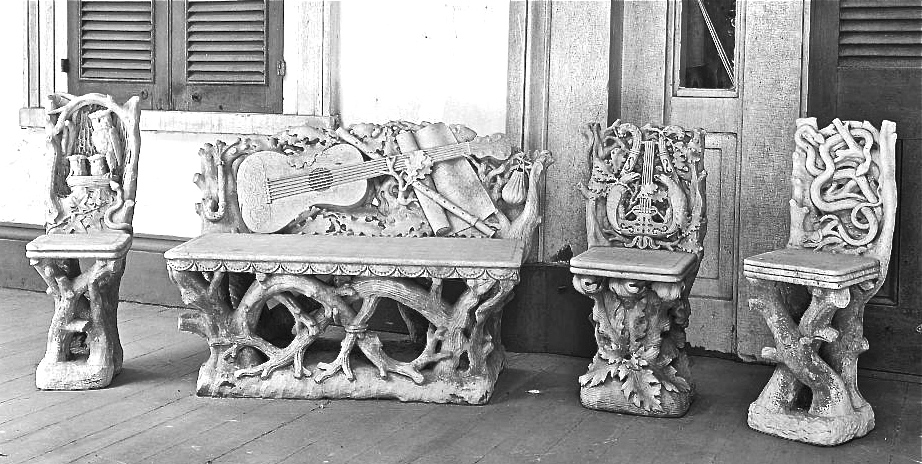
The porch of Burnside Plantation in 1938, by photographer Frances Benjamin Johnson for the Carnegie Survey of the South.

Miscellany

The Washington Post has an interesting, and rather sad, article (and colorful slide show), here, about the once-great floating gardens of Xochimilco in Mexico City. Although it is a UNESCO World Heritage Site, “the ancient plots and their life-giving canals are weedy and abandoned, overrun by cattle, invaded by exotic fish, sucked dry by urban sprawl — and a dozen agencies of government have failed to save one of the wonders of the world.”

Anne Raver in The New York Times writes about Nancy Goodwin’s celebrated Montrose Gardens in winter, here. The slide show includes a photo of her lath house, which has been on my list of favorite garden structures since I saw it in Garden Design in the 1990s.

In urban landmark news, the first Starbucks on the East Coast, at Wisconsin and Idaho Avenues, N.W., in Washington, D.C., has closed. The building it occupied will soon be demolished. However, The Huffington Post reports, here, that the new, mixed-use development will still have a Starbucks (whew!). In the meantime, if you visit the nearby National Cathedral’s Bishop’s Garden, you can get coffee (and fudge) in the gift shop.

(Also, a slideshow in the header of the National Cathedral’s website, here, has some revealing photos of the earthquake damage of last summer.)

This link from the Lady Bird Johnson Wildflower Center and the University of Texas at Austin displays a map of the U.S. Click on a state and you get a list of native plants suitable for that region. Also, here’s an interesting perspective on the honey bee as a pollinator of American native plants, at Garden Rant.

Finally, if you need a reminder to always be alert to possibilities for design, click here.

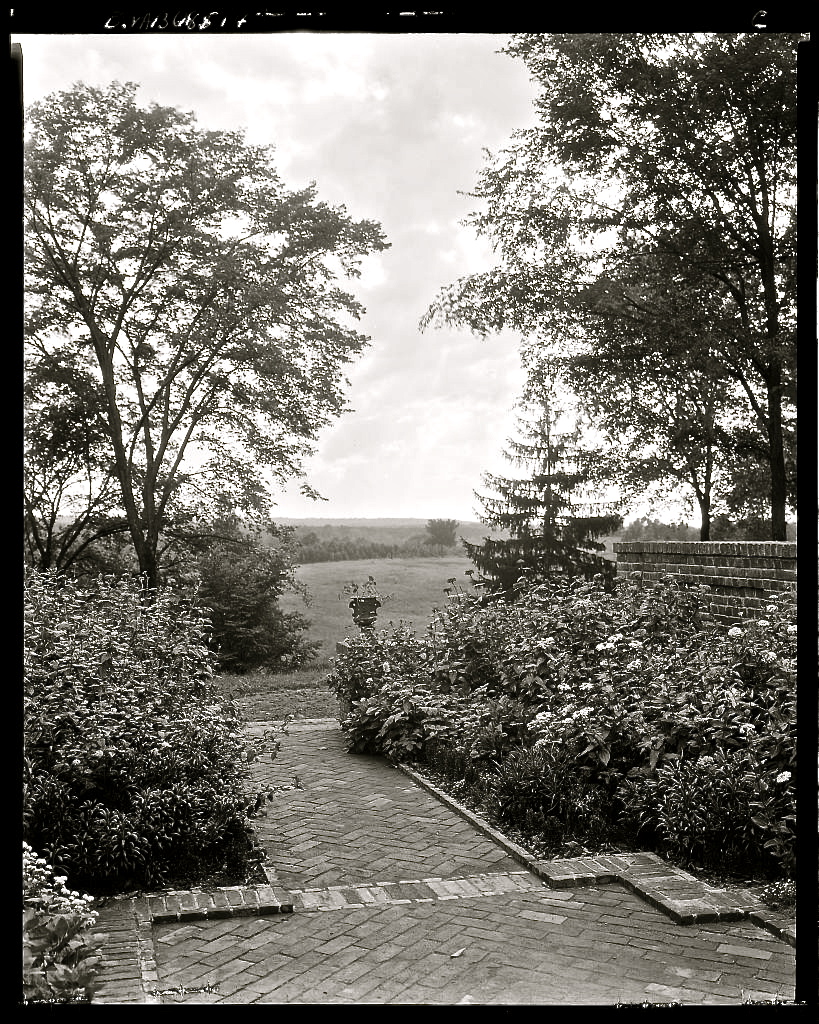
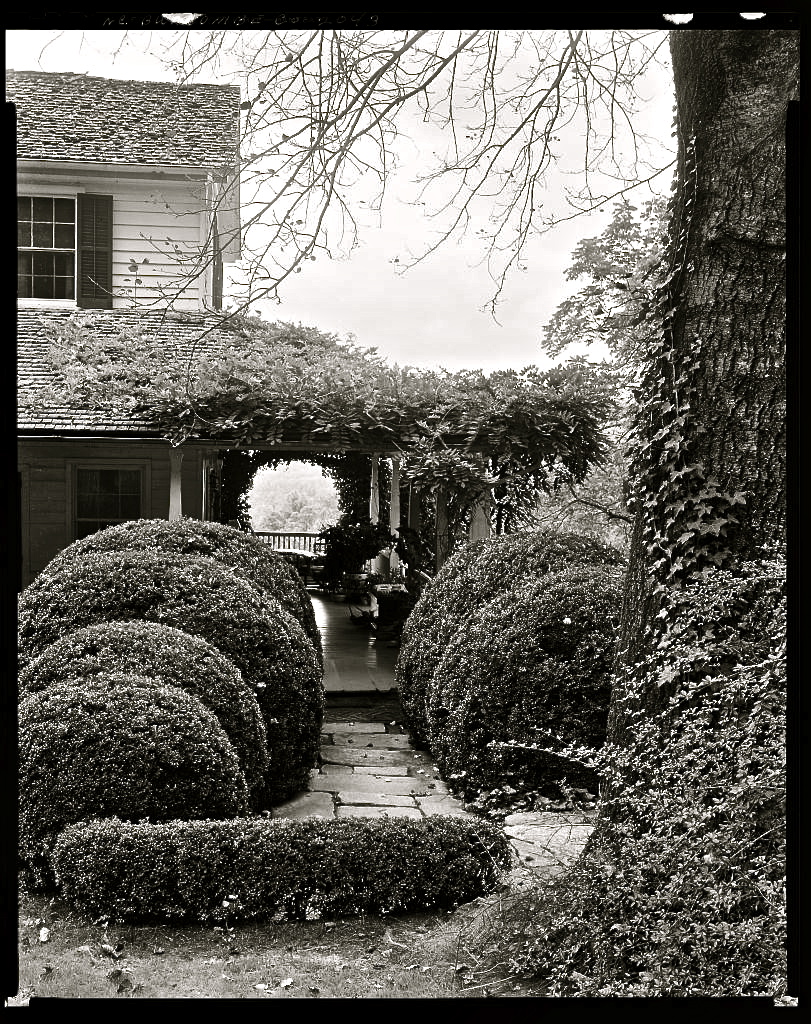
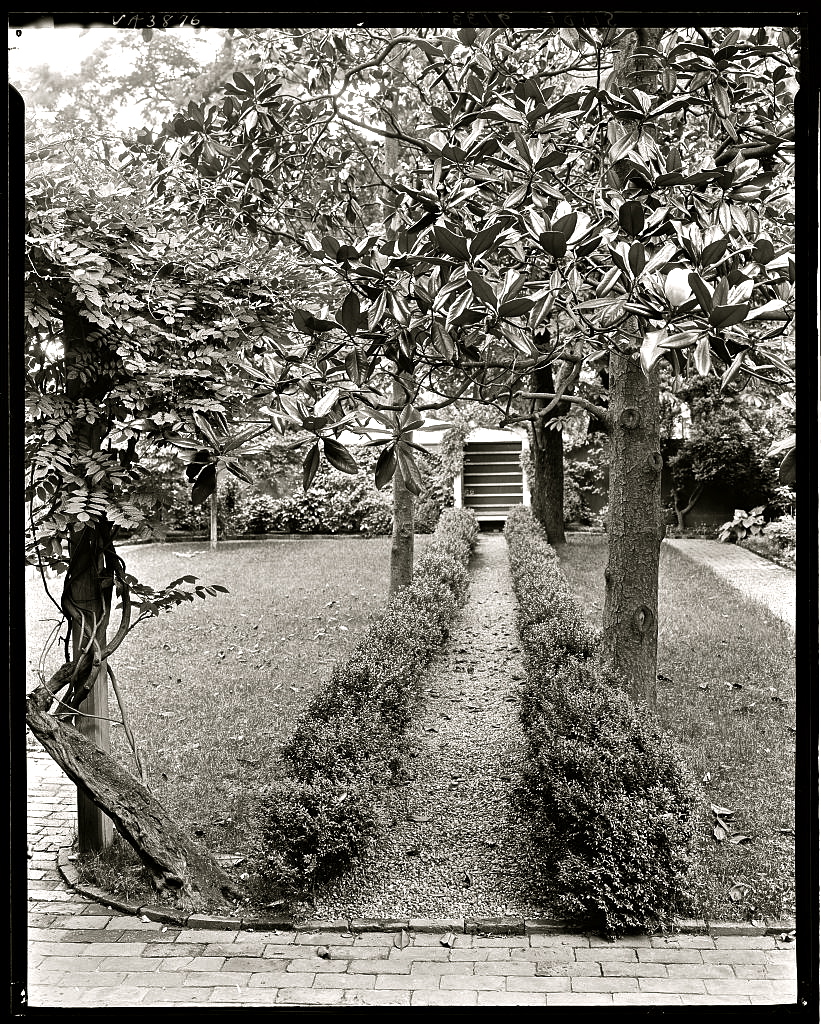
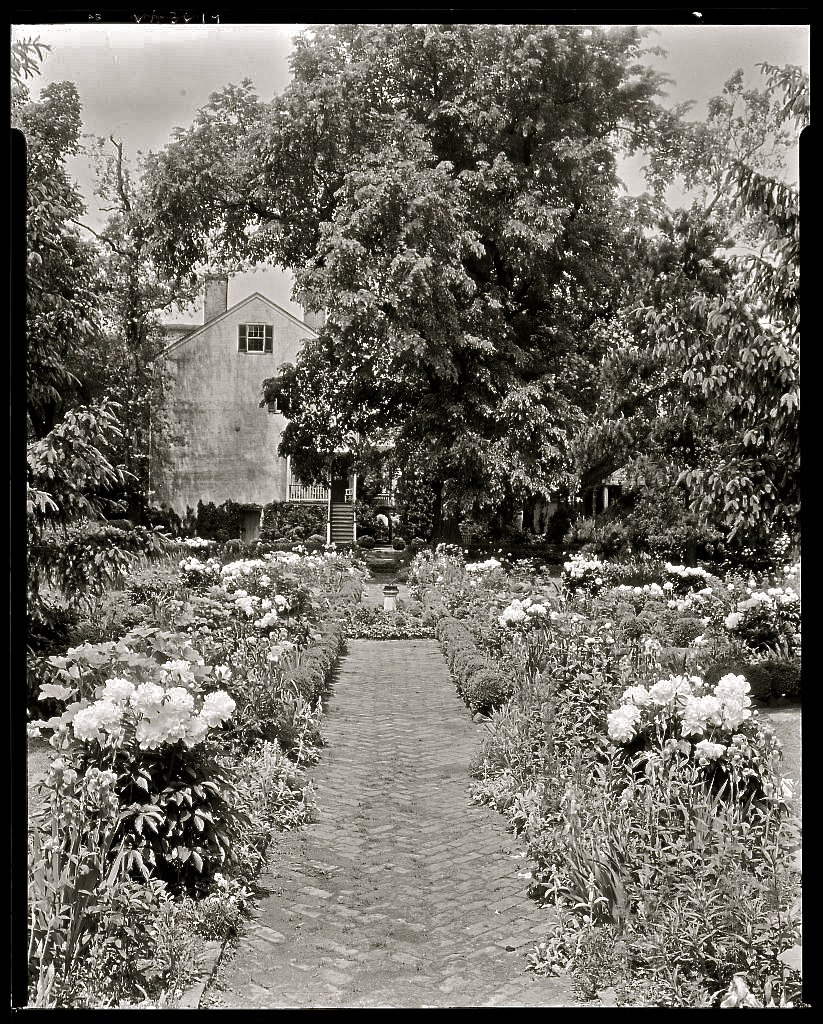
Vintage landscape: perspective

Belmont, Falmouth, Virginia, late 1920s.

All photos by Frances Benjamin Johnston via the Carnegie Survey of the South, Library of Congress Prints and Photographs Division. Click the pictures to enlarge.

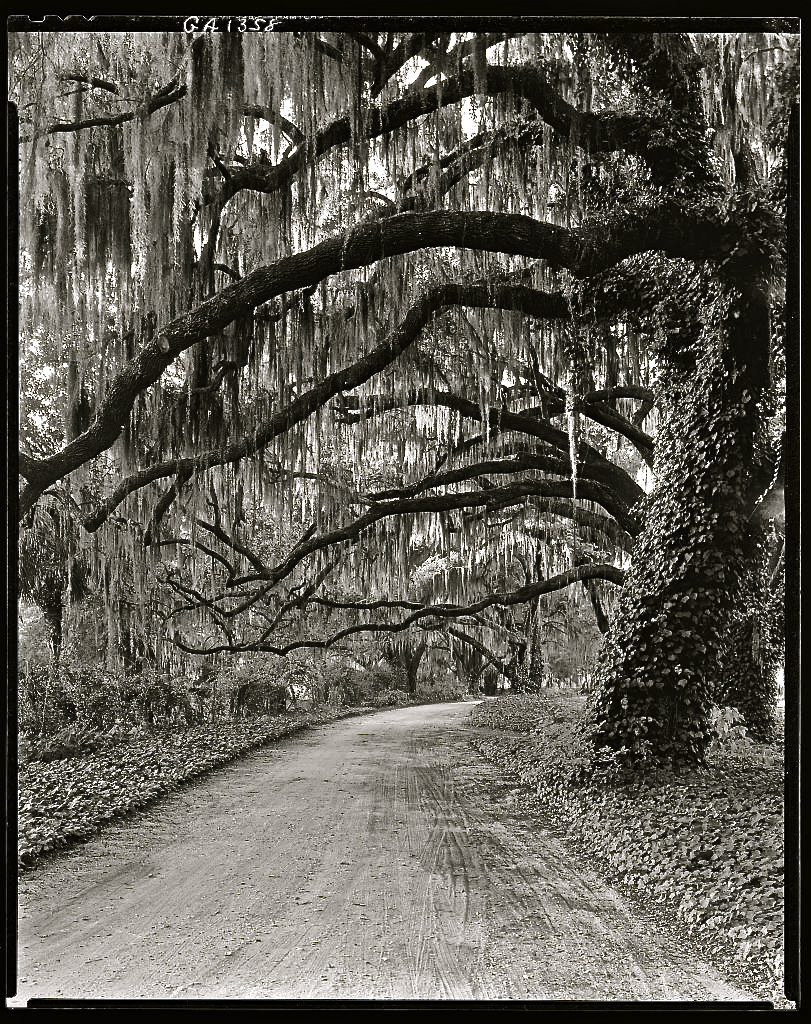
Wormoloe Plantation, Savannah, Georgia, 1939 or 1944.

York Hall, Yorktown, Virginia, ca. 1930s.

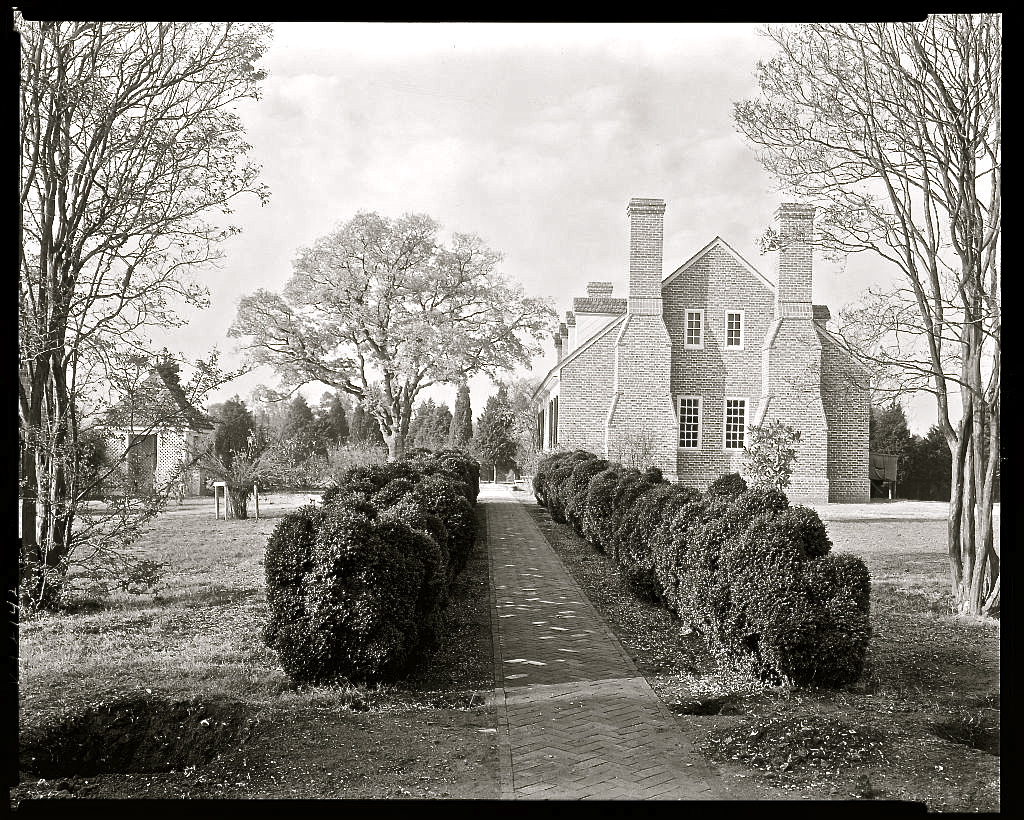
Wakefield, Westmoreland County, Virginia, 1931.

Redesdale, Richmond, Virginia, 1926 or 27.

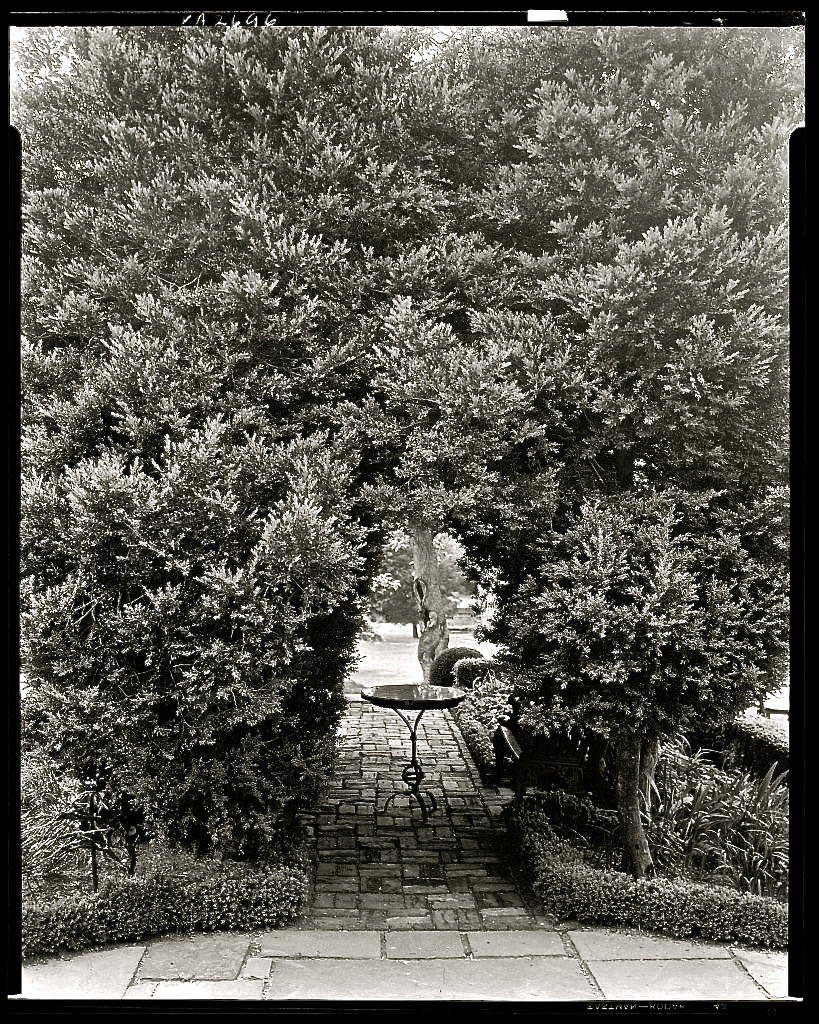
Sherrill Inn, Hickory Nut Gap, North Carolina, 1938.

Gardiner Booth, Alexandria, Virginia, 1930s.

Reveille House, Richmond, Virginia, 1936.

The pelican tree

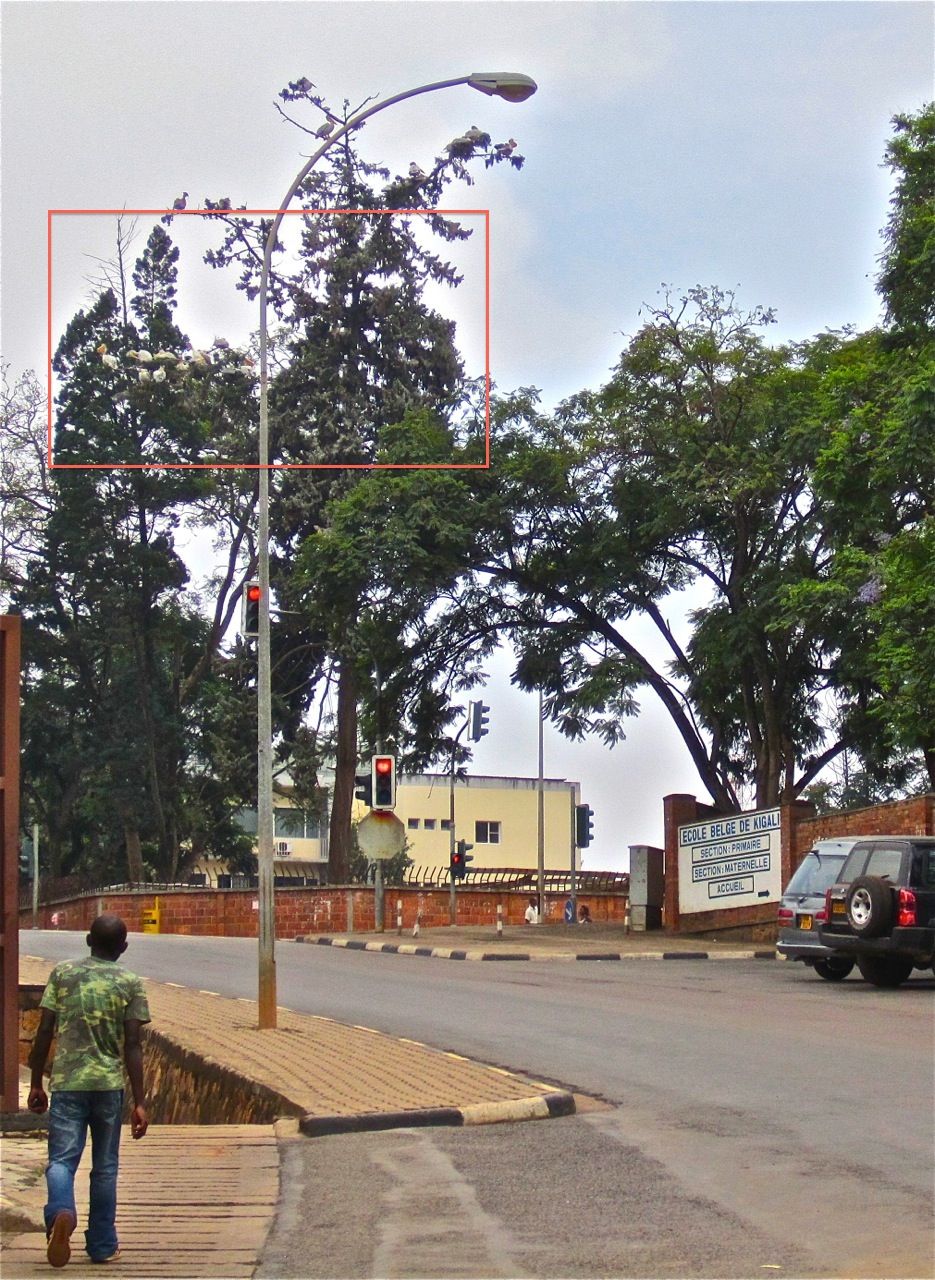
Can you see them? Neither could I until we got to the corner.

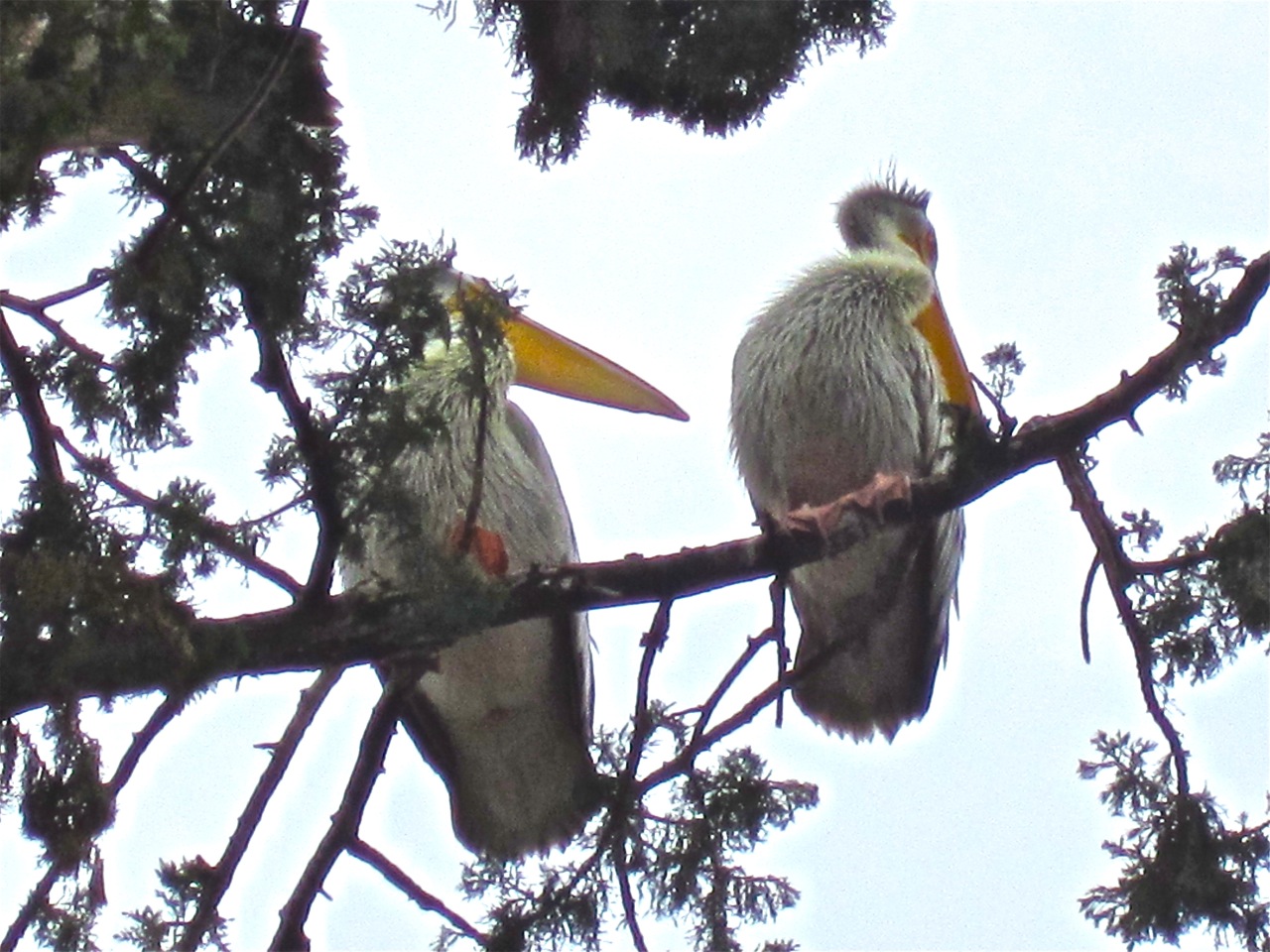
In the neighborhood of Kiyovu — the central business district of Kigali — a group of great white pelicans (Pelecanus onocrotalus) live in this tall tree opposite the Belgian School.

There is no nearby body of water, other than a medium-sized manmade lake on the other side of town. I have read that they are living on the tilapia in area fish farms, although I also read that great whites can be “opportunistic foragers” — meaning, I suppose, that they eat some trash. Although Kigali has almost no trash. (The species is also known to take the chicks of other birds, as well as ducklings.)

The birds are huge — which my pictures don’t really convey clearly.  A website said their length is about 63″ (160 cm.) and their wingspan is 110″ (280 cm.)

The other pelican native to Rwanda is the pink-backed pelican (Pelecanus rufescens).

My photos are not great — the tree is really tall — but this link has a very nice picture of pelicans in another Kigali tree.

Still a strange pageant . . .

While researching Dr. Seuss the other day, I realized why this acacia tree on our street had so grabbed my attention back in November.

Go, Dog. Go! by P.D. Eastman was one of my favorite books as a child; I was always surprised by the dog party at the end. [Click here for the image.]

During one of my landscape design classes, another student recalled a lecture by a famous landscape artist (I think it was Martha Schartz) who said that the garden we really want is the one that reflects the places we knew before the age of five. I don’t know how accurate her paraphrase was, but the idea is something to think about. And the landscapes of our early years will have to include those we saw night after night in storybooks.

I imagine the earth when I am no more:
Nothing happens, no loss, it’s still a strange pageant. . . .
Yet  the books will be there on the shelves, well born,
Derived from people, but also from radiance, heights.
‎‎– Czeslaw Milosz, from “And Yet the Books