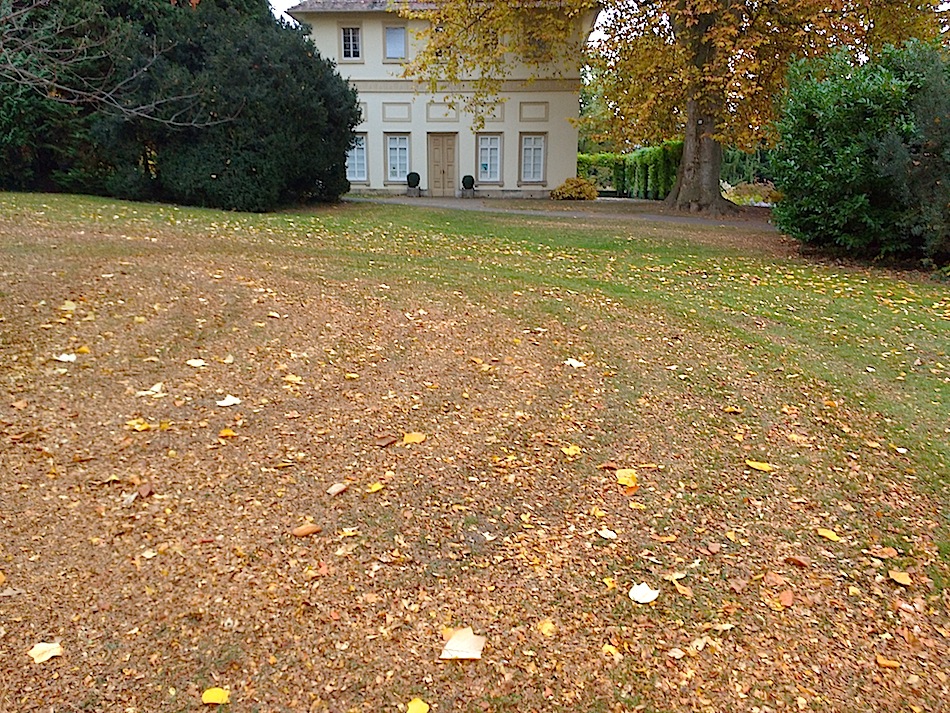
Life in gardens: favorite stalk

What’s not to love about Rhubarb? It’s the easiest thing to grow in Alaska and the moose don’t eat it.*
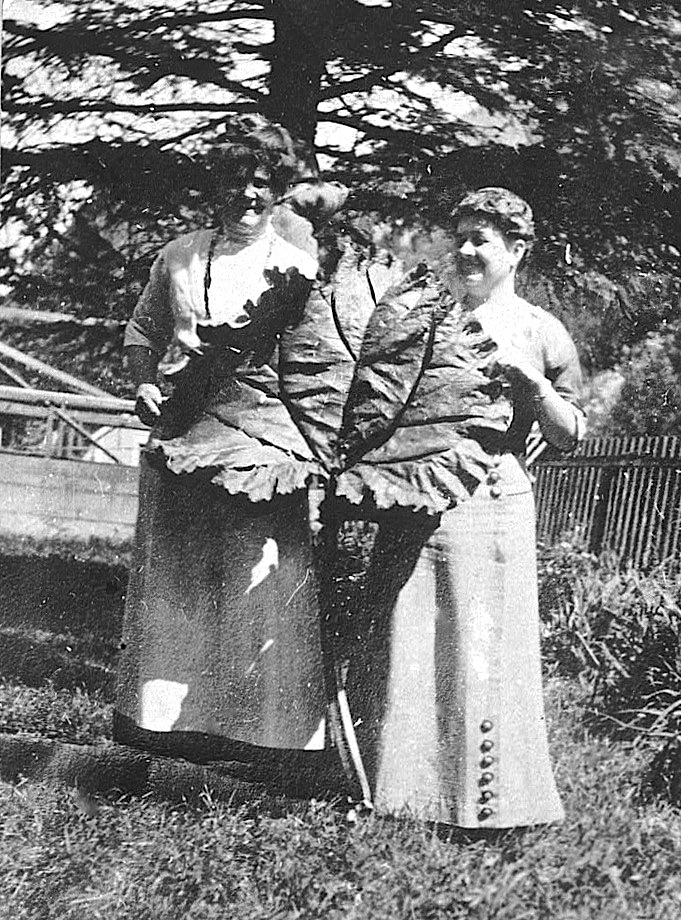
Rhubarb in Alaska, ca. 1910, Library of Congress
The leaves are toxic.

Rhubarb stalk in southeastern Alaska,” ca. 1900 and ca. 1925, Frank and Frances Carpenter collection, via Library of Congress Prints and Photographs Division.

Rhubarb is a very popular garden plant in Alaska. “That’s because the few long days of summer sun there help rhubarb grow to five feet or more,” according to The Plate.

Want to know more?  Check out Rhubarb or BUST, a blog all about growing rhubarb in Alaska.

Celebrate bitter things
after long winter
rhubarbs’ red green stalks
and partial sun. . .

—  Sheila Packa, from “Rhubarb

*Renae Wall, from “What’s not to love about rhubarb,” Peninsula Clarion.
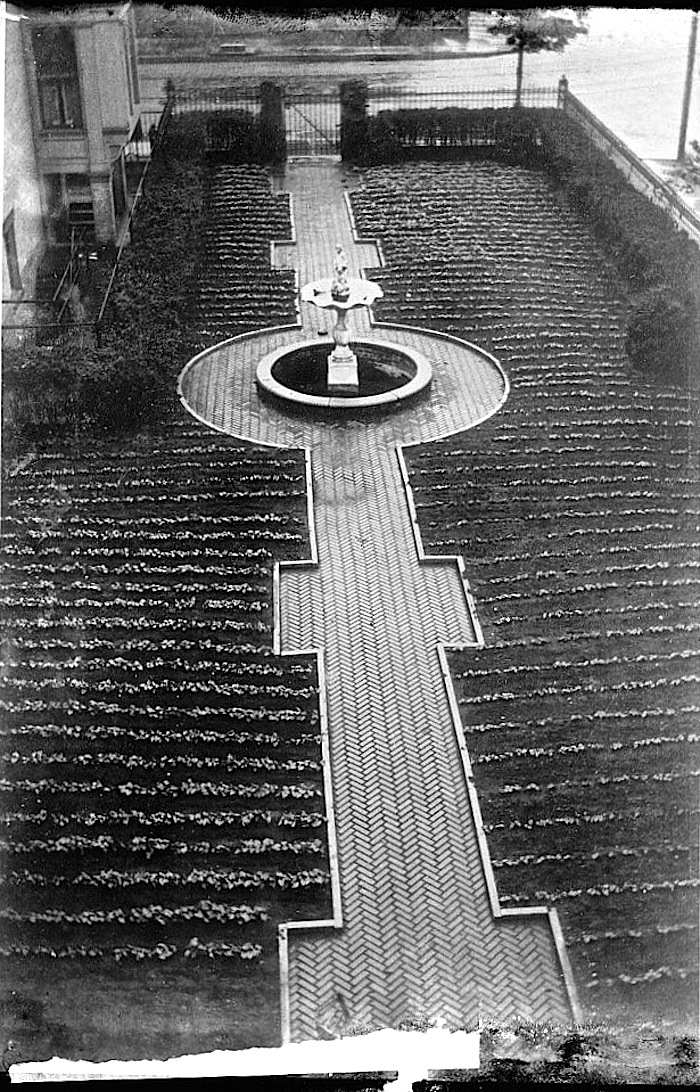
Vintage landscape: repurposed

Formal victory garden, ca. 1918, Library of Congress

World War I victory garden in a formal setting, location unknown,* ca. 1917 – ca. 1920, by Harris & Ewing, via Library of Congress Prints and Photographs Division.

The photo seems to have been taken for the National War Garden Commission, also known as the National Emergency Food Garden Commission.

The organization was created in early 1917 by Charles Lathrop Pack.  It sponsored a campaign of pamphlets, posters, and press releases aimed at “arous[ing] the patriots of America to the importance of putting all idle land to work, to teach them how to do it, and to educate them to conserve by canning and drying all food that they could not use while fresh.”

Like it or not, what you do with the land around your house tells the world what sort of citizen you are.

Abby Adams, The Gardener’s Gripe Book

*Harris & Ewing was located in Washington, D.C.

The Sunday porch: postcard

The Sunday porch:enclos*ure, from the Post card collection of Miami Univerisity“Sitting on the Porch,” a postcard from ca. 1900, location and photographer unknown, via Miami University Libraries Commons on flickr.

(Click on the photo for a better look.)

The Bowden Postcard Collection of Miami University in Oxford, Ohio, holds over 480,000 postcards from nearly everywhere in the early 20th century world.

This image is not very seasonal, I must admit.  Here in Stuttgart, we woke up this morning to a light covering of snow.

Children picking up our bones
Will never know that these were once
As quick as foxes on the hill. . .

And least will guess that with our bones
We left much more, left what still is
The look of things, left what we felt

At what we saw. . . .

Wallace Stevens, from “A Postcard from the Volcano

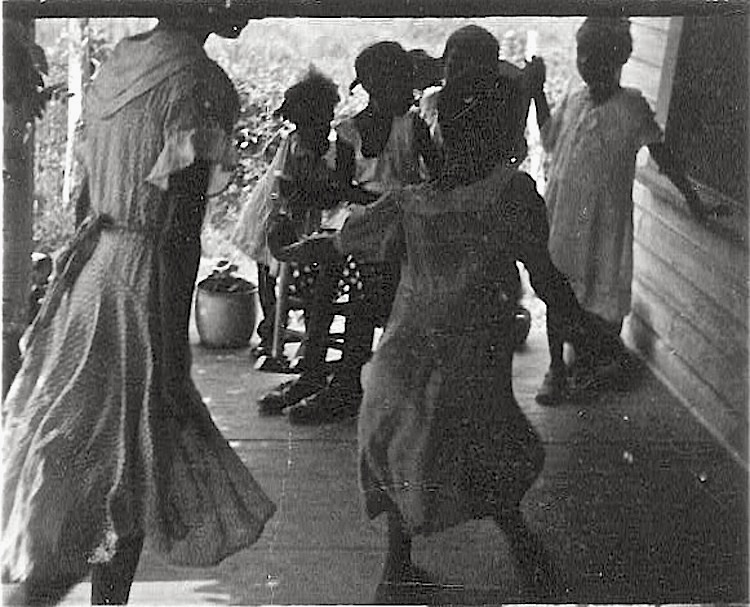
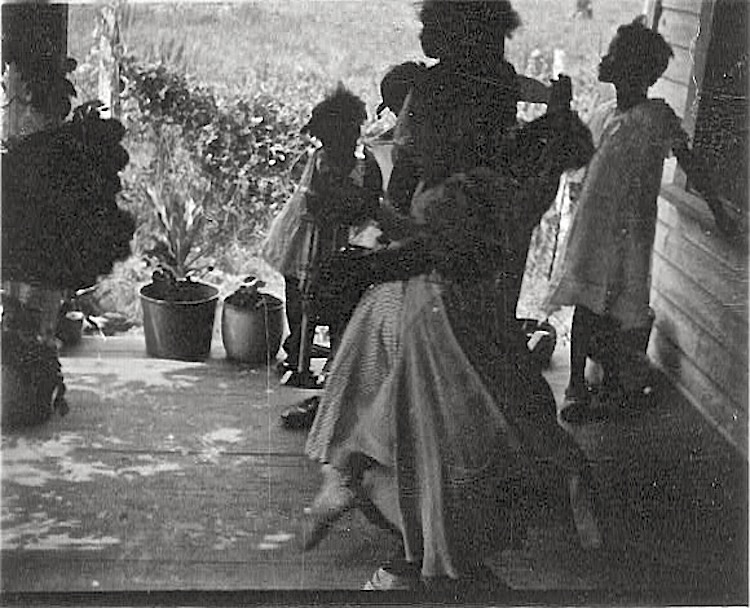
The Sunday porch: dance floor

notes of an old music pace the air. . .*

Woman and children dancing, 1935, Lomax Collection via Library of Congress
“Women and children on a porch,” in Georgia, Florida, or the Bahamas, 1935, from the Lomax Collection in the Library of Congress.

Woman and children dancing, 1935, Lomax Collection via Library of Congress

The snapshot photographs of the Collection document the expeditions by John Avery Lomax, Ruby Terrill Lomax, and Alan Lomax —  in the 1930s and 40s — to record and preserve the folk music and folklore of the southern United States and the Bahamas for the Library of Congress.


*From “A Poem Beginning with a Line by Pindar” by Robert Duncan.

Wordless Wednesday: local color

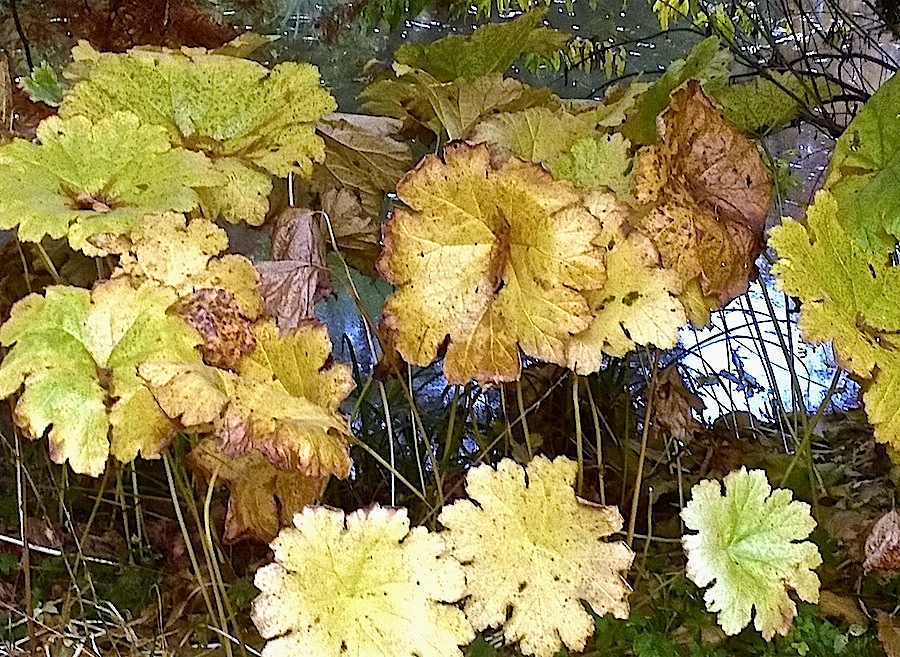
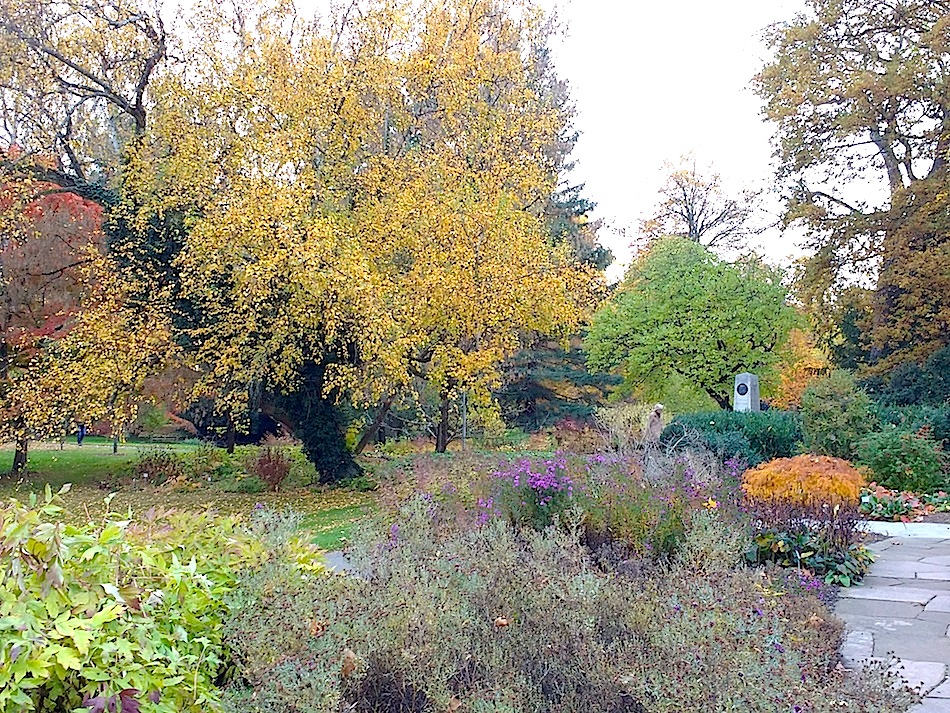
22Hohenheim botanical garden, Nov. 1,enclos*ure

The Botanical Garden of the University of Hohenheim — once the 18th century “English Garden” of Hohenheim Palace — in Stuttgart, on November 1.

The Hohenheim Palace botanical gardens, November 1, 2015, by enclos*ure

The Hohenheim Palace botanical gardens, November 1, 2015, by enclos*ure
Click on any thumbnail in the gallery below.