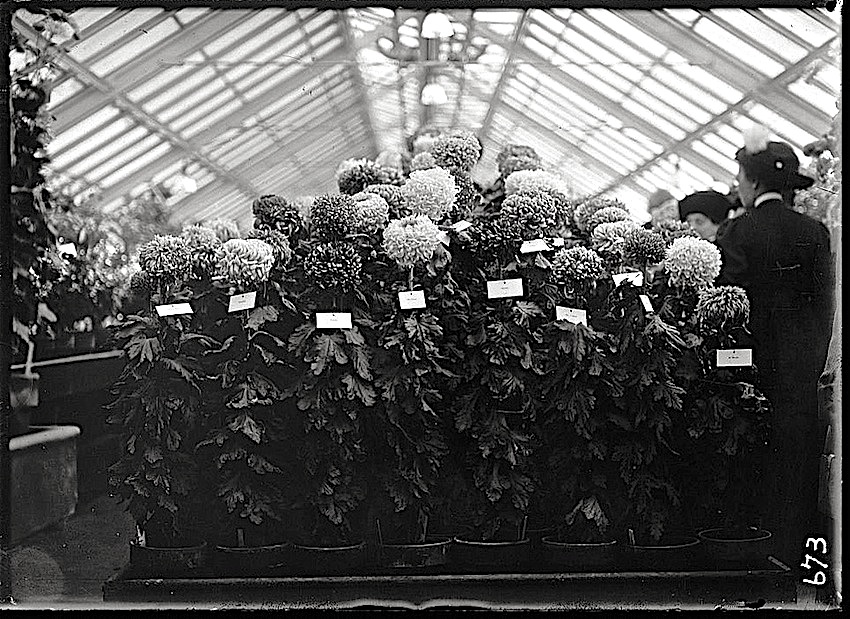
A show of mums

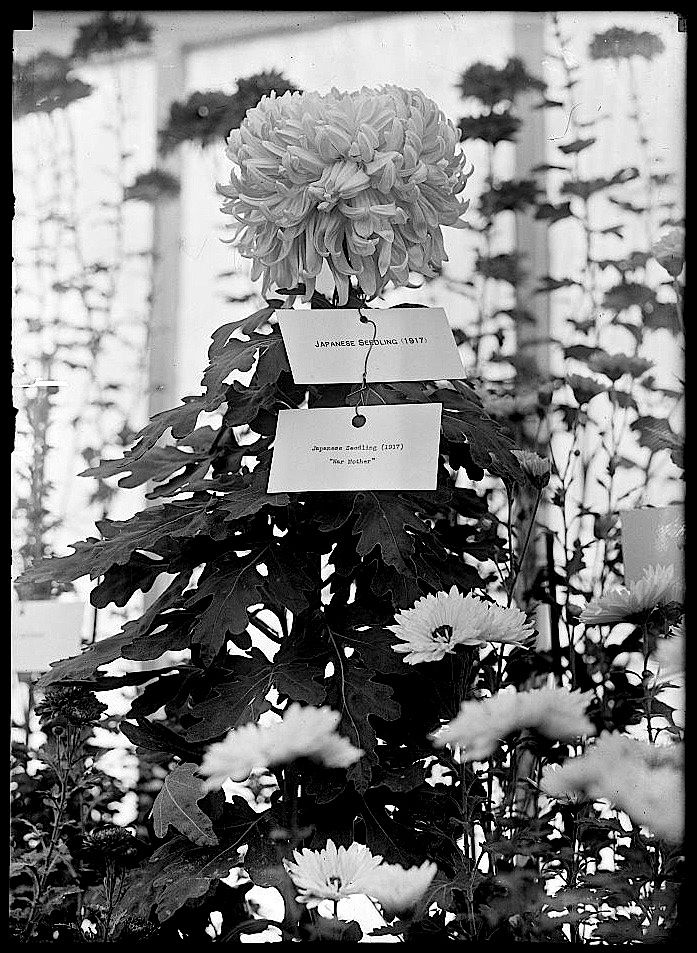
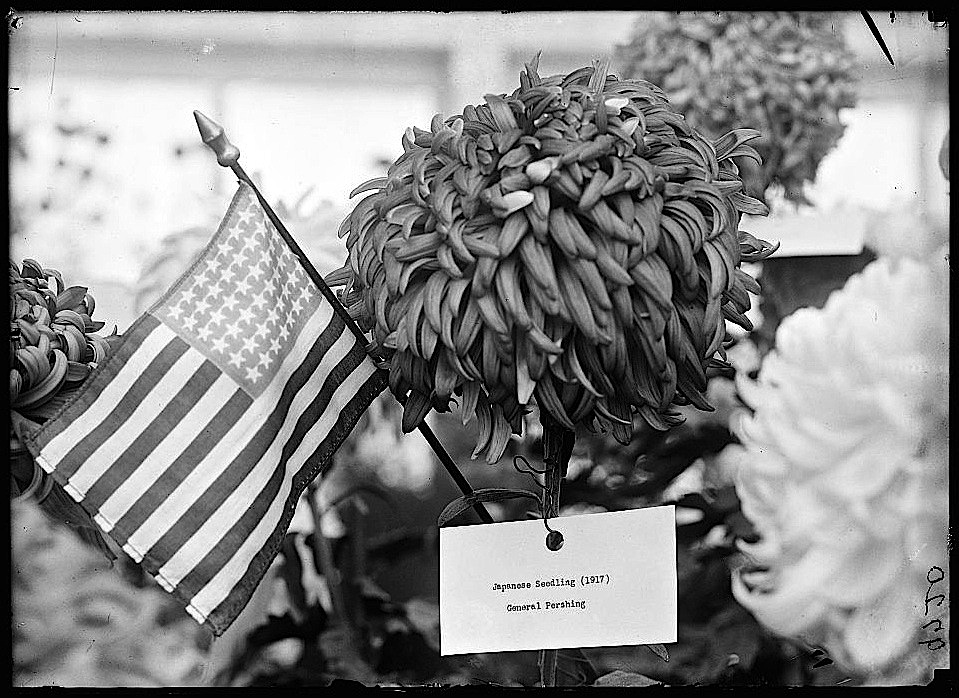
The Library of Congress labels this photo “Agriculture Department Dahlia Show,” 1911, but I’m sure it’s from the USDA’s annual Chrysanthemum show, which was held in one of the Department’s greenhouses in Washington, D.C.
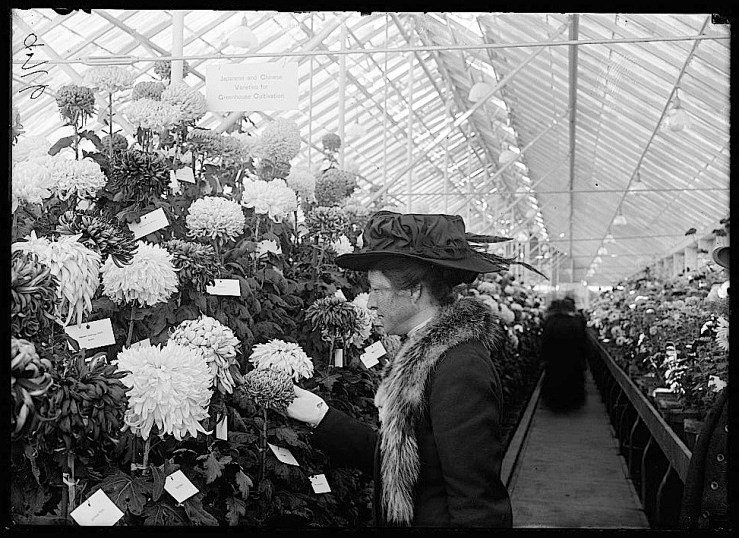
The show in 1917.

The first of the annual exhibitions opened in October of 1902. I haven’t been able to find out anything more about them, but they were still being held in 1937.
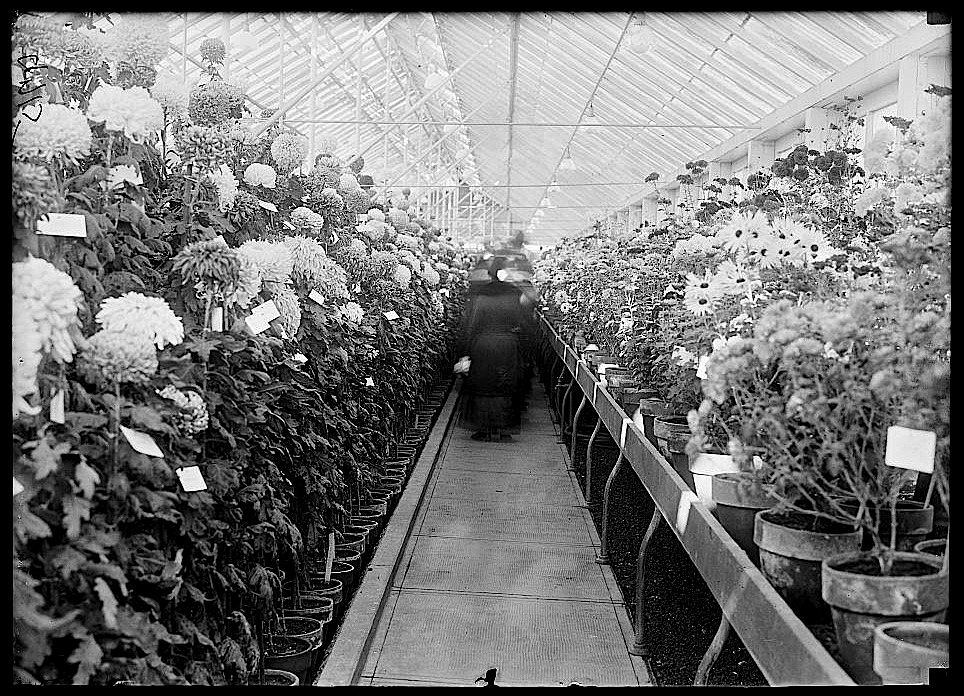
In 1917.

All the photos here are by Harris & Ewing, via Library of Congress Prints and Photographs Division.
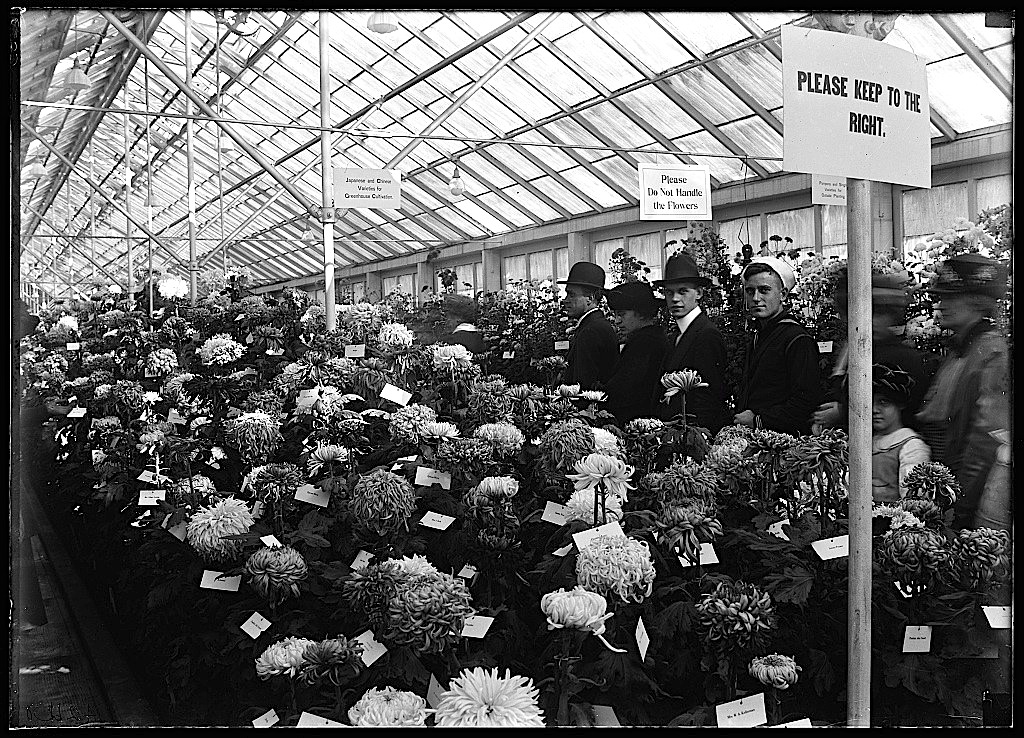
Between 1915 and 1923.
In 1917.
Also 1917.

My advice to the women of America is to raise more hell and fewer dahlias.

William Allen White (1868 – 1944)

I’m sure the same applied to mums.
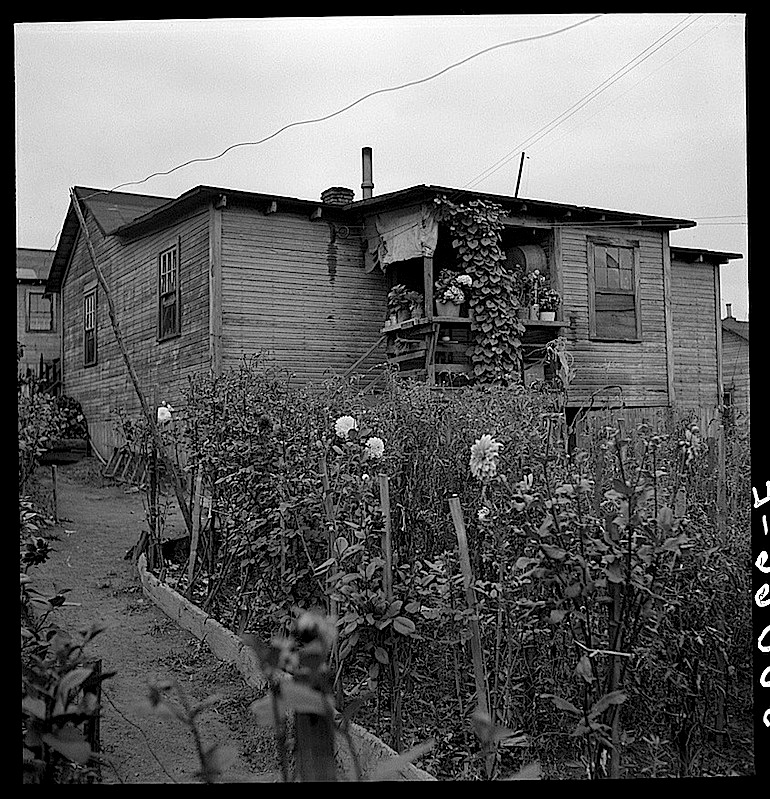
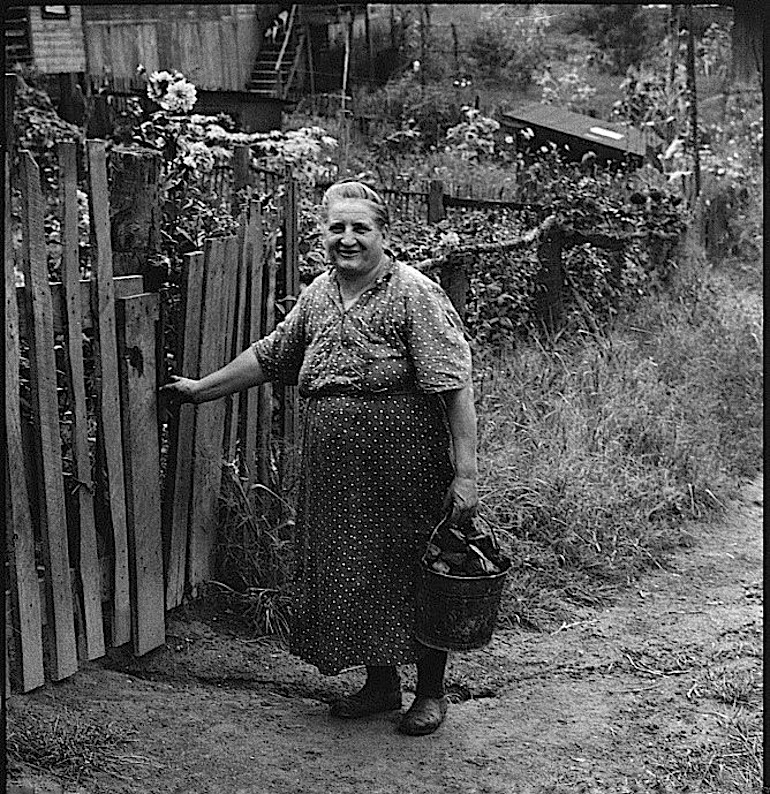
Chaplin, West Virginia

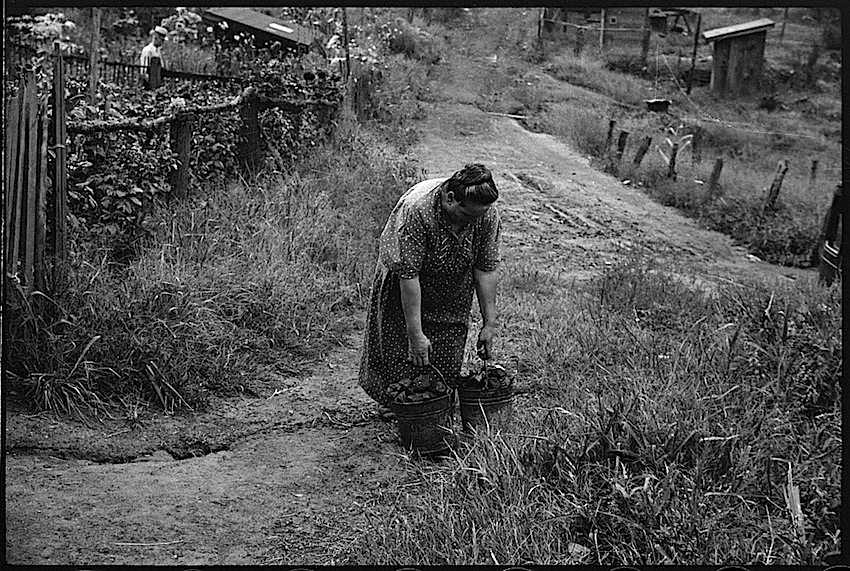
Back garden and porch of Hungarian-American coal miner’s home, Chaplin, West Virginia, September 1938, by Marion Post Wolcott, via Library of Congress Prints and Photographs Division (all three photos).

The miner’s wife and their back gate and fence. (Cropped slightly by me.)

Wolcott was on assignment for the U.S. Farm Security Administration.


Her neighbor — top left, in the straw hat — seems to have had a good flower garden, as well.

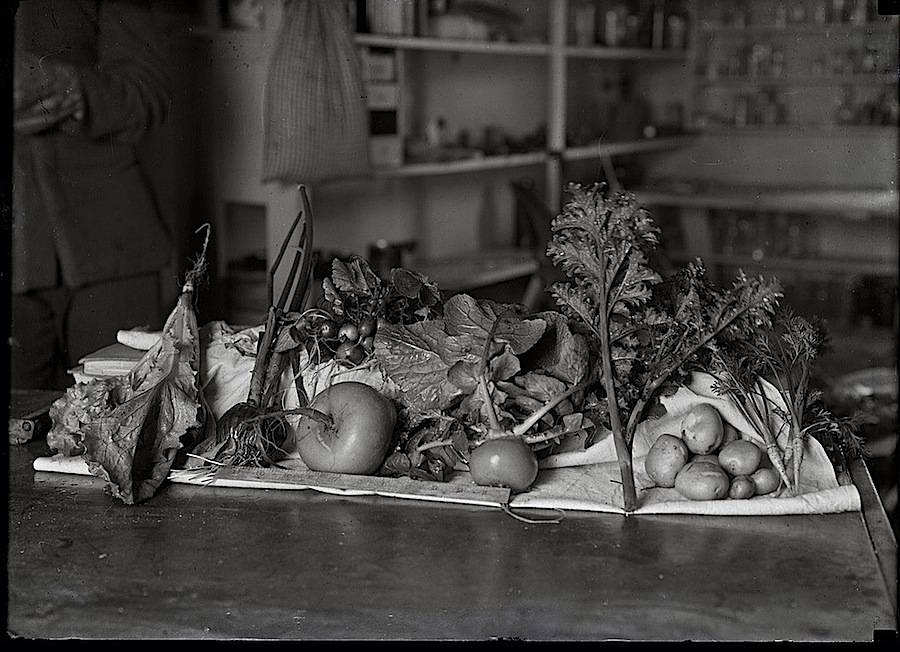
Alaska harvest

Vegetables grown by George Haley, between 1913 and 1921, by Department of Commerce, Bureau of Fisheries, Division of Alaska Fisheries, via The U.S. National Archives Commons on flickr.

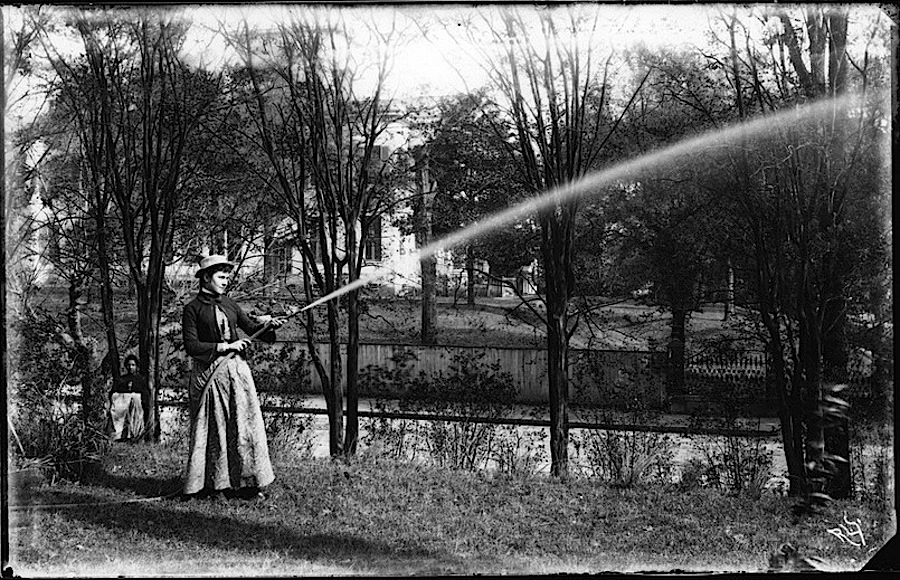
Natchez, Mississippi

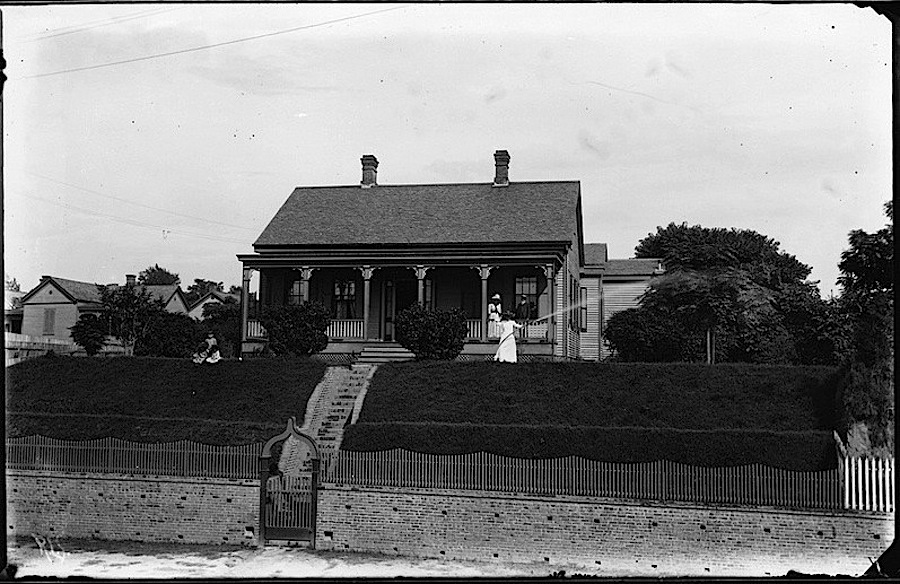
Myrtle Bank terrace, Natchez, Mississippi, ca. 1900, from the Stewart Photograph Collection,* via Mississippi Department of Archives and History Commons on flickr (both photos).

The two houses shown here are about two blocks from each other, both on N. Pearl Street.

Major Benbrook residence, corner with B Street, ca. 1895, also from the Stewart Collection.

The neighborhood evidently had good water pressure. Both houses still stand.

In ancient Greece, the first hoses (for fire fighting) were made from ox intestines. In the late 17th century, Jan van der Heiden and his son sewed leather into long tubes for Amsterdam’s fire department. Then, in 1821 Boston, James Boyd invented a rubber-lined, cotton-webbed hose. By the 1870s, the first rubber and cotton fiber hoses for gardeners appeared on the market.

In 1895, a garden hose was the subject of what is believed to be the first comedy film, L’Arroseur Arroséby Louis Lumière. You can see it here.


*By brothers Robert Livingston Stewart and William Percy Stewart of Natchez, Mississippi, from ca. 1890 to ca. 1905.

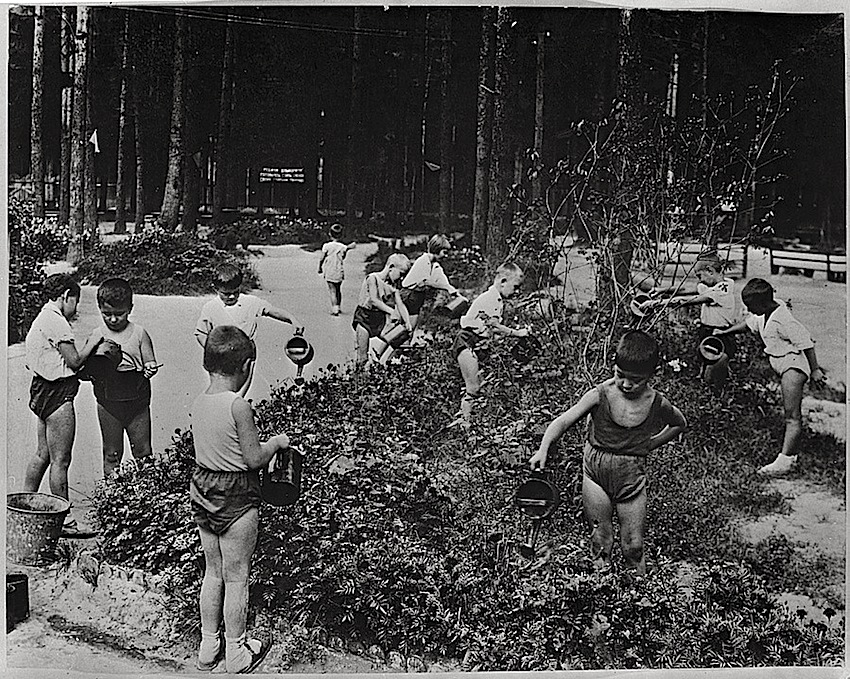
USSR

children-in-park-1930s-soviet-union-library-of-congressPreschool children watering flowers in the Soviet Union, between 1930 and 1940, National Council of American-Soviet Friendship, via Library of Congress Prints and Photographs Division.