The heirloom garden

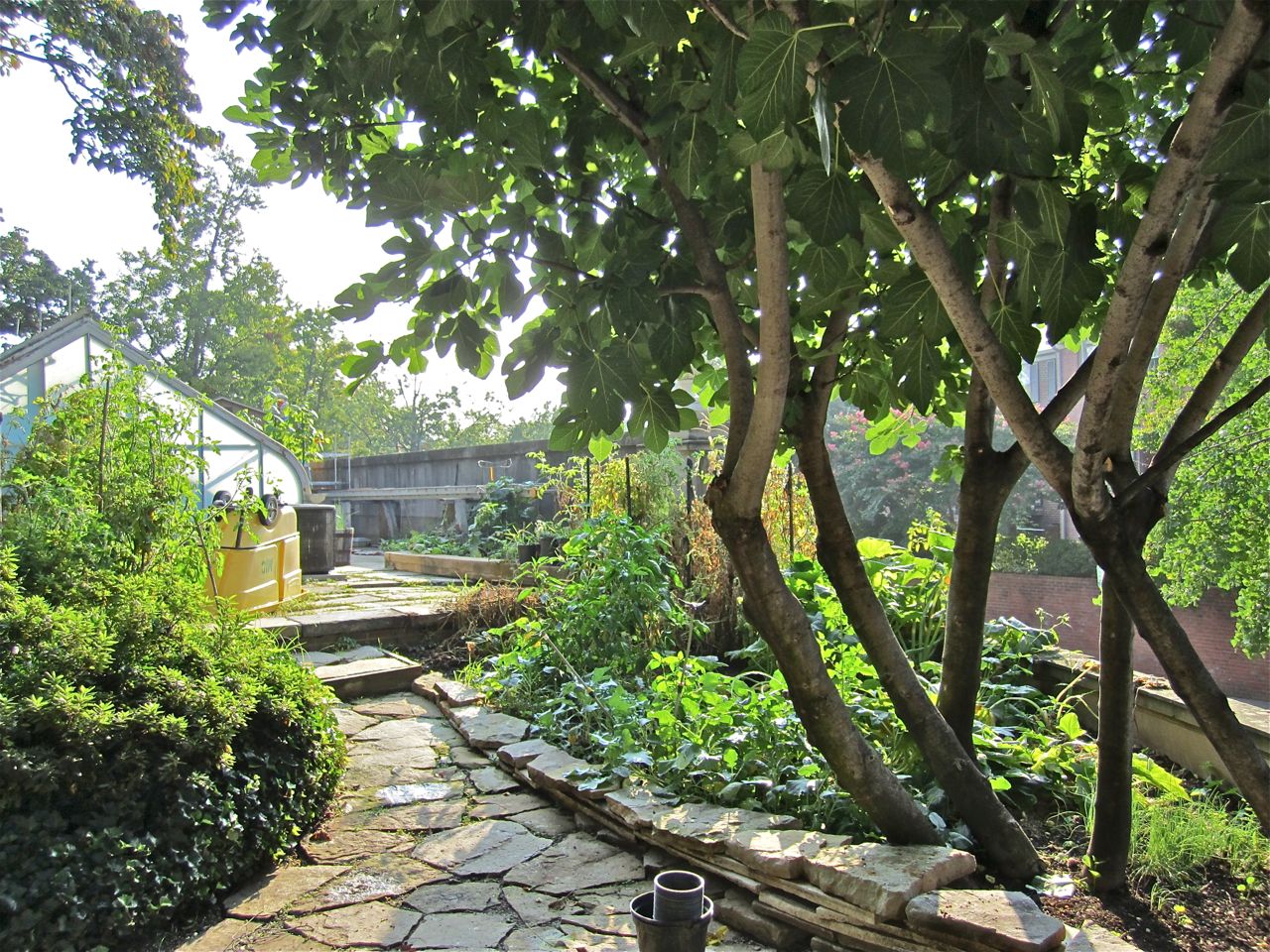
On a hot day in early August, I visited the Heirloom Garden of the National Museum of American History* and took a lot of photos,  but because of our move, I never had time to post them.  Now that it is seed-ordering time in the U.S., I thought they might be inspirational.

(Click on any image above to scroll through larger photos.)

The garden — huge, raised planters, all the way around the museum building — contains a mix of open-pollinated plants cultivated in America prior to 1950 (heirlooms). The plantings are anchored by crape myrtles and a variety of shrubs.

The colorful annuals, perennials, bulbs, and herbs are all so familiar, but  the combinations are often surprising.  It’s a splendid ode to the flower gardens of our grandparents.

The museum pipes in a selection of American music from speakers set in the planters (in fake rocks).  Normally, I would find this annoying, but in the already noisy, wide open site, it actually drew me in to the garden and enhanced the experience.  And their selection is excellent — folk, jazz, blues, musicals.  The planters are raised about 3′, which also helps the plants compete for attention in the immense space.

By late summer, the flowers were being allowed to grow a little leggy and fade naturally, which added to the various forms and tones of the groupings.


*The Smithsonian Institution on the National Mall in Washington, D.C., has eight beautiful gardens (ten if you count the inner courtyards of the Freer Gallery and Museum of American Art).

Soon to be out of Africa

Honestly, I think I’ve had about all the luch I can take. Moving is tough.

We’re off to Rwanda at the end of this week, so enclos*ure will be on a little break — I hope not for too long.

Please check in with me from time to time. I’ll also be watching for any new comments and checking my Blotanical page.

Thanks to everyone who’s been following this blog since I started in June. I really appreciate your interest. I look forward to being back with you soon.

Faithful and true ground

Is anything more poignant than an old graveyard?

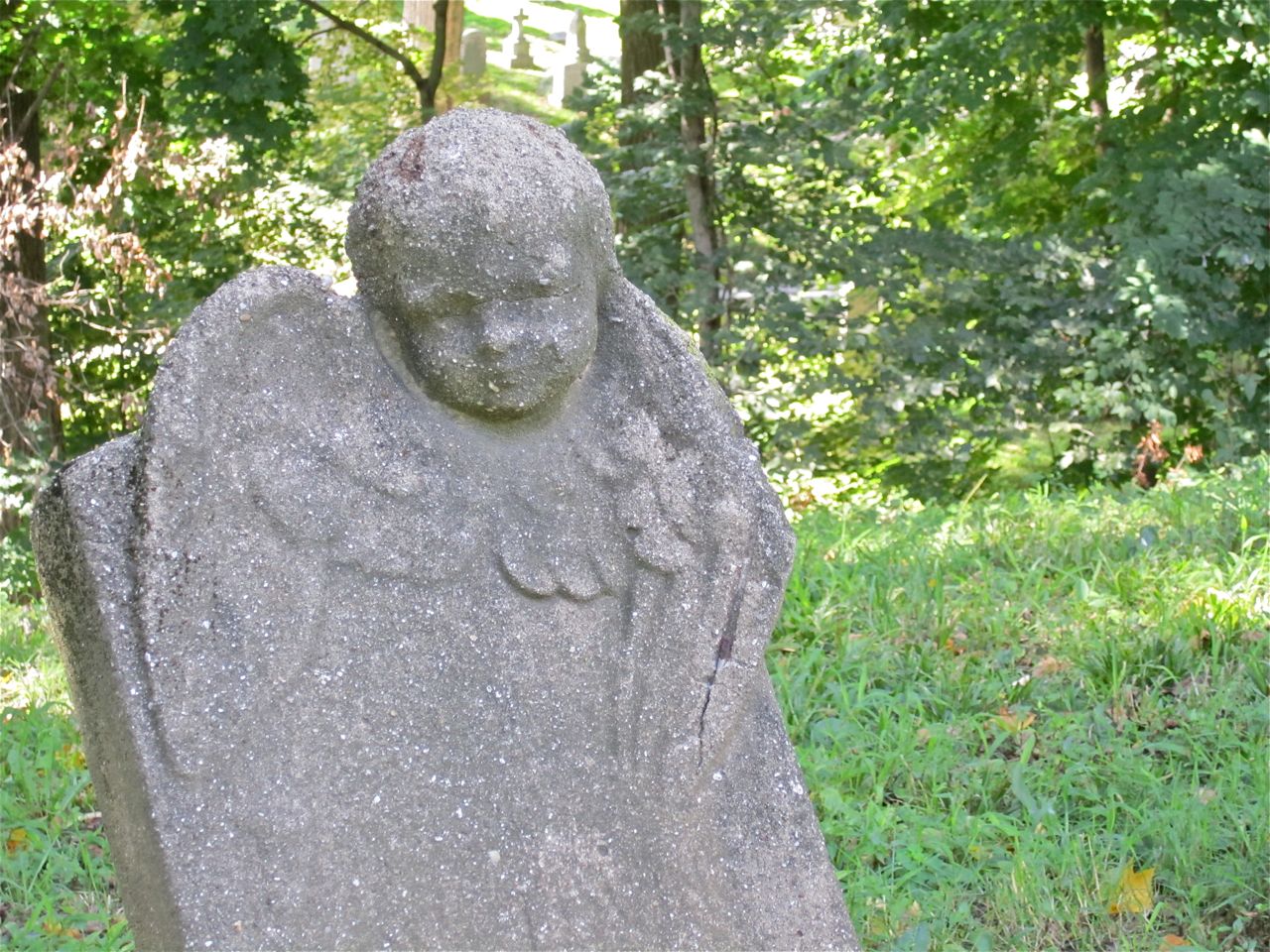
An angel headstone, the words have faded.
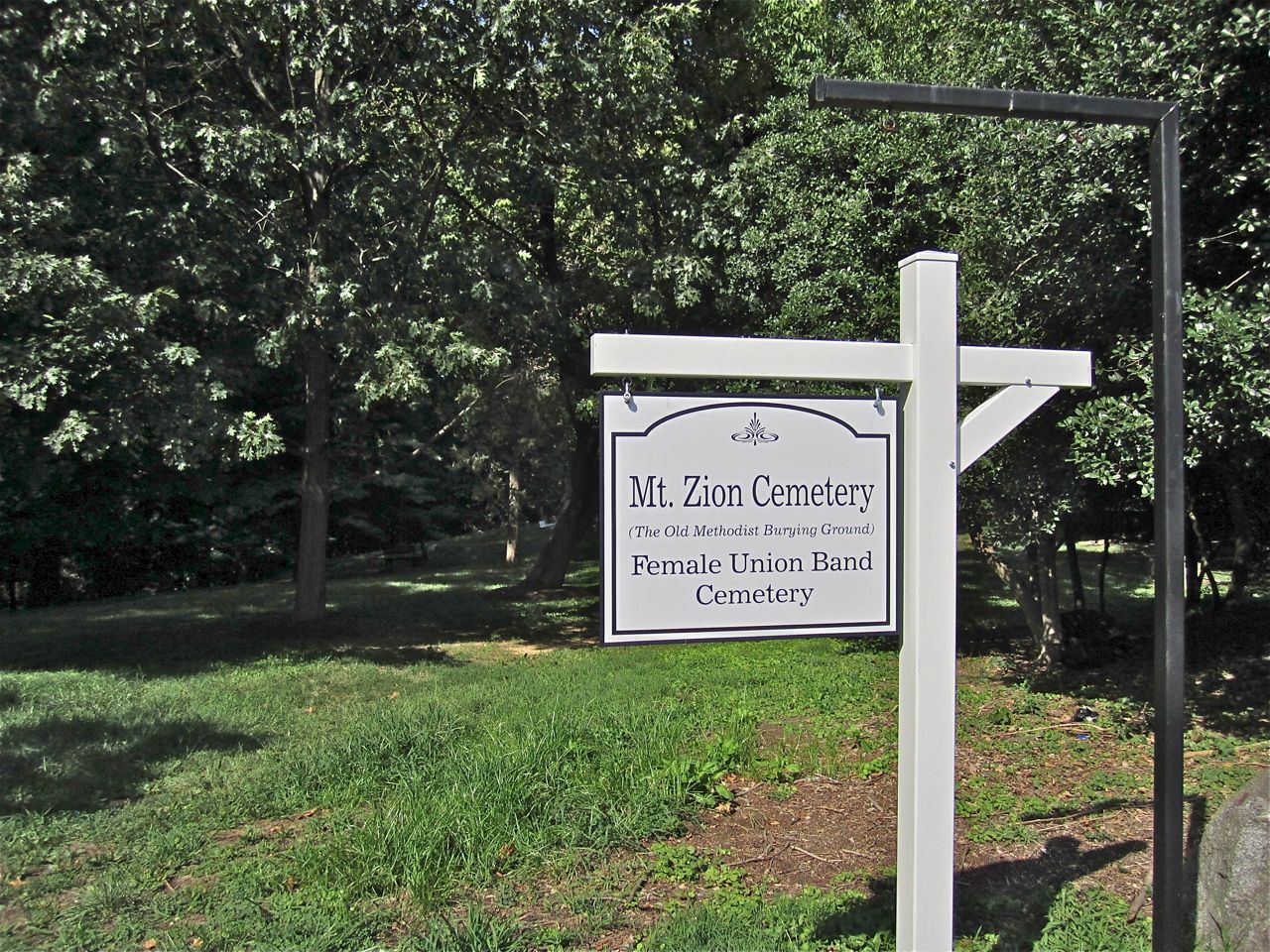
Mt. Zion Cemetery.  Click the photos to enlarge.

Mt. Zion Cemetery is tucked behind the apartment buildings and townhouses of the 2500 block of Q Street, NW, at the edge of Georgetown.  I often pass it on my bus ride home. On Wednesday, as I was walking home after the earthquake, I stopped to take a closer look.

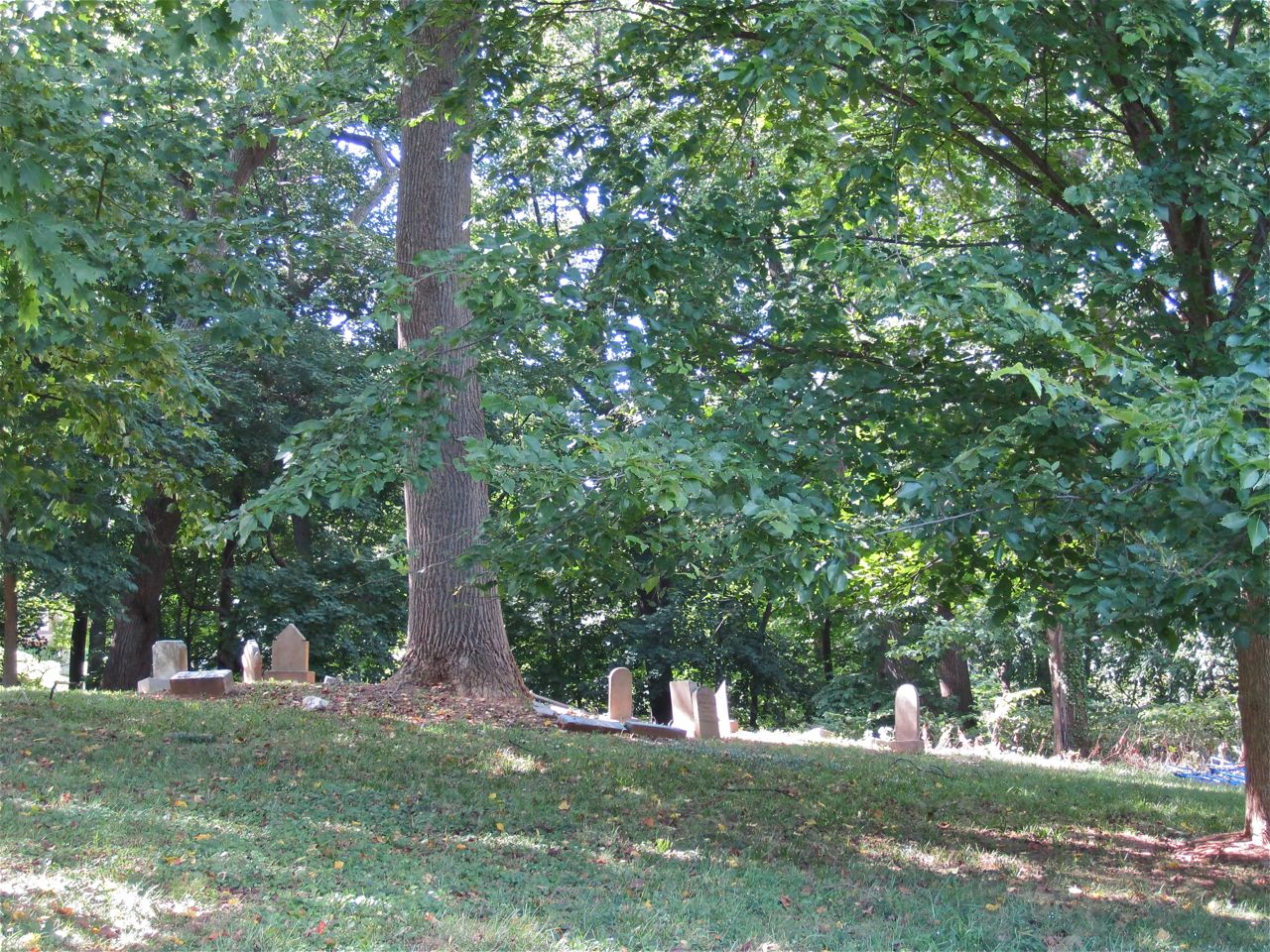
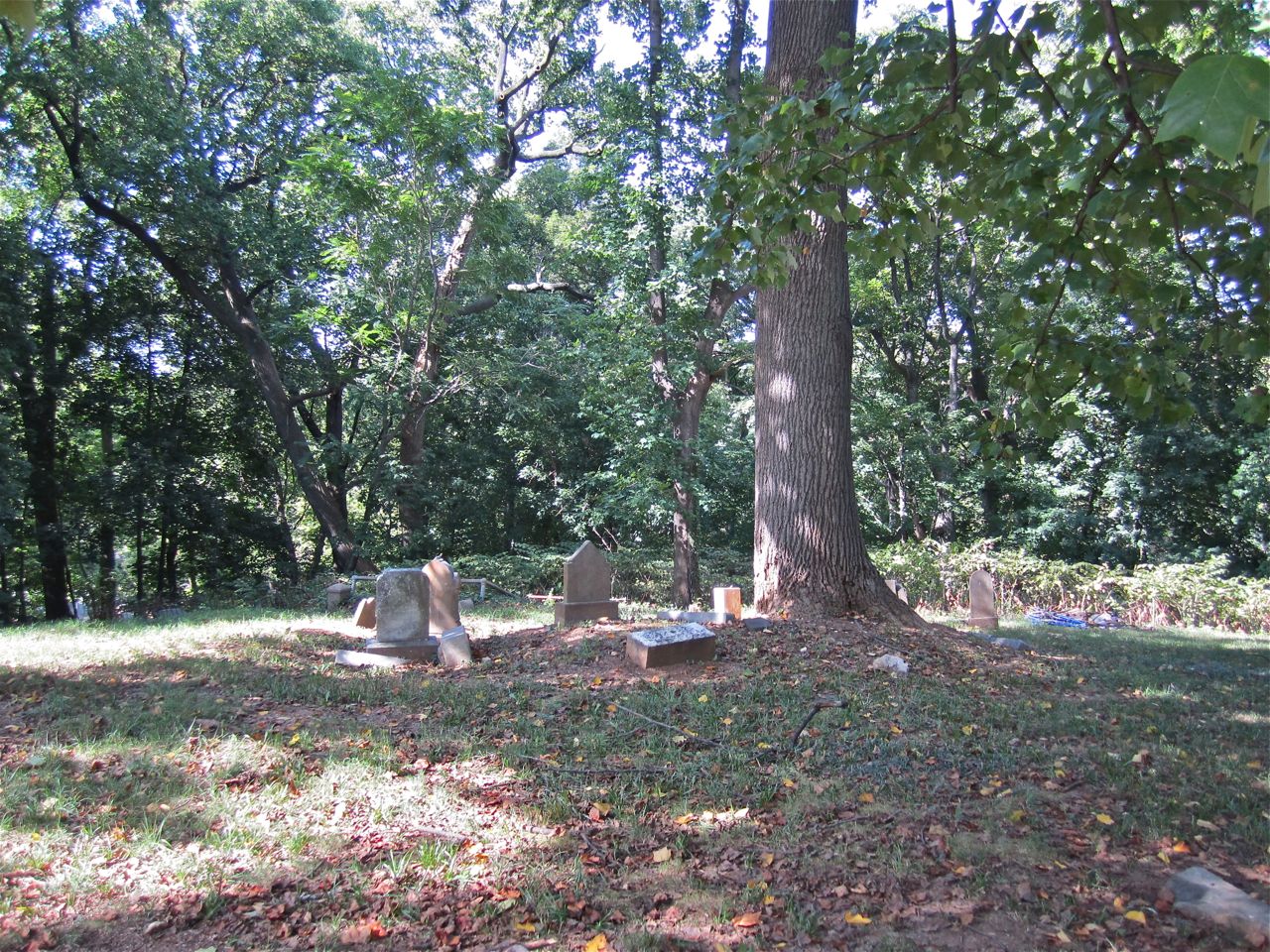
A group of headstones at Mt Zion.
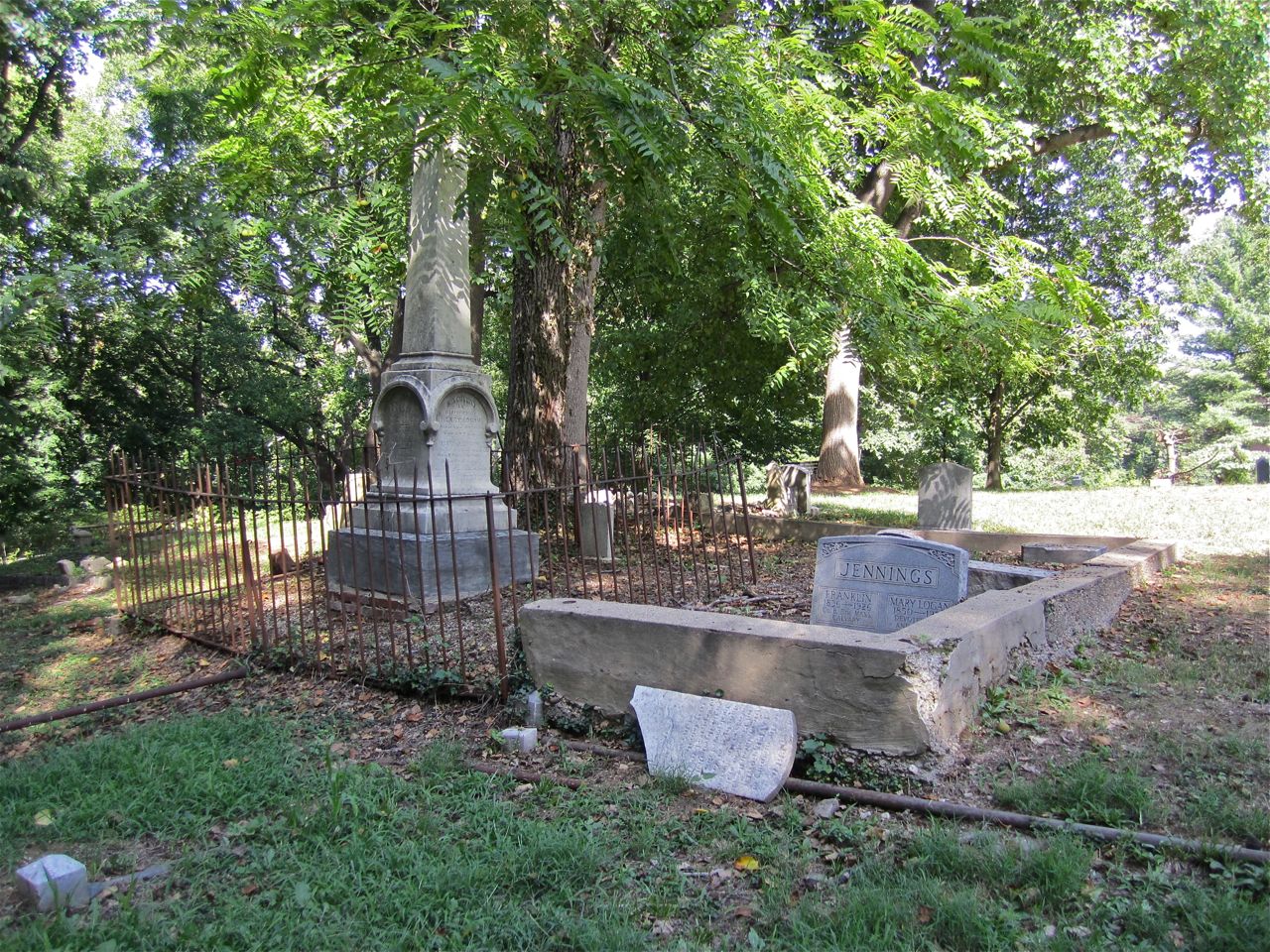
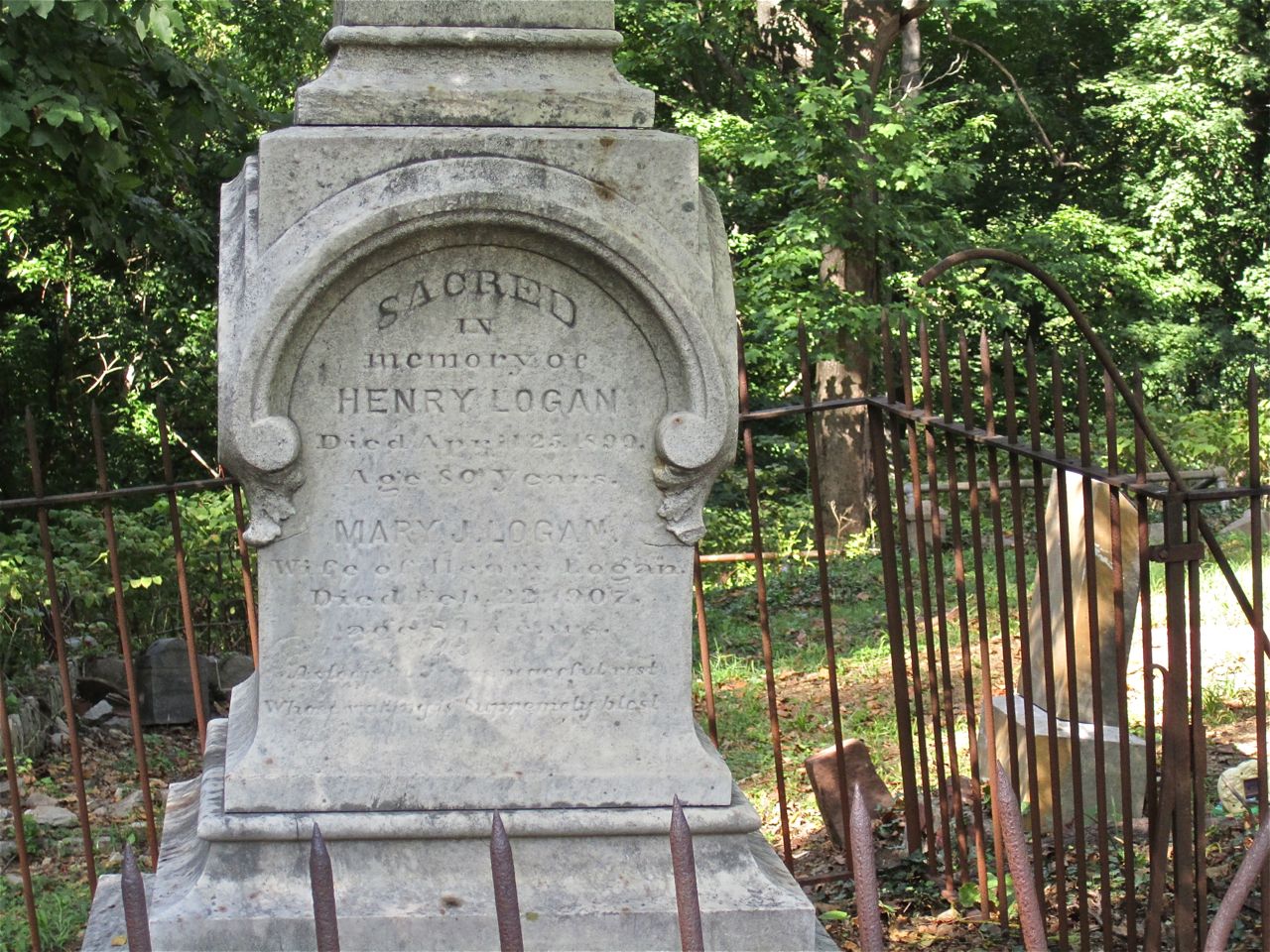
A family enclosure.
The Logans were a prominent Black Washington family.

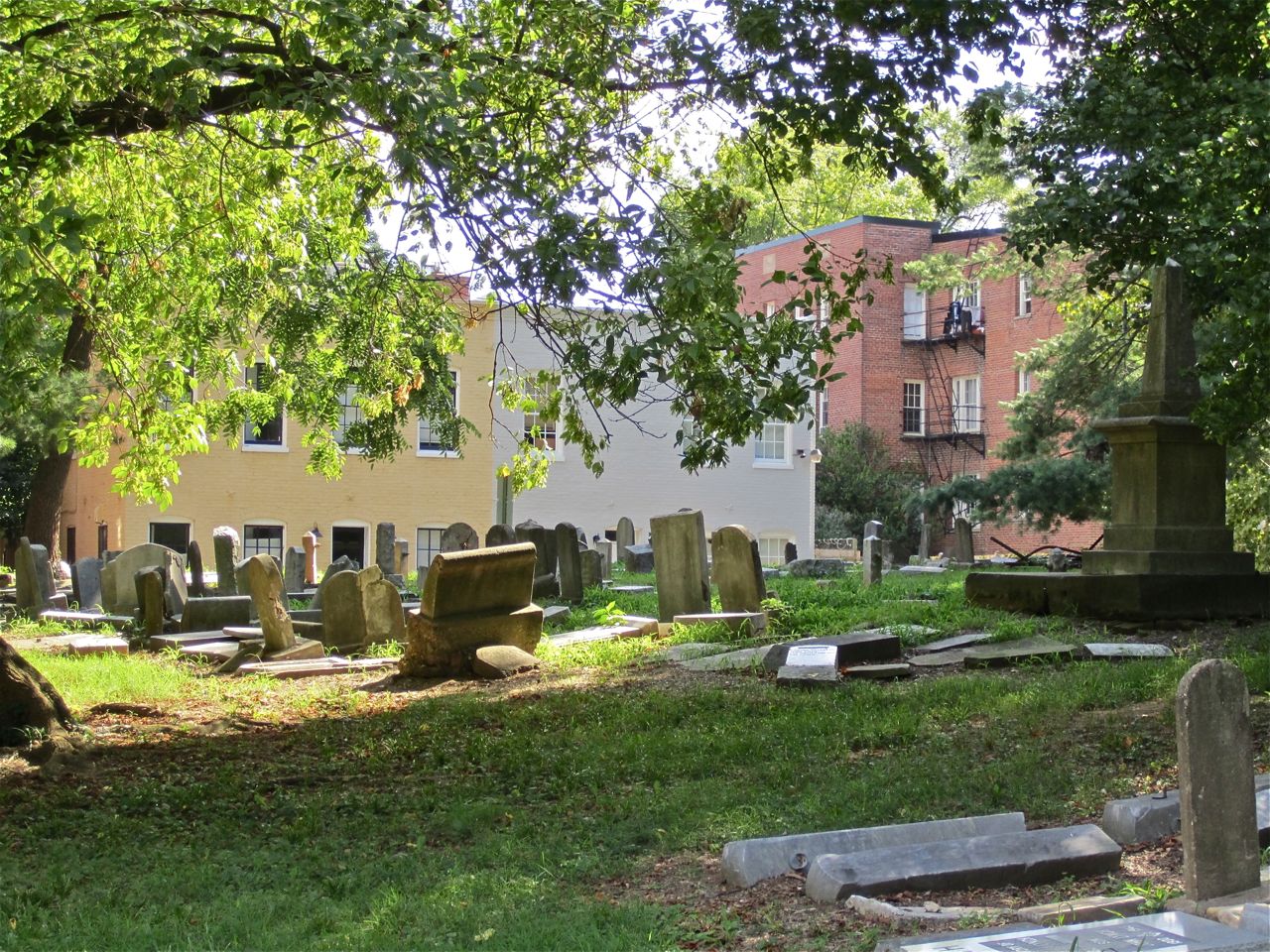
The burial ground covers about 3 acres.   Many of the headstones have fallen or have been moved over time and are now consolidated into a few groupings.  The grass is neatly cut and trimmed around the stones, but there are no flowers or other plantings.   The woods of the Rock Creek Park trail surround the cemetery to the north and east.

What I suspected as I looked around — later confirmed by some online research — was that Mt. Zion was an old African-American cemetery, a reminder of the time (from the 1700s until the 1950s) when Georgetown had a large Black population.

A group of tombstones overlooked by townhouses on Q Street.
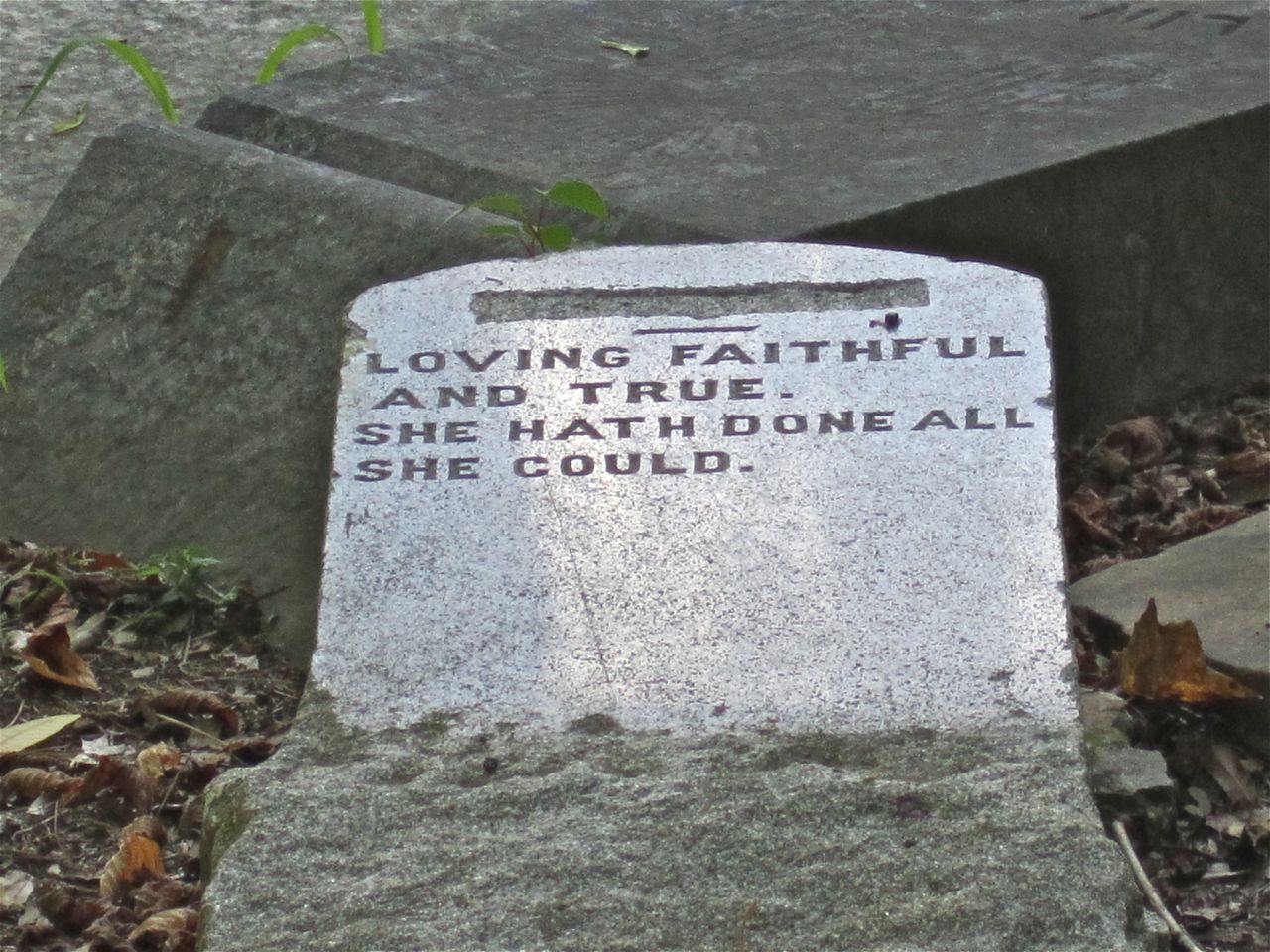
A woman’s headstone.
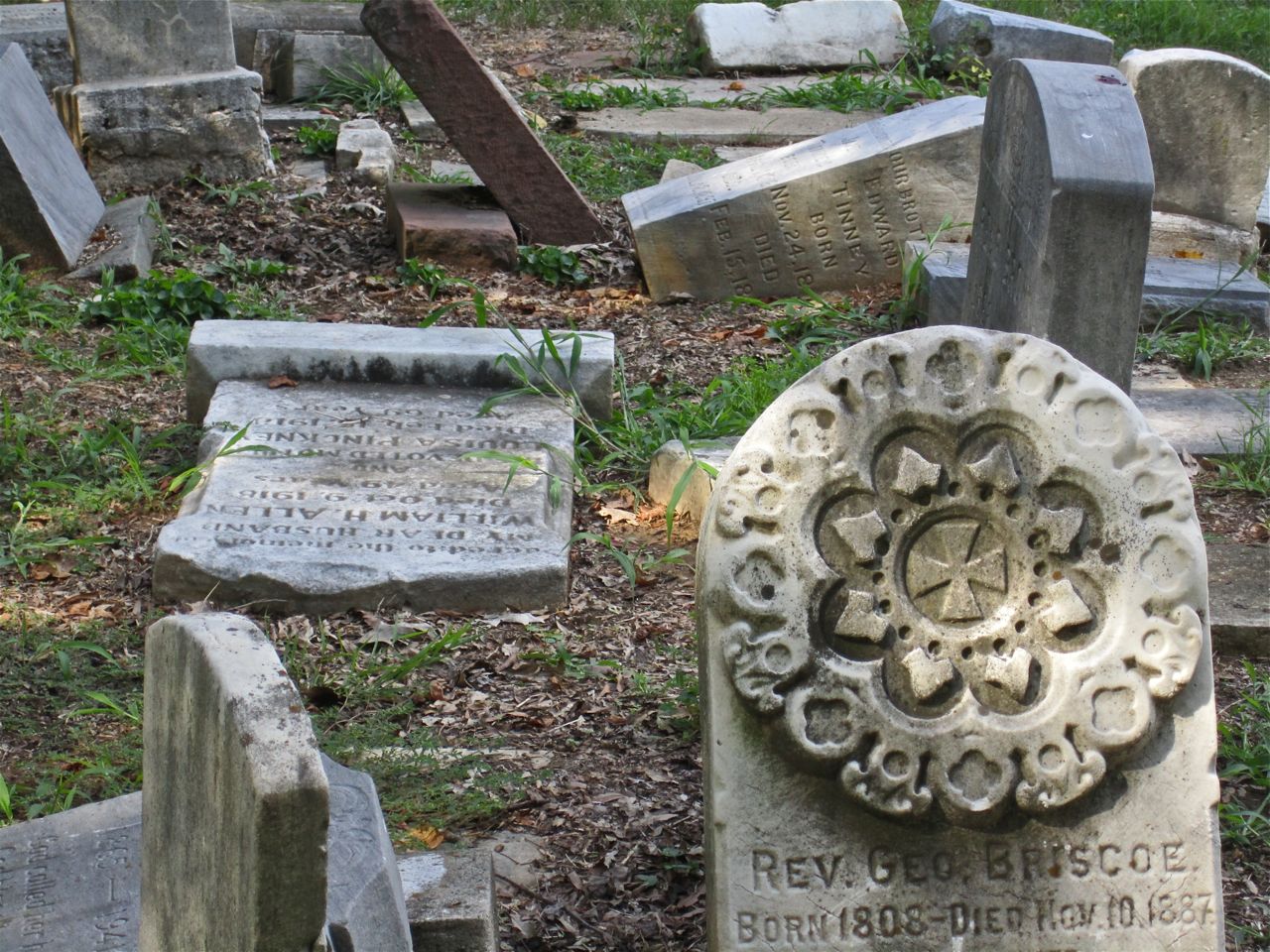
Nineteenth and early twentieth century headstones.
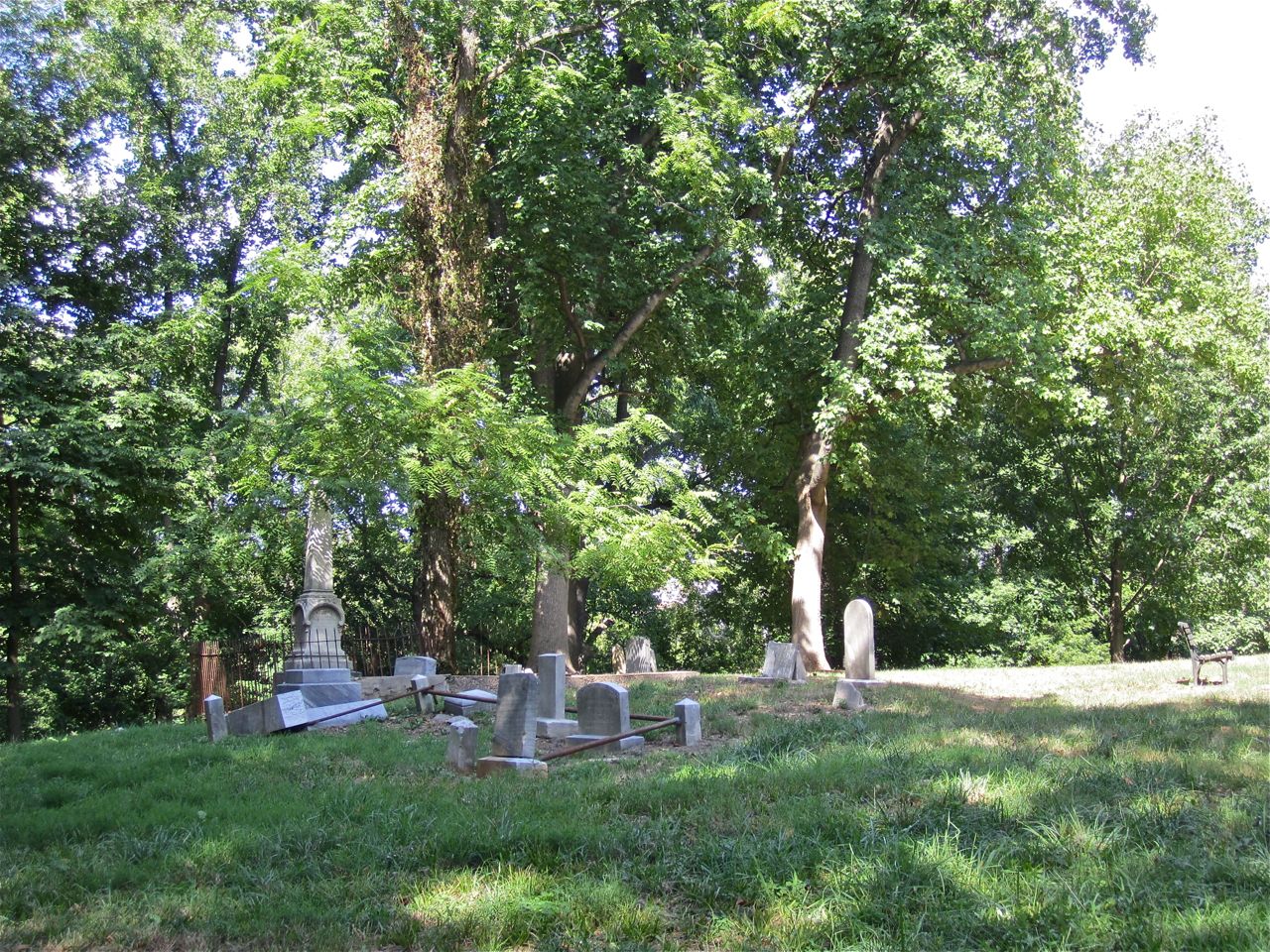
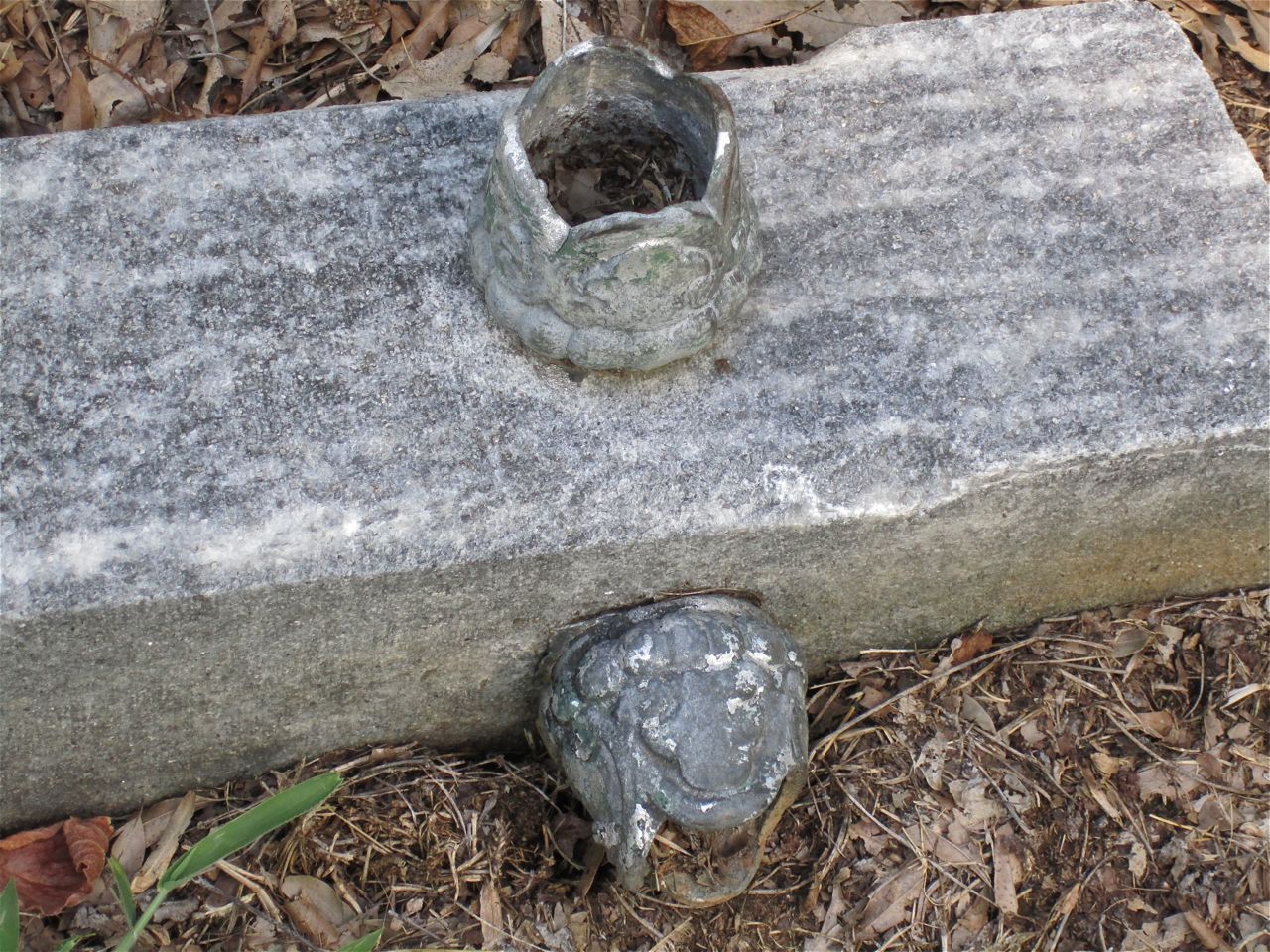
A stone pillar once stood upright and held the railings around a family’s graves.
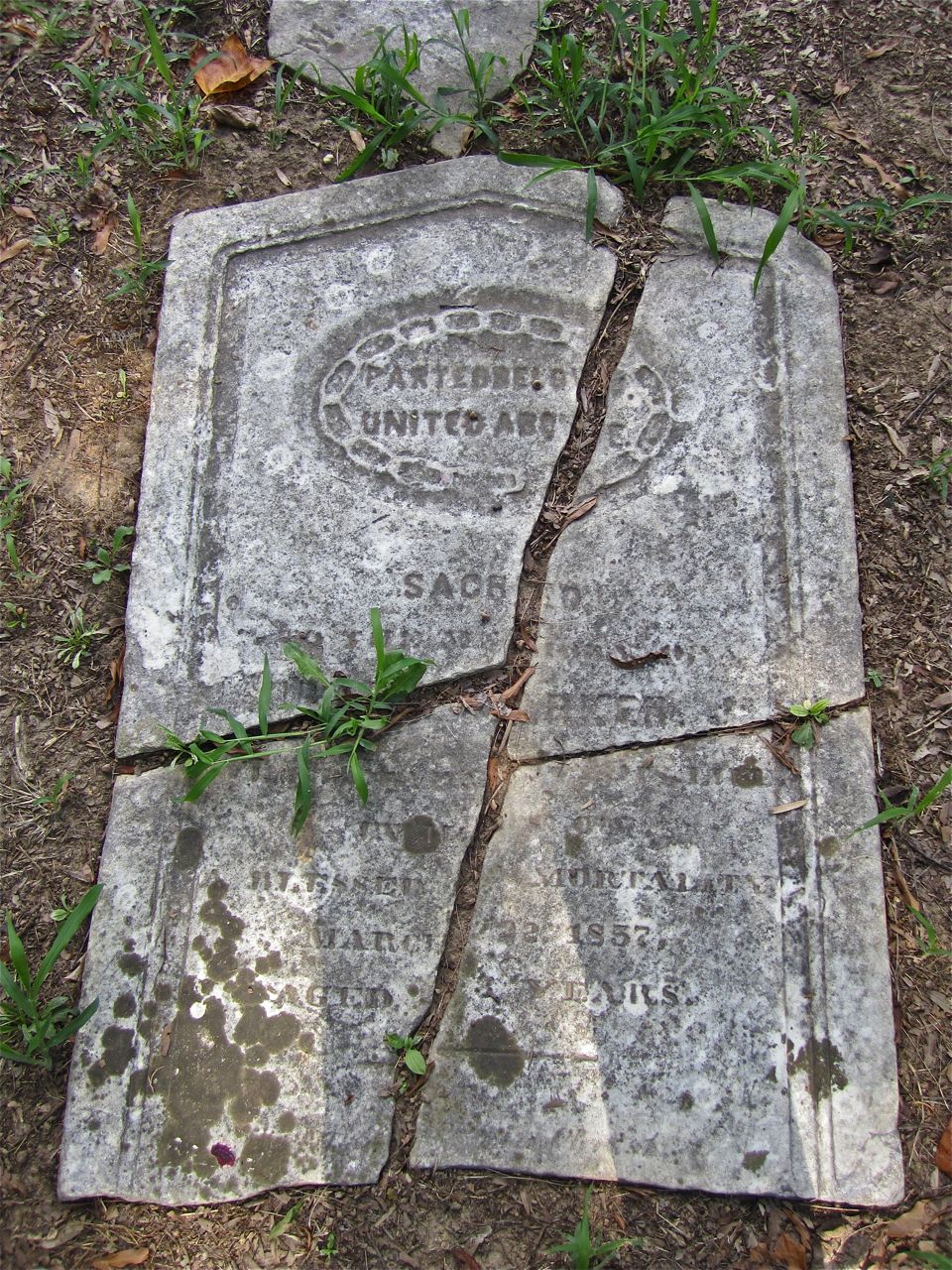
A broken headstone from the 1850s on the ground.
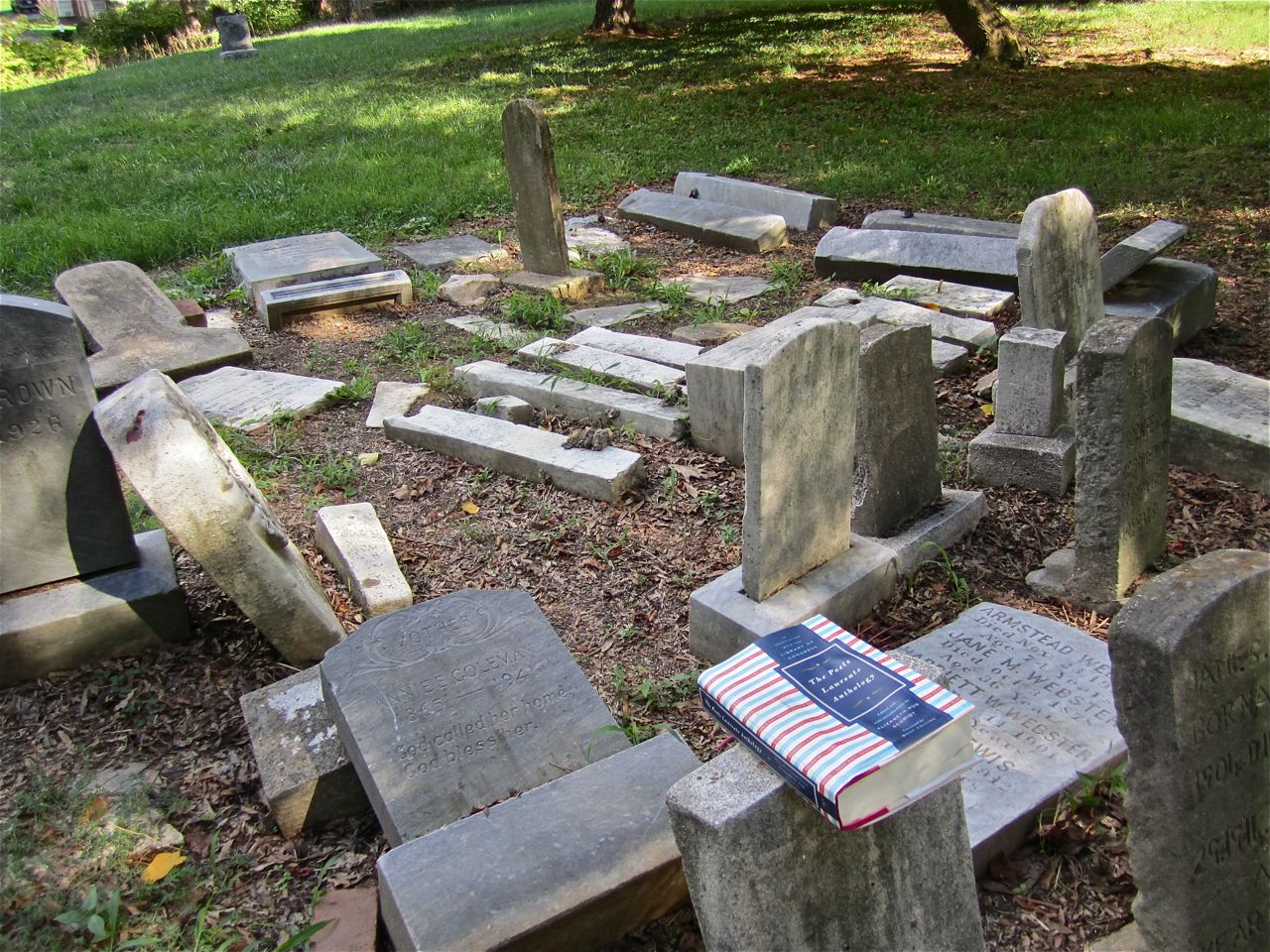
Someone has left behind a book of poetry.

Beginning in 1809, the cemetery’s western side was used by the Mongomery Street Church for the burials of its white members and their slaves, as well as of free African-American members.  It was known as the Old Methodist Burying Ground, and its largest monument marks the graves of the white Beck and Doughty families.  It was a biracial cemetery for a biracial (but not equal status) church while slaves were still being sold in Georgetown.

Old Methodist fell into disuse after Oak Hill Cemetery, located just to the west and north, was founded in 1849.  In 1879, the plot was leased for 99 years by Mt. Zion Methodist Church, the oldest African-American church in Washington.

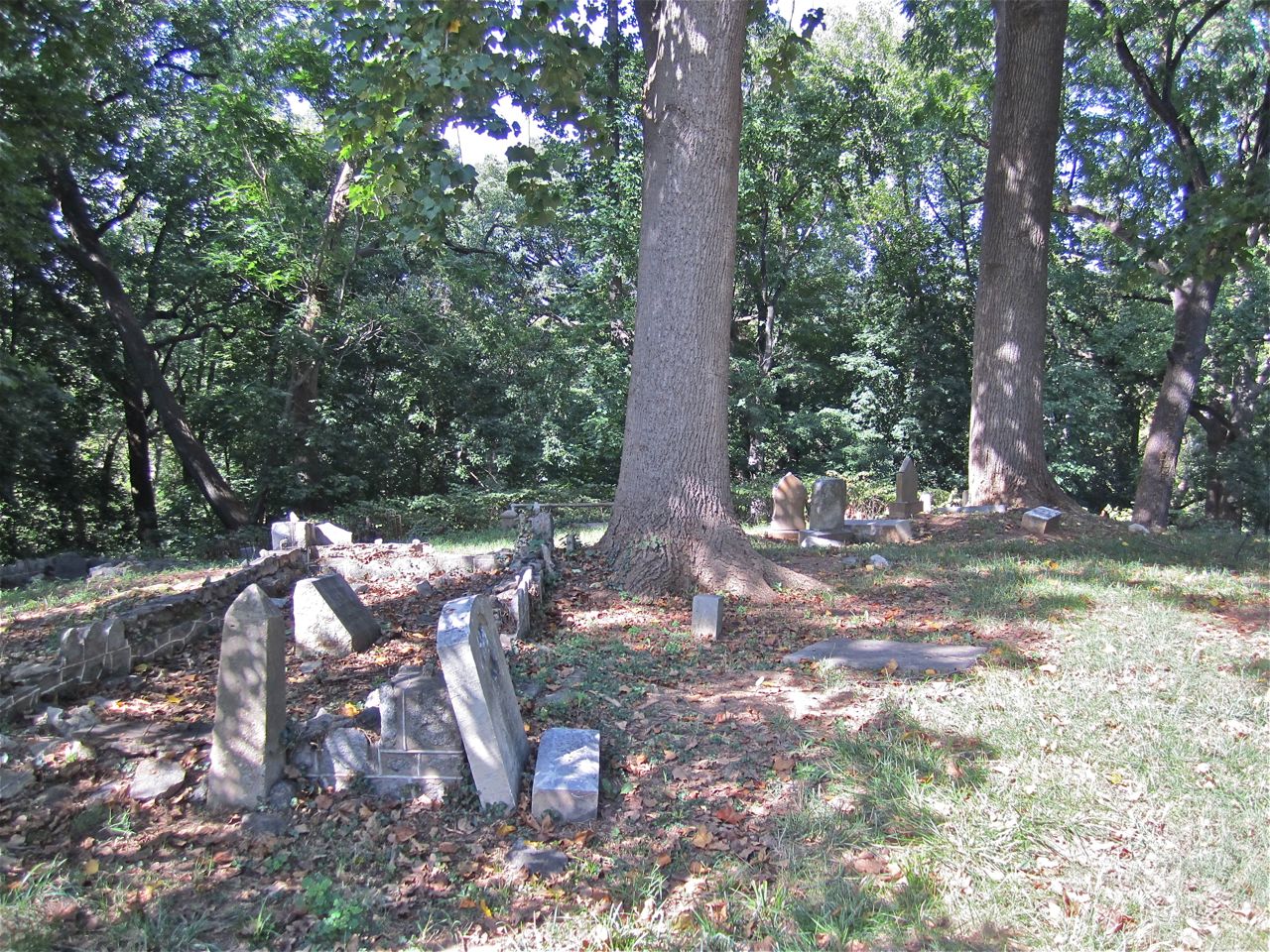
A group of graves at the edge of the woods of Rock Creek Park.
Another view.

The east side of the cemetery had already been purchased in 1842 by a local cooperative benevolent association of Black women and had become the Female Union Band Graveyard for the burial of free Blacks.

The entry sign to the cemetery.

For decades, both cemeteries were well maintained, but eventually lack of funds led to disrepair, and the last burials were held in 1950.

In the late 1960s, the cemeteries were threatened with removal of the graves for development.  Various local groups and individuals worked together to save them, and, in 1975, they were declared a Historical Landmark of Washington, D.C., and listed on the National Register of Historic Places.

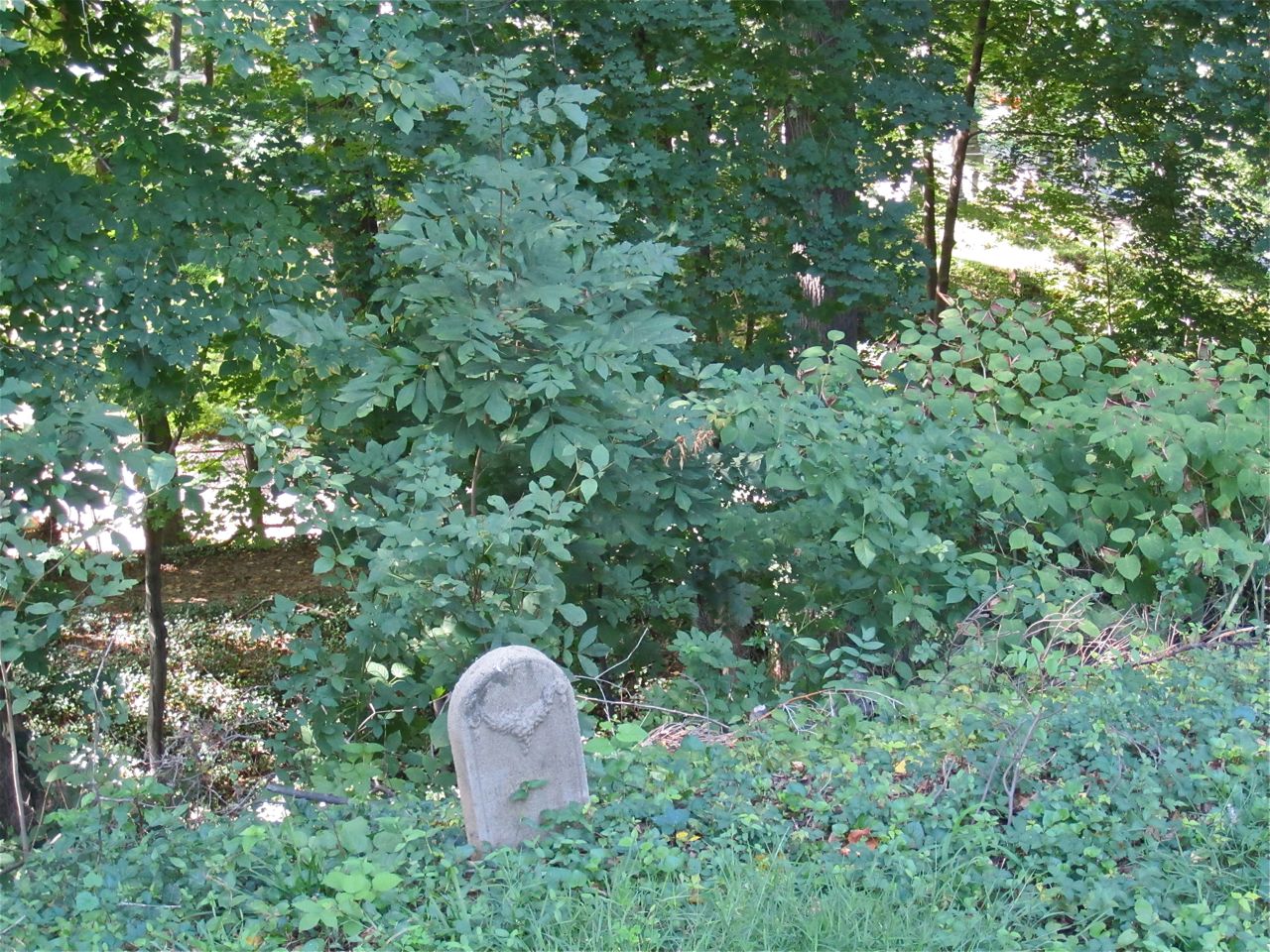
A small, lone headstone.

There’s a complete history of Mt. Zion Cemetery  by Pauline Gaskins Mitchell in the appendix of the 1991 book Black Georgetown Remembered, which can be read at this link.  The complete book can be purchased at Amazon.

ADDENDUM: “A 2 Georgetown Cemeteries, History in Black and White,” New York Times, October 21, 2016, here.

Where happiness dwells. . .

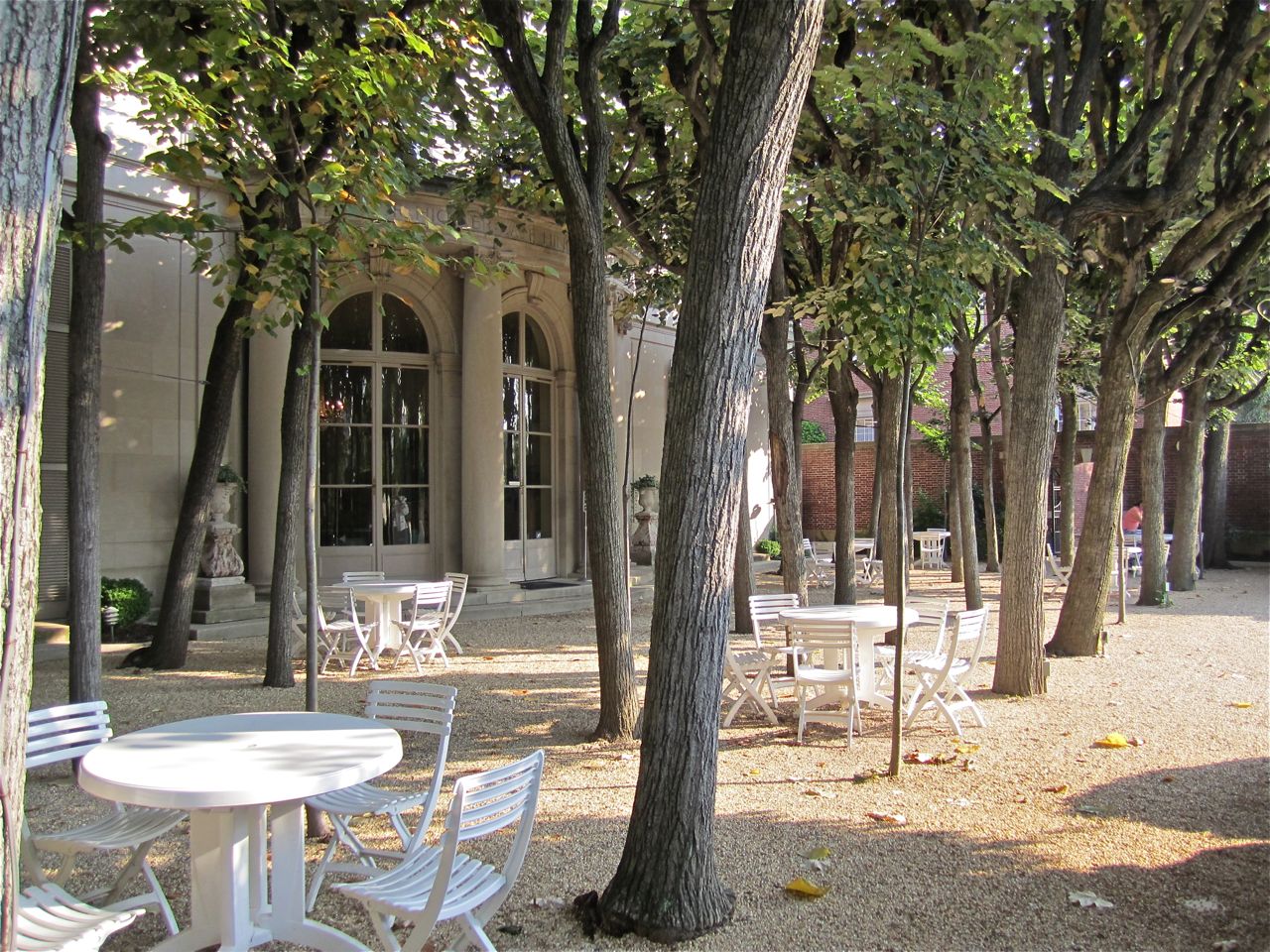
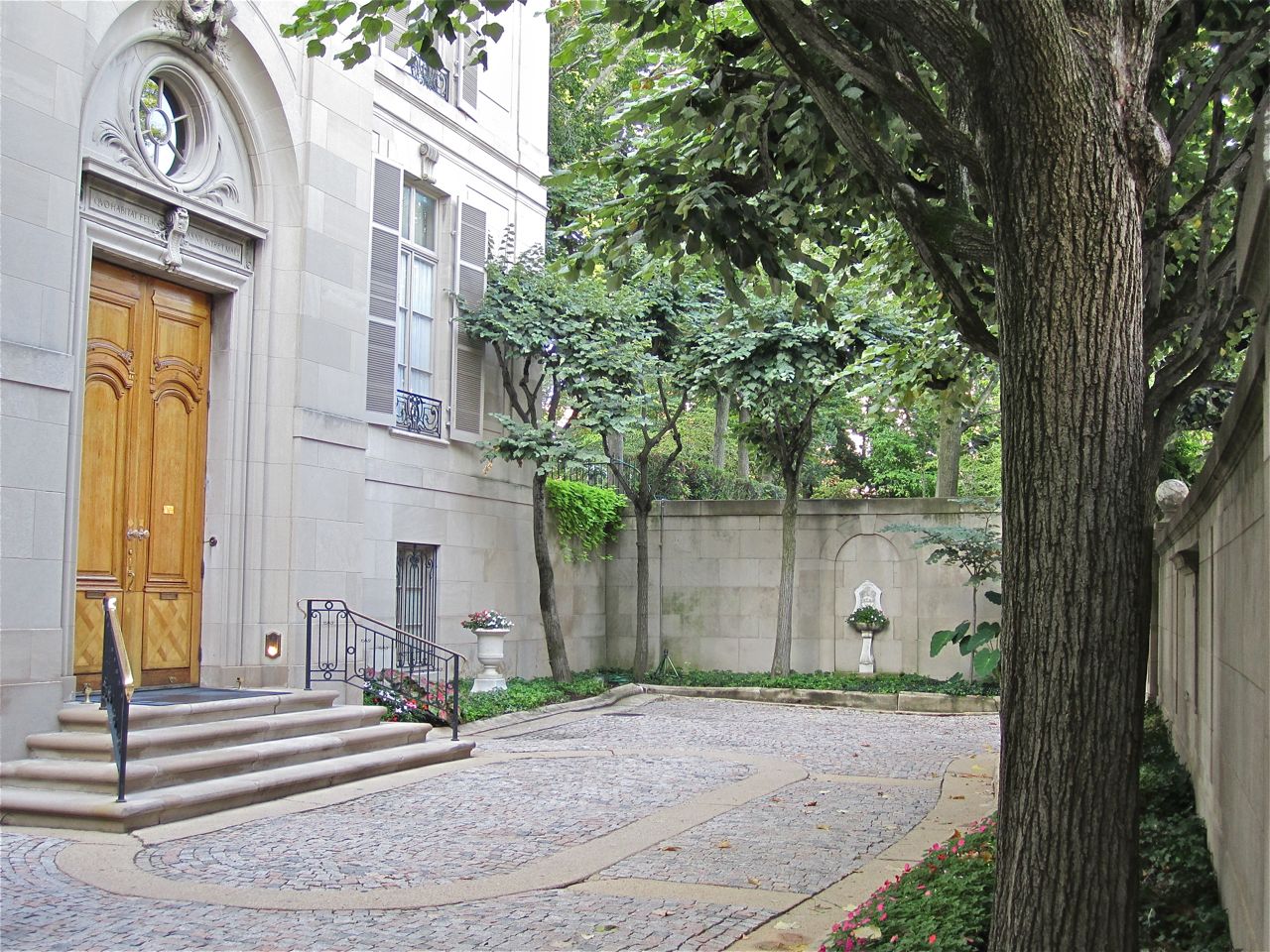
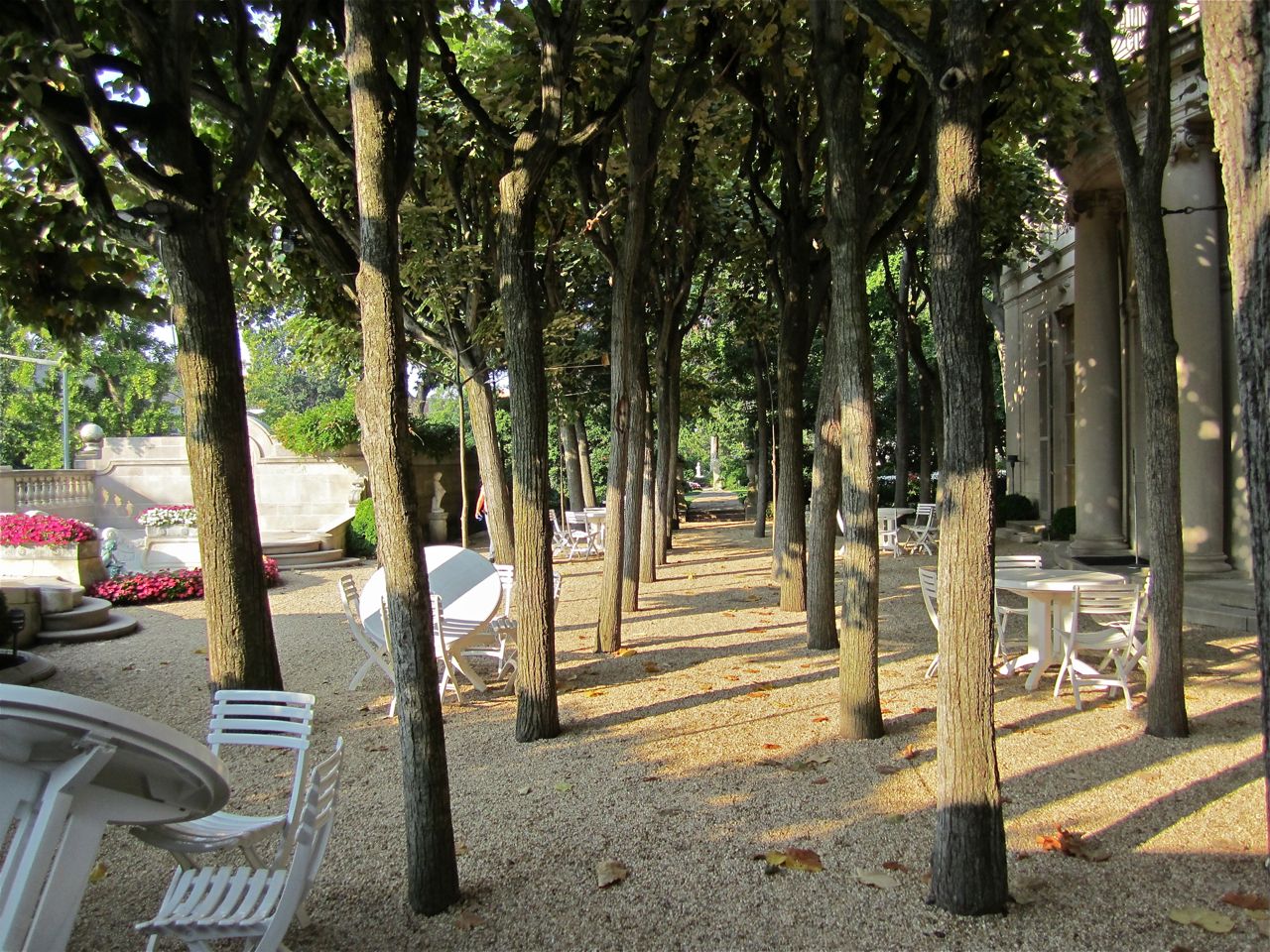
The courtyard.  The original linden trees were imported from Europe when the house was built.

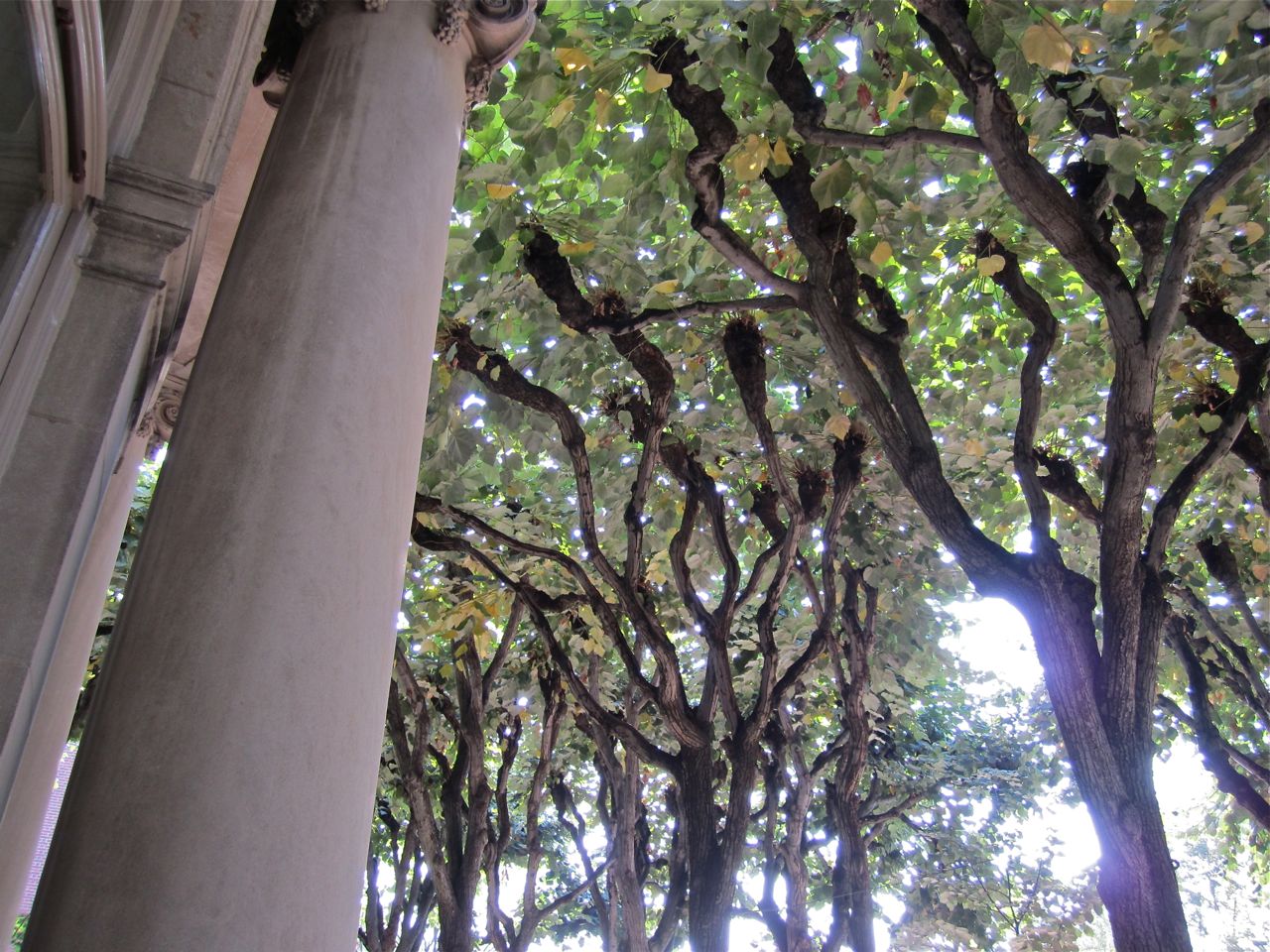
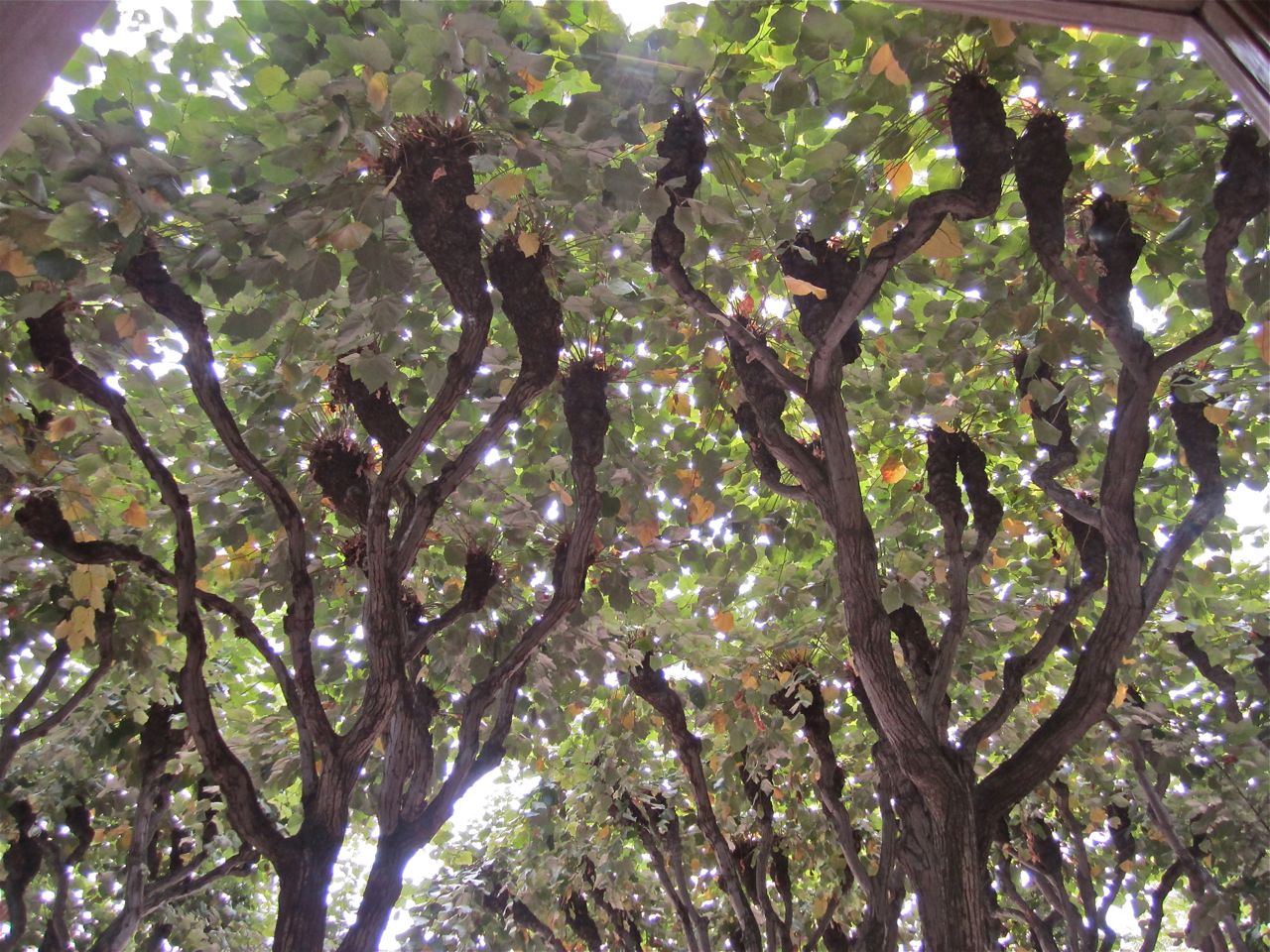
I love to see rows of  pollarded trees in French squares and courtyards. The quality of light and shade they produce, the formal rhythm of their trunks, and the sculptural qualities of their branches and old “knuckles” have a timeless beauty for me.

Pollarded trees aren’t common in the United States, so I was surprised and delighted when I walked into the lovely, serene courtyard of Meridian House on Friday morning.

Meridian House in Northwest D.C. (just a stone’s throw from Meridian Hill Park on 16th Street) is home to the Meridian International Center.  Since 1960, the Center’s mission has been to advance American public and cultural diplomacy efforts.  It manages international visitor exchanges, holds cultural exhibitions, and hosts conferences and seminars.

I was able to see it — and the garden — last week, when I attended a seminar on Rwanda.

The house, built in 1920 as the home of diplomat Irwin Boyle Laughlin, was designed by architect John Russell Pope, who also designed the Jefferson Memorial, the National Gallery, and the National Archives.  The style of the house, both inside and out, is neoclassical and French.

The front of the house. The inscription over the door reads “Quo habitas felicitas nil intreat mali” —  “Where happiness dwells, evil will not enter.”

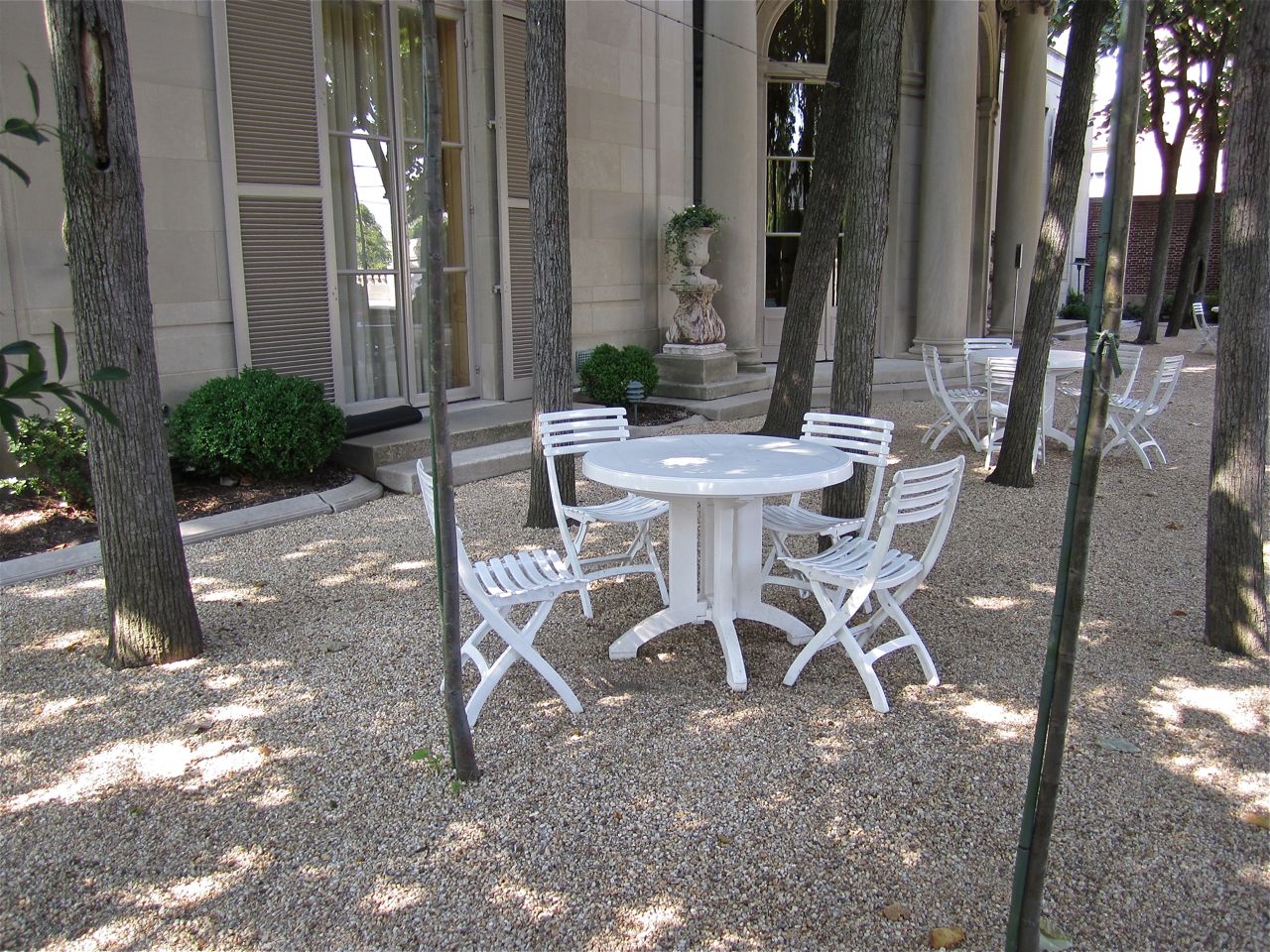
The rectangular courtyard just outside the house’s reception rooms is paved in pea gravel and canopied by 40 pollarded linden trees, which were imported from Europe when the house was built (more links on pollarding are here and here and here).
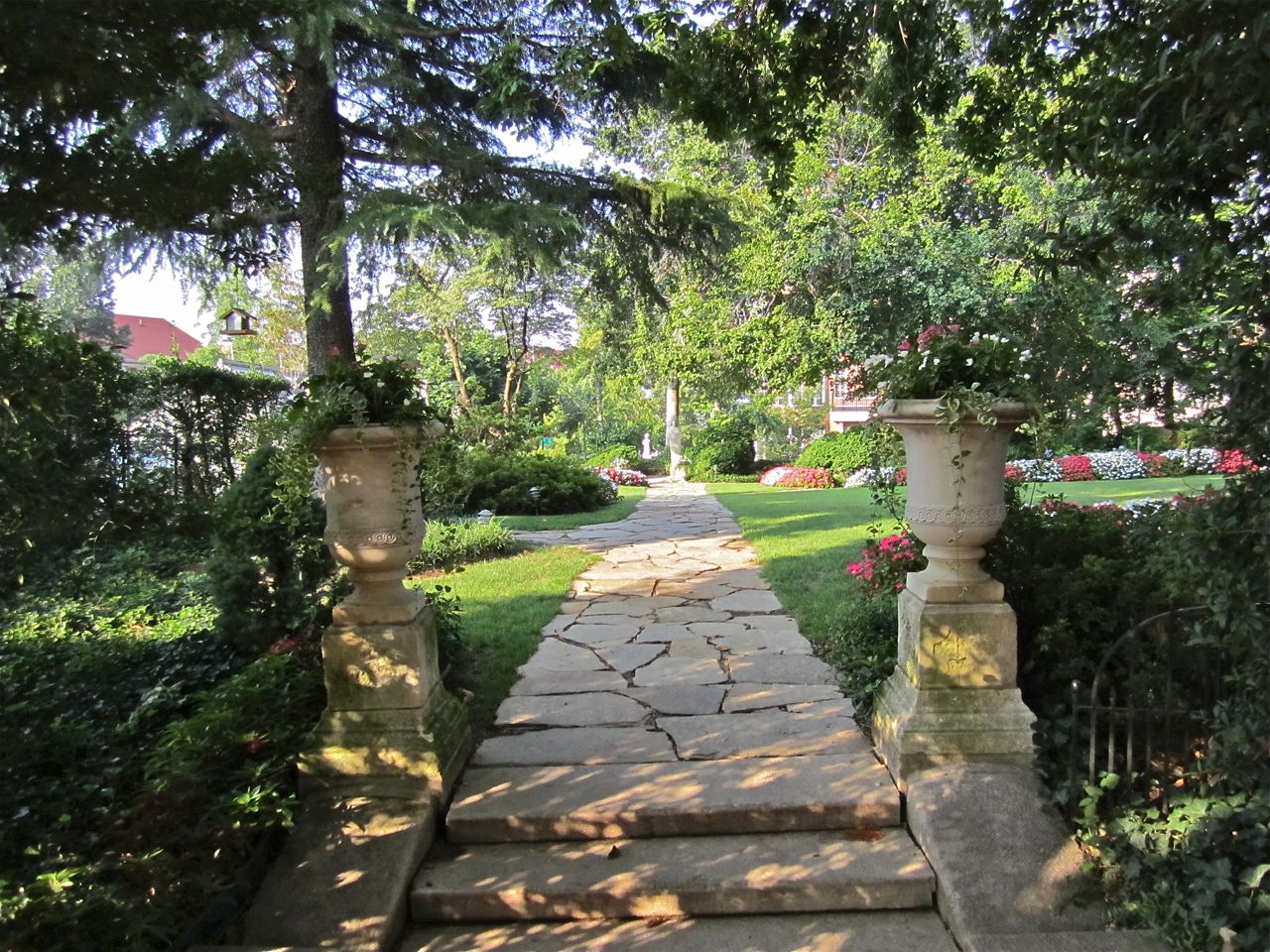
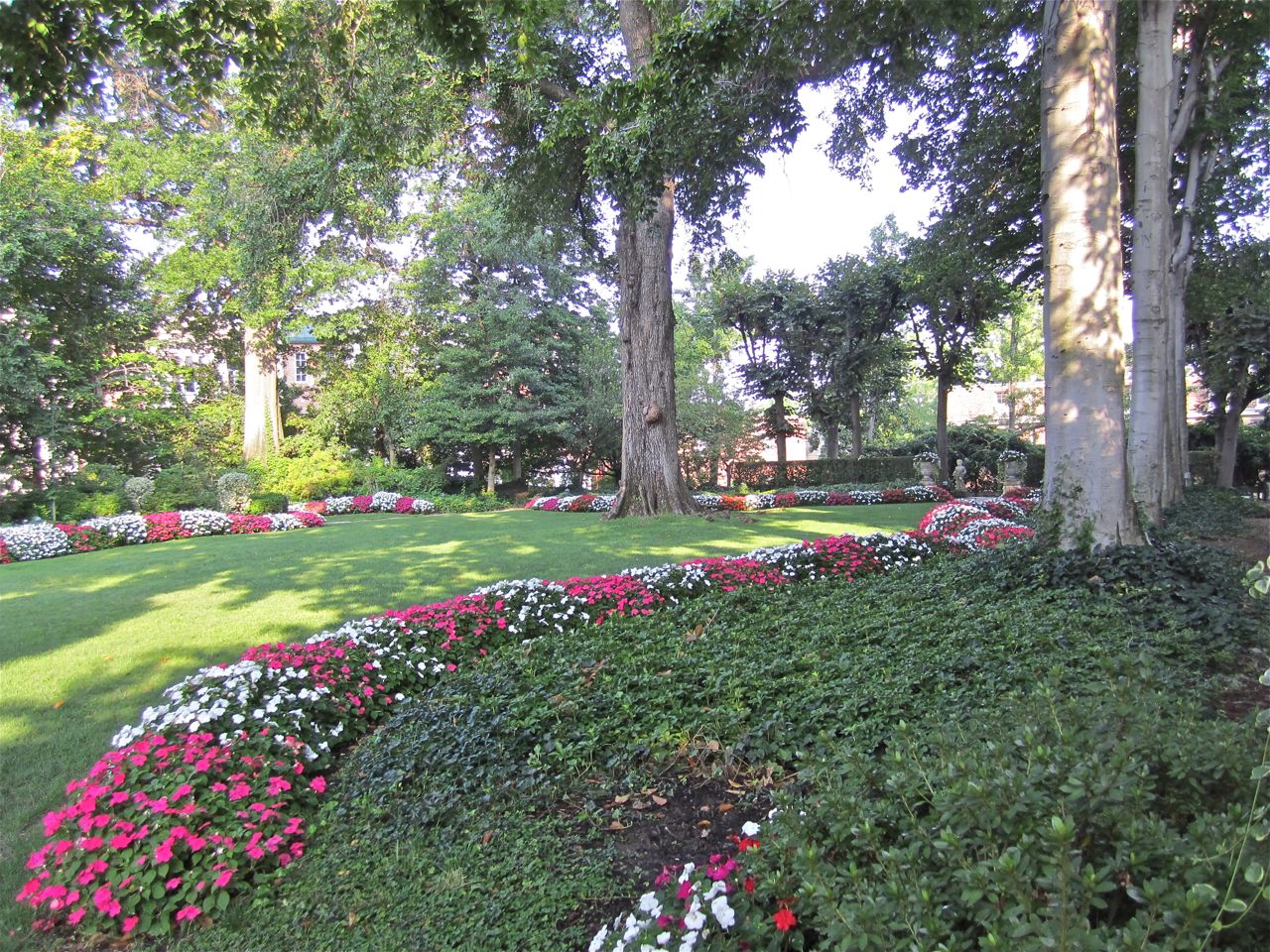
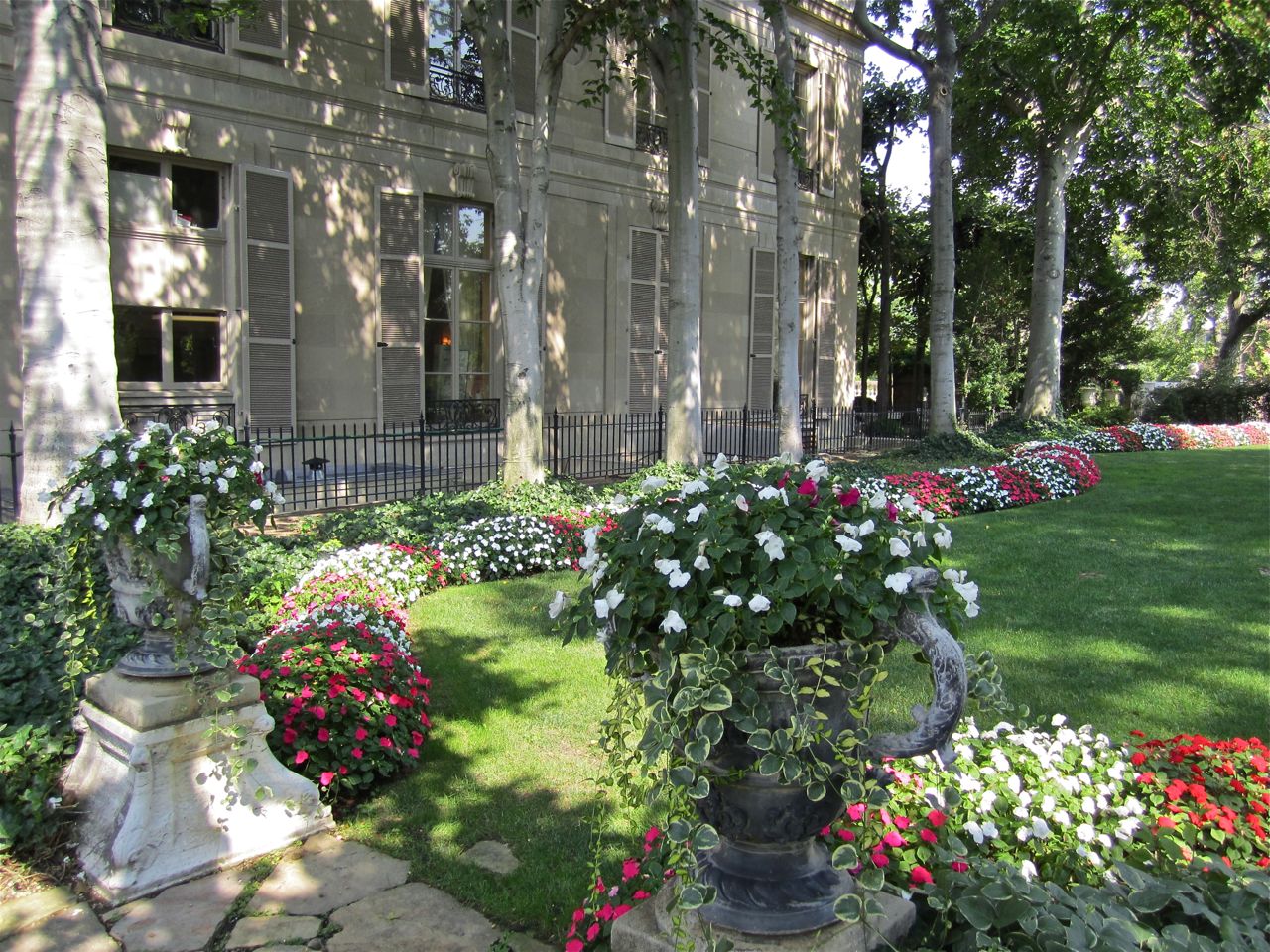
The side garden has a large lawn and planting beds bordered in pink and white impatiens.  The design of both areas is largely original to the house.

The courtyard in early morning.  Click on the photos to enlarge them. 
Young trees the size of poles have been planted to replace the old.
The umbrella-like canopy of the pollarded linden trees.
The old “knuckles” of the trees.
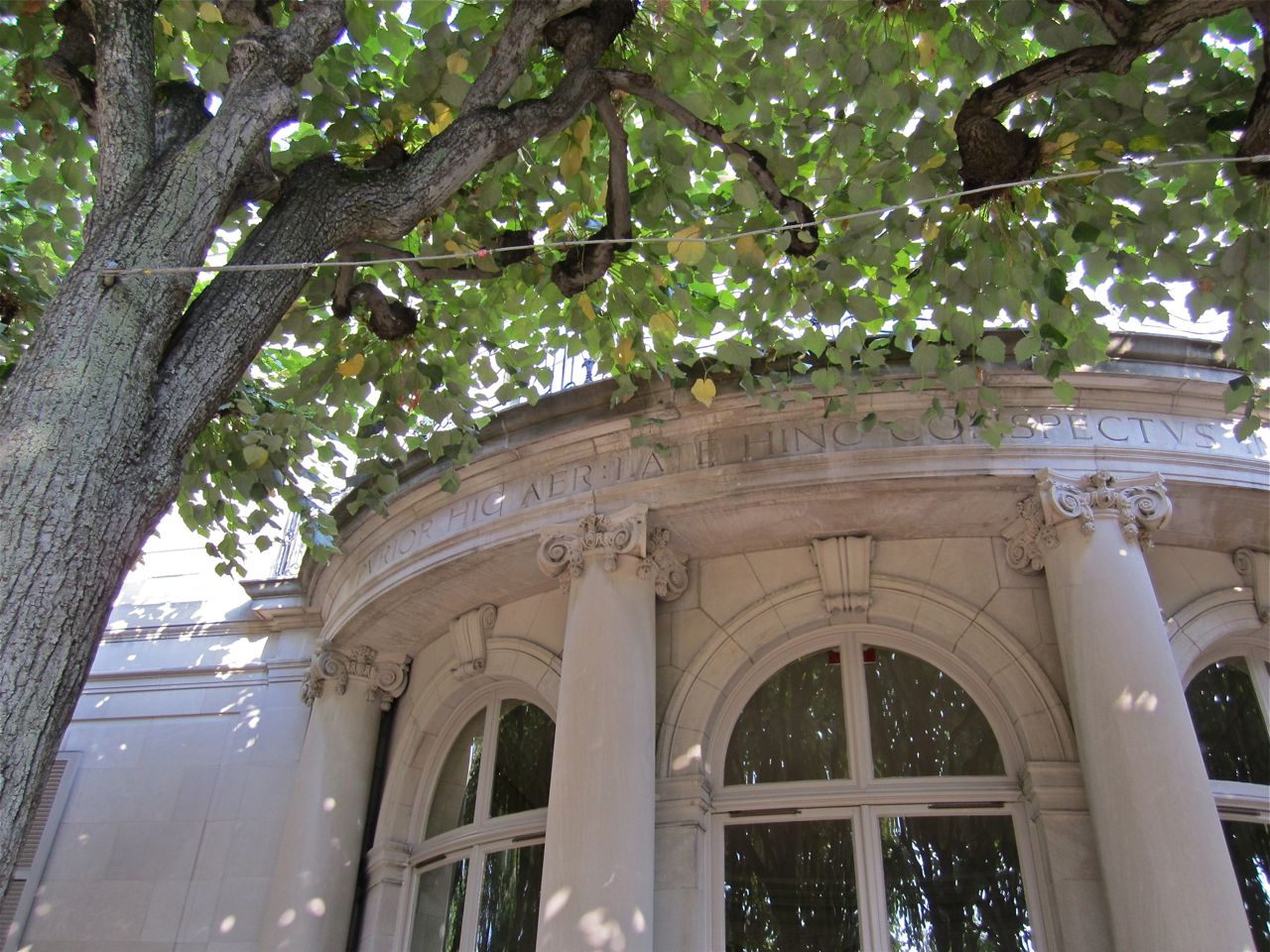
On the south side of the house, the inscription reads, “Purior hic aer: late hinc conspectus in urbem” — “Purer here the air whence we overlook the city.”
Moving from the courtyard to the side garden.
Looking to the right.
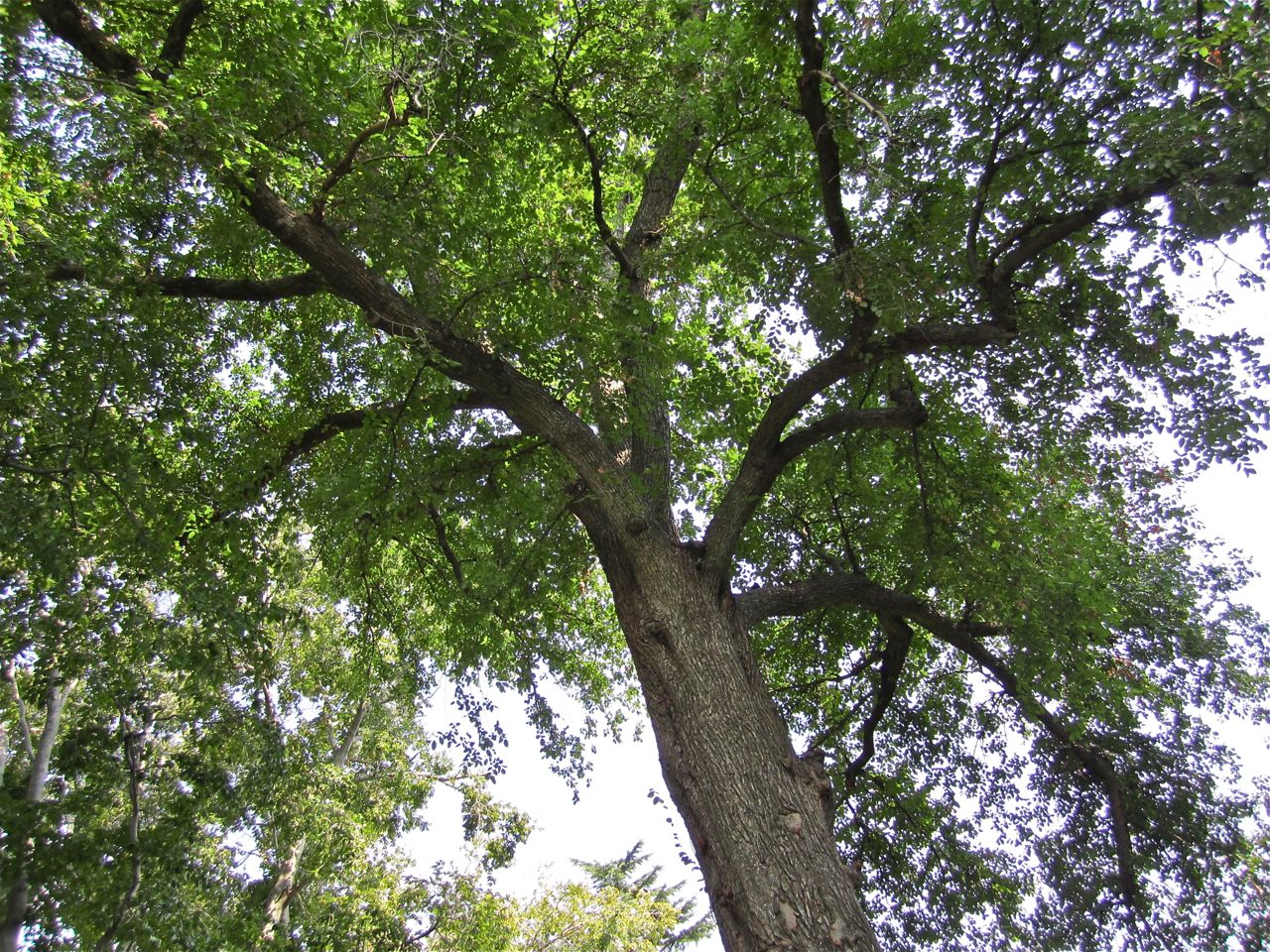
An old oak in the center of the lawn.  Its roots are protruding into the grass.
Looking up into the oak.
Looking to the south.
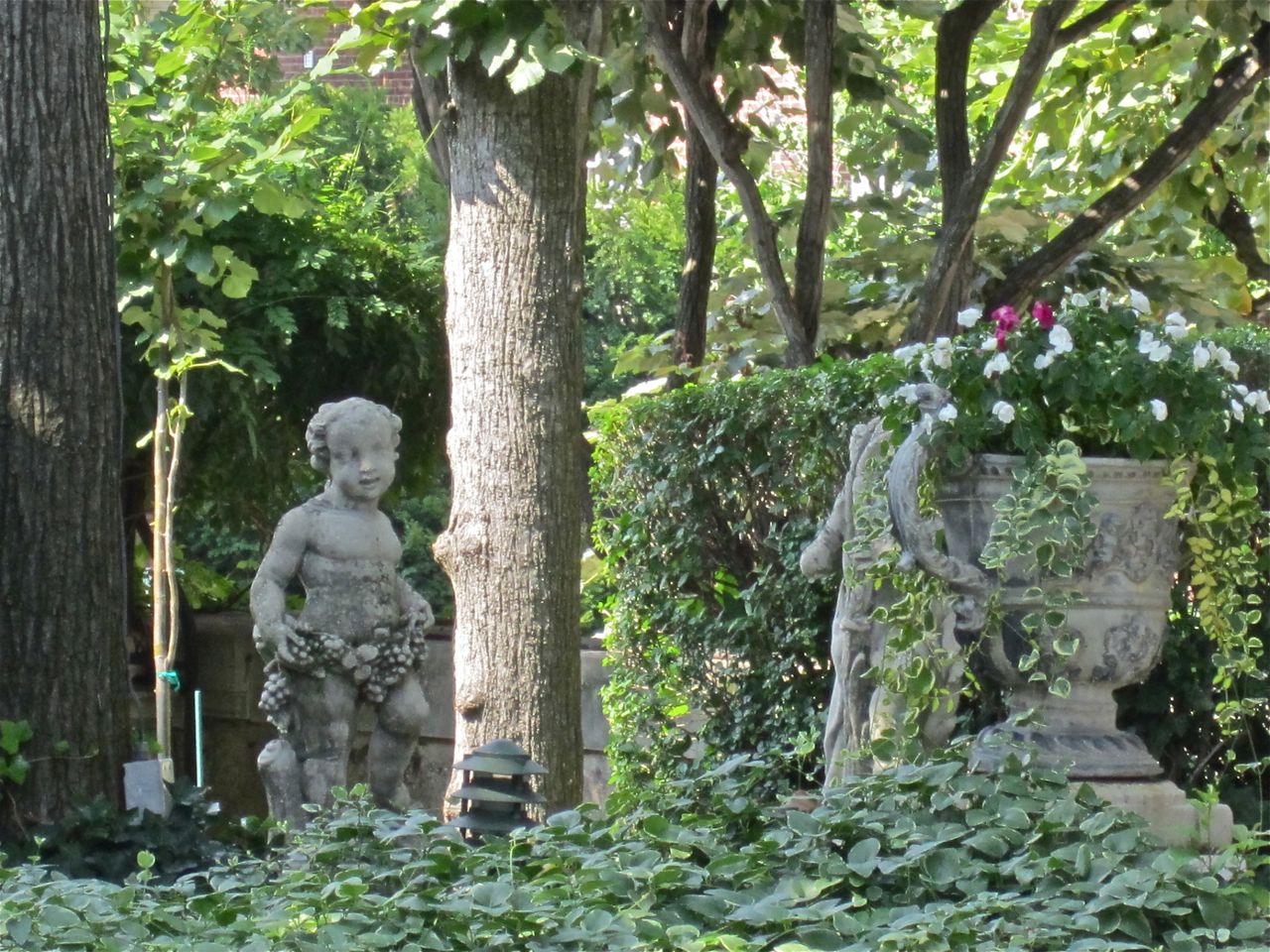
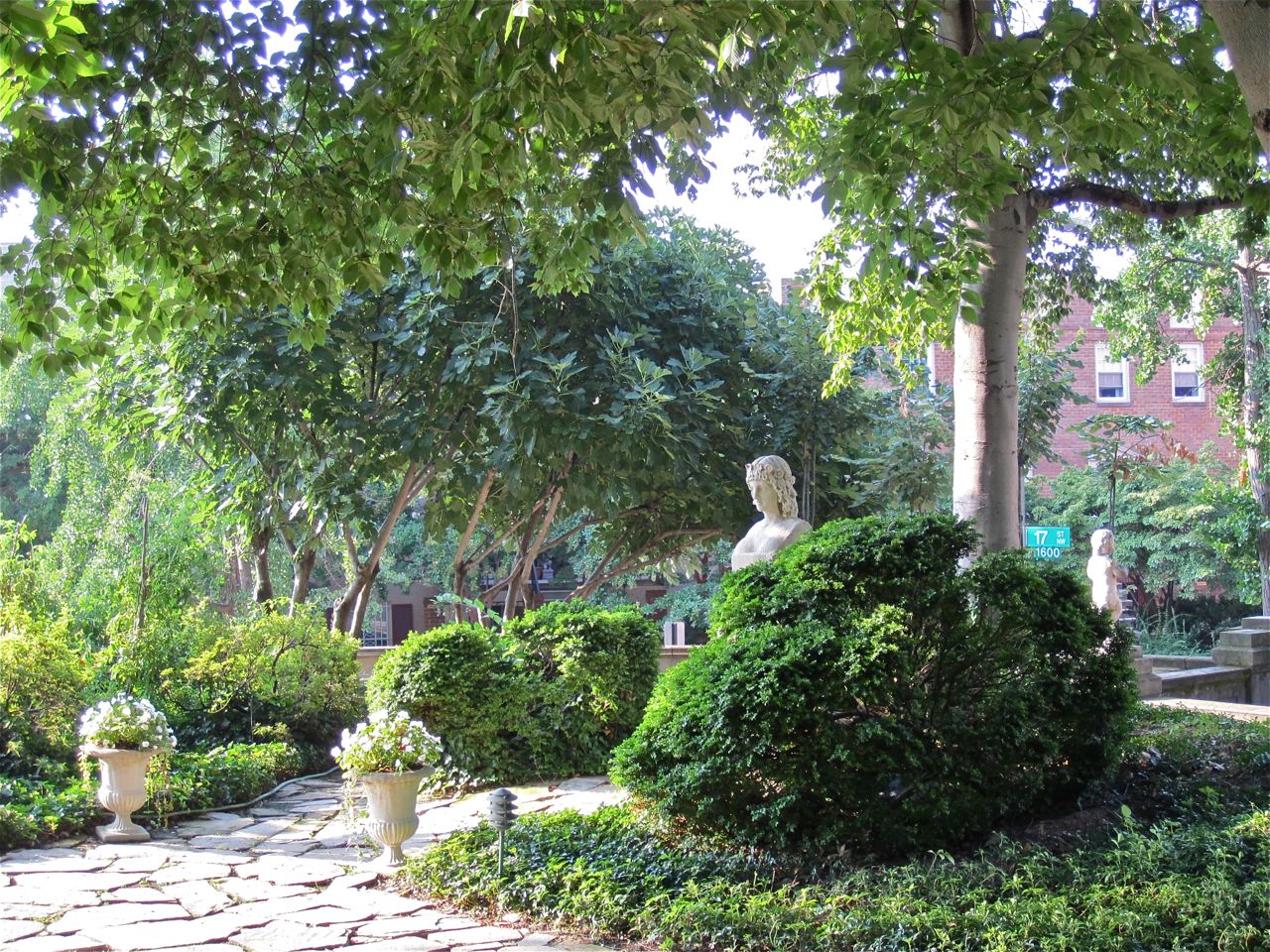
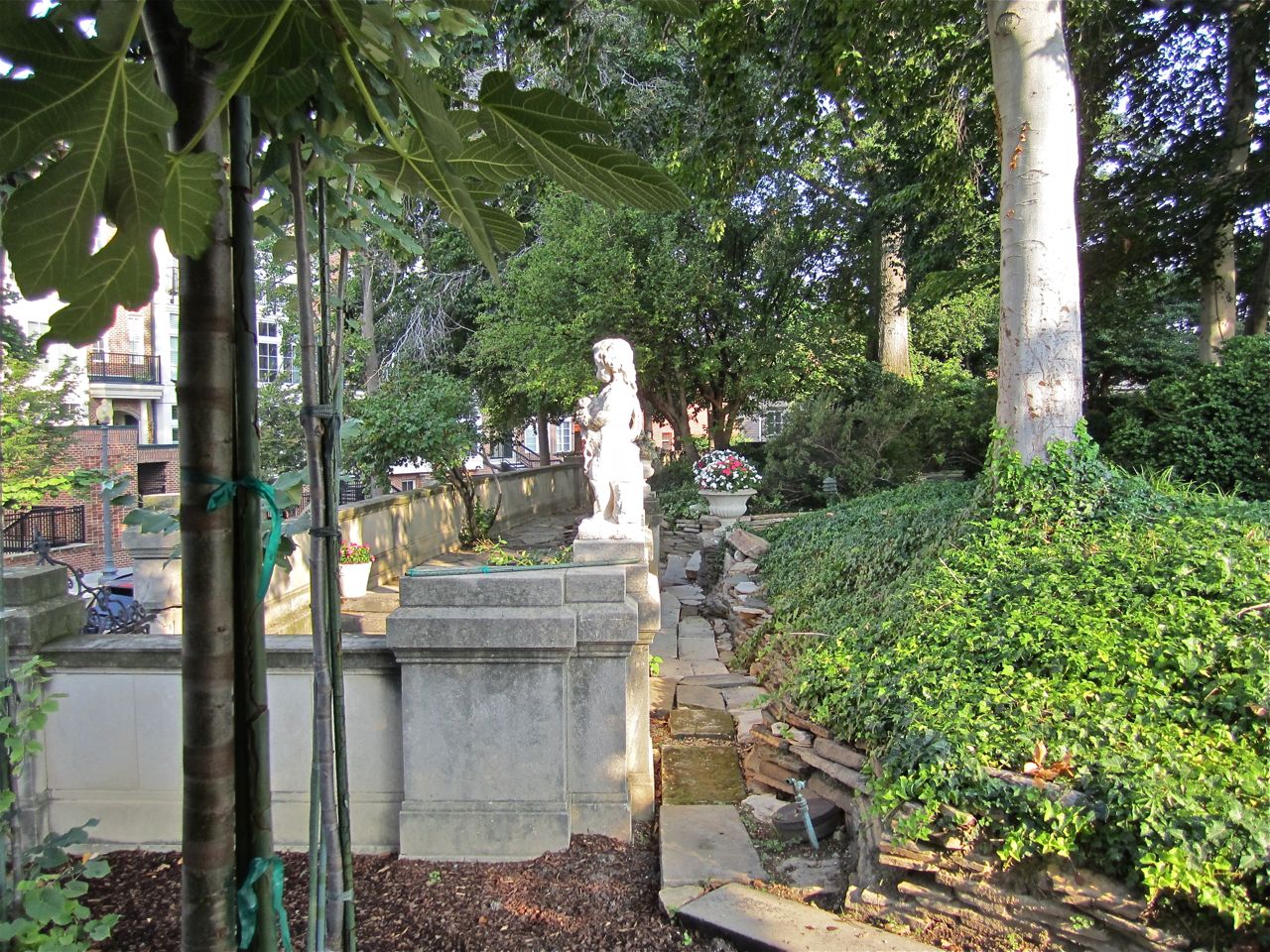
The statues throughout the garden are original to the house.
Several limbed-up fig trees in the southwest corner.
The staff have planted some vegetables around the greenhouse on the south side.
A walkway along the west perimeter of the garden.  
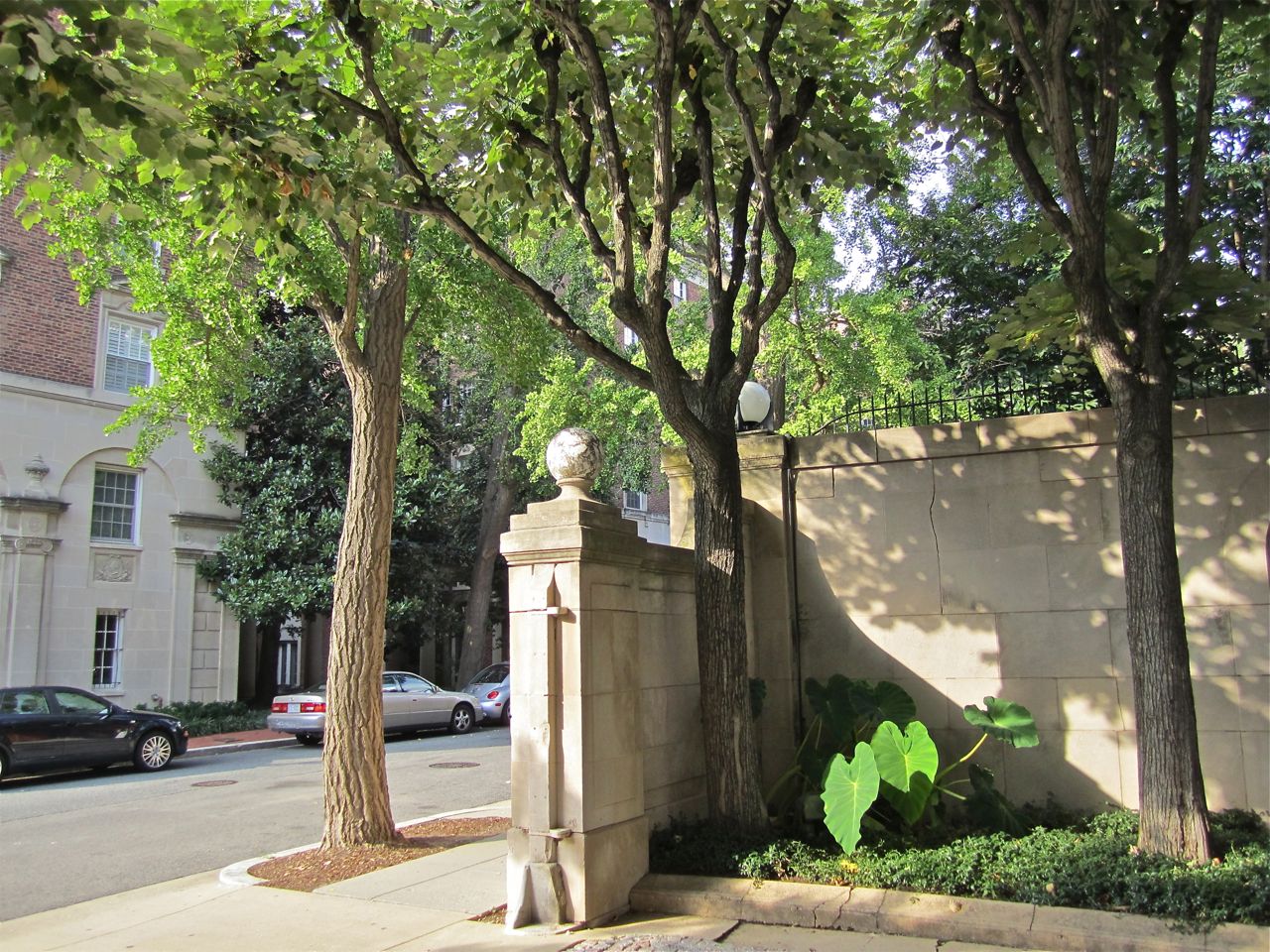
Leaving the house at 1630 Crescent Place.

Not surprisingly, Meridian House is one of the outstanding wedding venues of Washington, D.C.

To see more photos of the courtyard and garden, click on “Continue reading” below and click on the thumbnails in the gallery to enlarge them.

Continue reading “Where happiness dwells. . .”

The Kasura trees

If you’ve been reading this blog awhile, you’ve probably realized that I love anything old and contorted.  (No, I’m not going to make you look at any more 200-year-old boxwoods.)

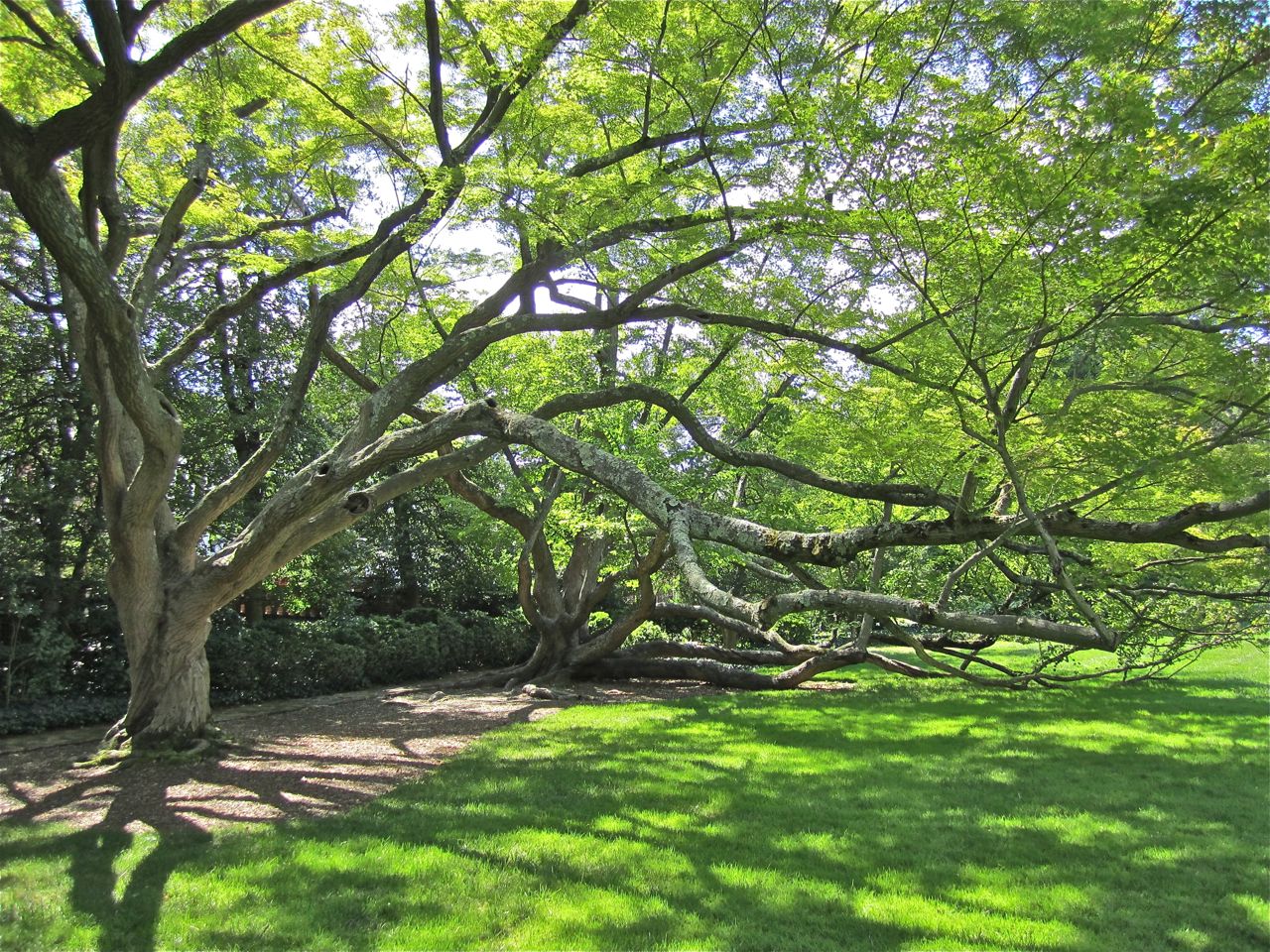
So, of course, I wanted to share my photos of two lovely old Katsura trees (Cercidiphyllum japonicum) at Dumbarton Oaks at the edge of the East Lawn.

The branches of this pair of trees reach out to the lawn. Please click the photo to enlarge it and see the wonderful volume of space they enclose.
Katsura trees can become multi-stemmed with age, as this one certainly has.
It touches the lawn in places.
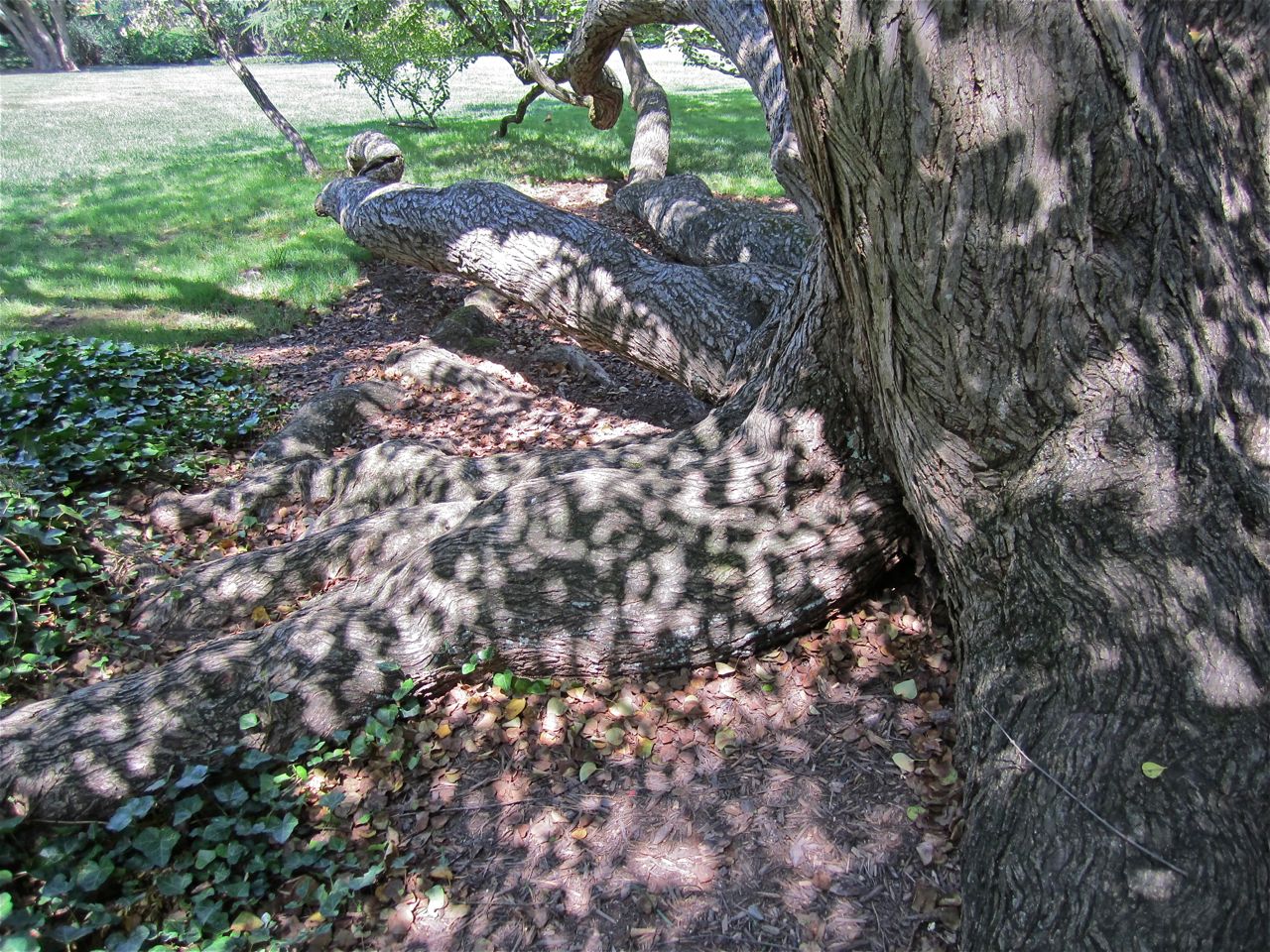
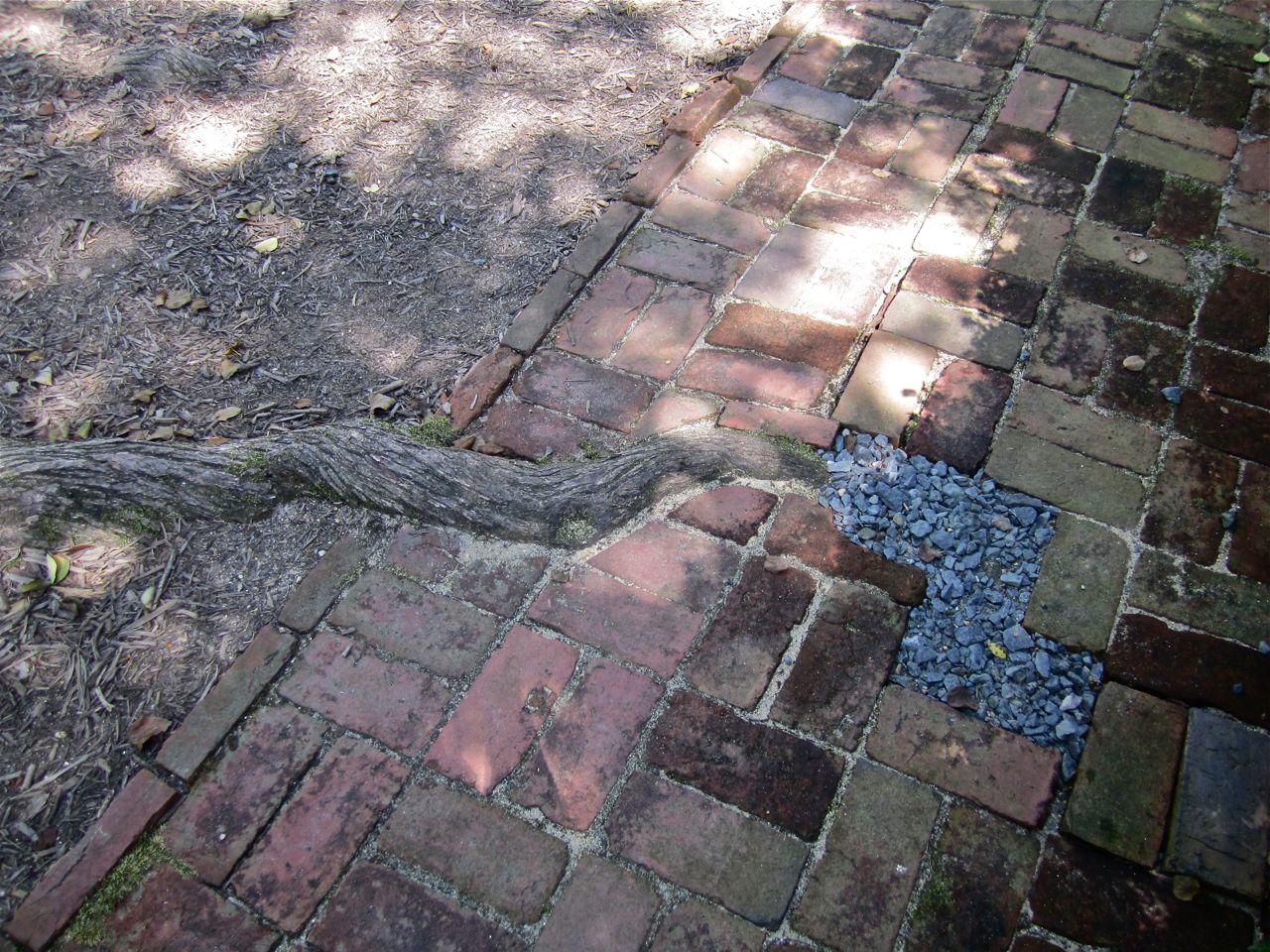
Katsura trees are shallow-rooted. This one's roots have stretched out . . .
. . . and broken through the walkway, which has been beautifully repaired.
The long branches frame the view across the lawn. In the fall, the leaves turn yellow and apricot and are said to smell like cotton candy.

Just for fun, here’s an entertaining little video (well, I thought so) of the staff of the New York Botanical Garden moving a mature weeping Katsura tree last fall. It first appeared on the NYBG’s blog, Plant Talk.