Milkweed

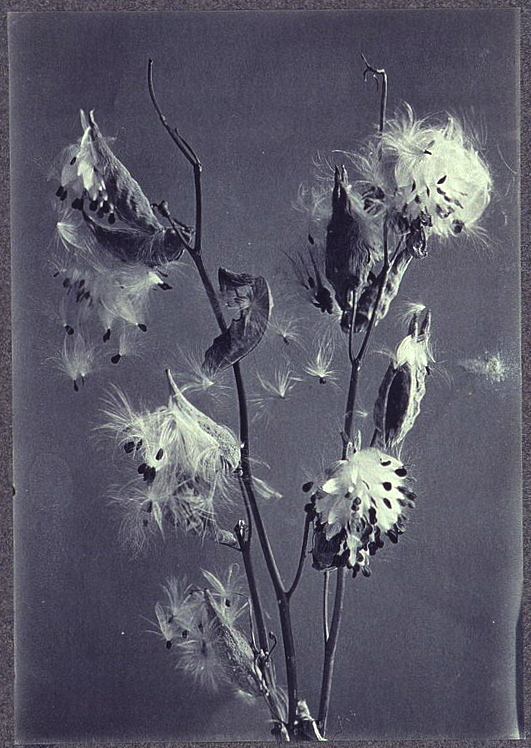
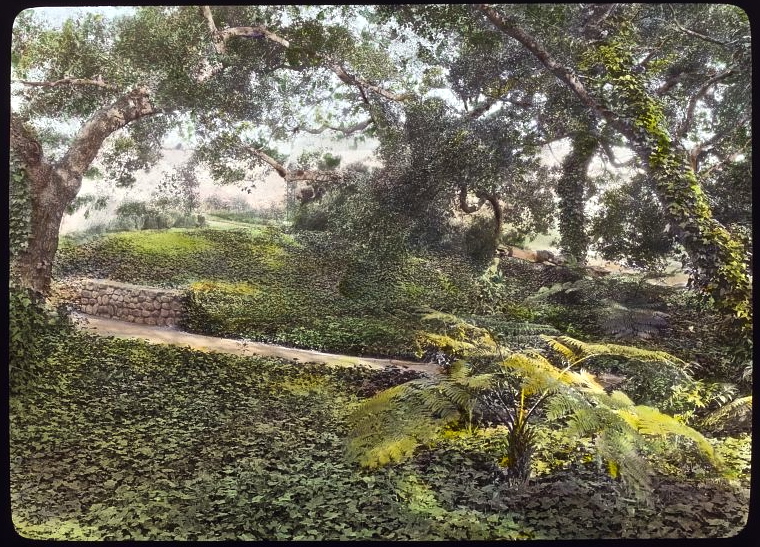
“Milkweed” by Mary Frances Carpenter Paschall, 1900. Part of a collection of “artistic photographs” by early women photographers donated to the Library of Congress by Frances Benjamin Johnston.

. . . I look down now. It is all changed.
Whatever it was I lost, whatever I wept for
Was a wild, gentle thing, the small dark eyes
Loving me in secret.
It is here. At a touch of my hand,
The air fills with delicate creatures
From the other world.

James Wright, “Milkweed,” The Branch Will Not Break

The lantern slides

This is really exciting.  Yesterday, the Library of Congress released online the digital images of more than 1,000 hand-colored, glass-plate lantern slides of gardens taken (mostly) by Frances Benjamin Johnston.
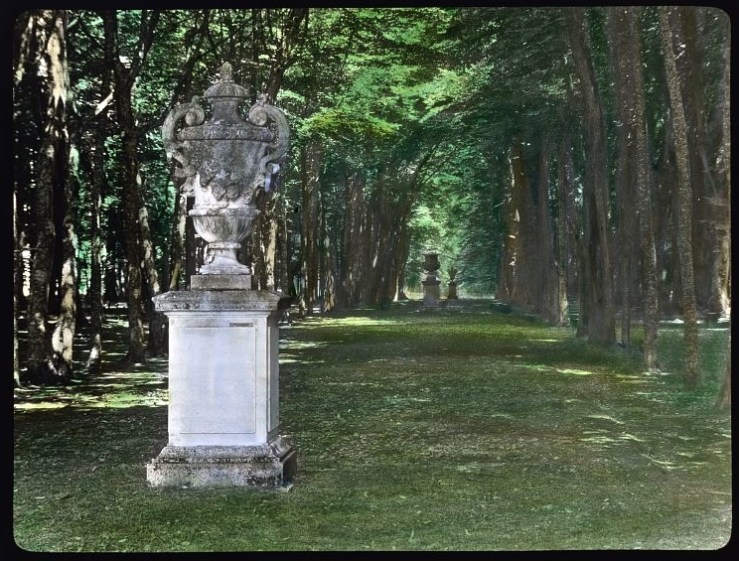
The images in the collection were taken from 1895 to 1935.  Originally black and white photographs, Johnston had them hand tinted and made into slides to illustrate her popular garden lectures, which she gave to garden clubs, horticultural societies, and museum audiences from 1915 to 1930.  As part of the Garden Beautiful Movement, she encouraged Americans to grow gardens on tenement lots, in row-house yards and in parks, which had deteriorated from industrial pollution and neglect during the Gilded Age.

The slides have not been seen in public since Johnston last projected them during her lectures.  They depict more than 200 sites — primarily private gardens — in all regions of the United States and in Europe.  The entire collection, 1,130 digital images, can be found in the Library’s Prints and Photographs Online Catalog, here.

I’ve just begun to enjoy this beautiful resource, but here are 11 images that I pulled out quickly during my first enthusiastic look.

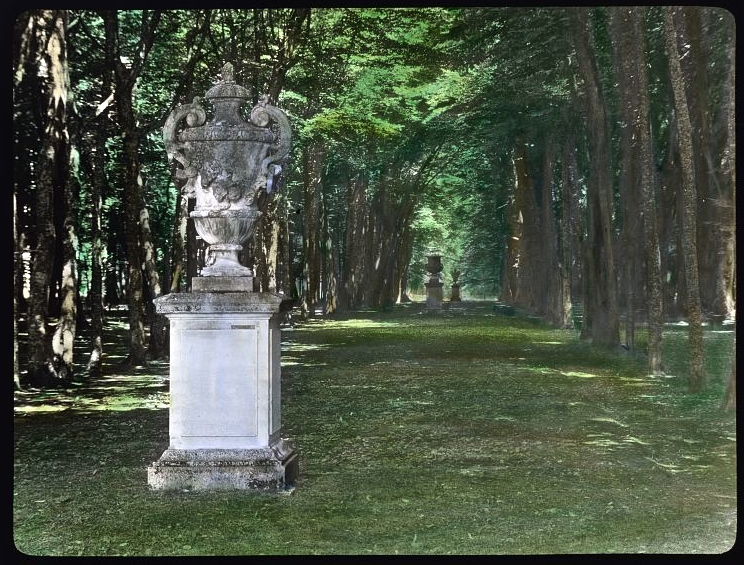
The photo above is of Chateau of Bréau, Dammarie-les-Lys, Seine-et-Marne, France.  July 1925. (Click any photo to enlarge it.)
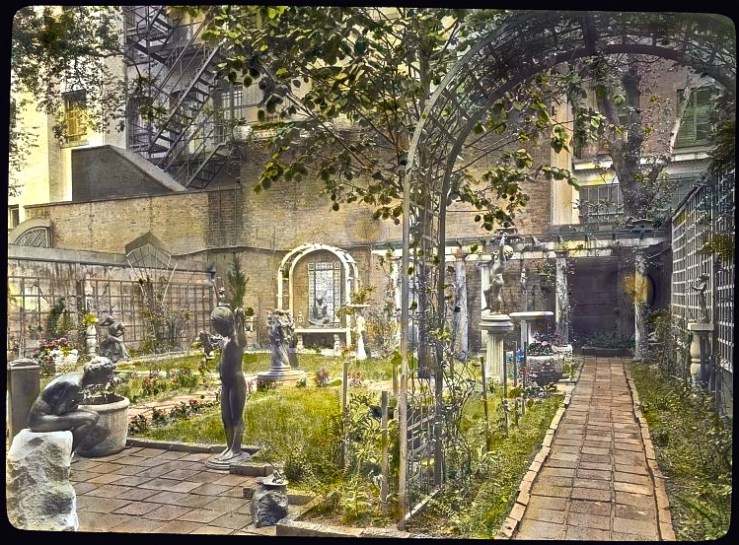
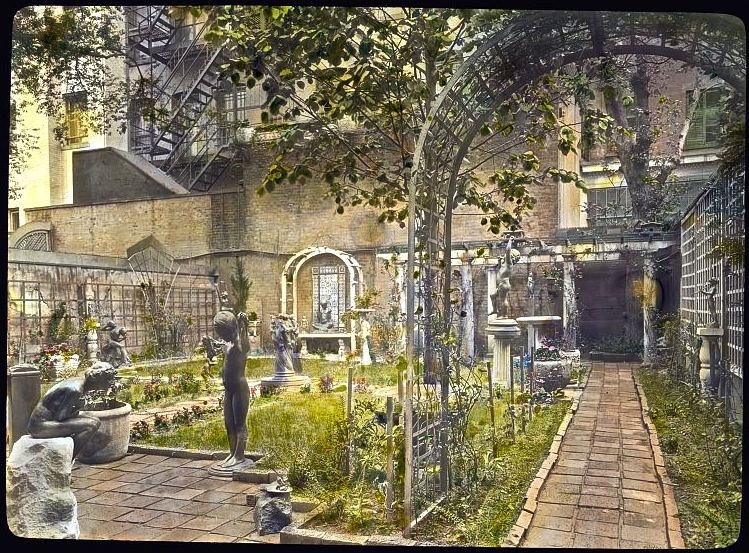
The Touchstone Garden, New York, New York. Sculpture exhibition, summer 1919.
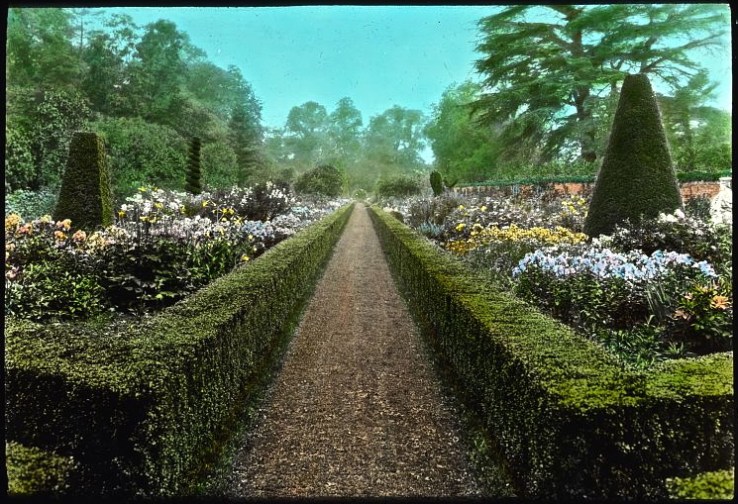
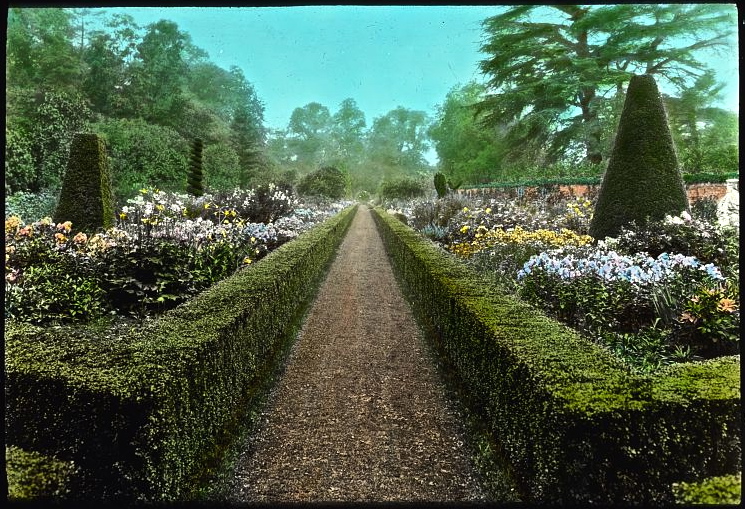
“Cliveden,” Viscount Waldorf Astor house, Taplow, Buckingham, England.  Long Garden, summer 1925.
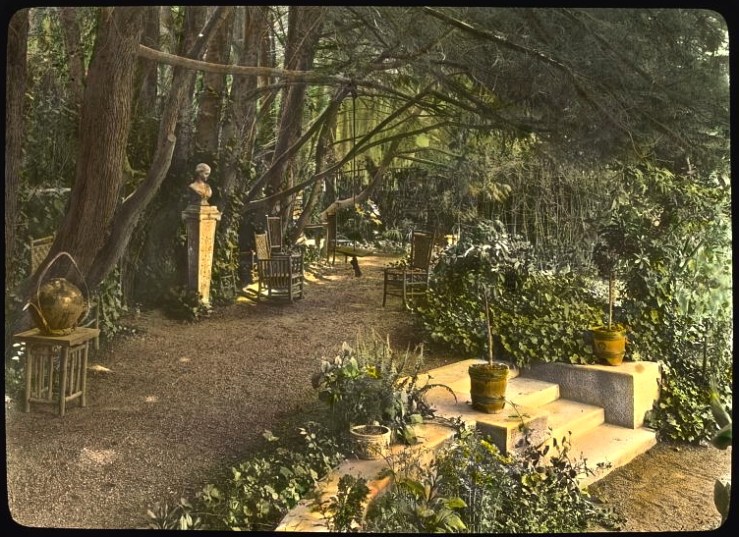
Myron Hunt house, 200 North Grand Avenue, Pasadena, California. Garden Terrace, spring 1917.
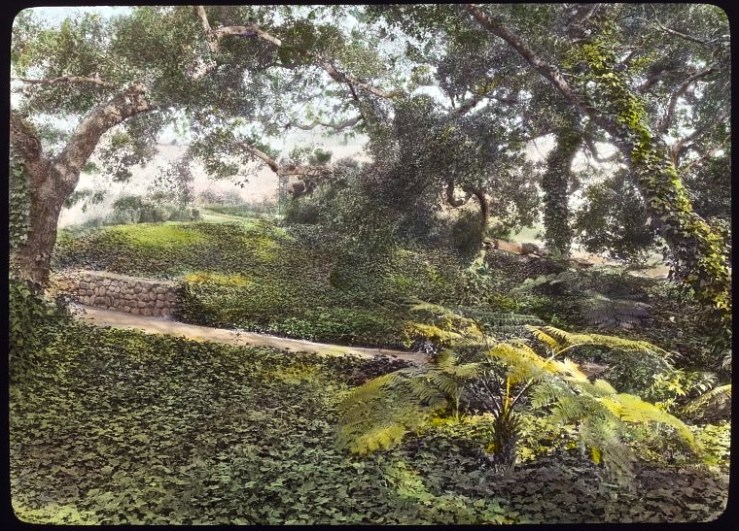
“Inellan,” Walter Douglas house, Channel Drive, Montecito, California.  Pathway to Pacific Ocean, spring 1917.
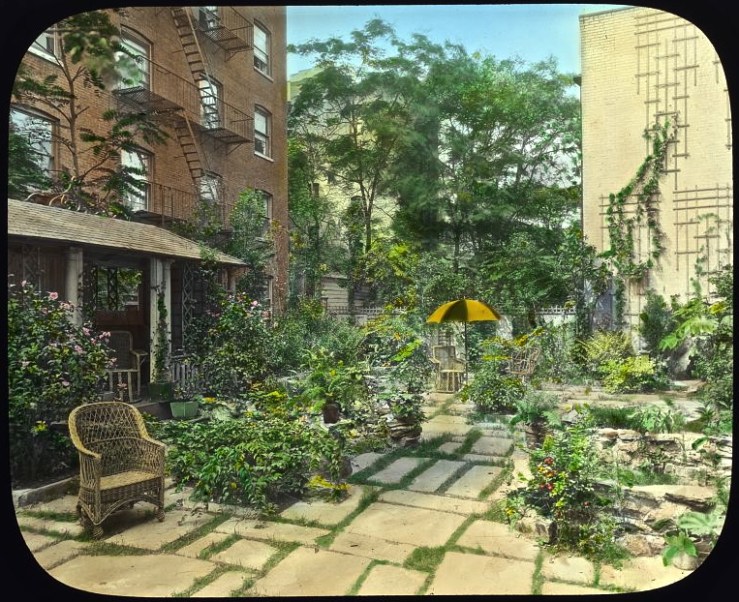
“Flagstones,” Charles Clinton Marshall house, 117 East 55th Street, New York, New York.  Tea house/sleeping porch.
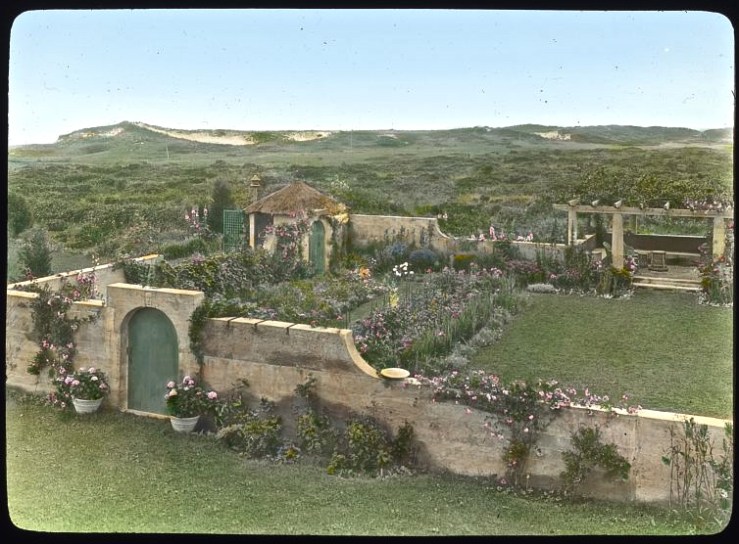
“Gray Gardens,” Robert Carmer Hill house, Lily Pond Lane, East Hampton, New York, New York.  View to Garden Trellis.
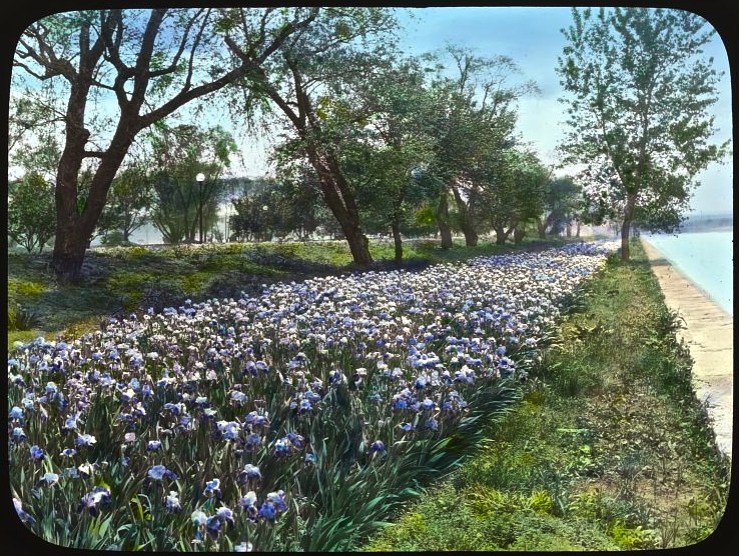
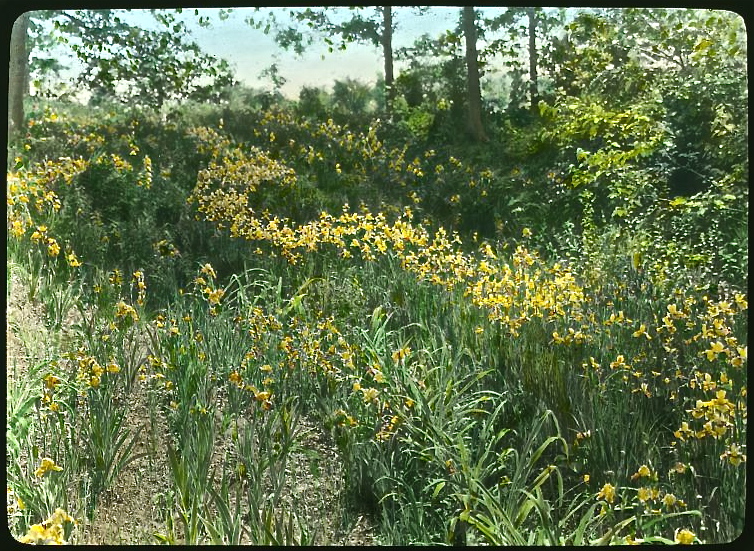
West Potomac Park, Washington, D.C.  Irises along the embankment, April 1905.
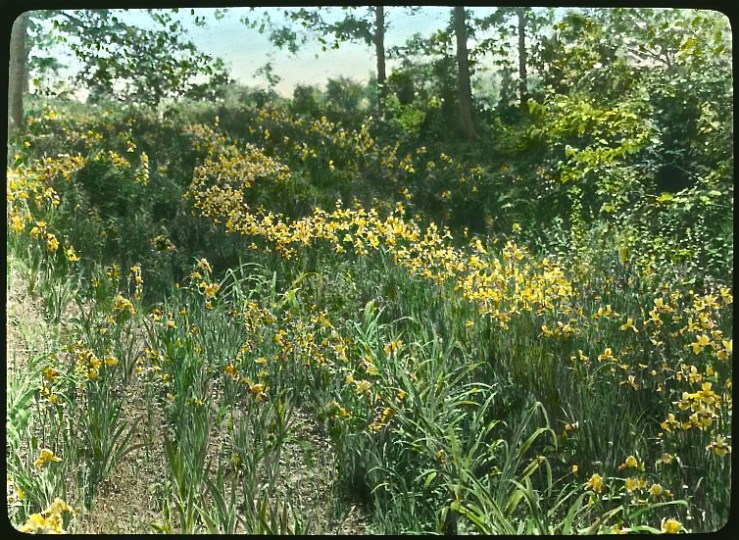
Dr. Charles William Richardson house, Chevy Chase, Washington, D.C.   Irises, 1921.
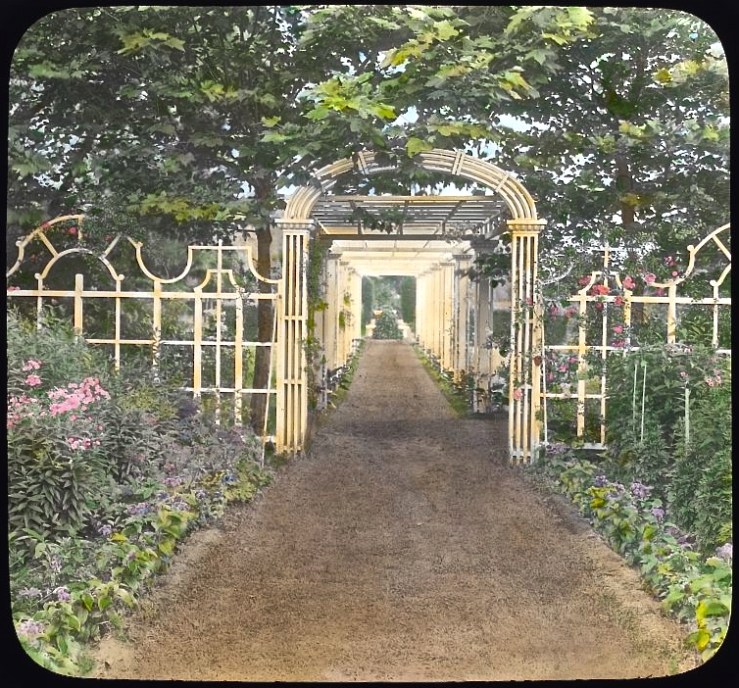
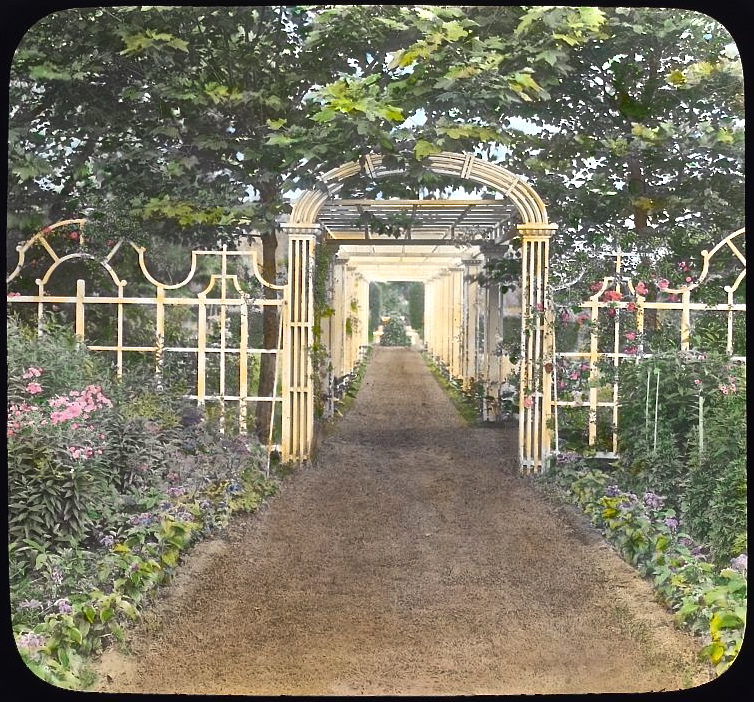
“The Fens,” Lorenzo Easton Woodhouse house, Hunting Lane, East Hampton, New York. Pergola, 1914.
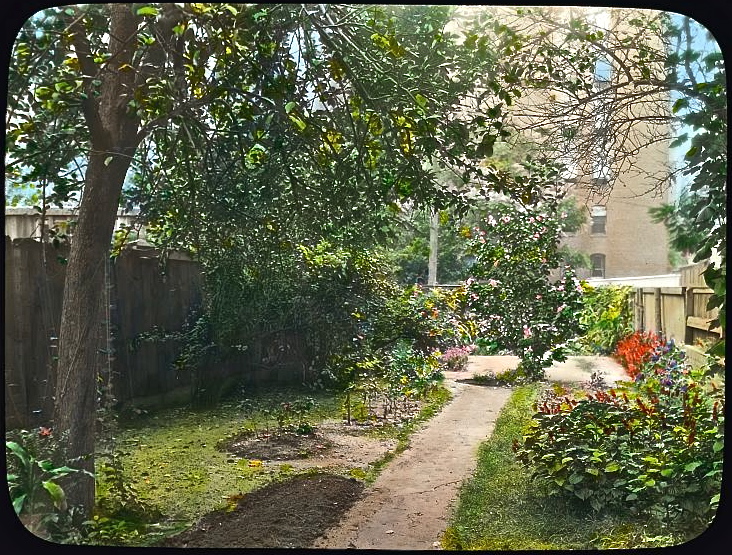
Unidentified city garden, probably in New York, New York.  Pathway, 1922.

A selection of 250 of the color images can also be seen in a new book by house and garden historian Sam Watters, Gardens for a Beautiful America, 1895-1935: Photographs by Frances Benjamin Johnston.  It will be published this month by Acanthus Press, in association with the Library. ($79, here — not yet available.)

The Library of Congress is the repository of Johnston’s personal papers and approximately 20,000 photographs. But the lantern slides lacked garden names, locations, and dates and, therefore, had not been released to  general public access.  Watters took on the challenge of cataloging the collection, and after five years of research in libraries and archives, he has transformed vague earlier library notations into detailed data.  For example, an unlabeled slide was recognized as a prize winner in a 1922 design contest and is now identified as “The Janitor’s Garden, 137 E. 30th St., New York City.”

For more information about Frances Benjamin Johnston, see here and here.

Fields of grass

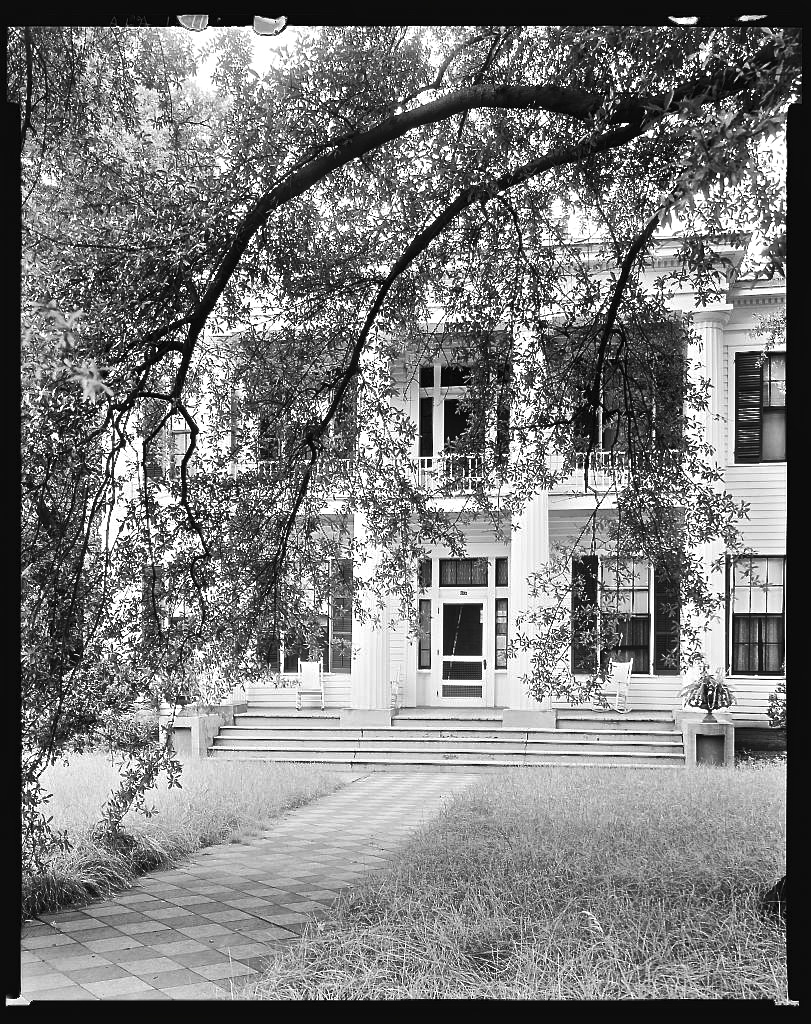
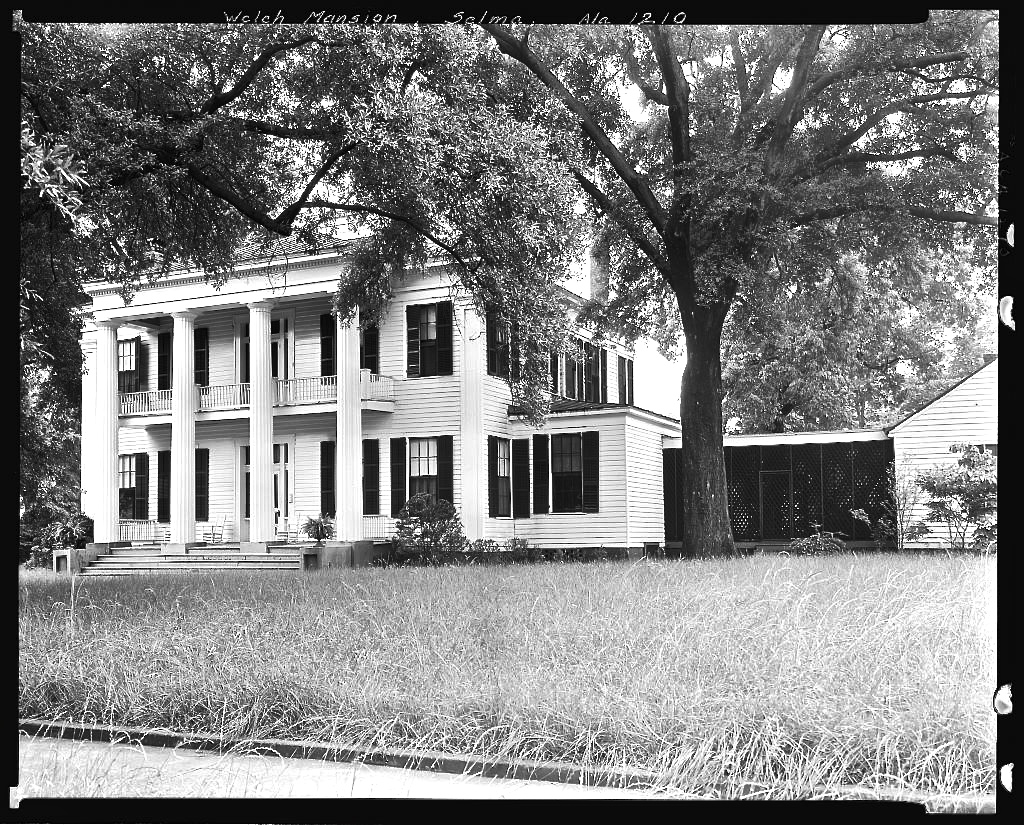
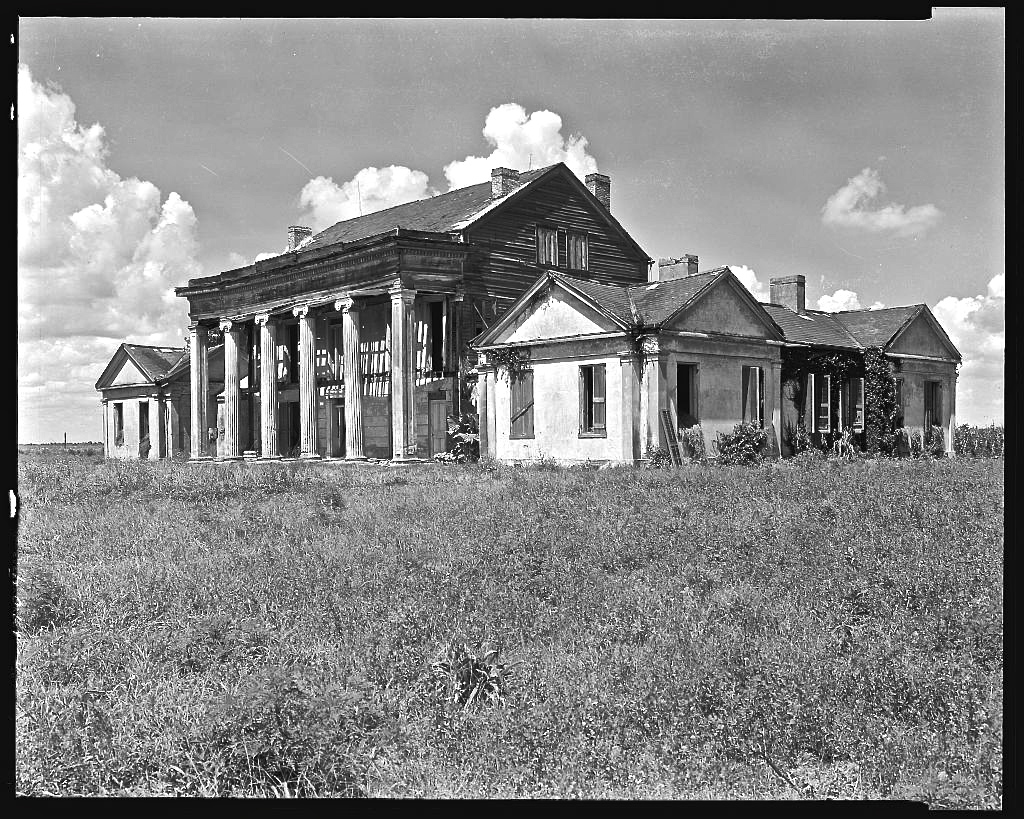
I love these two pictures of a well-cared-for antebellum mansion in 1939 Alabama with a tall grass lawn — early no-mow or at least seldom-mow.

Above and below is the W.P. Welch Mansion in Selma, Alabama. It was built in 1858.

Years ago, we had neighbors who tore down their house and built another on the same spot, in the style of a Victorian farmhouse. While the contractors were finishing the interior, the small bare front yard was covered with straw. Tall grass soon grew up through it, and the effect was something like the above. It was beautiful — remnants of beige straw, wavy green grass, and one old peegee hydrangea limbed up into a small tree.

Of course, as soon as they could, they tilled it up and put down sod and foundation shrubs. I always thought it was too bad. Before, it had actually evoked some real ideas and emotion about real farms.

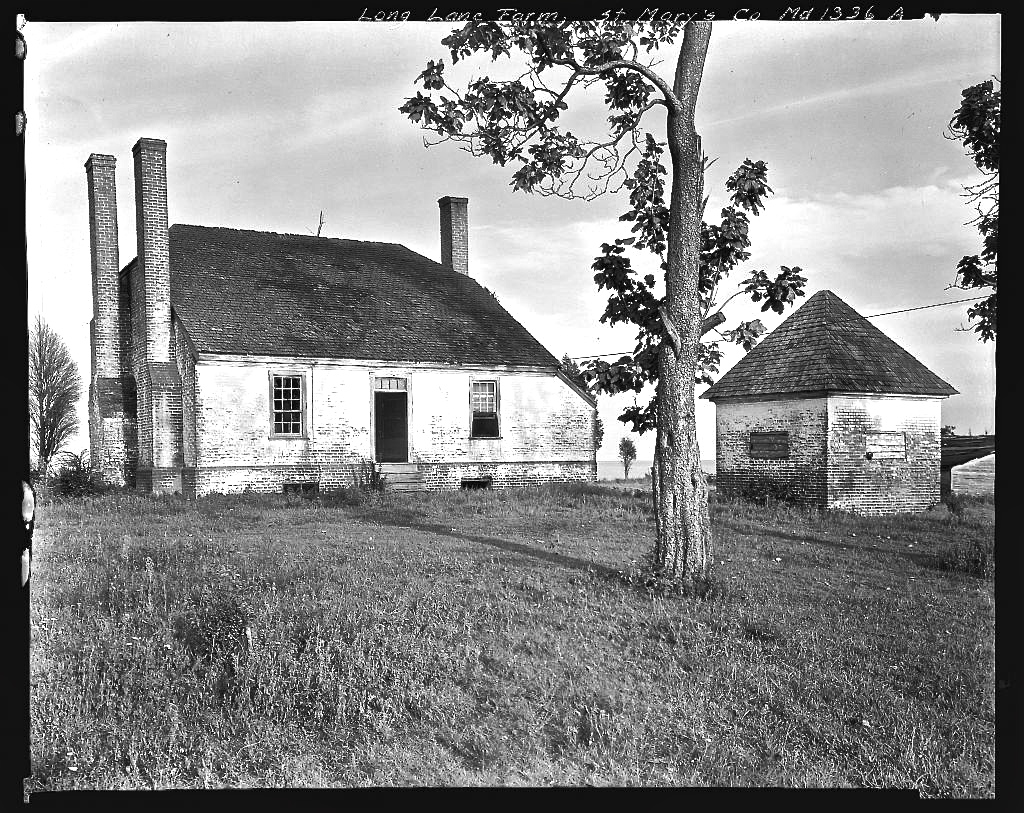
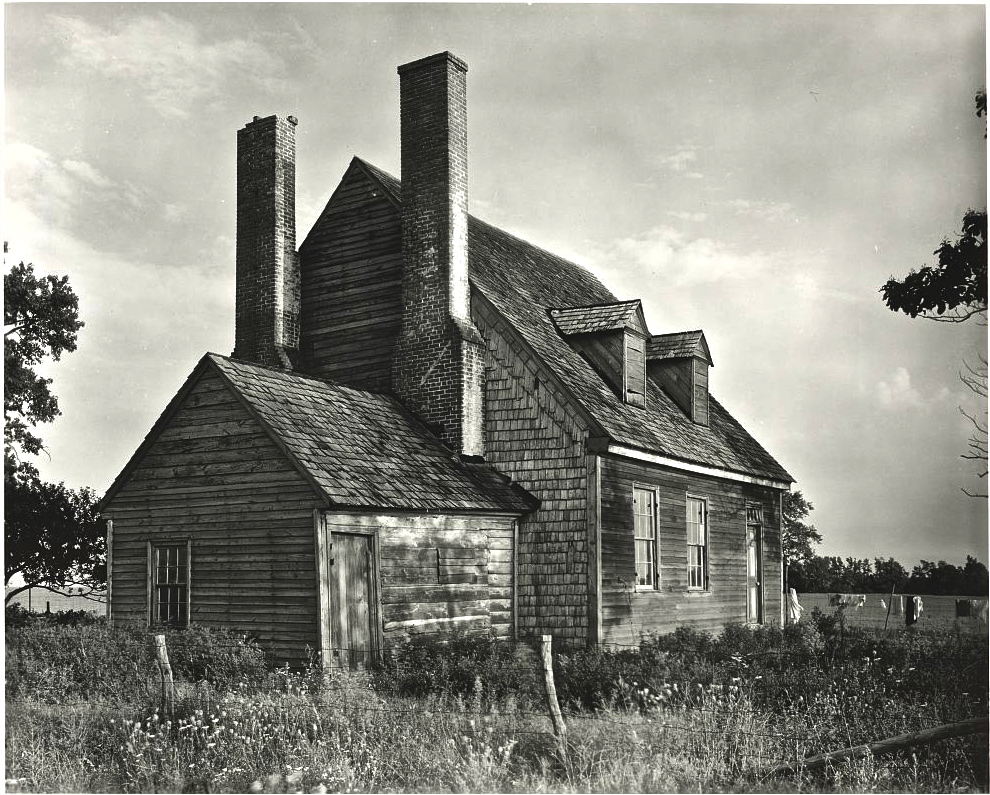
Long Lane Farm (above), St. Mary’s County, Maryland.

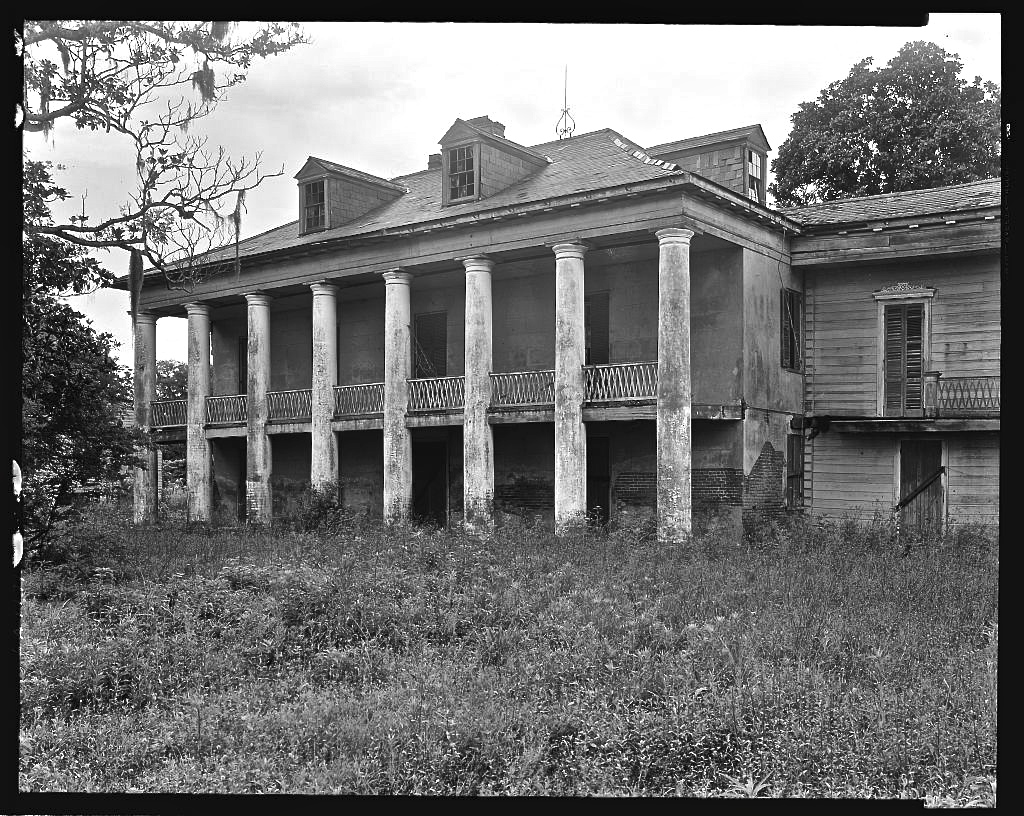
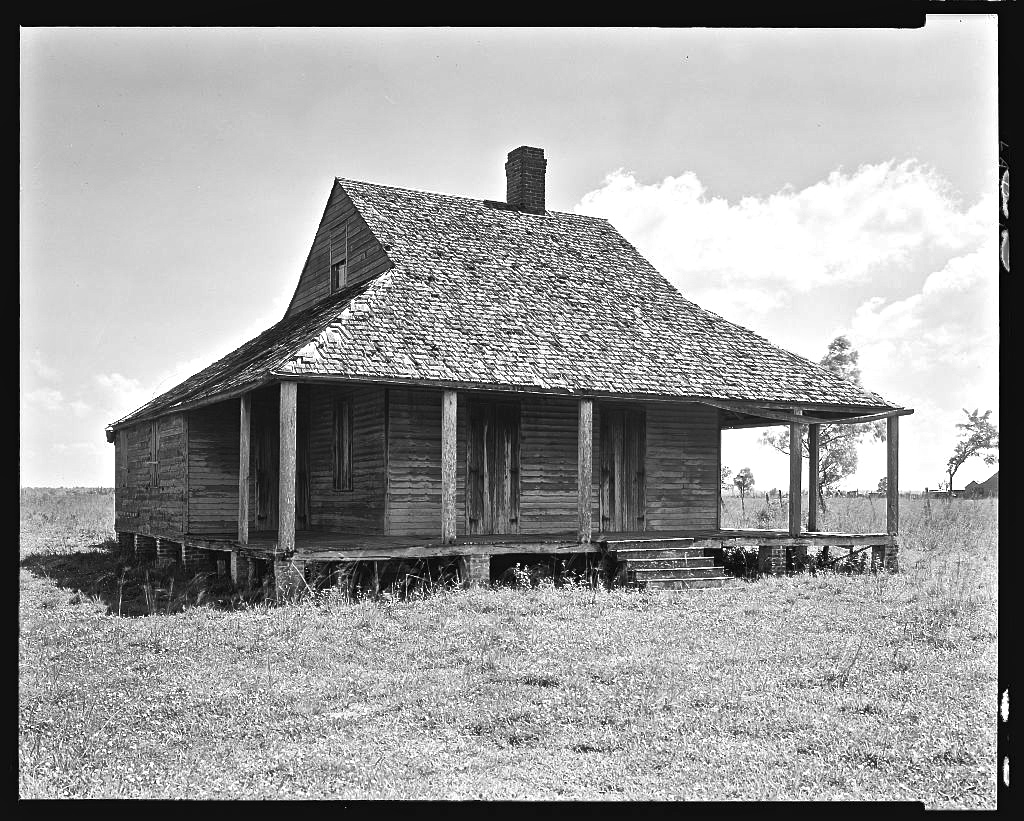
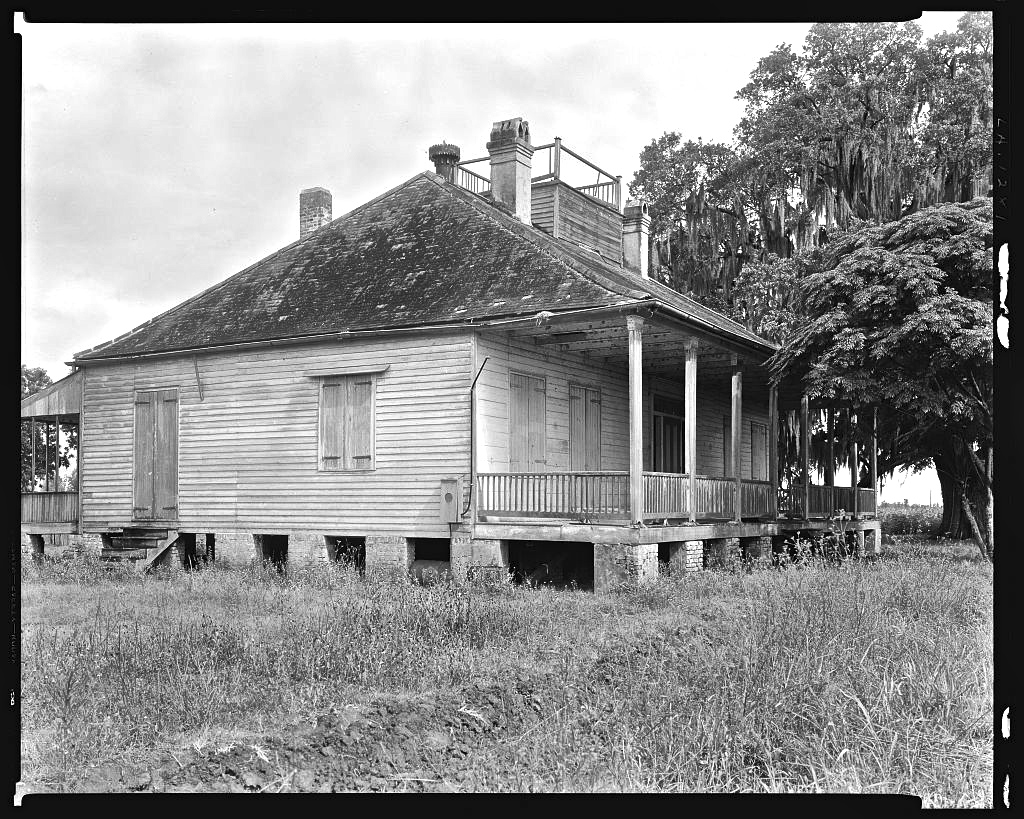
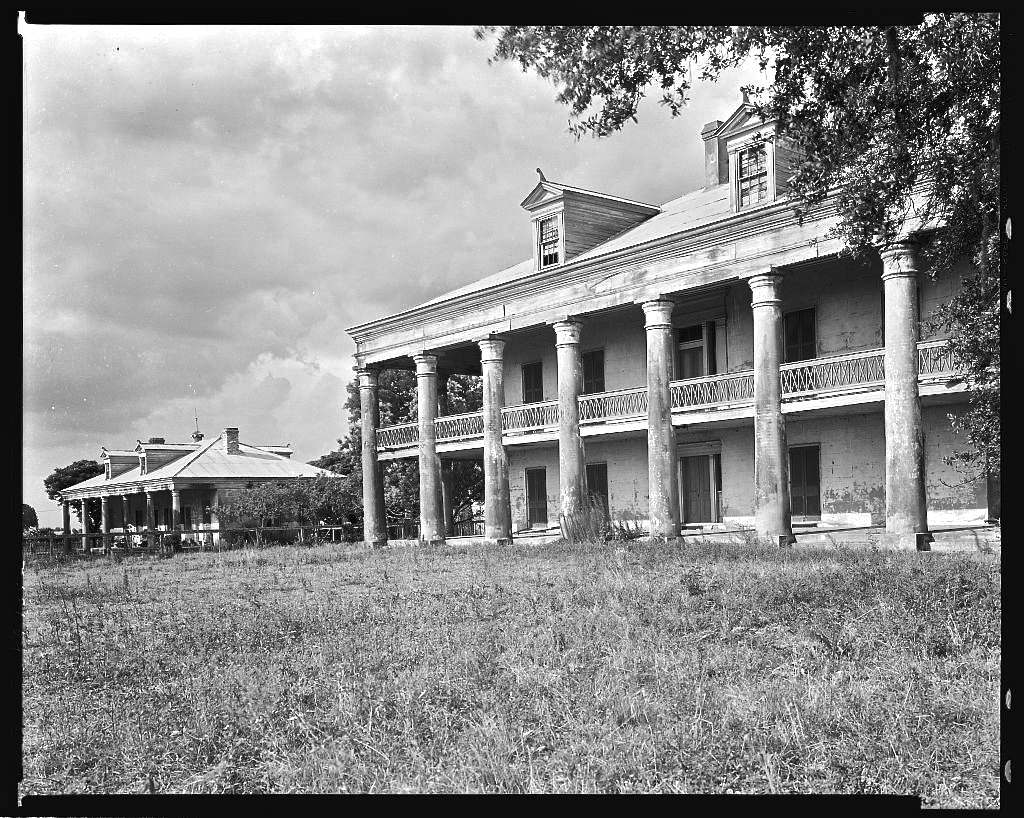
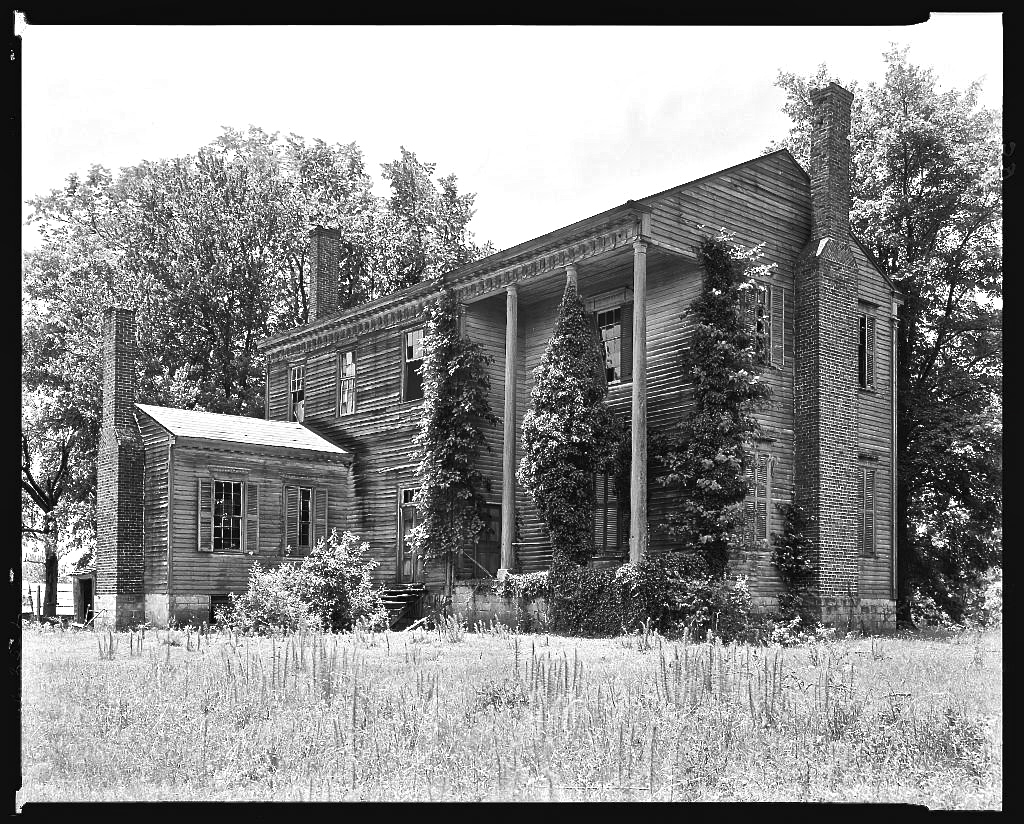
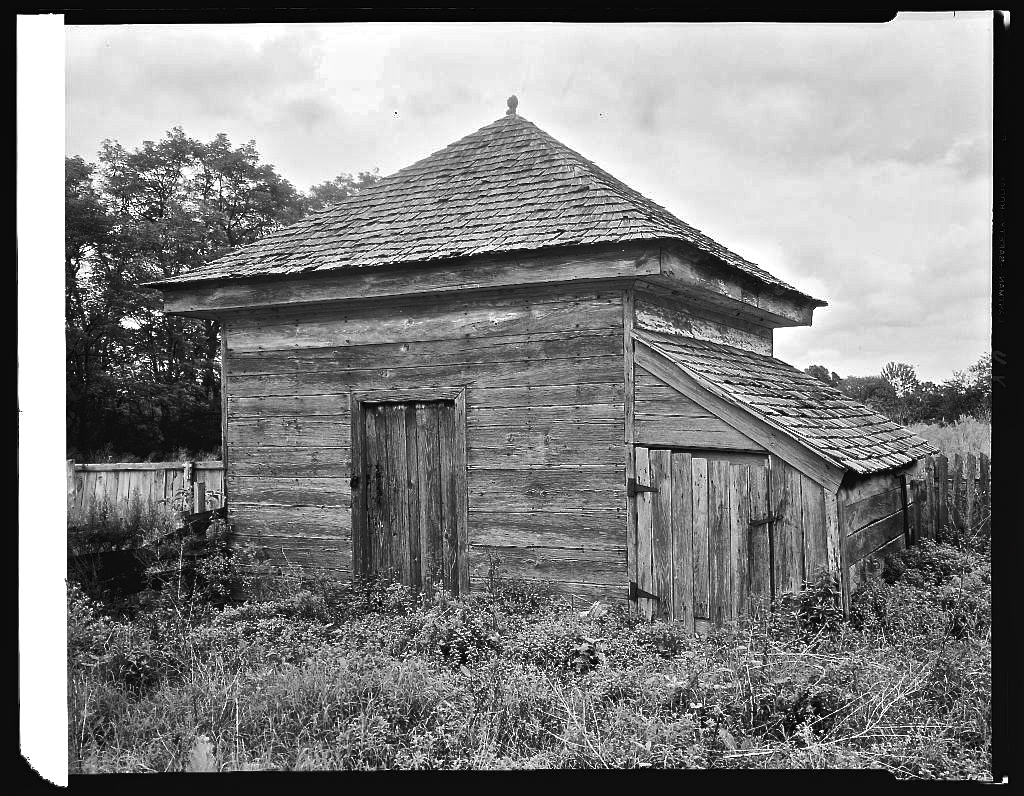
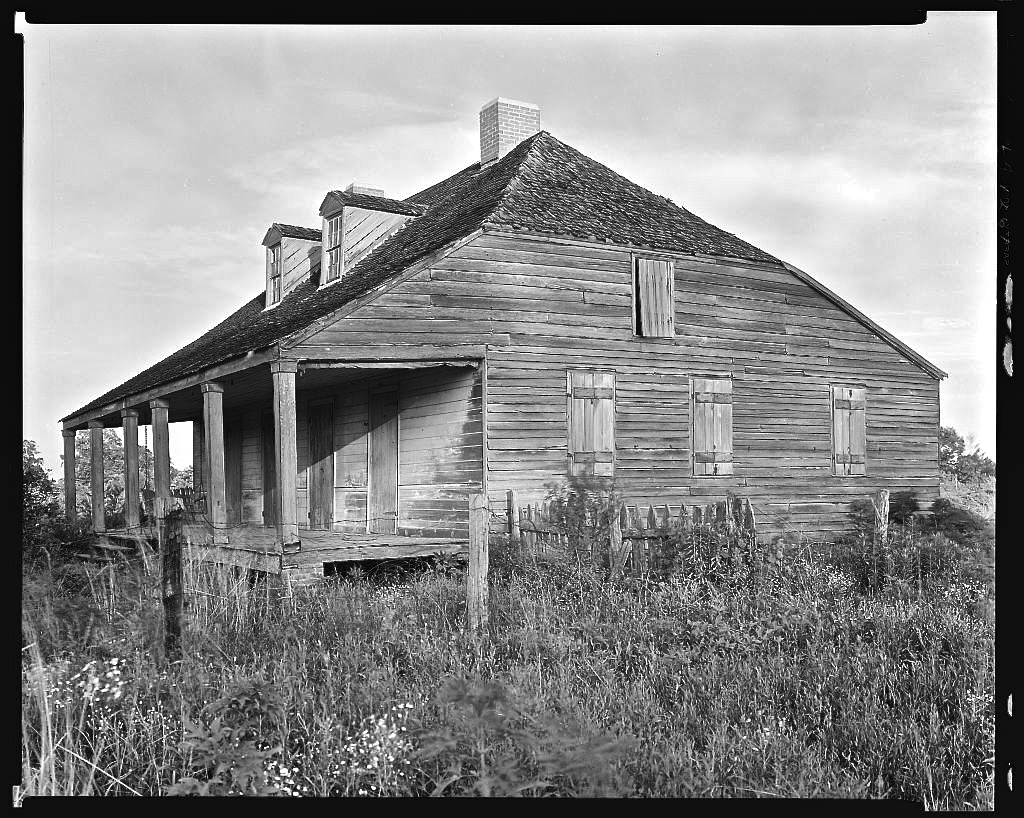
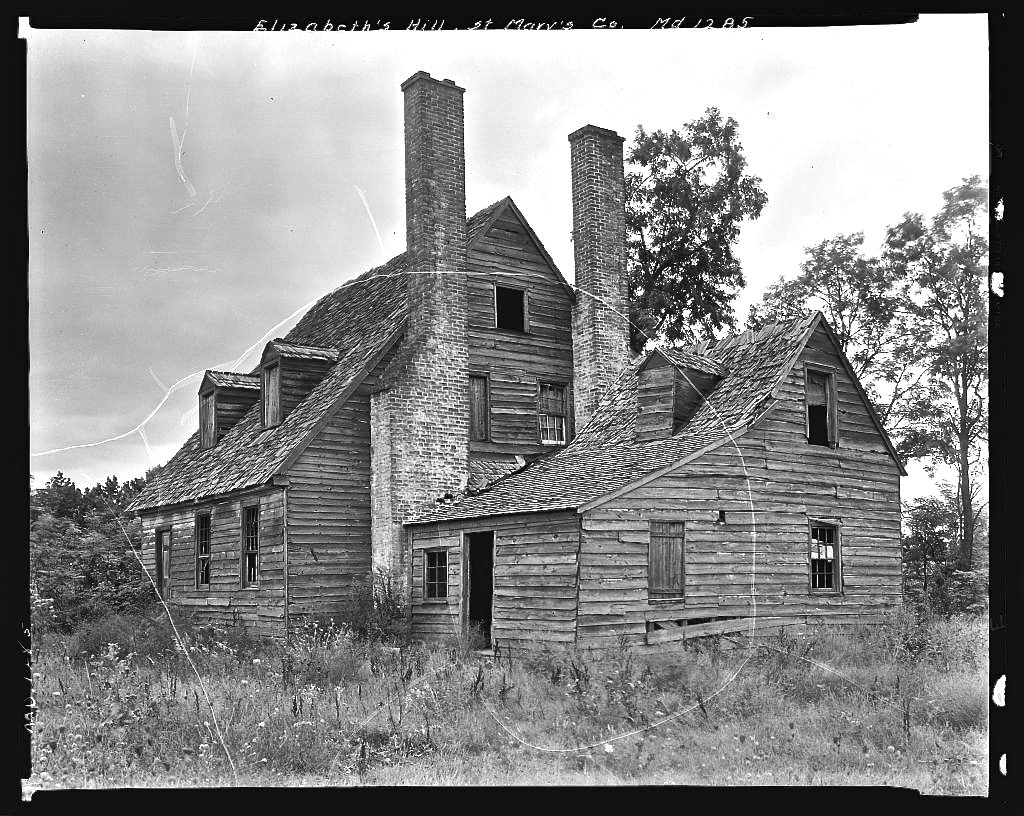
A lot of the houses I’ve looked at in the Carnegie Survey of the South collection are decrepit or abandoned. They have “lawns” of tall grass, weeds, and a some remaining flowers. But they are beautiful resting in their wavy, ragged negative space. Their foundations aren’t obscured by shrubs; their porches float.

Beauregard House (above), Chalmette, Louisiana.

Cabin (above), St. John the Baptist Parish, Louisiana.

(above) Moccasin, Louisiana.

Uncle Sam Plantation (above), St. James Parish, Louisiana.

Prospect Hill (above), Airlie, North Carolina.

Driscoll Farm (above), St. Mary’s County, Maryland.

Greenway, aka Marlee (above), Charles City County, Virginia.

(above) New Roads, Louisiana.

Elizabeth Hill (above), St. Mary’s County, Maryland.

Woodlawn Plantation (above), Napoleonville, Louisiana.

All photos by Frances Benjamin Johnston, taken in the late 1930s for the Carnegie Survey of the South, via Library of Congress Prints and Photographs Division.

Water tanks

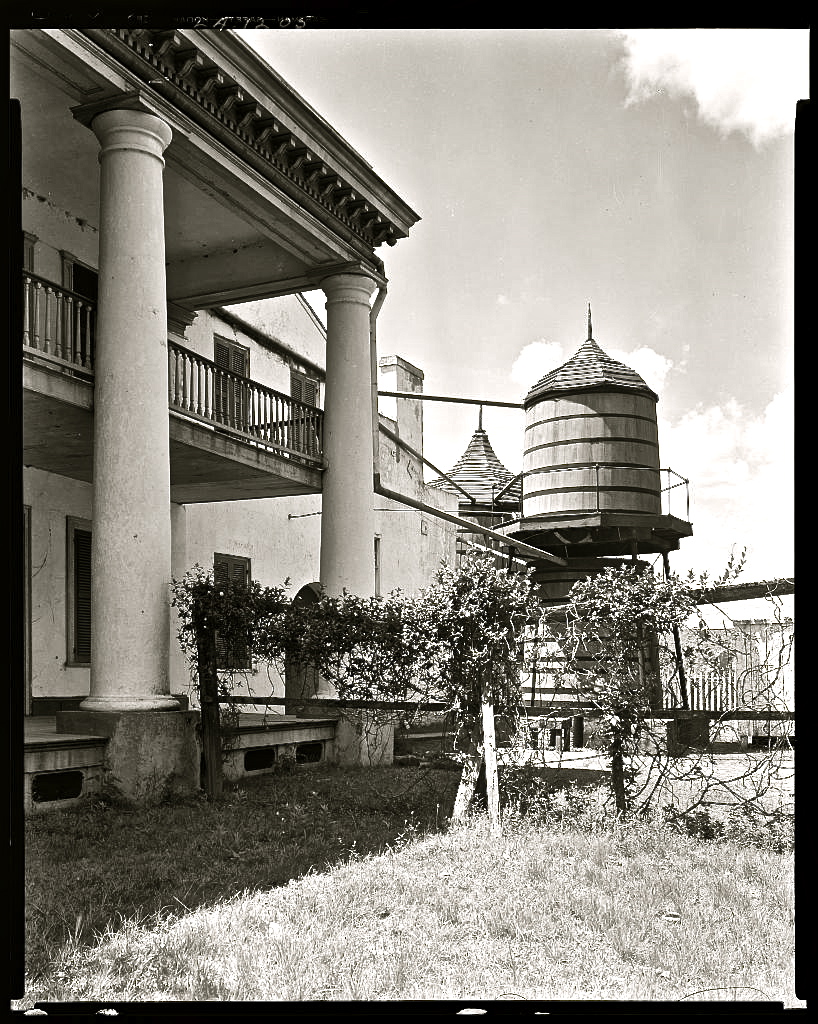
Here are three interesting and rather ornamental examples of 19th century tanks that captured rainwater runoff from house rooftops — all in Louisiana. All photos by Frances Benjamin Johnston via the Carnegie Survey of the South, Library of Congress Prints and Photographs Division.

Braeme House, Clinton, Louisiana, 1938; structure built 1834.

Burnside Plantation, Ascension Parish, Louisiana, 1938; built 1840.

San Francisco, St. John’s Parish, Louisiana, 1938; built 1849-1850 in the Steamboat Gothic Style. The tanks are at the sides of the house.

Some outbuildings

According to the authors of Louisiana Buildings: 1720-1940, “it was the custom in French Louisiana to have separate housing for the young men of the family as they grew older. Always within the house grounds and sometimes actually connected to the house, a garçonnière was a way of adding living space without the inconvenience or necessity of modifying the original plan.”

This garçonnière at Burnside Plantation, Ascension Parish, Louisiana, was built about 1840. (All photos by Frances Benjamin Johnston via the Carnegie Survey of the South, Library of Congress Prints and Photographs Division; all taken in the 1930s.)

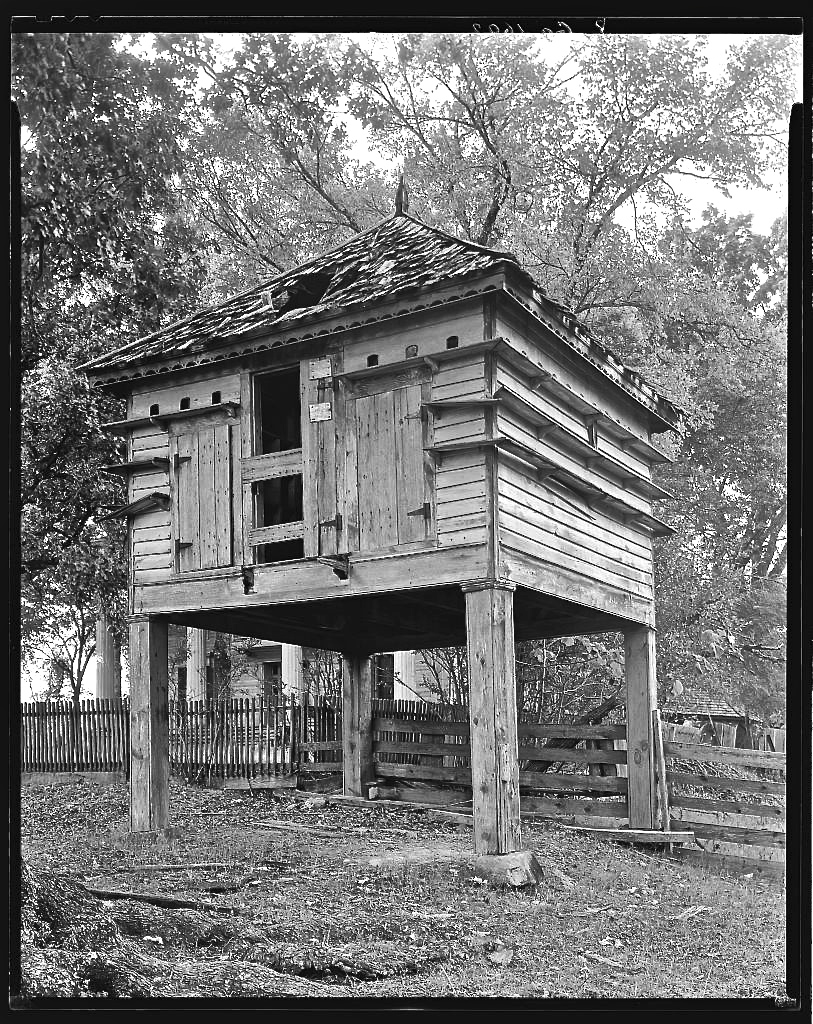
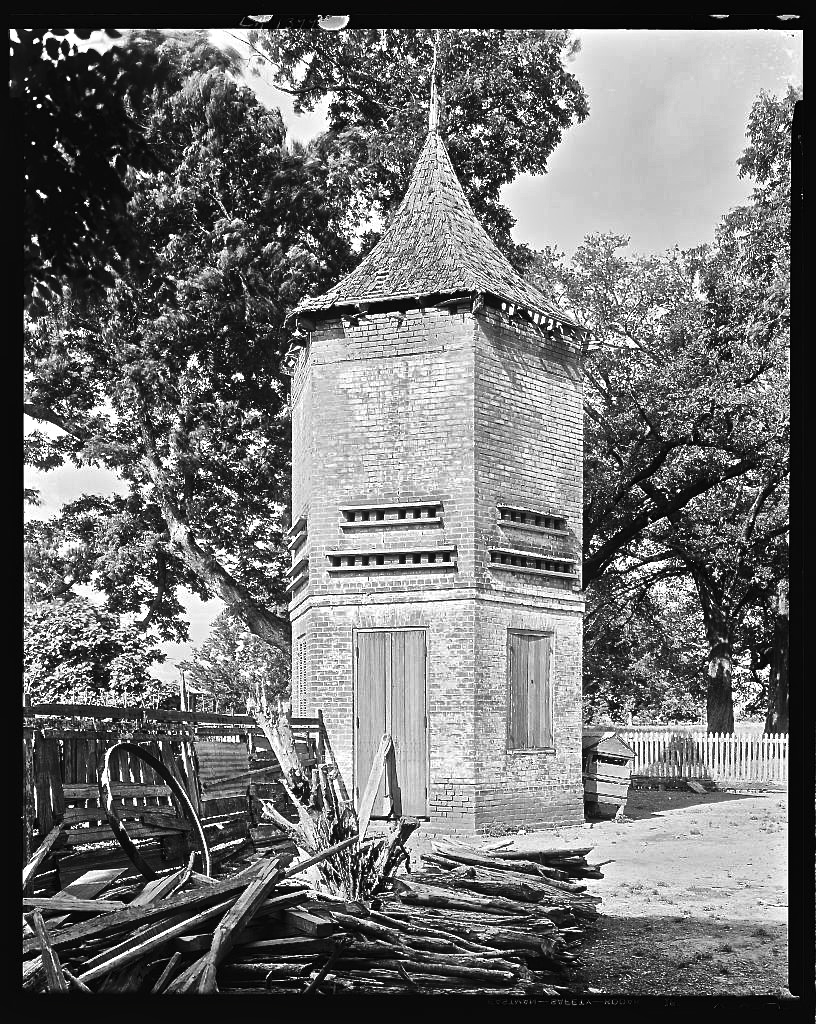
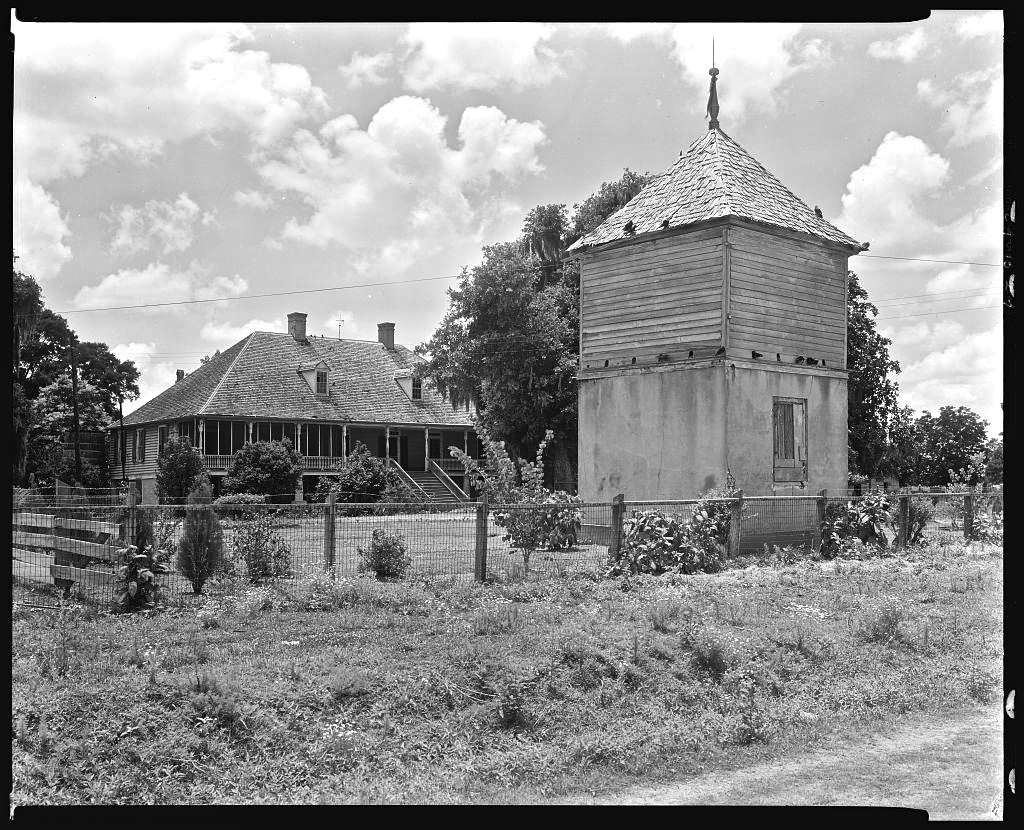
Other often pretty outbuildings in the south included pigeonnieres or dovecotes. “Domestic pigeons had value not only as ornamental birds and a delicacy, but as a source of fertilizer.”

Shirley Plantation, Charles City County, Virginia.

Hill Plantation, Wilkes County, Georgia.

Uncle Sam Plantation, St. James Parish, Louisiana; built 1836.

Riverlake Plantation, Point Coupee Parish, Louisiana.

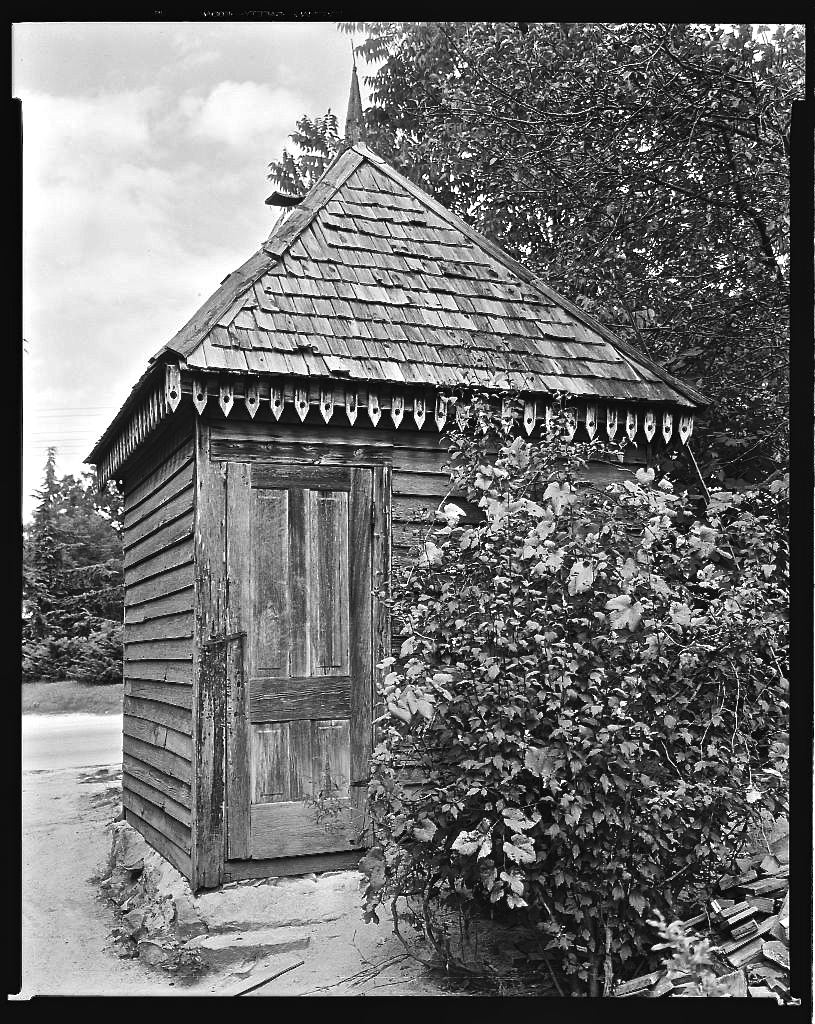
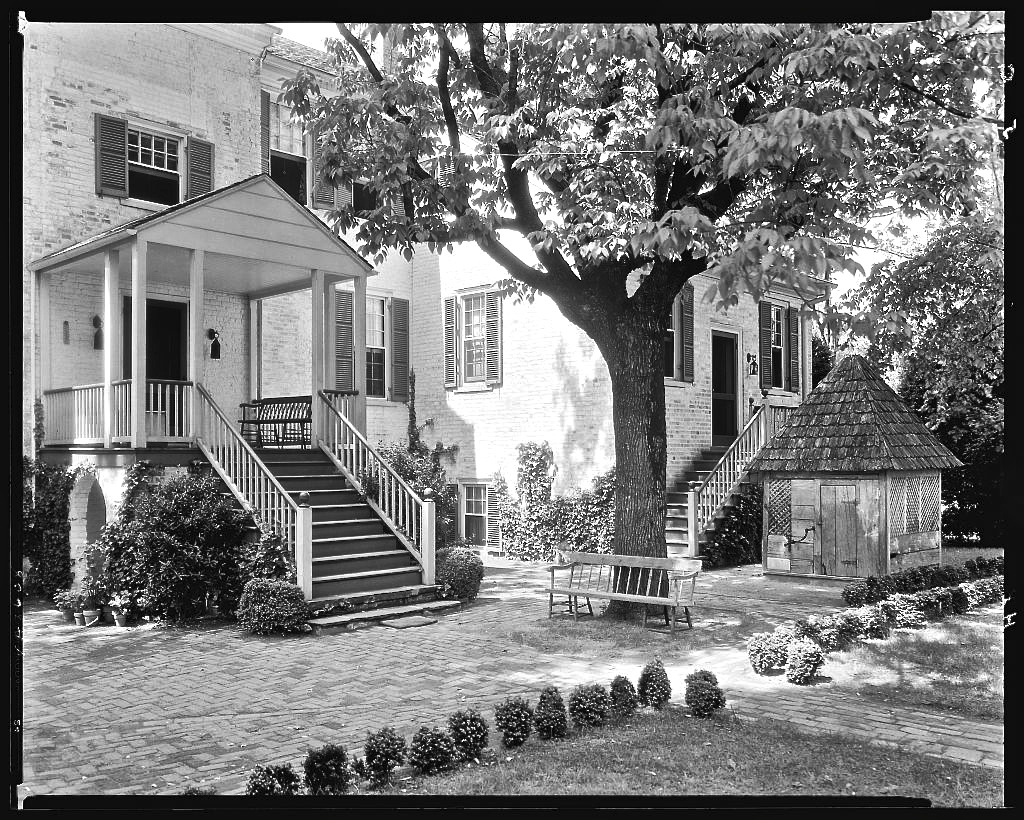
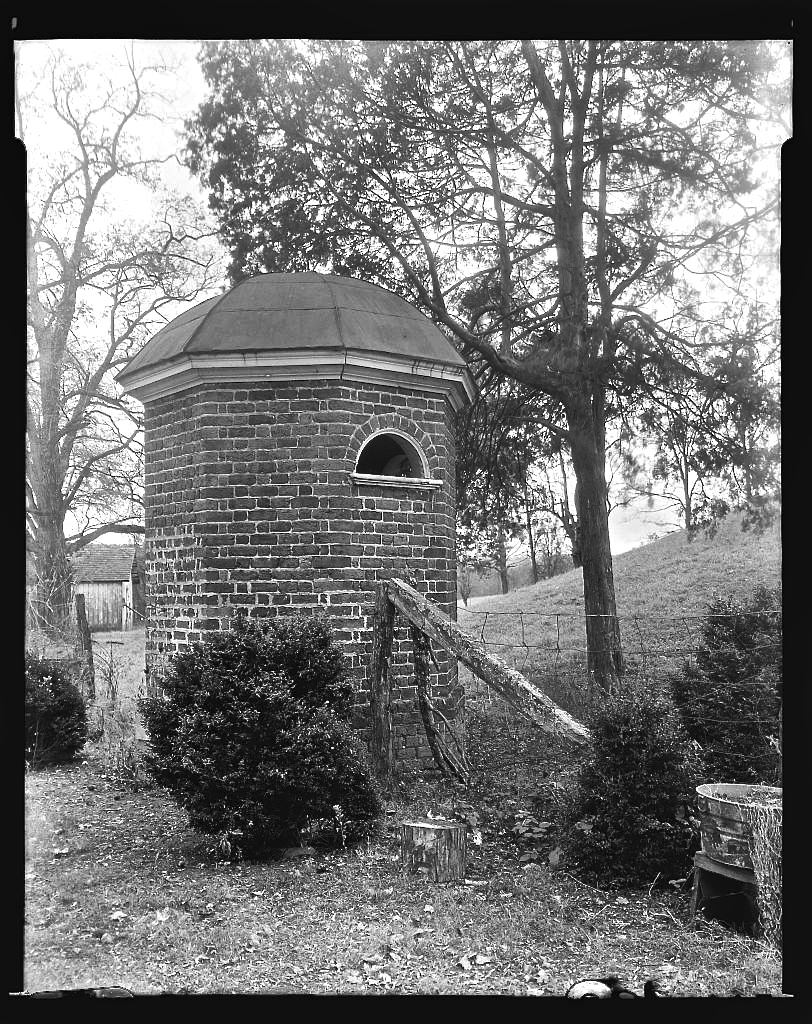
Finally, no pre-twentieth century house could be without one of these little buildings:

Privy, Great Chimney House, Lexington, Georgia.

Privy, Reveille House, Richmond, Virginia.

Privy, Poplar Forest, Lynchburg, Virginia.