

Wordless Wednesday: Lake Kivu at late afternoon
A recent visit to the Virunga Safari Lodge in the north of Rwanda made me think of Russell Page’s book, The Education of a Gardener, and his words on handling a hilltop site with a view.

The Lodge –near the Parc National des Volcans and the famous mountain gorillas — has extraordinary views. Guests can see two lakes and several volcanoes. But Page wrote that such a location is not ideal for the gardener.
“If I were to choose a site for a garden for myself,” he wrote, “I would prefer a hollow to a hilltop. A panorama and a garden seen together distract from each other. One’s interest is torn between the garden pattern with its shapes and colors in the foreground and the excitement of the distant view. Everything is there at once and one has no desire to wander to make discoveries. . . .”
If, however, one does have to have a view, he advised: “Above all avoid any garden ‘design’ or any flower color which might detract from the main theme, which in such a case must be the view. . . . If there must be flowers they should be close against the house or below a terrace wall and so only visible when you turn your back to the view. I would arrange the gardened part of the garden — flowers and shrubs — to the sides or far enough below, so that they and the view are not seen at the same time.”
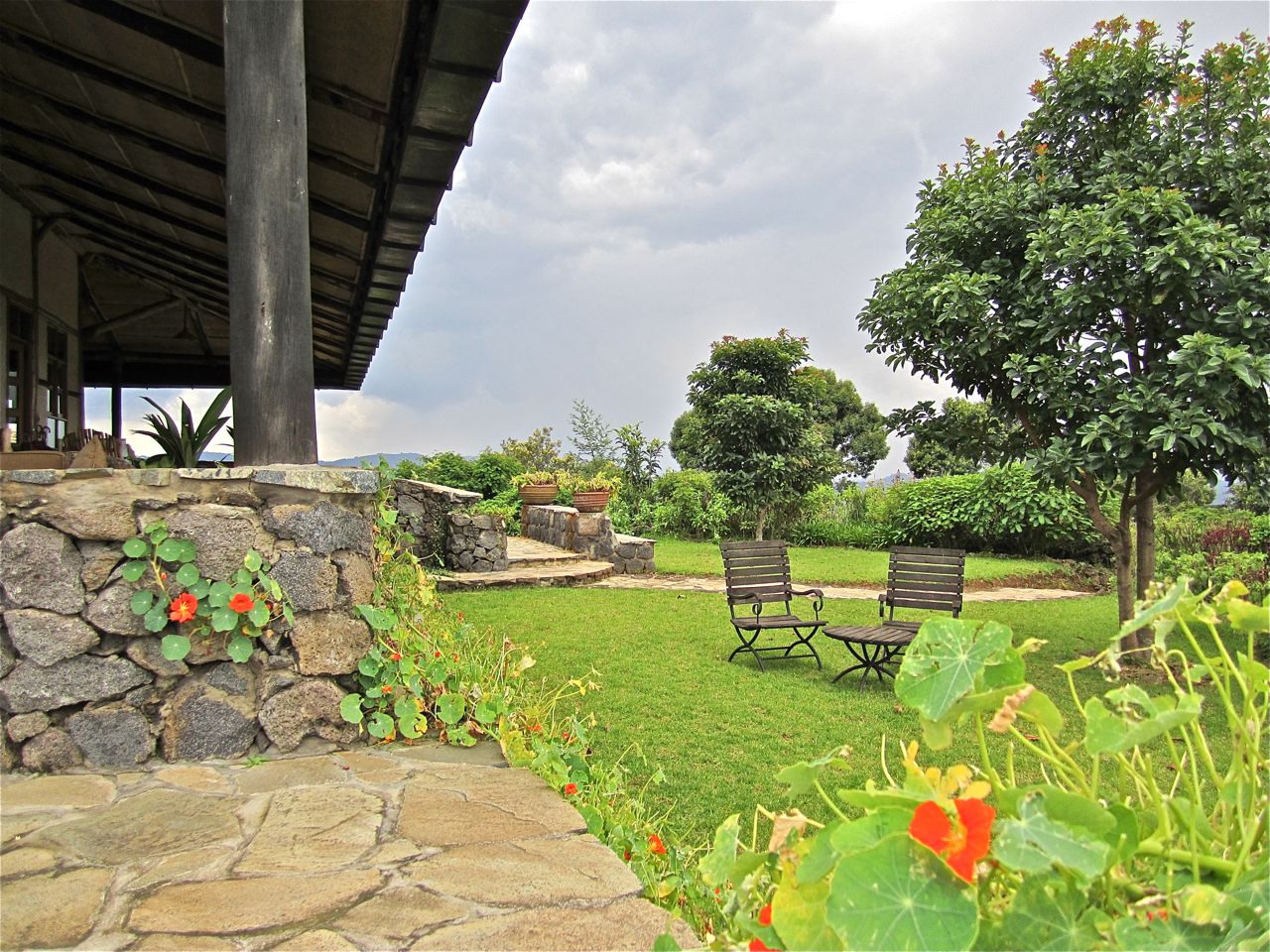
The landscape designer for Virunga Lodge seems to have worked right from the book, with beautiful results.
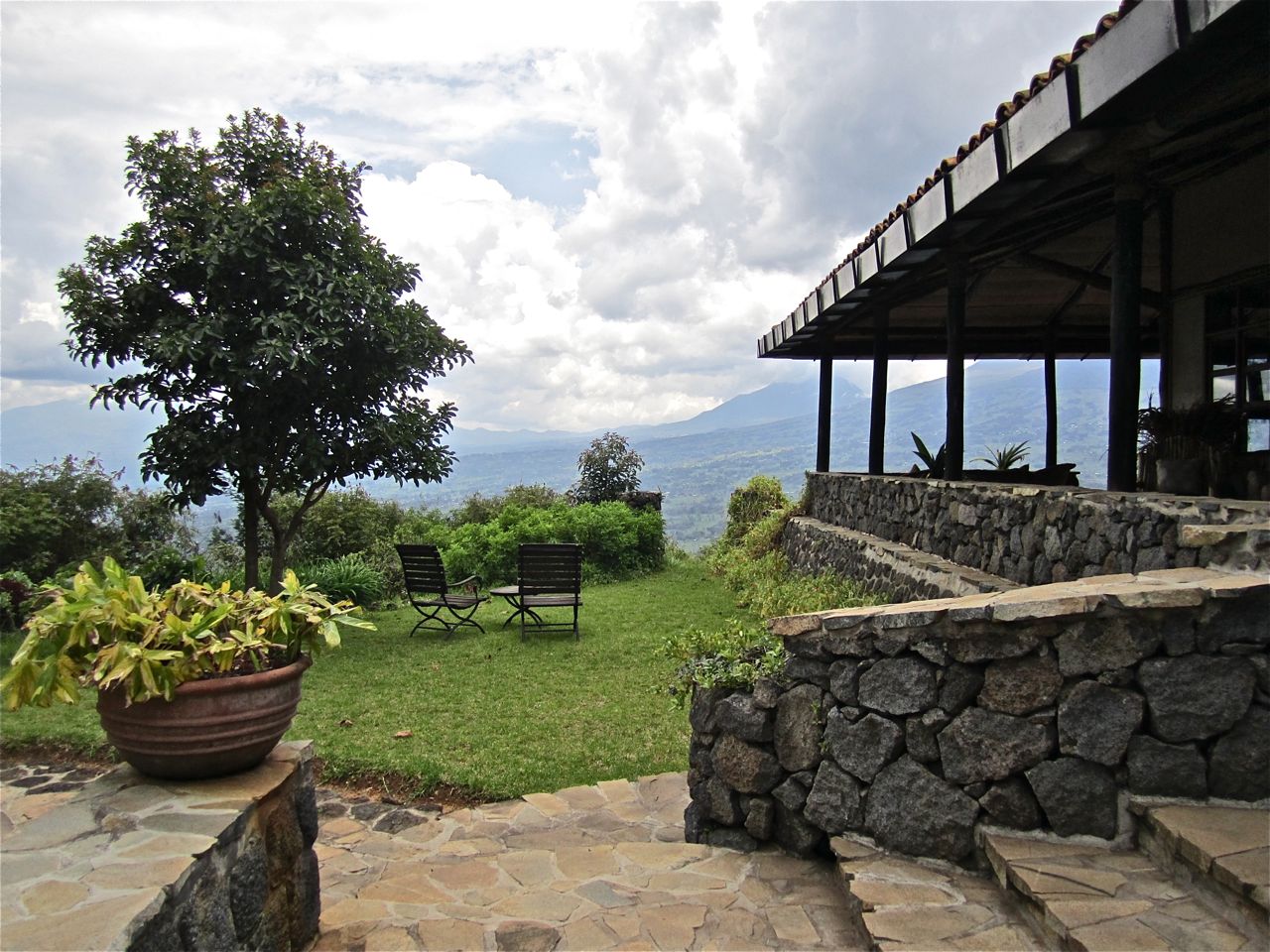


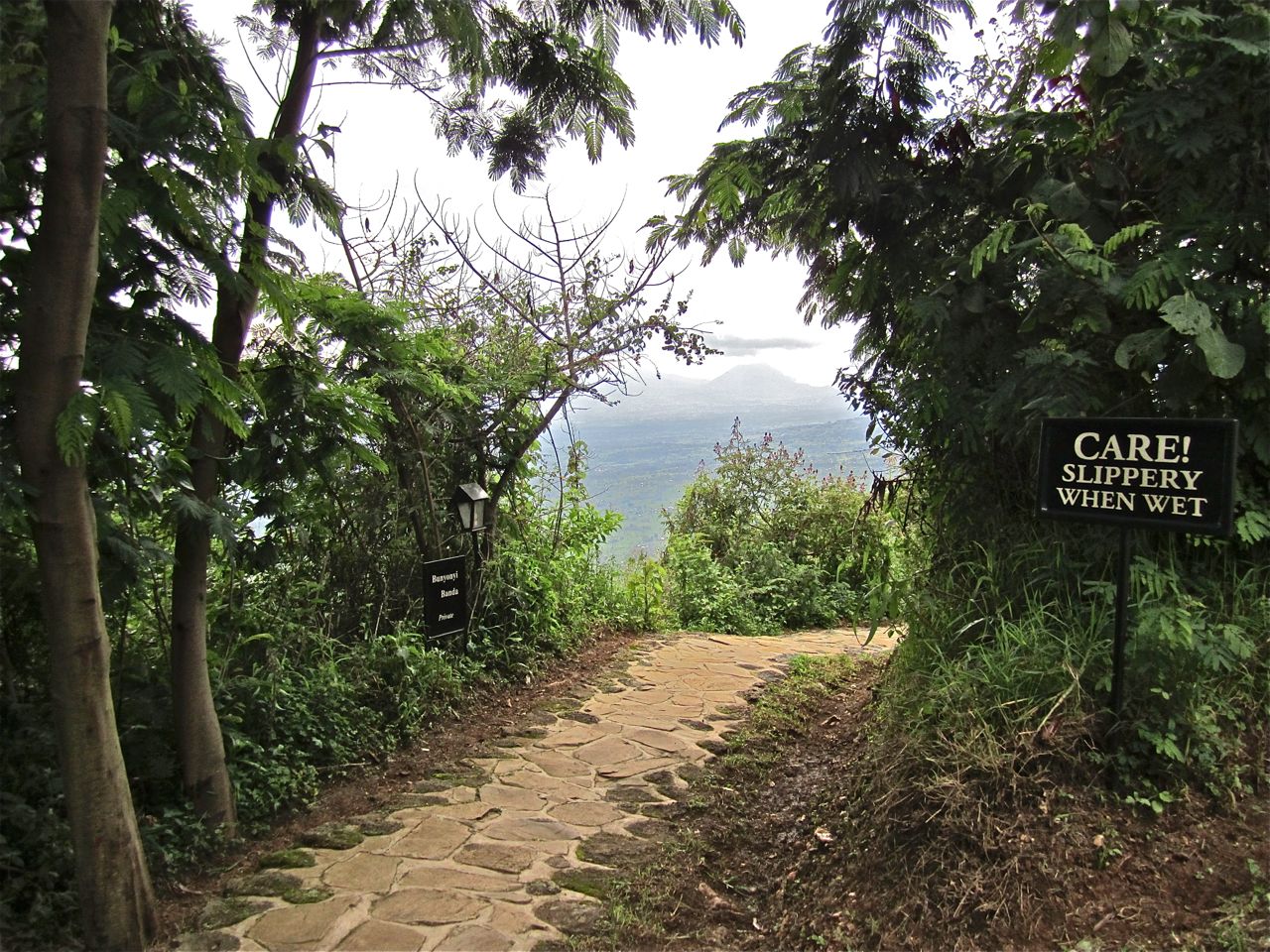

About three hours drive from Kigali, the Lodge has eight “bandas” or individual cabins, which operate on solar power and use rainwater recovered from the rooftops. It is very expensive at $600 per person per night,* although this is inclusive of all food and drink (including alcohol). (We just stopped by for a look.)


To get a better sense of the layout and location of the Lodge (and what it’s like to arrive by helicopter), you can watch this short YouTube video.
The same morning as our stop at the Lodge, we visited two local schools and a nearby village family. Our guide was an American businessman working with faith-based development endeavors in Rwanda. He took us to the site of a house he is building for himself. At the moment, it’s just a stone and concrete foundation set on the edge of a hill.
But again, the views were absolutely amazing. He wisely plans to leave the land surrounding the house (which is all sloping downward) very natural, hoping to attract as many birds as possible.

Living here, one might begin to feel like a bird.
*There are reductions for Rwanda residents.
Is anything more poignant than an old graveyard?
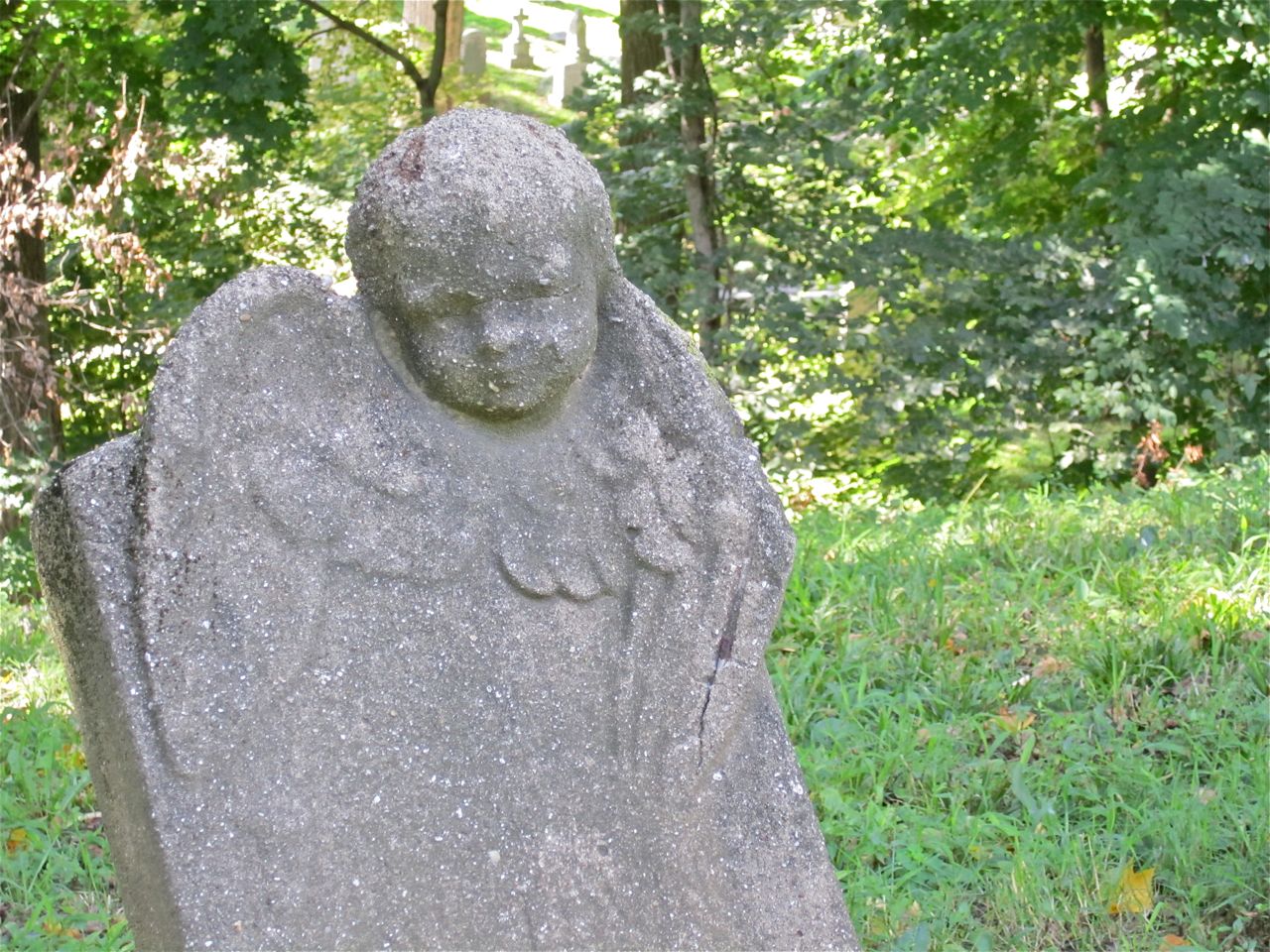
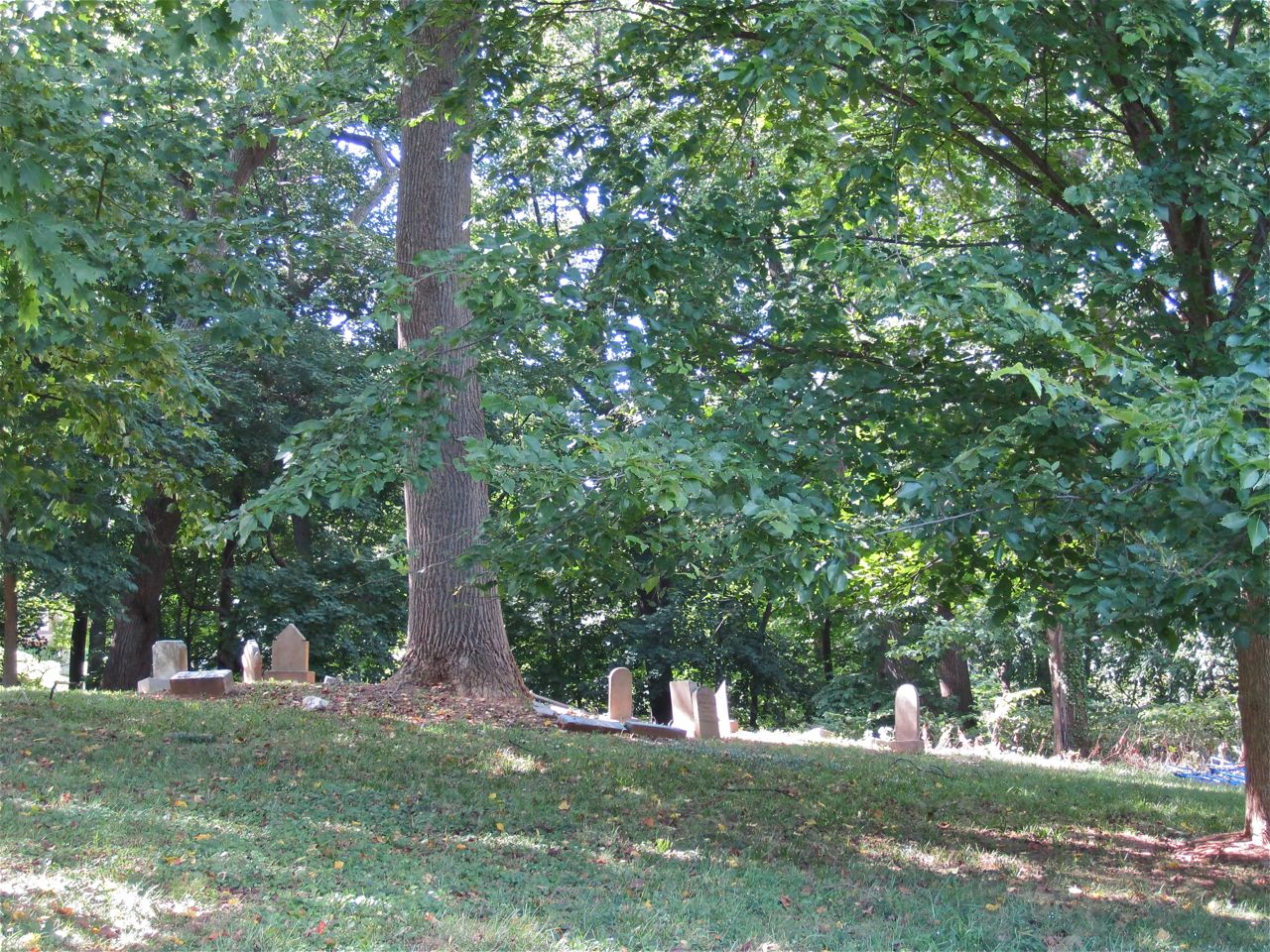
Mt. Zion Cemetery is tucked behind the apartment buildings and townhouses of the 2500 block of Q Street, NW, at the edge of Georgetown. I often pass it on my bus ride home. On Wednesday, as I was walking home after the earthquake, I stopped to take a closer look.
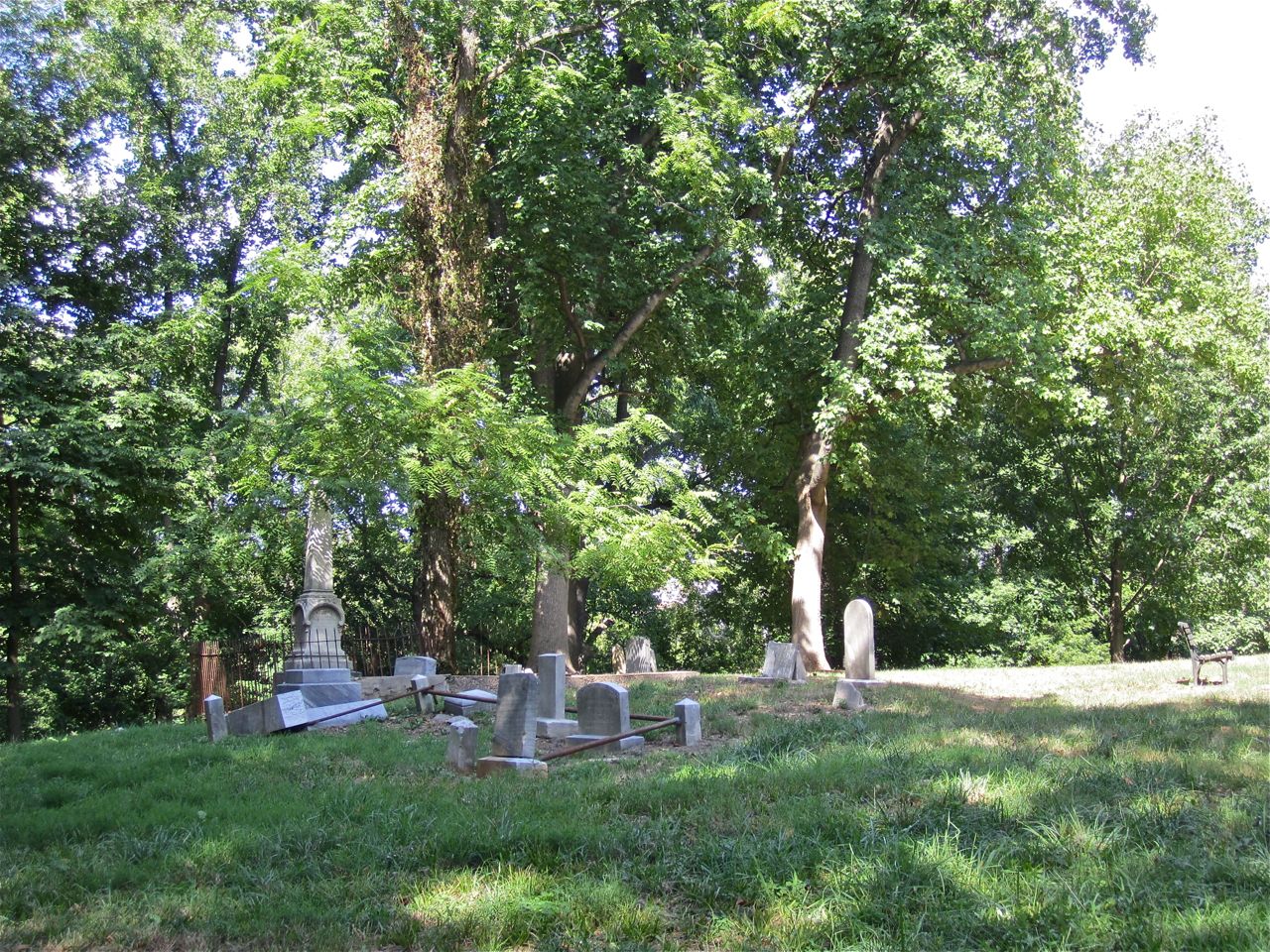
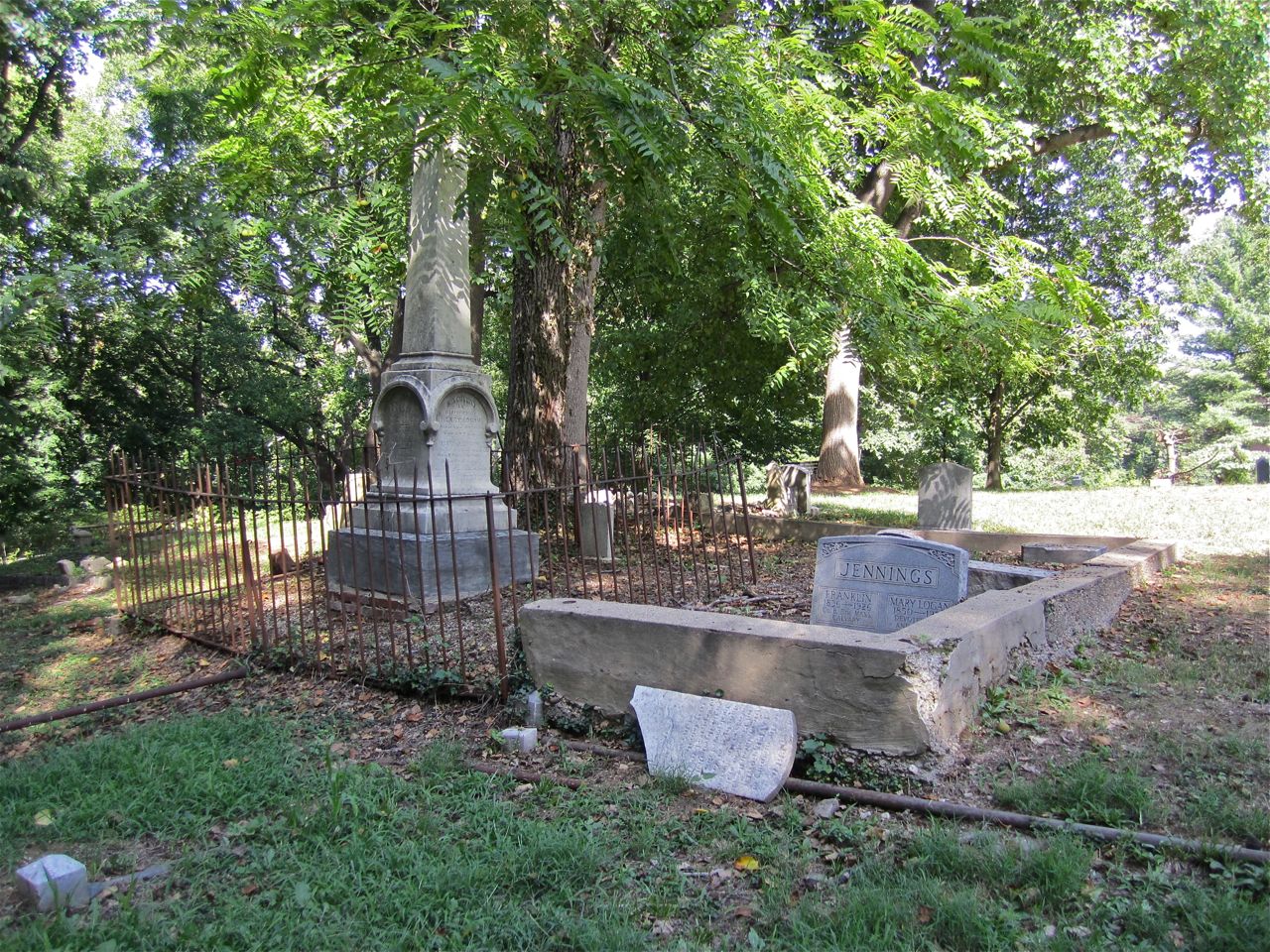
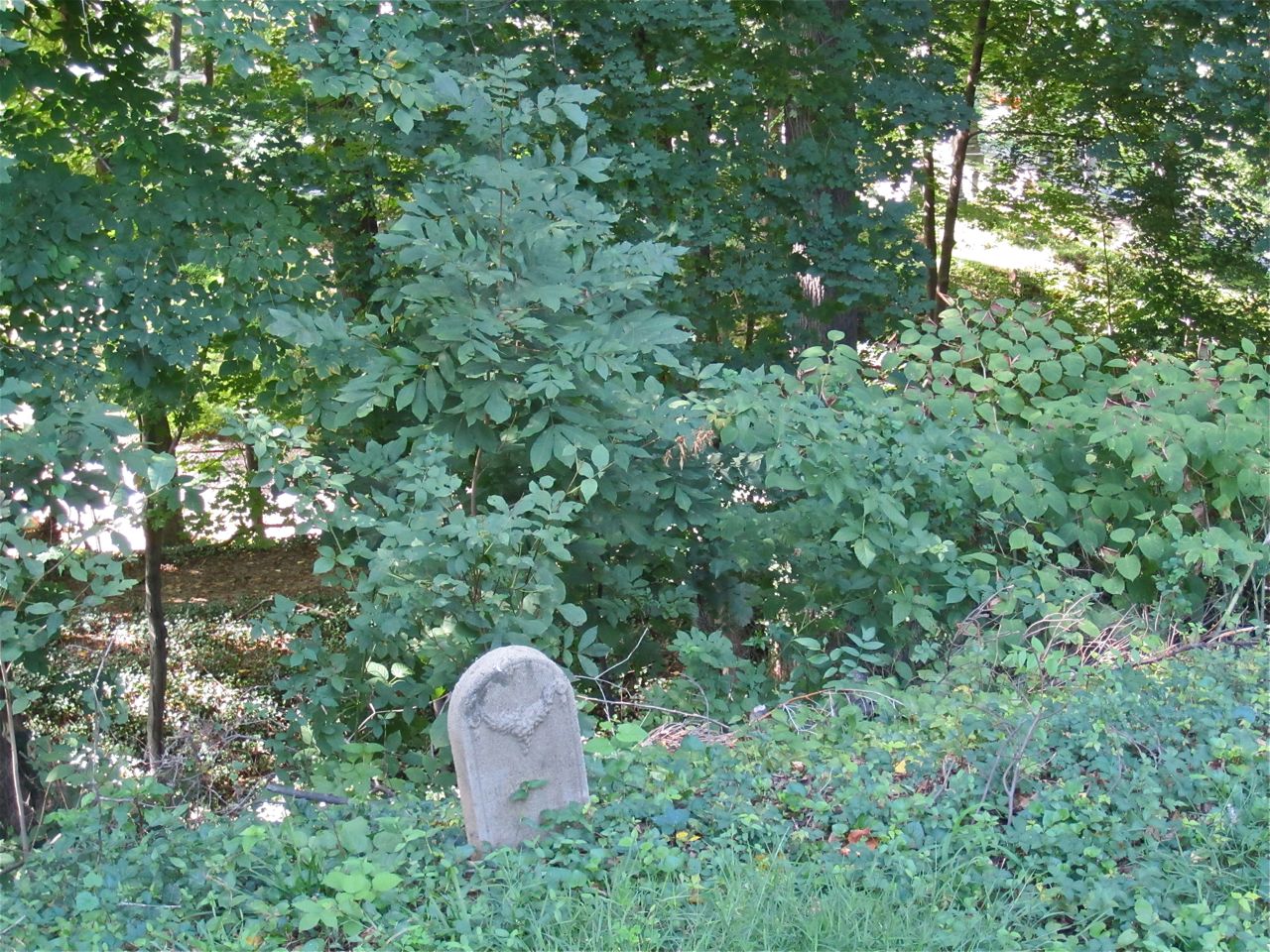
The burial ground covers about 3 acres. Many of the headstones have fallen or have been moved over time and are now consolidated into a few groupings. The grass is neatly cut and trimmed around the stones, but there are no flowers or other plantings. The woods of the Rock Creek Park trail surround the cemetery to the north and east.
What I suspected as I looked around — later confirmed by some online research — was that Mt. Zion was an old African-American cemetery, a reminder of the time (from the 1700s until the 1950s) when Georgetown had a large Black population.
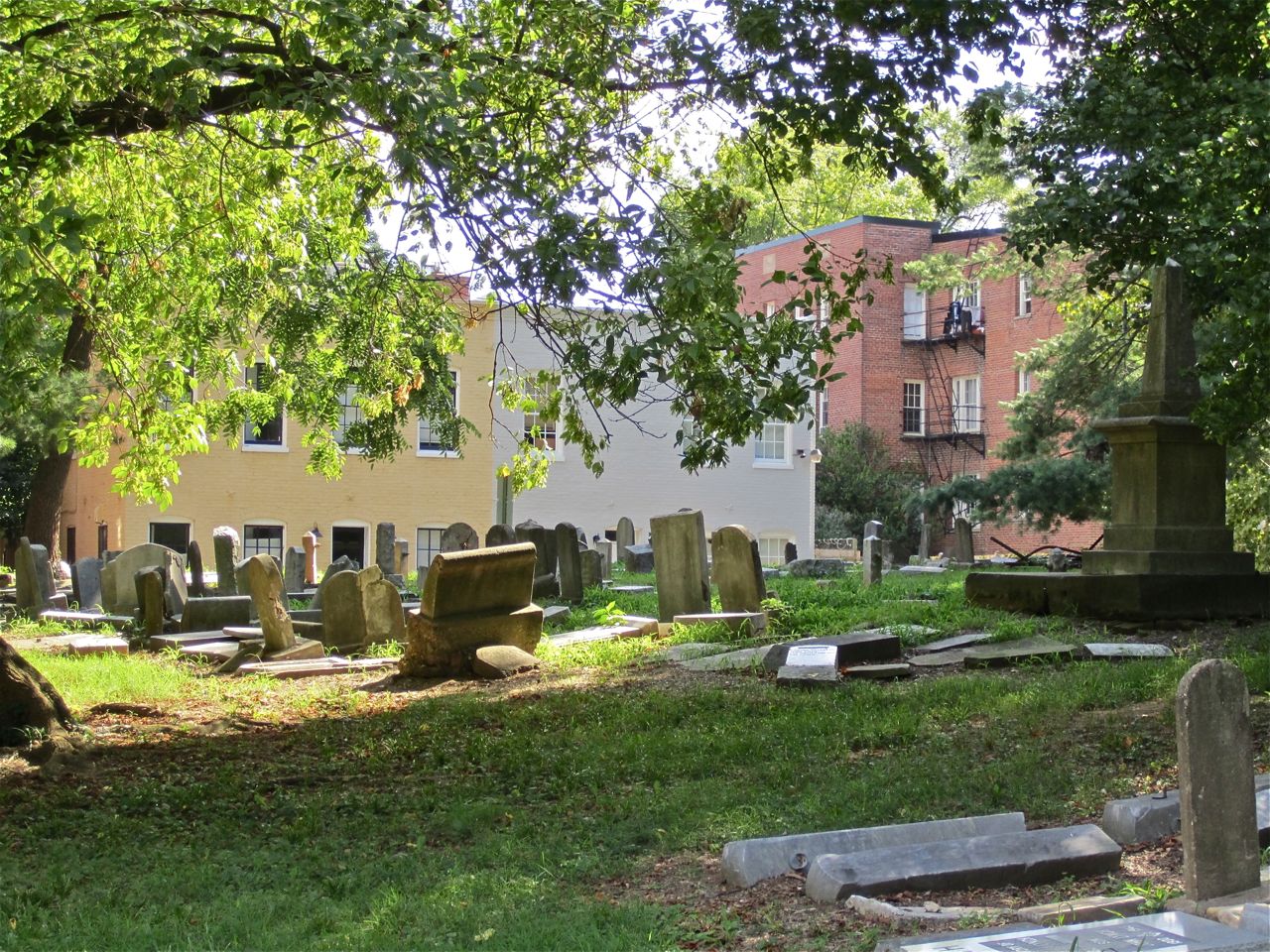
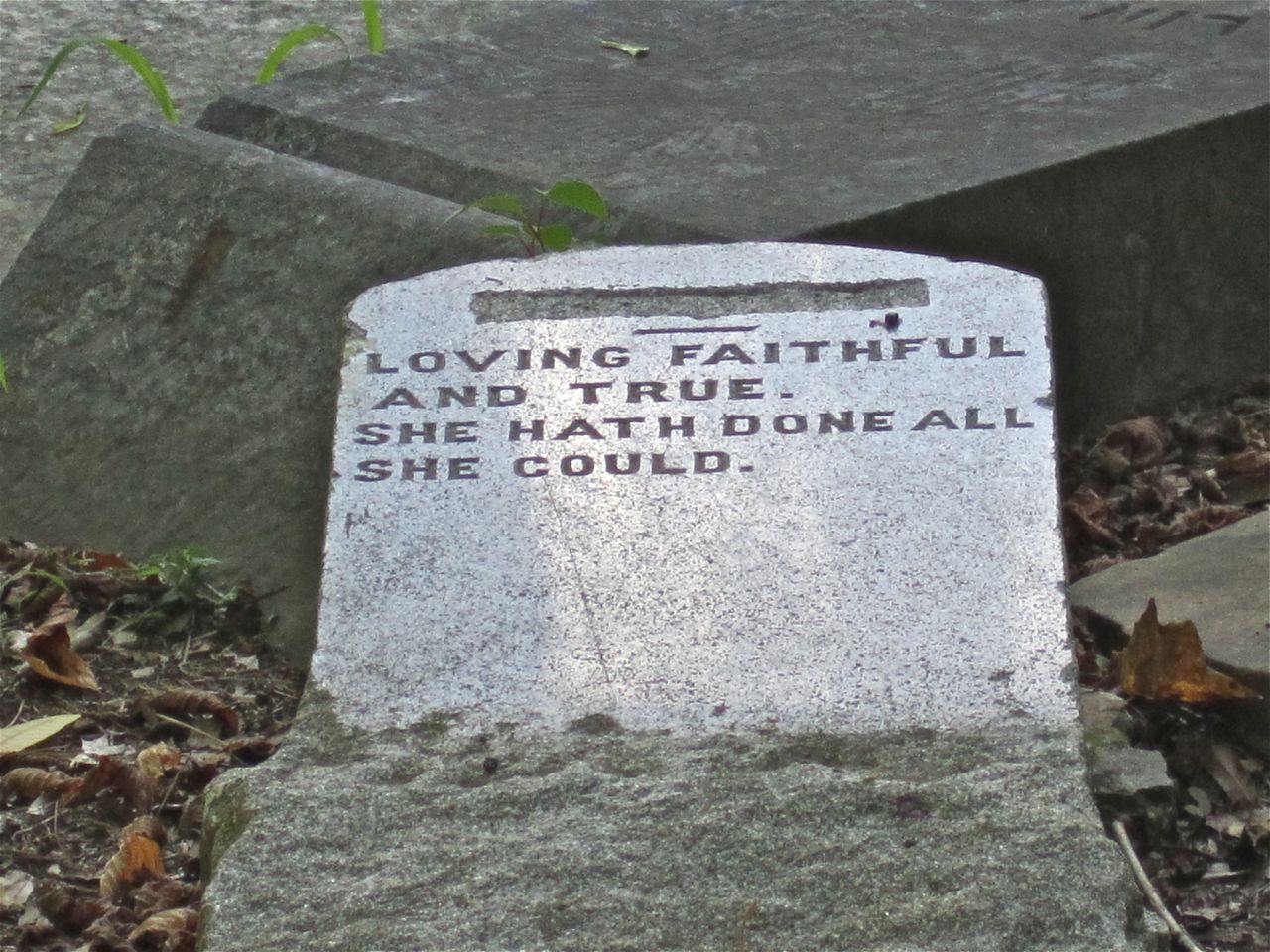
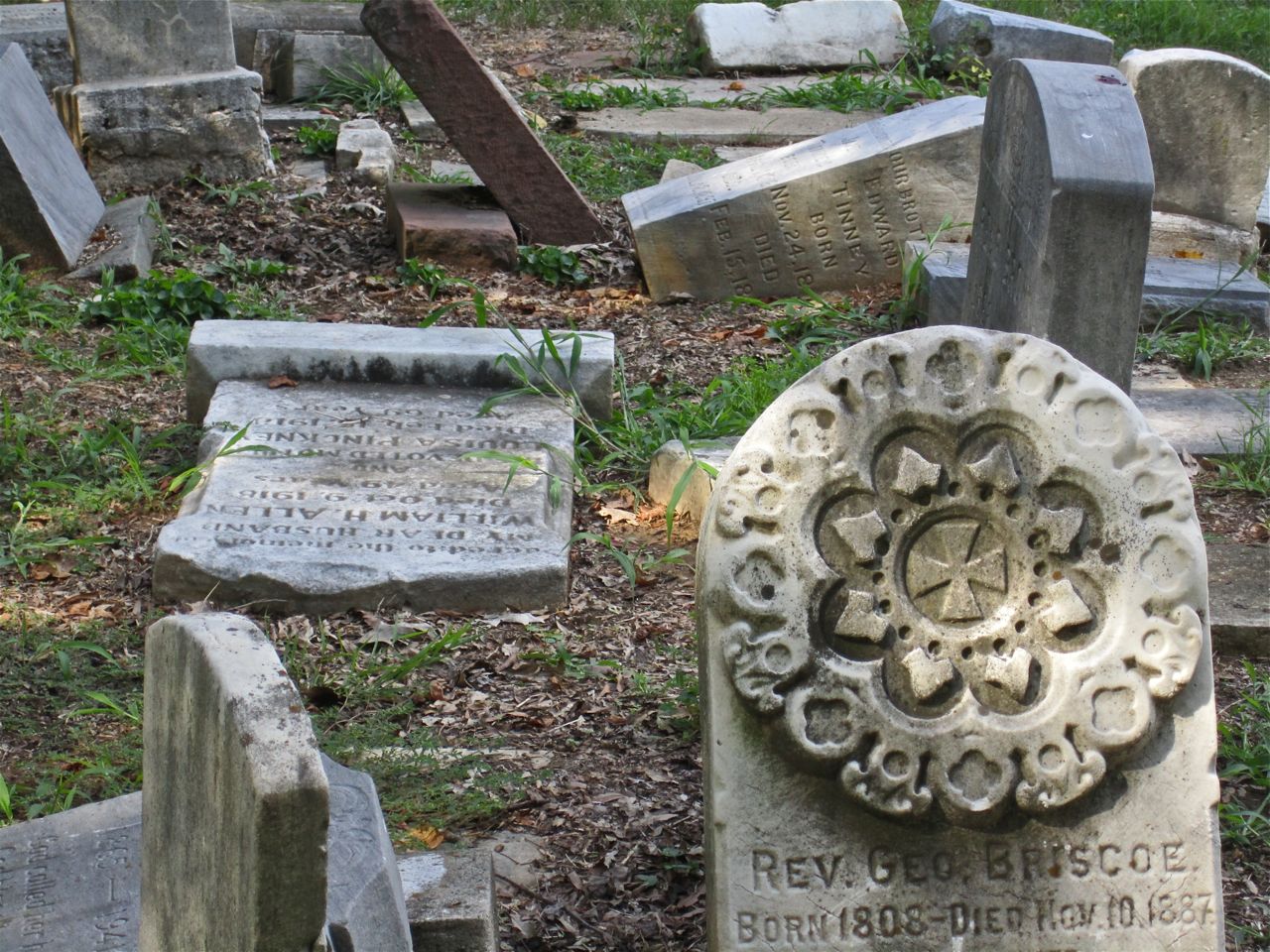
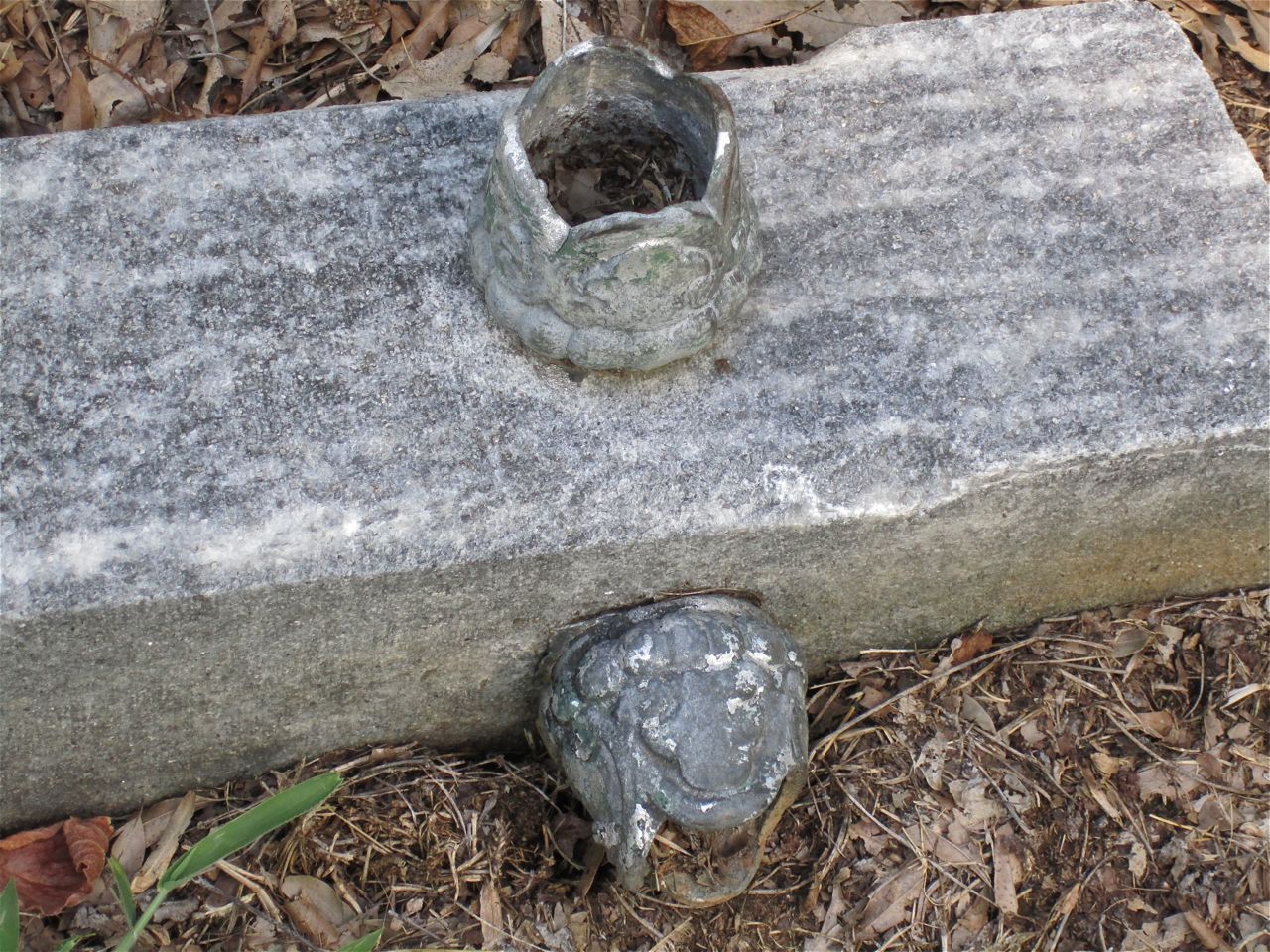
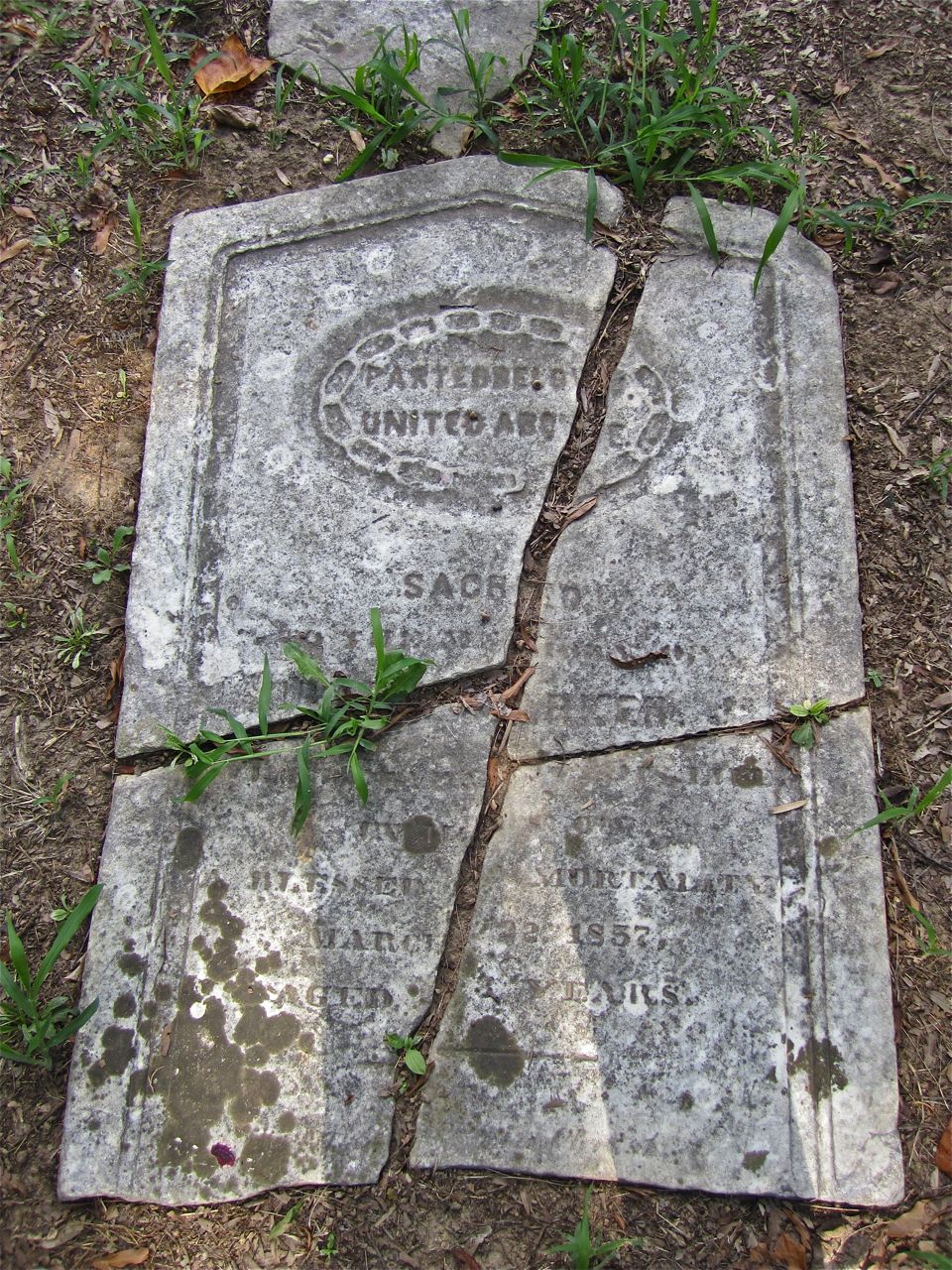
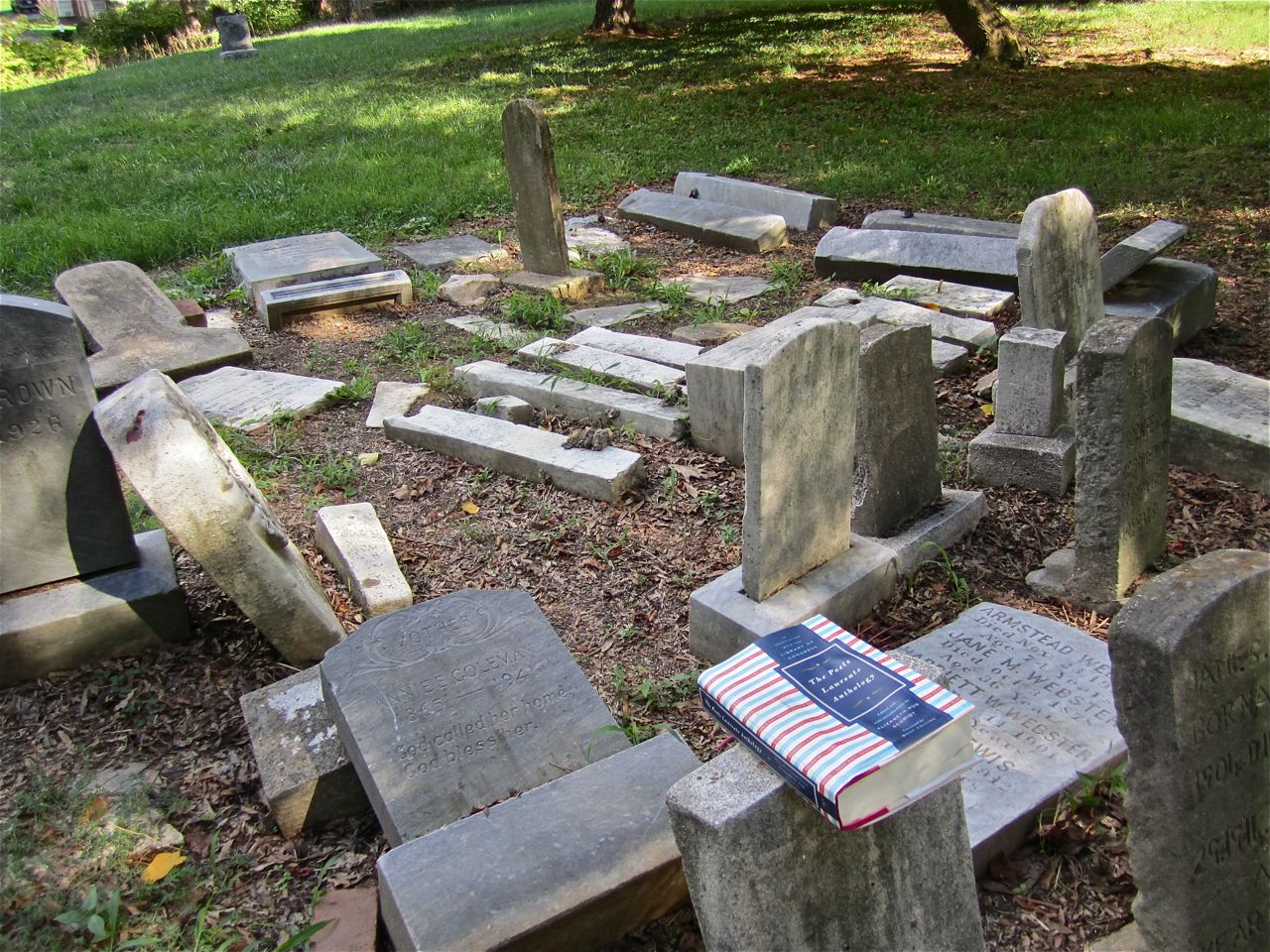
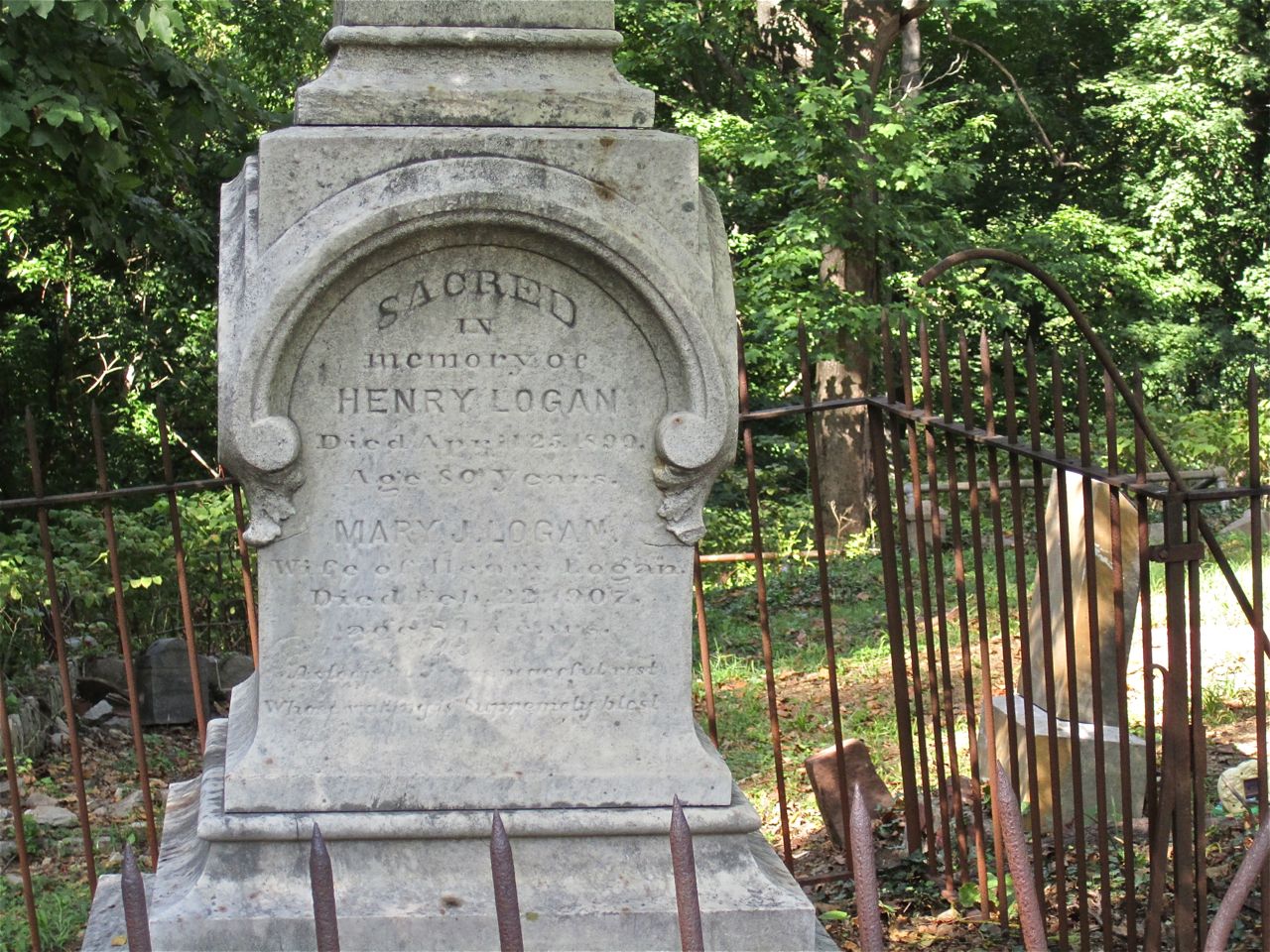
Beginning in 1809, the cemetery’s western side was used by the Mongomery Street Church for the burials of its white members and their slaves, as well as of free African-American members. It was known as the Old Methodist Burying Ground, and its largest monument marks the graves of the white Beck and Doughty families. It was a biracial cemetery for a biracial (but not equal status) church while slaves were still being sold in Georgetown.
Old Methodist fell into disuse after Oak Hill Cemetery, located just to the west and north, was founded in 1849. In 1879, the plot was leased for 99 years by Mt. Zion Methodist Church, the oldest African-American church in Washington.
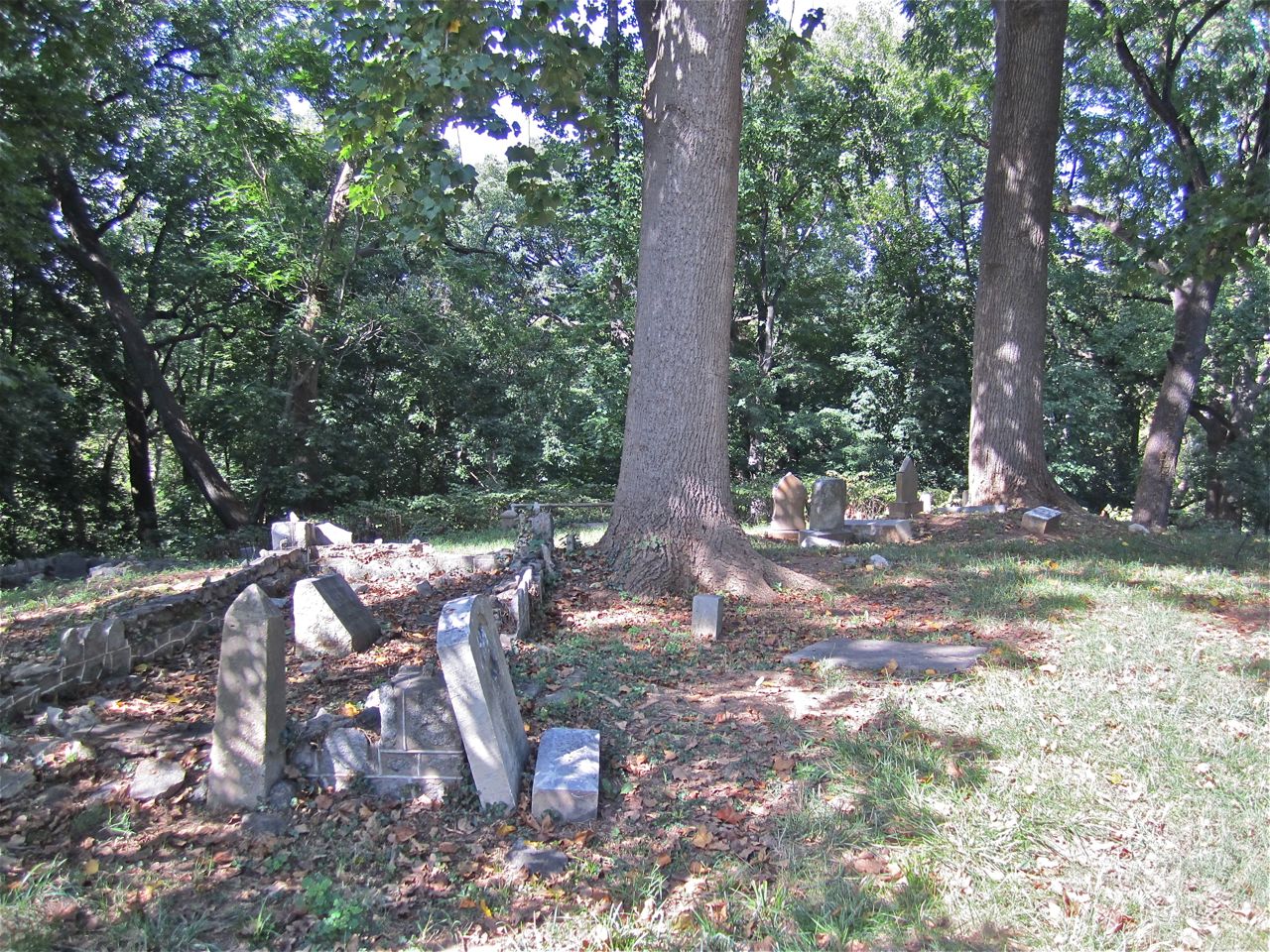
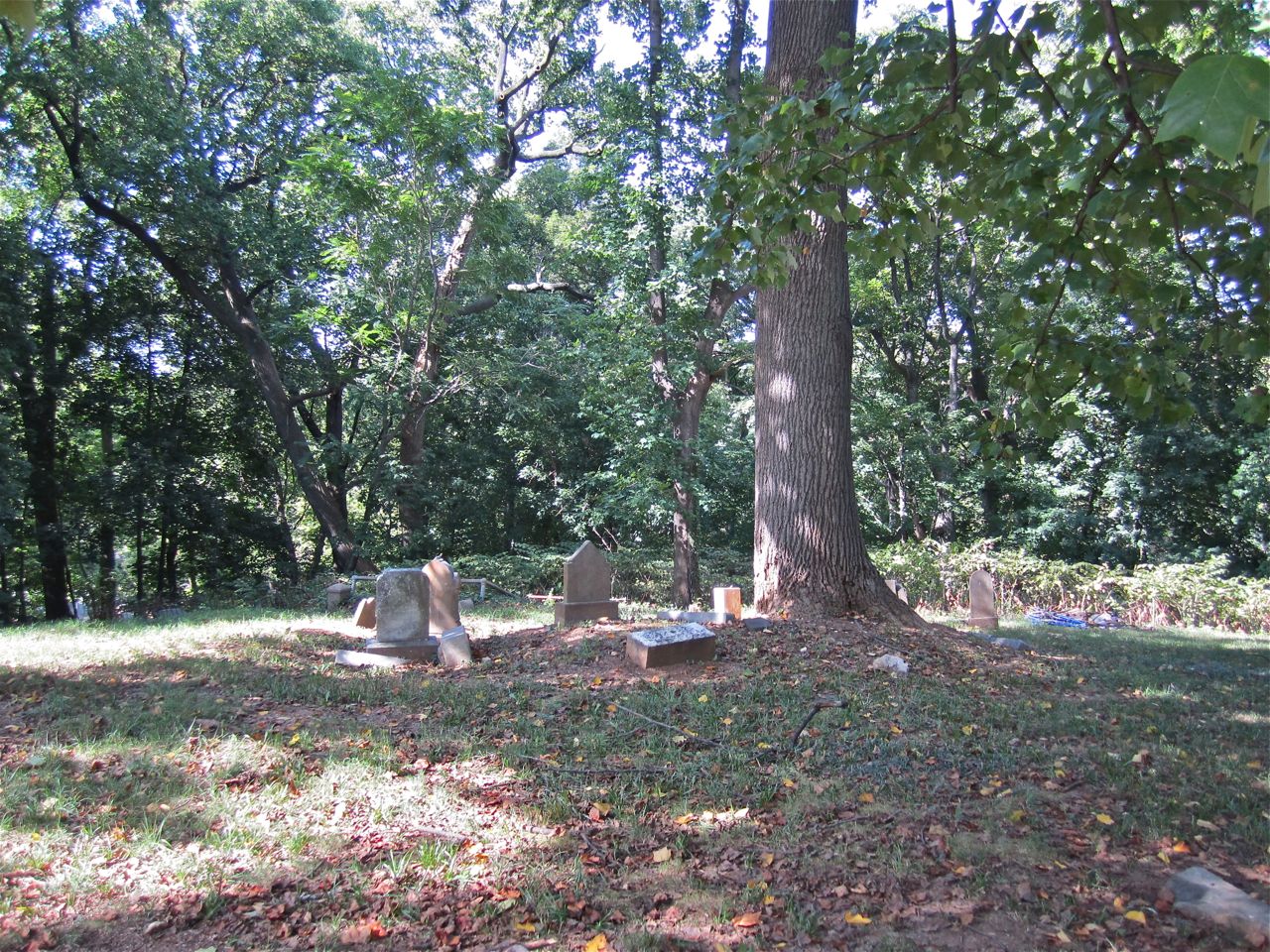
The east side of the cemetery had already been purchased in 1842 by a local cooperative benevolent association of Black women and had become the Female Union Band Graveyard for the burial of free Blacks.
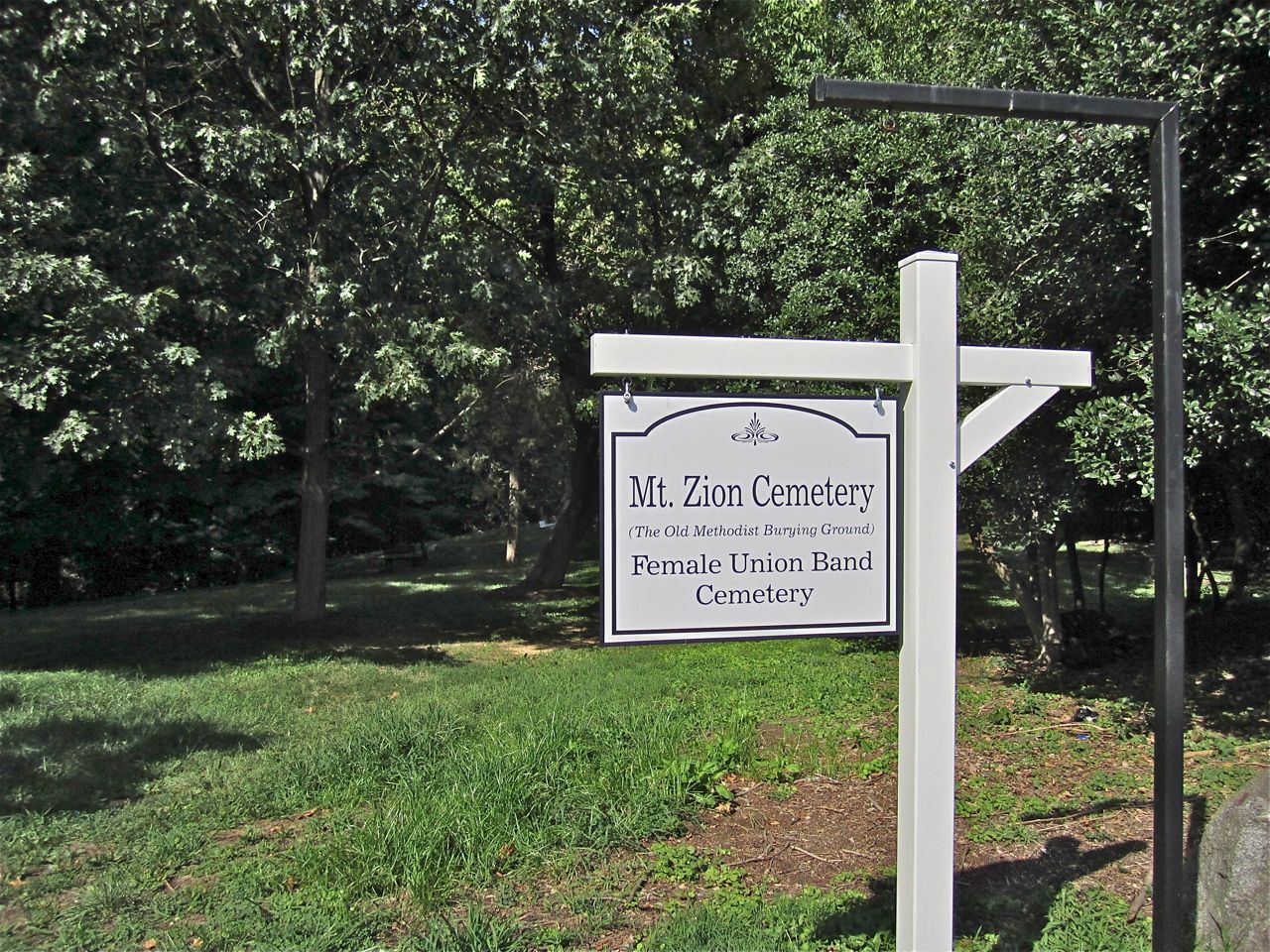
For decades, both cemeteries were well maintained, but eventually lack of funds led to disrepair, and the last burials were held in 1950.
In the late 1960s, the cemeteries were threatened with removal of the graves for development. Various local groups and individuals worked together to save them, and, in 1975, they were declared a Historical Landmark of Washington, D.C., and listed on the National Register of Historic Places.
There’s a complete history of Mt. Zion Cemetery by Pauline Gaskins Mitchell in the appendix of the 1991 book Black Georgetown Remembered, which can be read at this link. The complete book can be purchased at Amazon.
ADDENDUM: “A 2 Georgetown Cemeteries, History in Black and White,” New York Times, October 21, 2016, here.
 enclos*ure