Museum garden in Lyon

Staying in France a little longer: The city of Lyon has two excellent museums located side-by-side on the Rue de la Charité in the Presqu’île area.

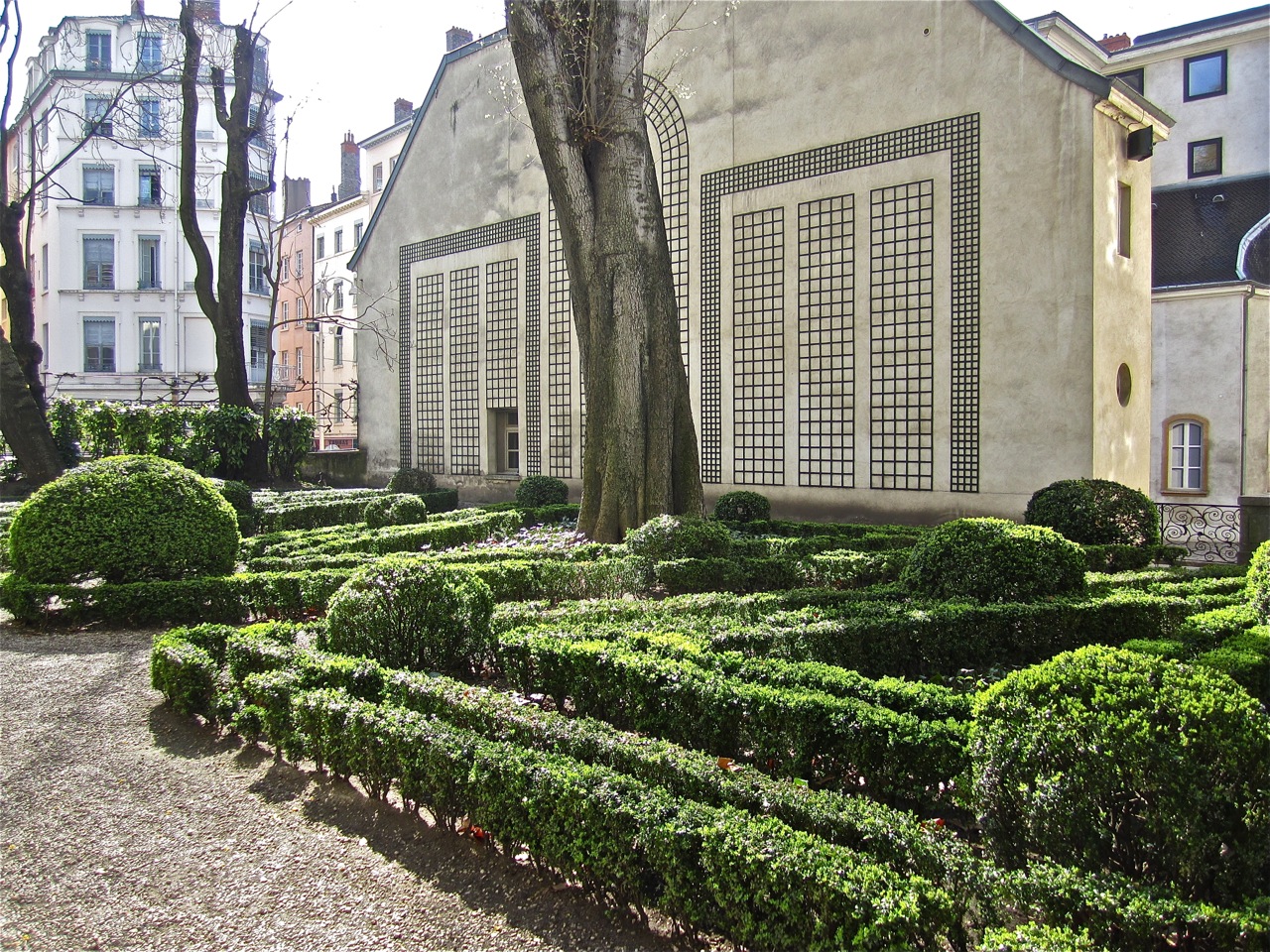
The Decorative Arts Museum is housed in the Hôtel de Lacroix Laval, built by Jacques Germain Soufflot in 1739.

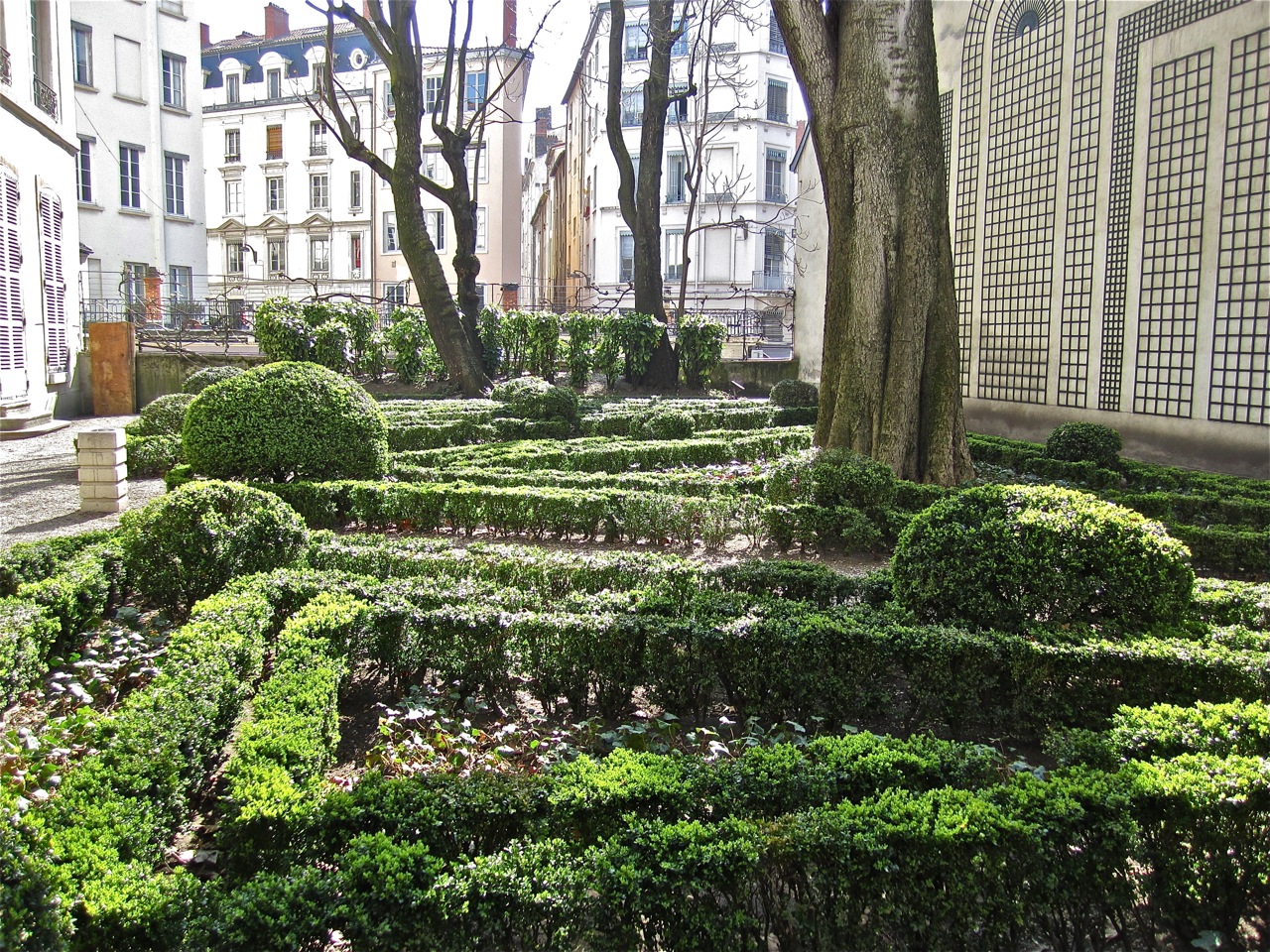
Its windows overlook a small traditional parterre — or would, were they not covered by protective shades and gorgeous silk drapes.

The boxwood hedges are laid out in concentric triangles, punctuated by clipped balls.  Ivy fills the centers, and acuba is planted at either end of the space.
Inside, the museum displays beautiful complete rooms of paneling, lighting, and furniture taken from 18th c. French residences, as well as ceramics and silver.
Next door, The Textile Museum exhibits clothing, tapestries, and carpets — from ancient Egypt and Asia to modern France.

I nearly had a religious experience in its gallery of silk Persian garden carpets hung against deep gray walls.

While I was in the garden, I also remembered the triangular patterns in the Rwandan Royal Palace garden in Nyanza.

In Brussels Park

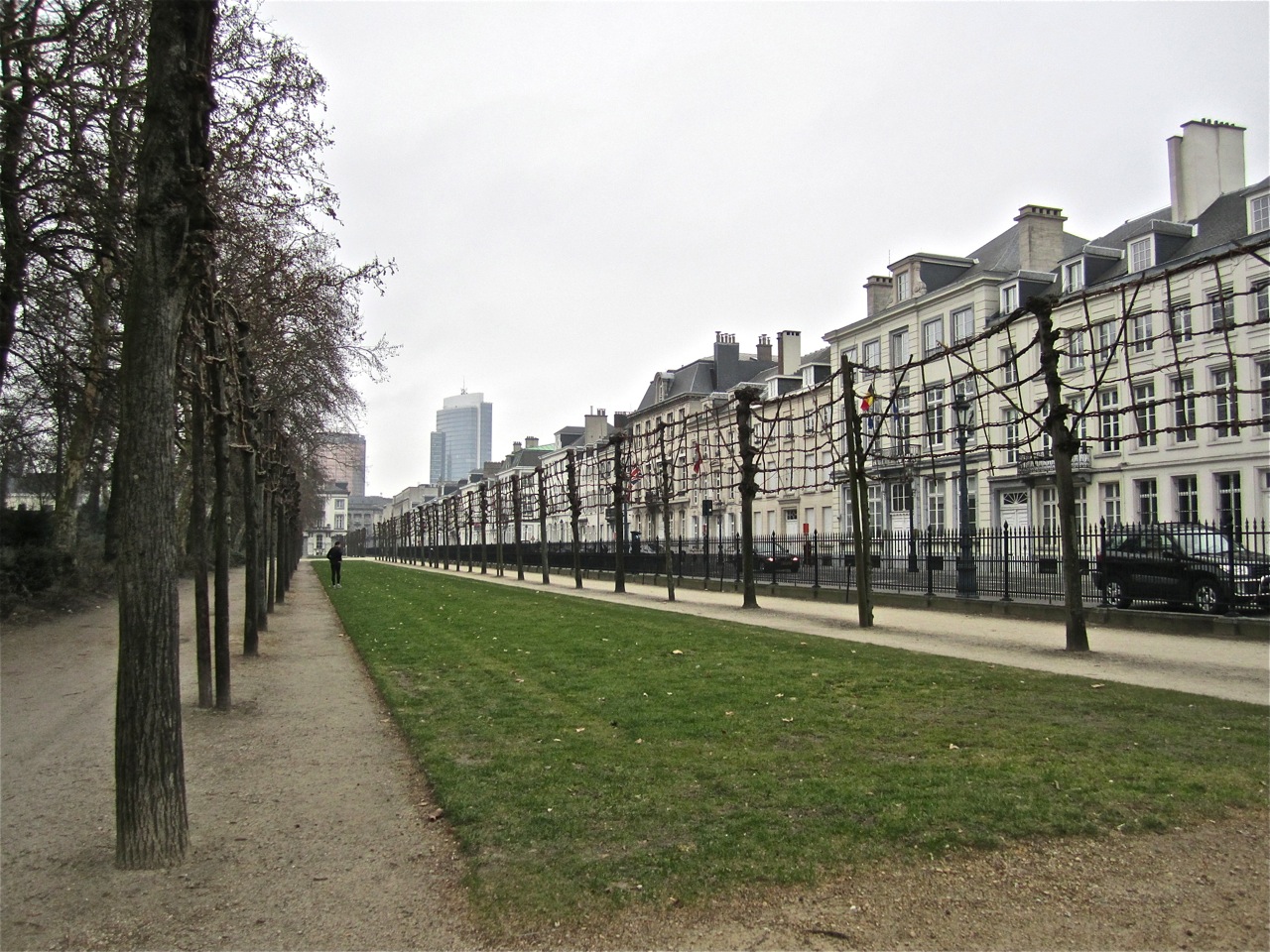
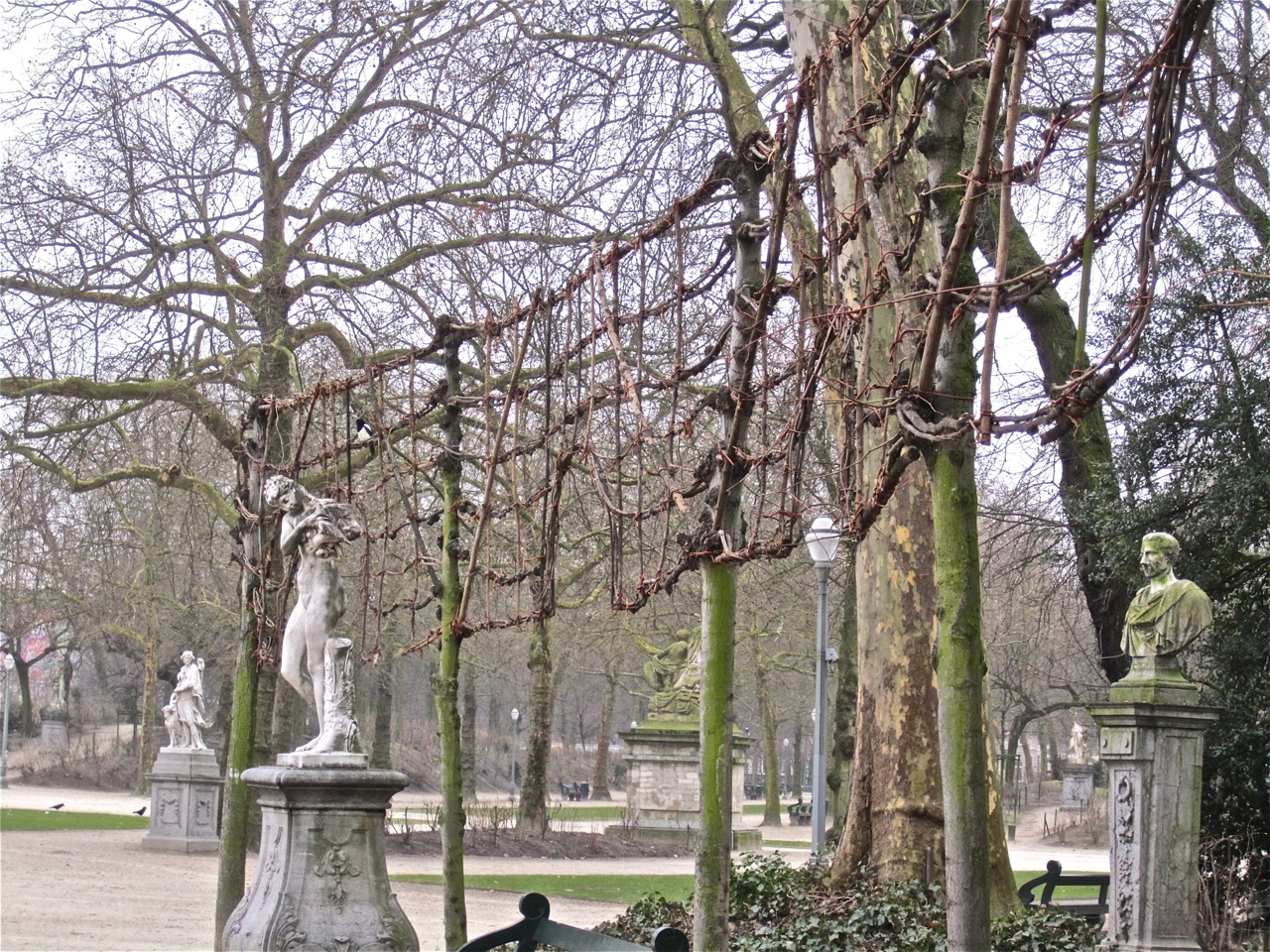
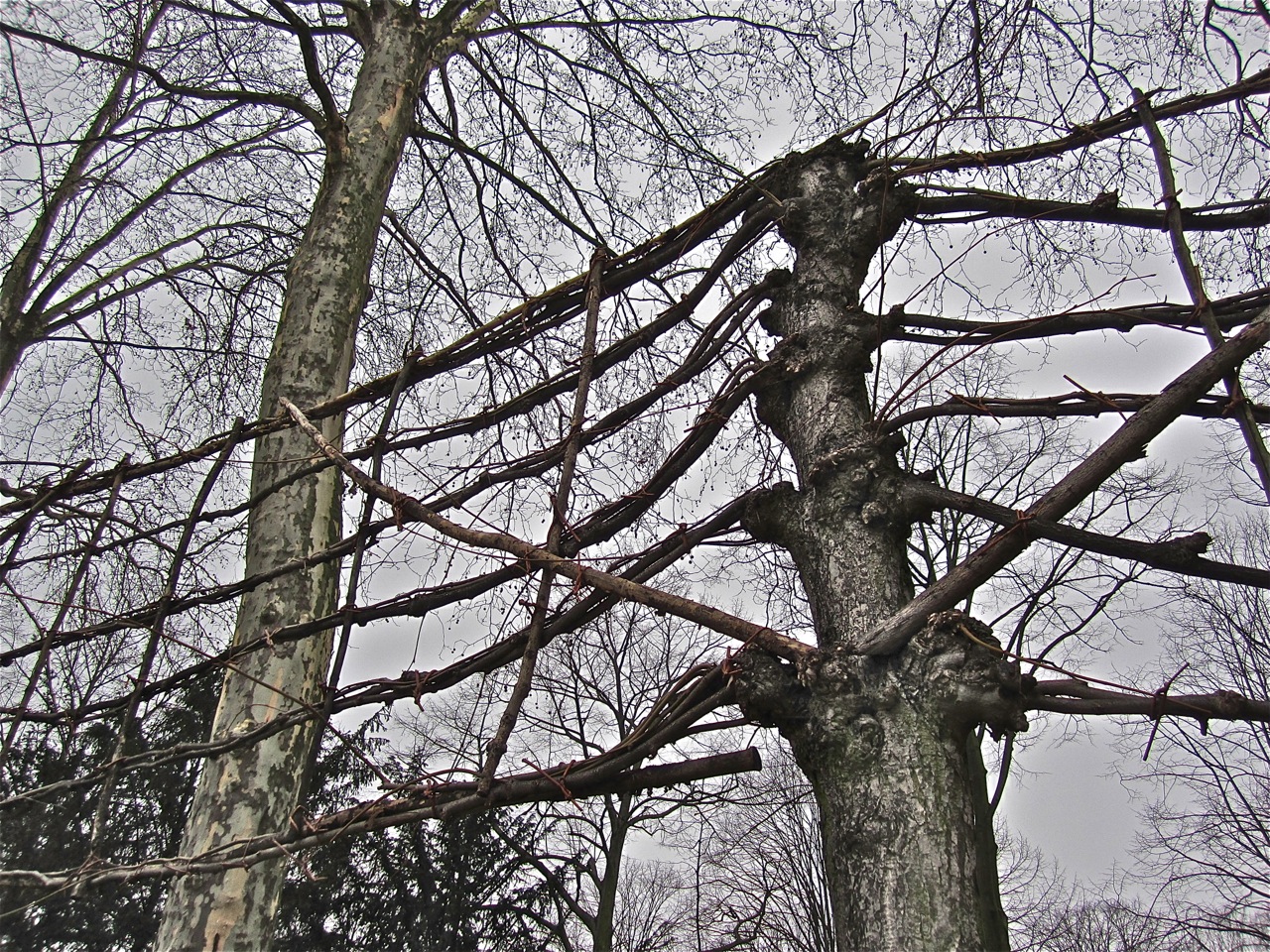
I noticed the bare, pleached trees near the end of the taxi ride from the airport  — a double row of long limbs on high, grid supports.
As soon as we dropped our bags at the hotel (and after a mid-morning snack of Liege waffles), we walked back to Brussels Park.

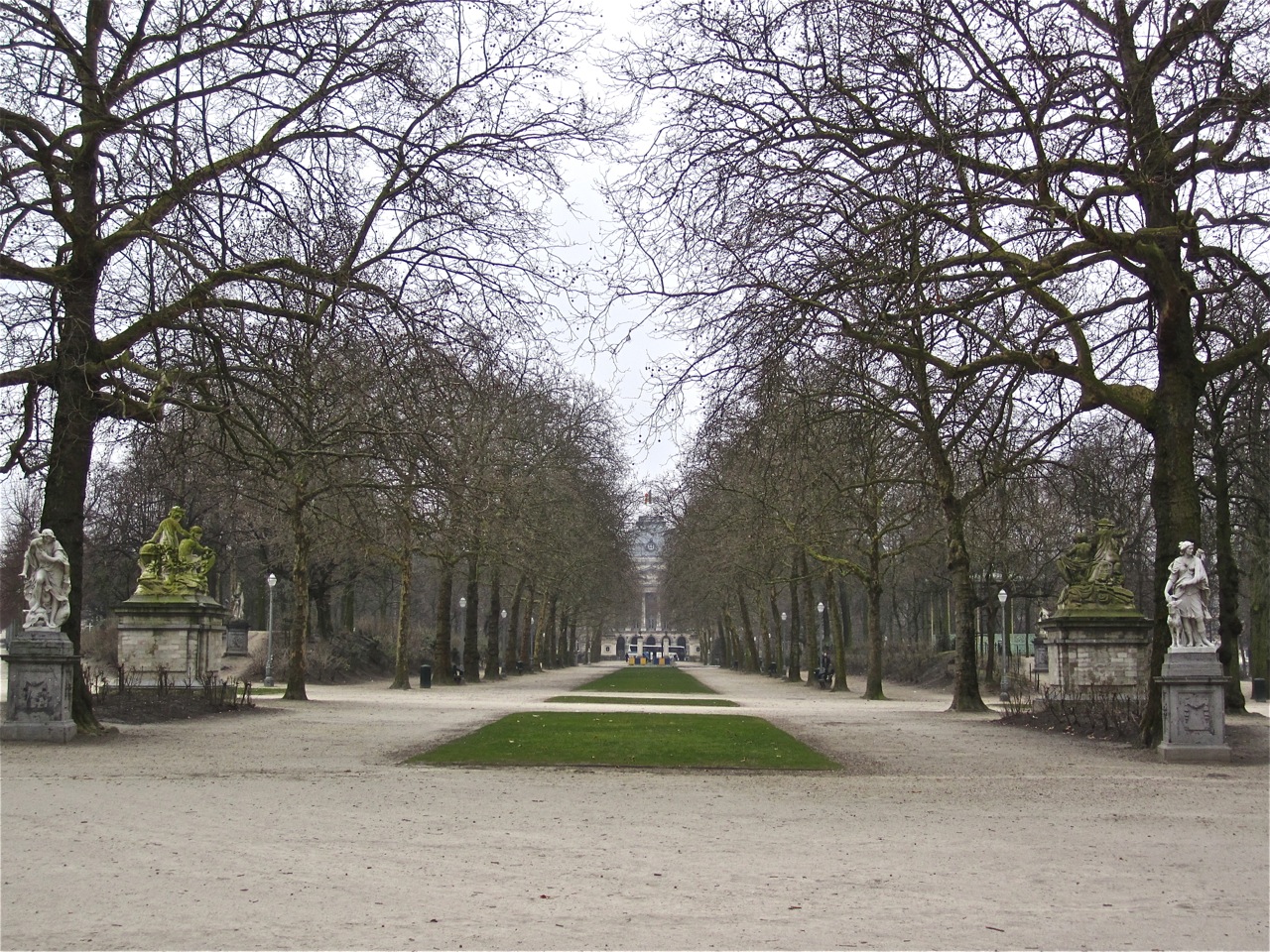
The Parc de Bruxelles (or Warandepark in Dutch) is the largest urban park in the city center, as well as the oldest. A rectangle, it is capped on the north end by the Belgian Parliament (the park is on a north-east to south-west axis) and on the south end by the Royal Palace (below).

In the 12th century, it was the hunting ground for the dukes of Brabant. In 1774, Empress Maria Therese of Austria (the ruler of Brussels at that time) ordered that the space be turned into a French-style garden.

The original design by Barnabé Guimard remains to this day.  The predominate feature of the layout — that the north fountain and the two outer wide allées form the shape of an architect’s compass — reflects the influence of Free Masonry in 18th c. Brussels.

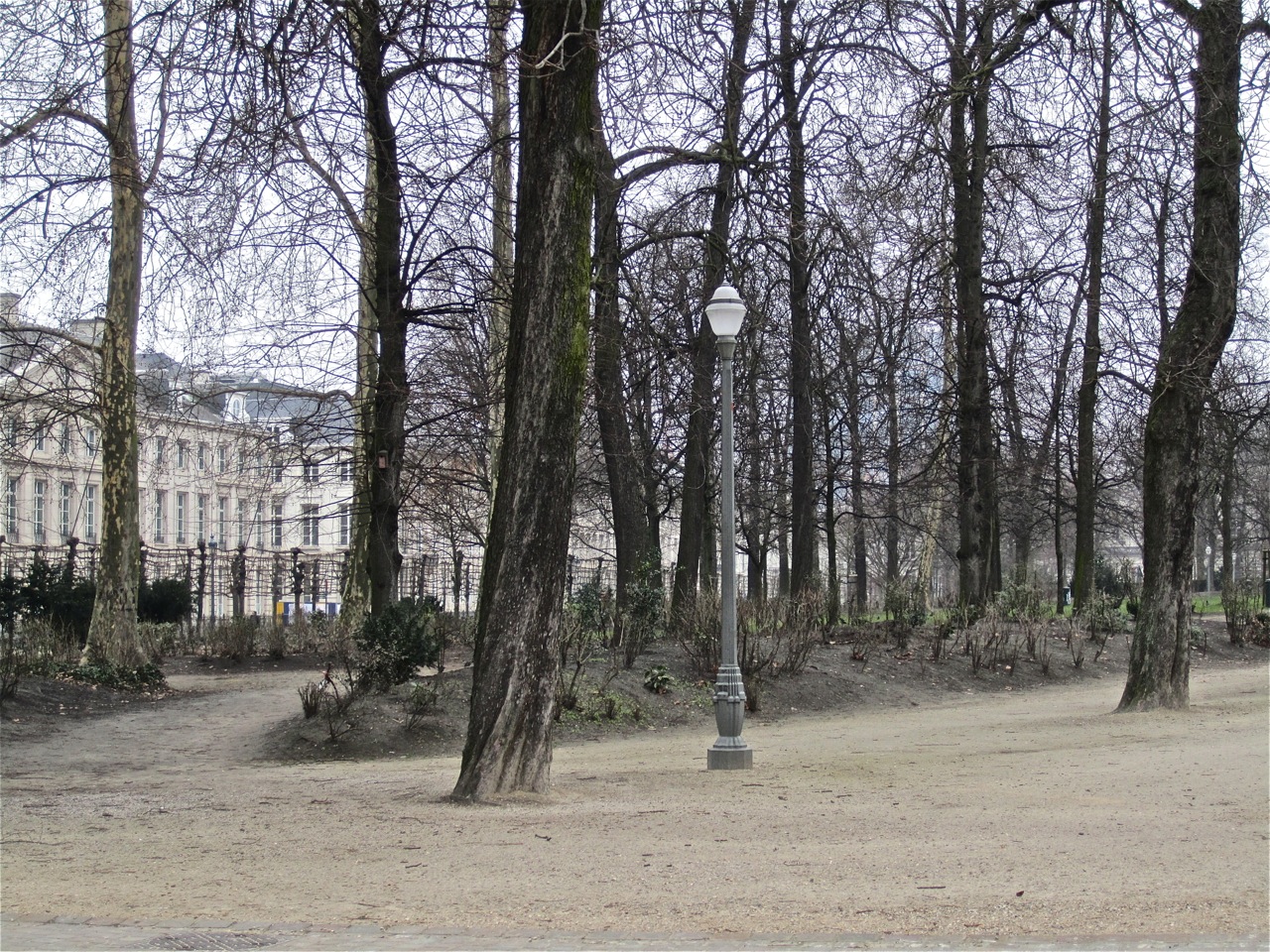
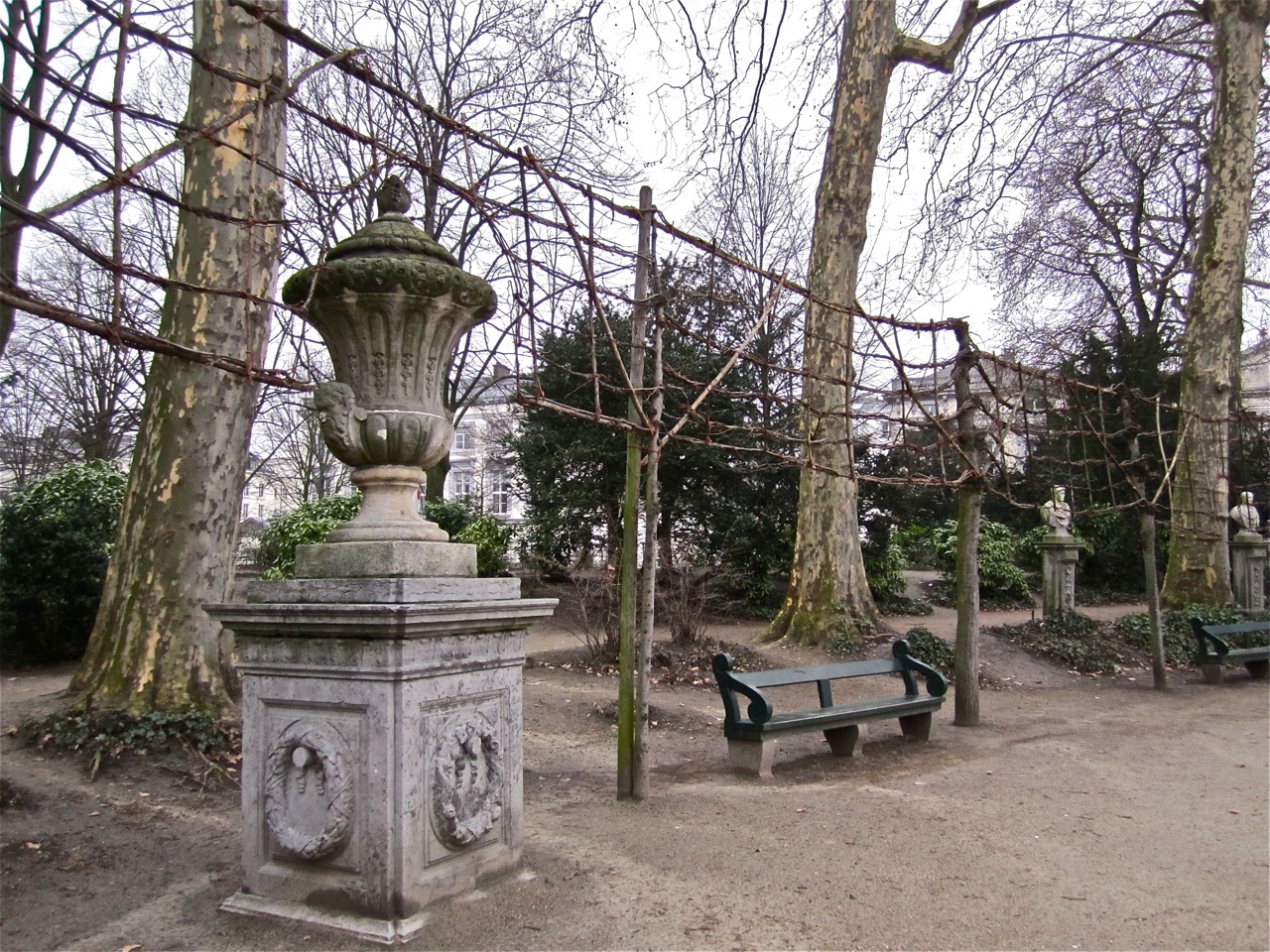
While formal, symmetrical, and on a grand scale, the park is simply planted with banks of shrubs, forest-style groupings of tall (naturally shaped) trees, and the rows of pleached lime trees, which border the whole garden and the north fountain.

Curvy, auxiliary paths wind between the main allées.

On the west side is a lovely 1841 bandstand designed by Jean-Pierre Cluysenaer.

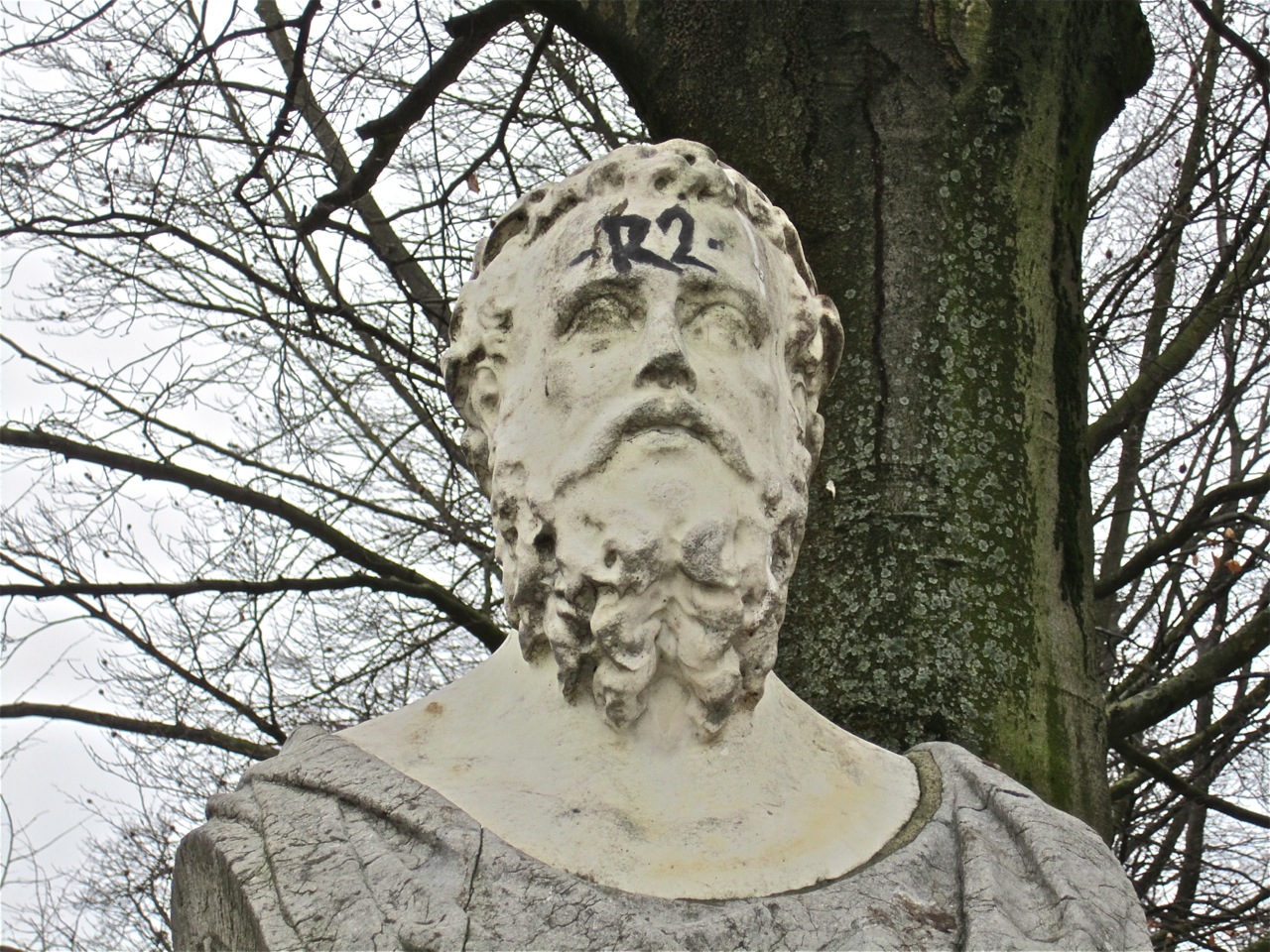
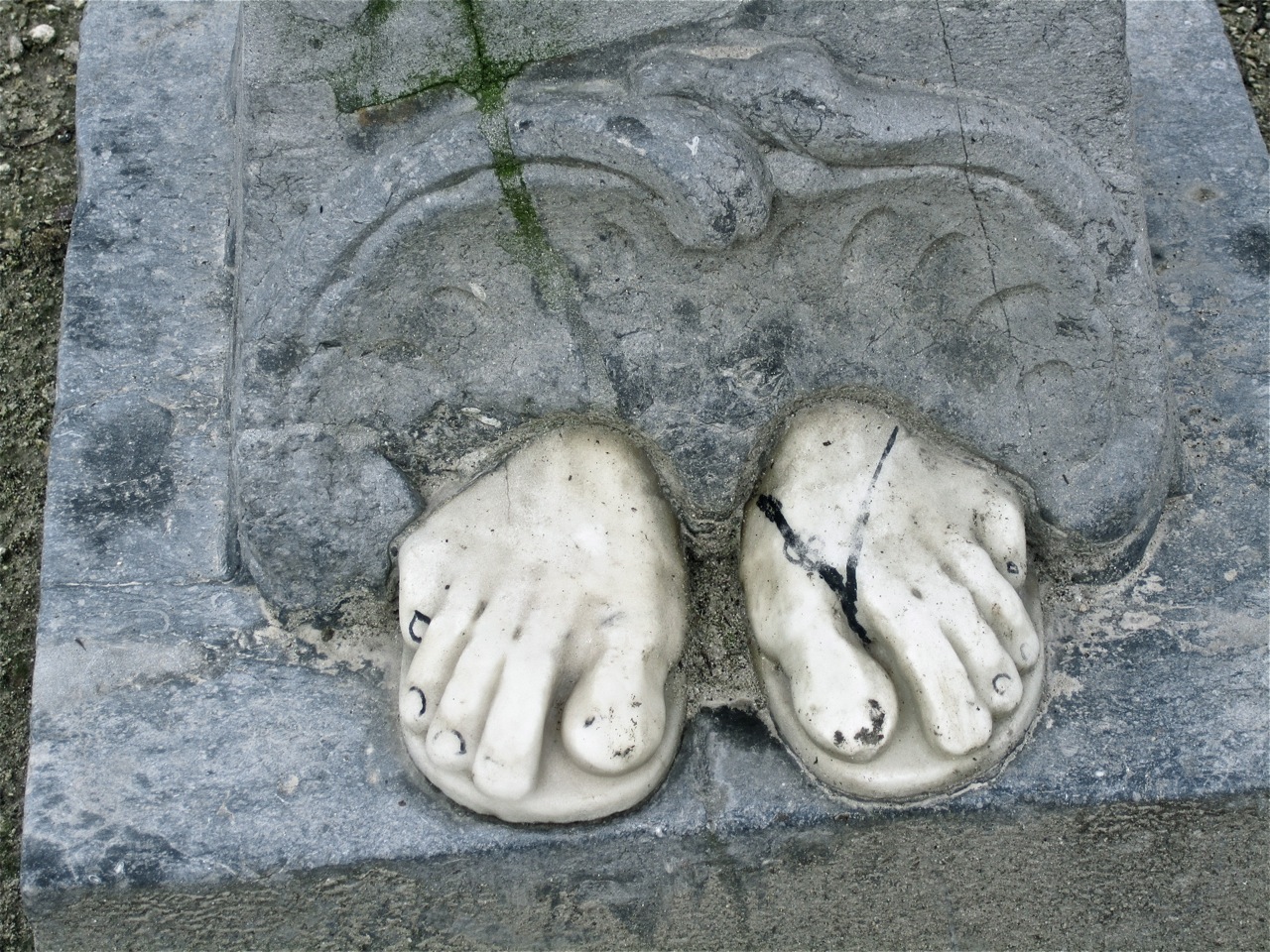
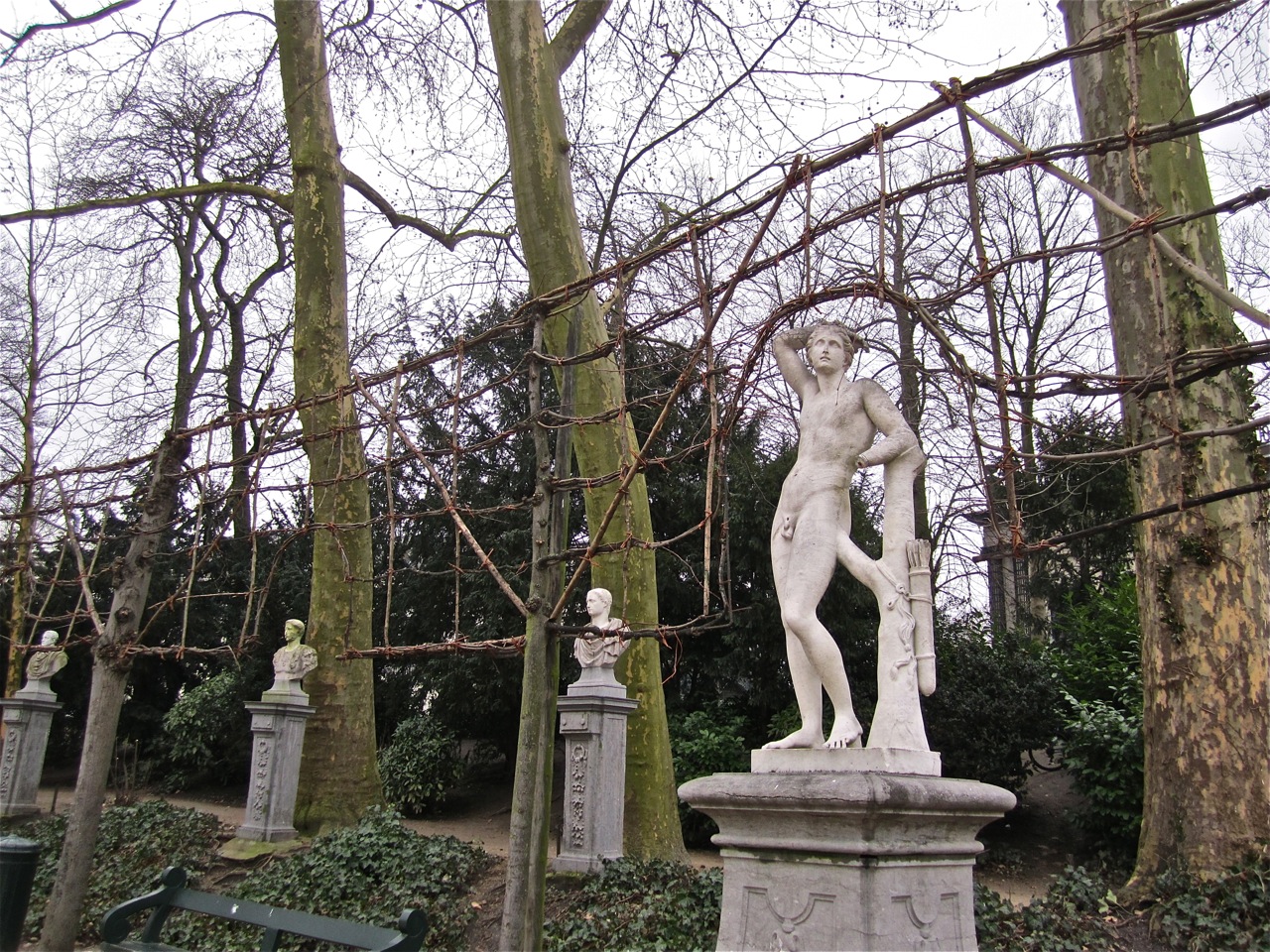
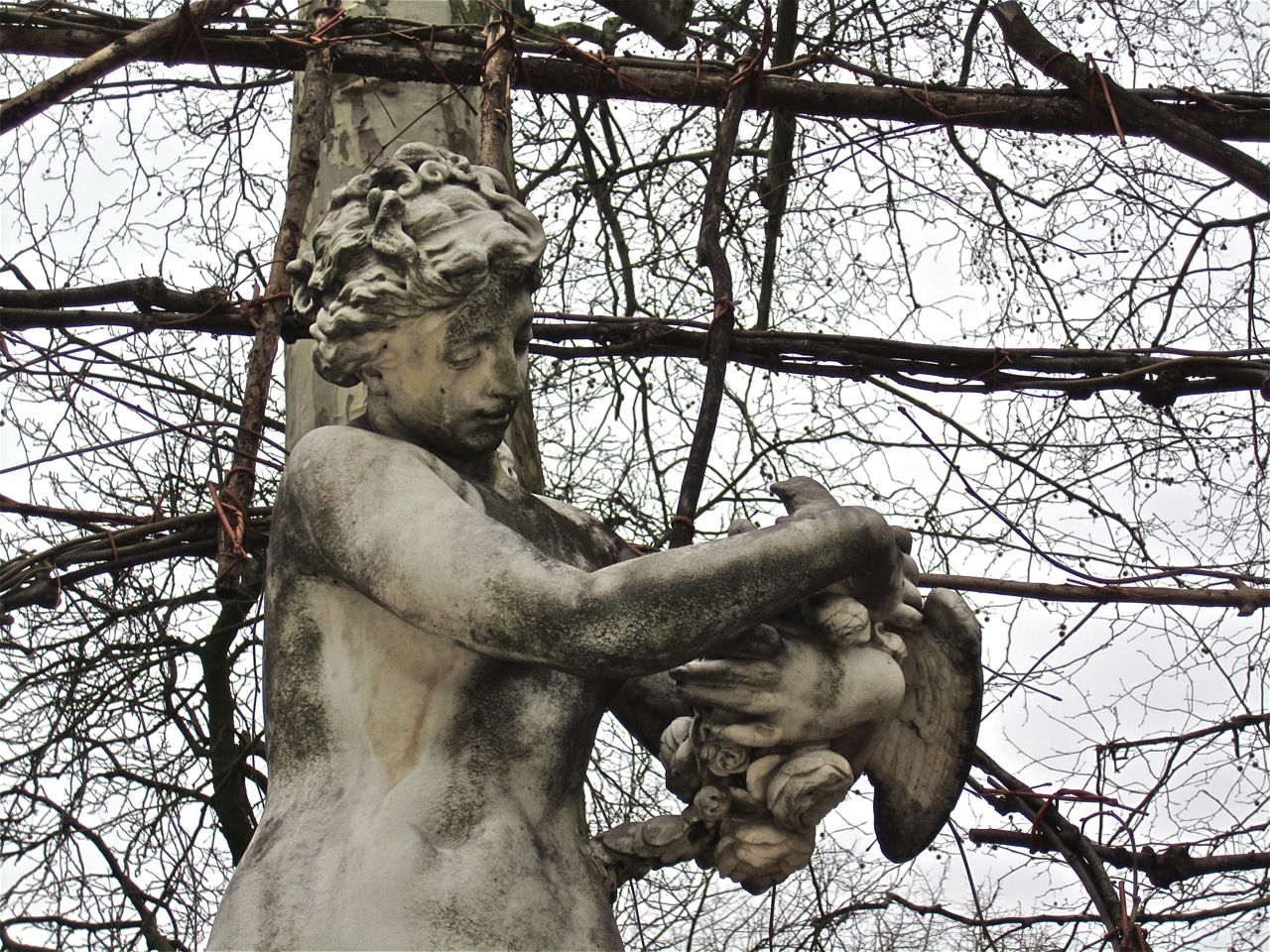
The park also contains about 60 sculptures inspired by Roman-Greek myths.  Most were originally taken from the Brabant dukes’ castle, Tervuren, and the Thurn und Taxis Palace.  Today, however, many are copies.  The entire park underwent a restoration in 2001.

The urns and sculptures below circle the north fountain.

To scroll through larger versions of the above photos (and some others), click on ‘Continue reading’ below and then on any thumbnail in the gallery.

Continue reading “In Brussels Park”

And in Lyon

During three days in Lyon, France, last month, we also found some wonderful pollarded London plane trees in the old city areas of Vieux Lyon and Presqu’île.

Click on any thumbnail in the gallery to scroll through larger images.

Pollarded trees in Brussels

An advantage of visiting Brussels in the final days of winter is being able to see the bare knobby limbs and whippy branches of the city’s many pollarded trees.  They “can look weird,” wrote Landscape Designer Clive West in The Guardian at this link.  But, like him, I am fascinated by the particular aesthetic of their gnarly forms — ancient and modern at the same time.

Click on any thumbnail in the gallery to scroll through larger images.

Un coup d’oeil* in Paris

We spent one of the last days of March in Paris — just walking around and occasionally stopping for tiny $4 coffees.

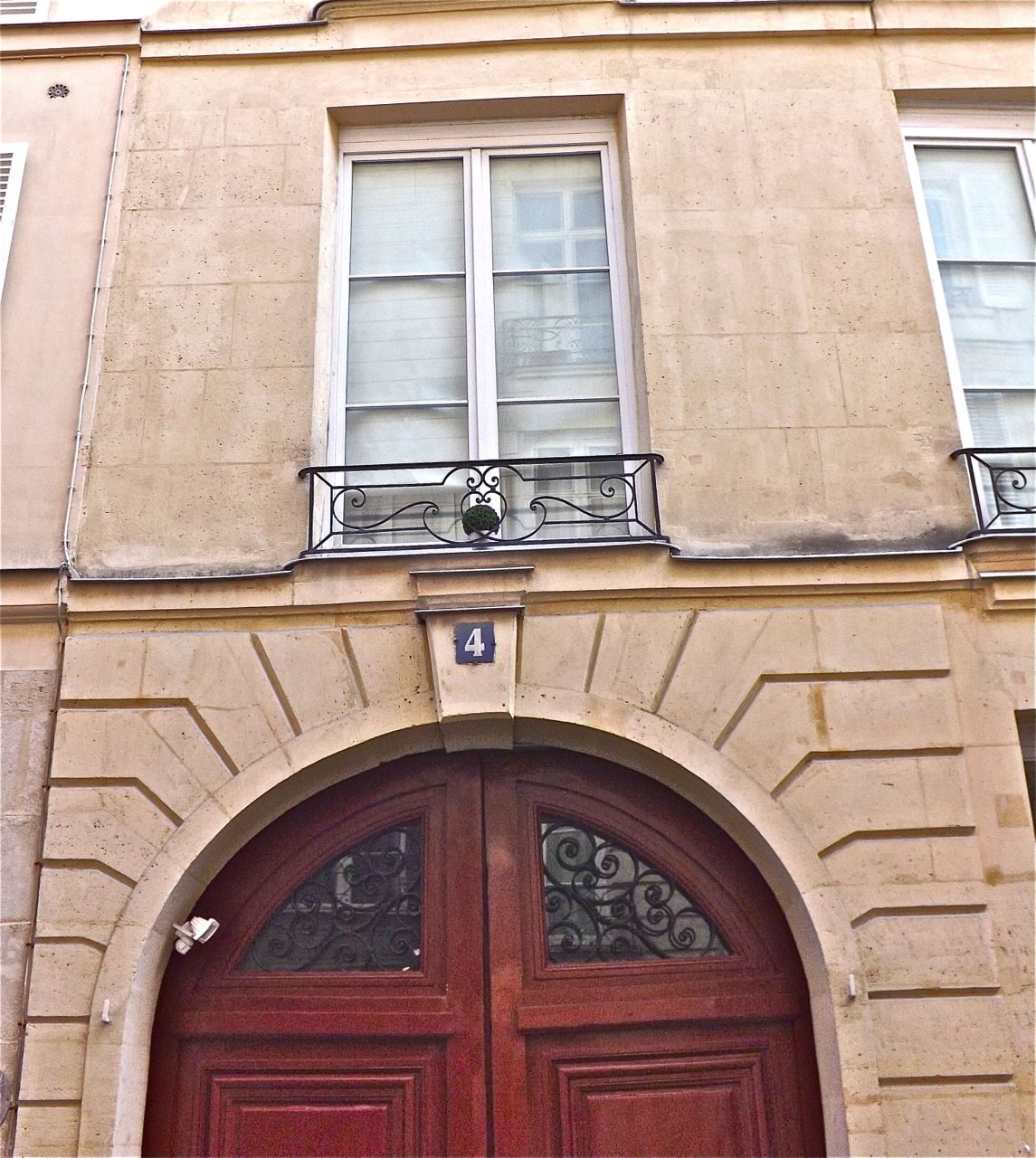
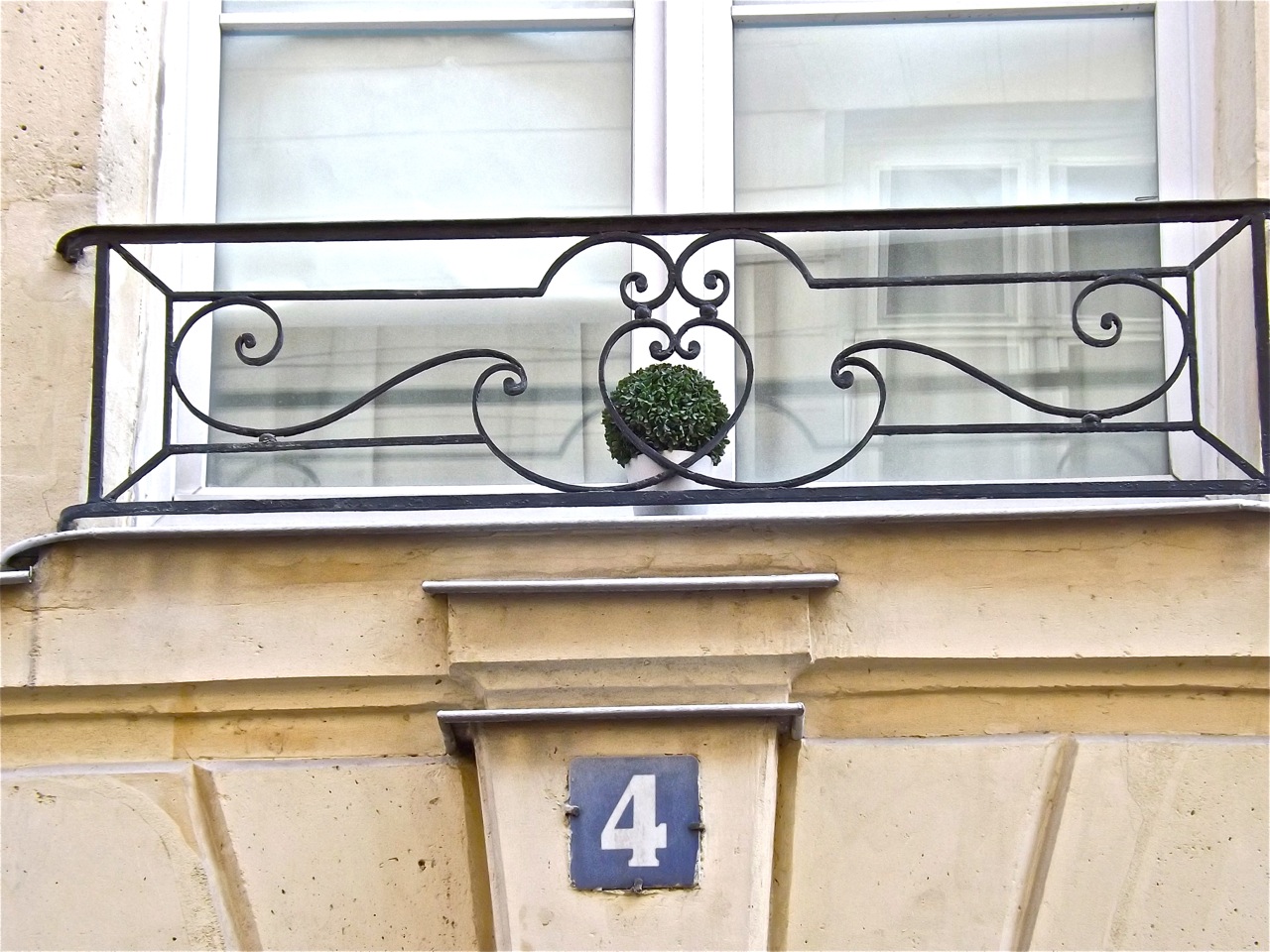
We spotted this tres discret window decoration in the chic Saint Germain des Pres neighborhood.

The little topiary pots were in several windows across the building.

This pleated bag, below, in the window of Pleats Please Issey Miyake made me think of this previous Wordless Wednesday.

We crossed over to the right bank, and I saw this graffiti alongside the Louvre.

‘Regarde le ciel’ (look at the sky) is a rather common sight in Paris, as I learned from a Google search.  I could not find the origin of this street art, but I thought it might refer to a song by Cortezia, which excoriates airplanes.  (Apparently, Cortezia does not tour far from home.)

However, there seems to be a Romanian connection, as another common version of the graffiti is ‘priveste cerul,’ (look at the sky in Romanian).

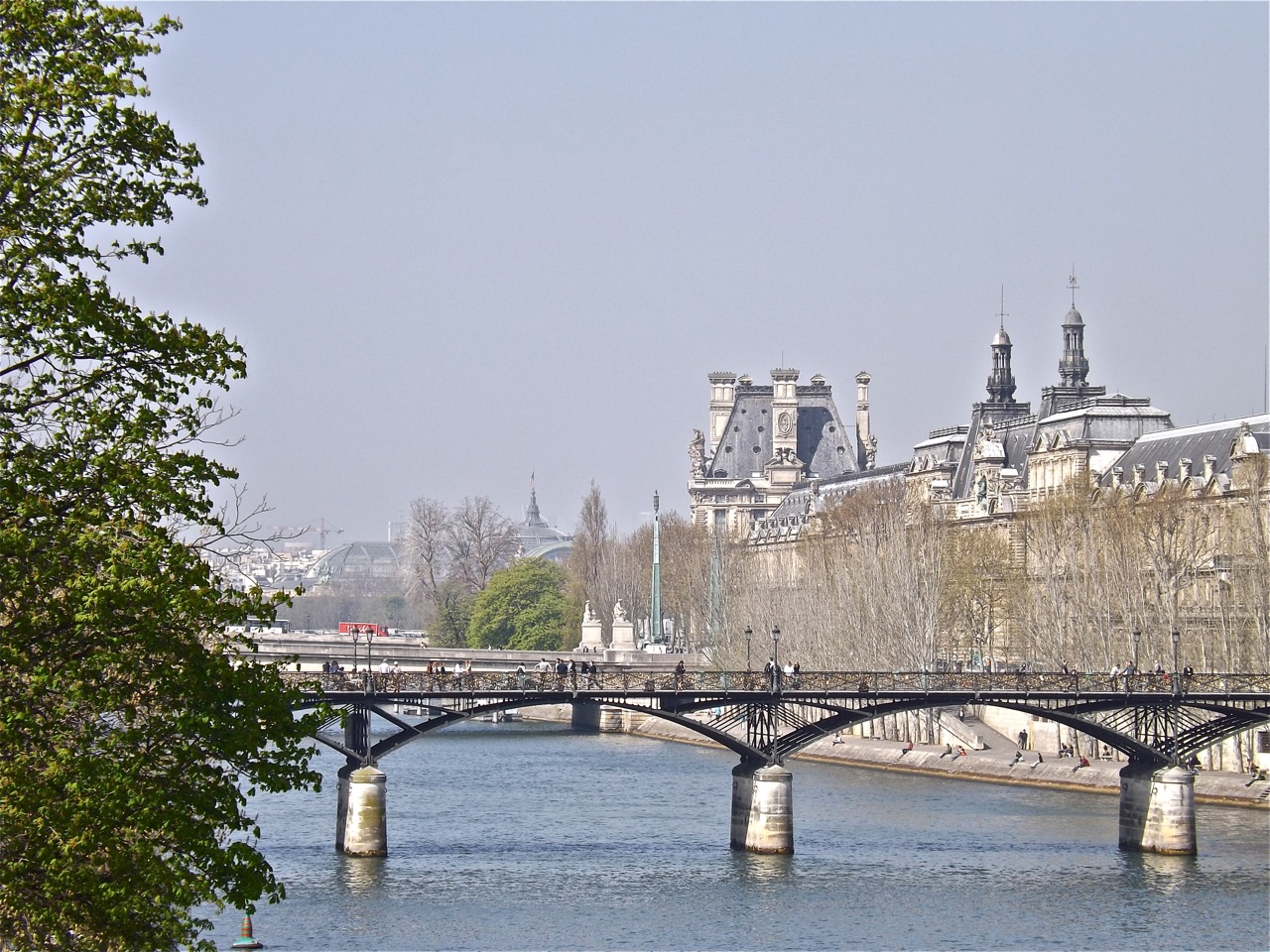
At any rate, the sky was just about perfect, as you can see from this photo of the Passerelle des Arts.  If you click and enlarge it, you can see how the bridge glitters from hundreds of padlocks or ‘lovelocks’ (we also saw the beginning of this fad on a pedestrian bridge in Lyon).

Since this was Paris, I probably should throw in a restaurant recommendation.  We ate dinner that night at the wonderful Café Constant, which is owned by “Top Chef” jury member Christian Constant. Located at 135, rue Saint Dominique, in the neighborhood near the Eiffel Tower, it is the first in a row of three restaurants owned by Constant, each a little more expensive (we were in the least expensive and most casual). The café doesn’t take reservations, so go early for lunch or dinner.


*a look around