
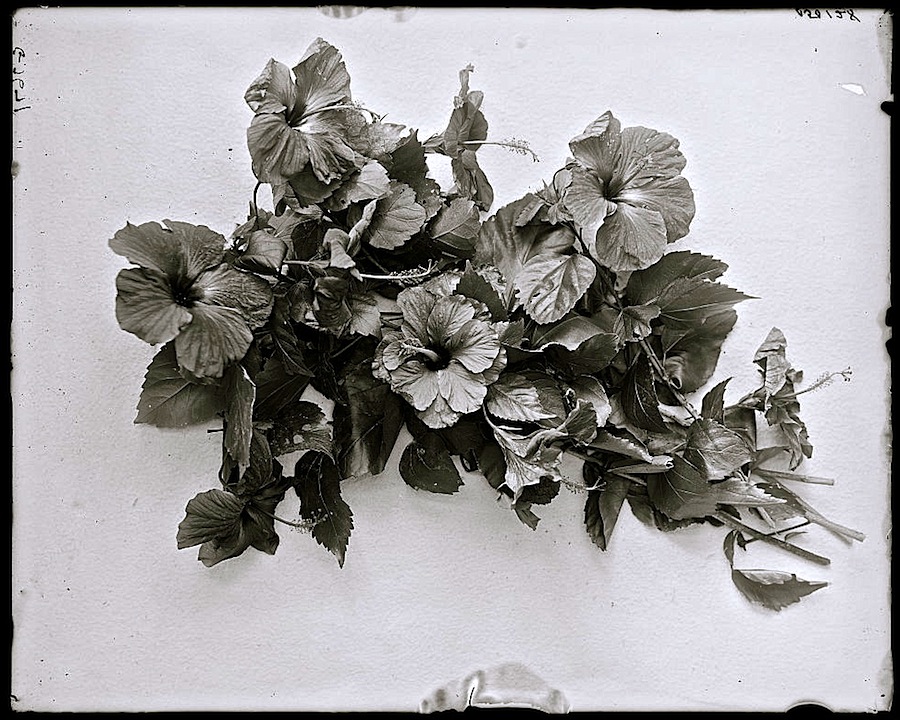
 Palm Beach, Florida, ca. 1900-15, by Detroit Publishing Co., via Library of Congress Prints and Photographs Division.
Where the hibiscus flares would cymbals clash. . . .
— Grace Hazard Conkling, from “Symphony of a Mexican Garden“
Palm Beach, Florida, ca. 1900-15, by Detroit Publishing Co., via Library of Congress Prints and Photographs Division.
Where the hibiscus flares would cymbals clash. . . .
— Grace Hazard Conkling, from “Symphony of a Mexican Garden“
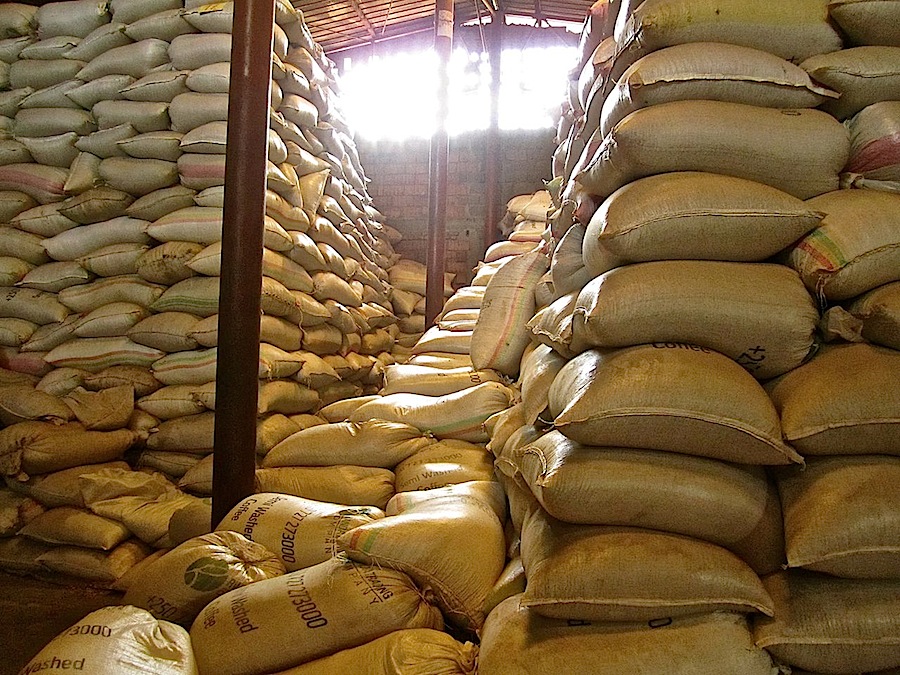 This is a little stairway to heaven for me.
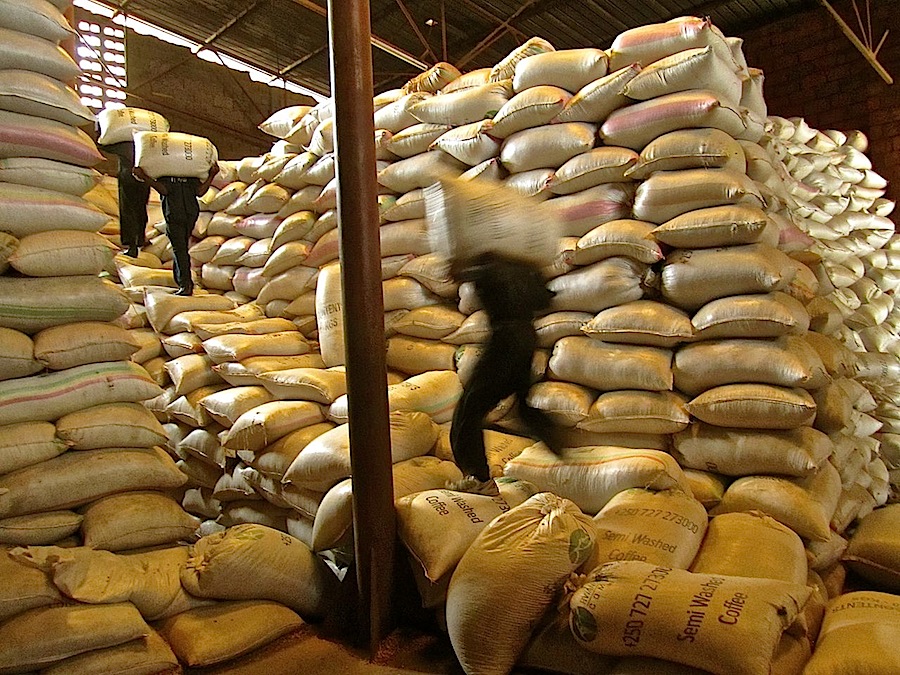 Yesterday, I joined a group visiting the Kigali processing plant of the Rwanda Trading Company, an American-owned coffee exporter.
The company handles about 20% of Rwanda’s coffee.
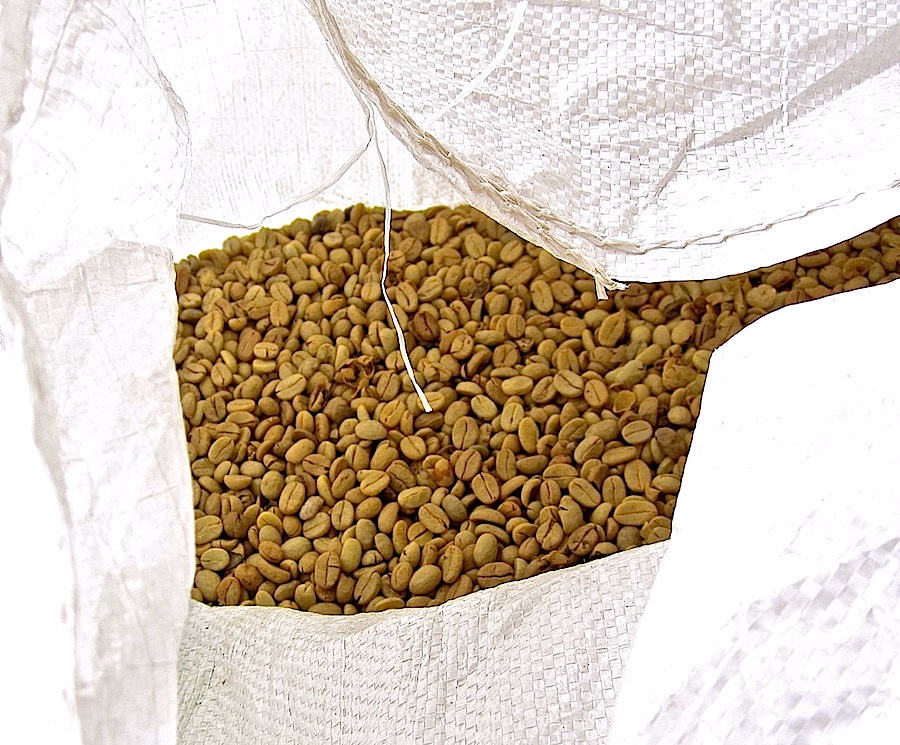 The sacks are full of “parchment” coffee — dried, but unhulled beans.
In the U.S., you can buy Rwanda Trading Company’s coffee at Wal-Mart or Sam’s Club or online here.
. . . Coffee steam rises in a stream, clouds the silver tea-service with mist, and twists up into the sunlight, revolved, involuted, suspiring higher and higher, fluting in a thin spiral up the high blue sky. A crow flies by and croaks at the coffee steam. The day is new and fair with good smells in the air.
— Amy Lowell, from “Spring Day“
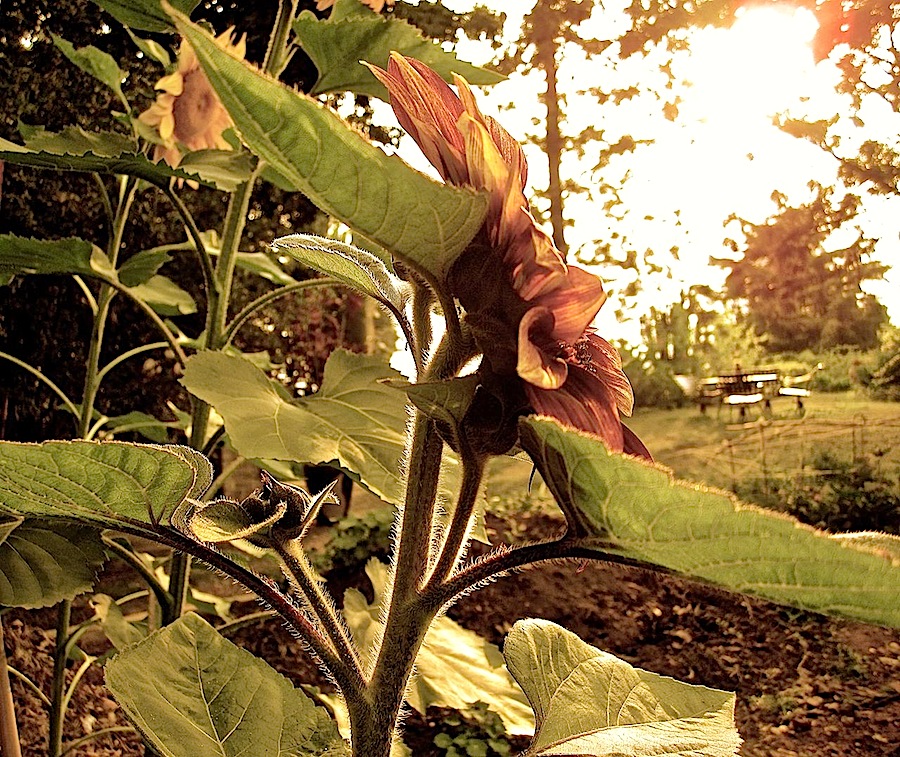 Sunset, August 19, 2013.
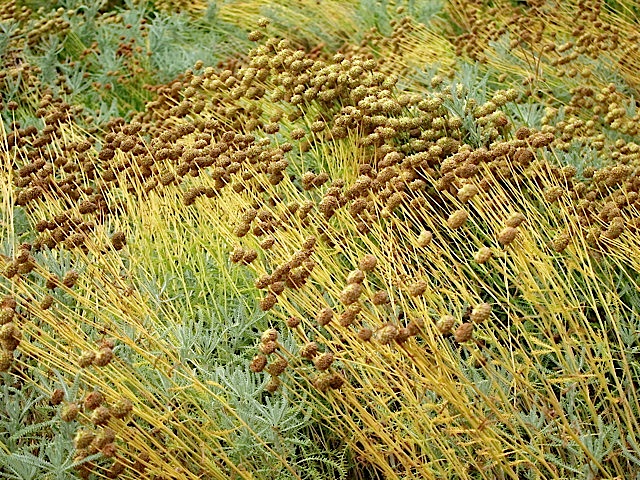
If a tour of the great gardens of the British Isles is not in your cards this summer, one vicarious alternative is Geograph® — an online project that “aims to collect geographically representative photographs and information for every square kilometre of Great Britain and Ireland.”
Since 2005, contributors have submitted over 3.5 million images covering over 81% of the total area. You can search them by kilometre grid, by place name, by national trails, or by subject of interest (‘gardens’).
You can also join for free and upload your own images. (Much of rural Ireland needs filling out.)
I spent an hour looking for gardens and country landscapes and found. . .
the classic,

the trendy,

the urban,
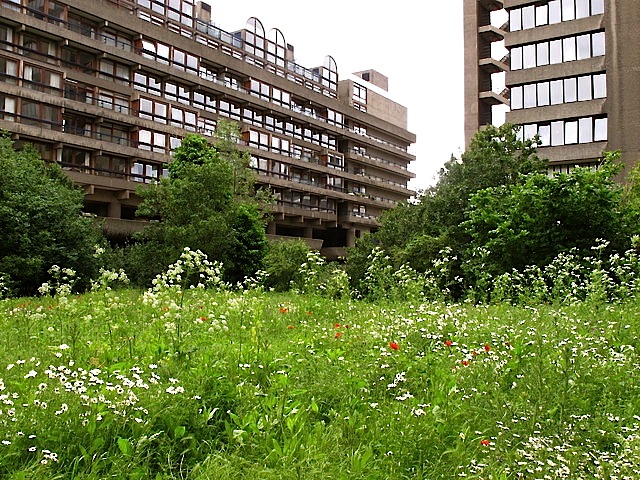
the open air,

the normally off-limits,

the far-flung,

the forgotten,
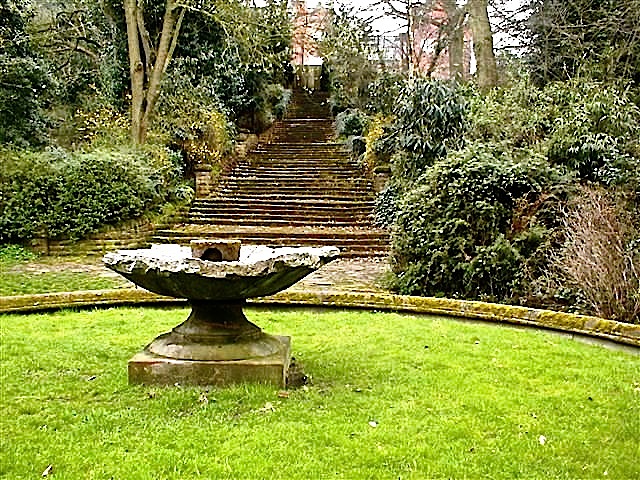
the charming,
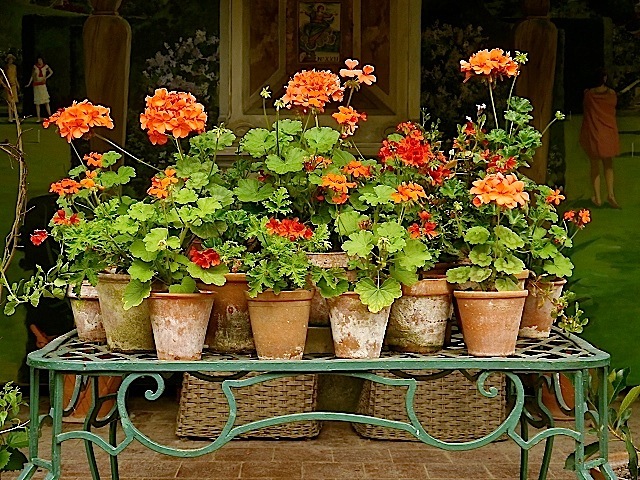
the sweet,

the atmospheric,

the inspiring,

the sad,


the possible DIY,

the thing-I-don’t-want-to-have-to-do-myself,

and, of course, the super-old and historic.
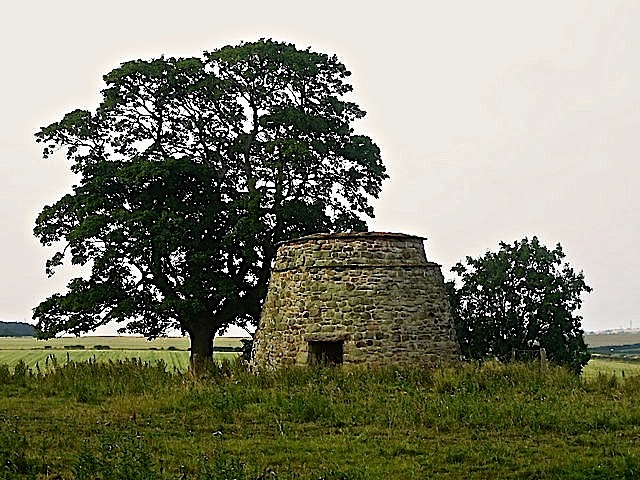
All the above photos are copyrighted to the photographers named in the captions and are licensed for reuse under this Creative Commons (CC) License.
Now is the winter of our discontent
Made glorious summer . . .
by our water hoses.
We are just below the equator here in Rwanda, so technically it is near the end of winter — and of the long dry season, which began in May and normally ends in September.
But last night there was a light rain for about seven hours, so today I don’t need to water anything in the garden, not even the new plants.
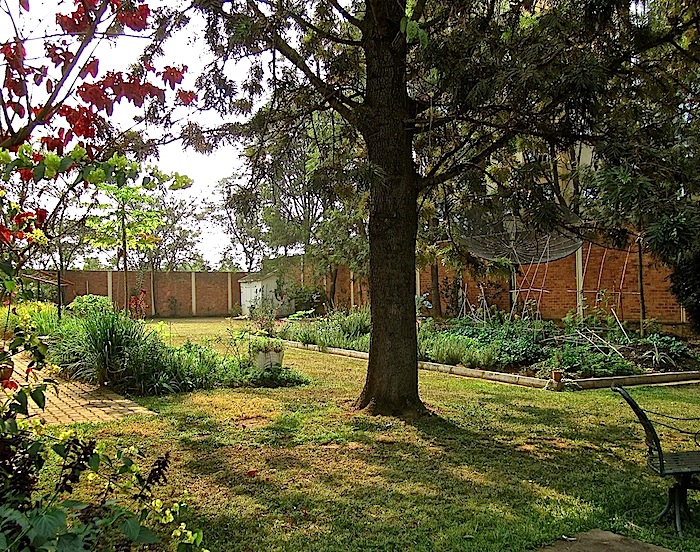
We’ve really cut back on watering this year, anyway — none for the grass and a lot less for the planting beds. The grass is going brown, but we still have a lot of flowers, particularly my stalwarts, yellow daylilies and pink gerbera daisies.

My biggest project in the last month has been to tackle our mess of a vegetable garden, which has consisted of several not very productive, but very wide and long raised beds. Their dimensions just weren’t manageable, so we’ve dug new paths and now all the beds are about 4′ x 5′.

Growing among the argula, lettuce, kale, strawberry, and tomato plants are also celosias, nasturtiums, Missouri primroses, and sunflowers.


Recently, I tried to grow American hardy hibiscus from seed (in the vegetable garden, where the soil is best), and, despite the fact that I have always read that this is a very easy thing to do, only about ten seedlings appeared from two packets of seeds, and for weeks they have remained at 2″ tall.
Nothing at all came up from a packet of black-eyed Susan seeds; only one plant from a packet of Verbena bonariensis. However, alpine strawberry seeds have produced about 15 plants.
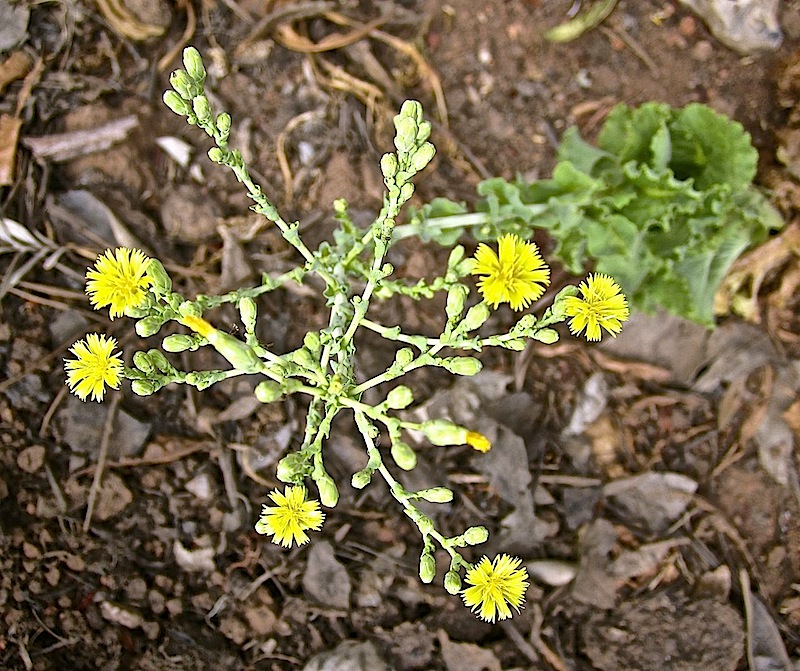
I have also done well with re-seeding lettuce, dill, basil, garlic chives, and coriander and with rooted rosemary cuttings. I have high hopes for my cherry tomato plants, many of which have clusters of tiny fruit.


In the long flower border along the lower lawn, I have one bloom from several purple coneflower plants that I have grown from seed.

Garden Bloggers’ Bloom Day is the 15th day of every month. Check out May Dreams Gardens to see what’s blooming in other garden bloggers’ gardens today.

