Vintage landscape: Lacock Abbey

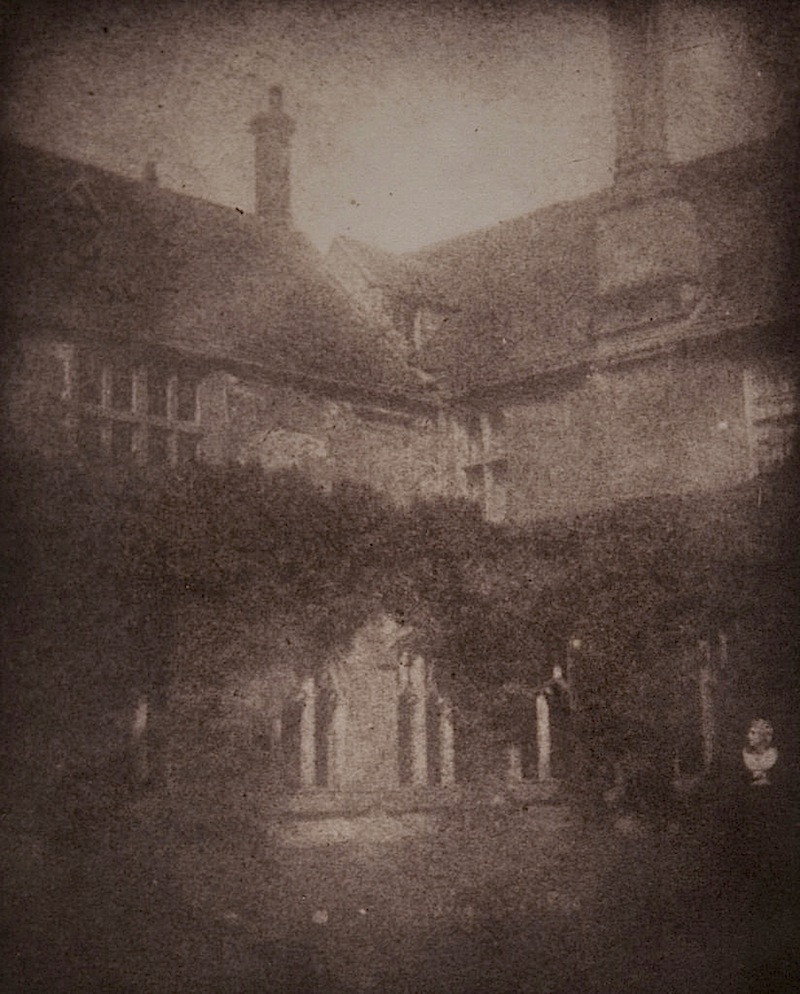
Lady's Elizabeth's, 1840s, Museum of Photographic Arts“Lady Elisabeth’s Rose Garden, Lacock [Abbey], England,” early 1840s, by William Henry Fox Talbot, via Museum of Photographic Arts Commons on flickr (both photos).

Lady Elizabeth Fox-Strangways Feilding was the photographer’s mother.

Lady's Elizabeth's rose garden, 1840s, Museum of Photographic Arts

Talbot was one of the early fathers of photography.  He developed the paper negative and the process of permanently fixing photos on chemically treated paper.

This is the body of light. . . .

— Ronald Johnson, from “BEAM 30: The Garden

Life in gardens: wildflowers

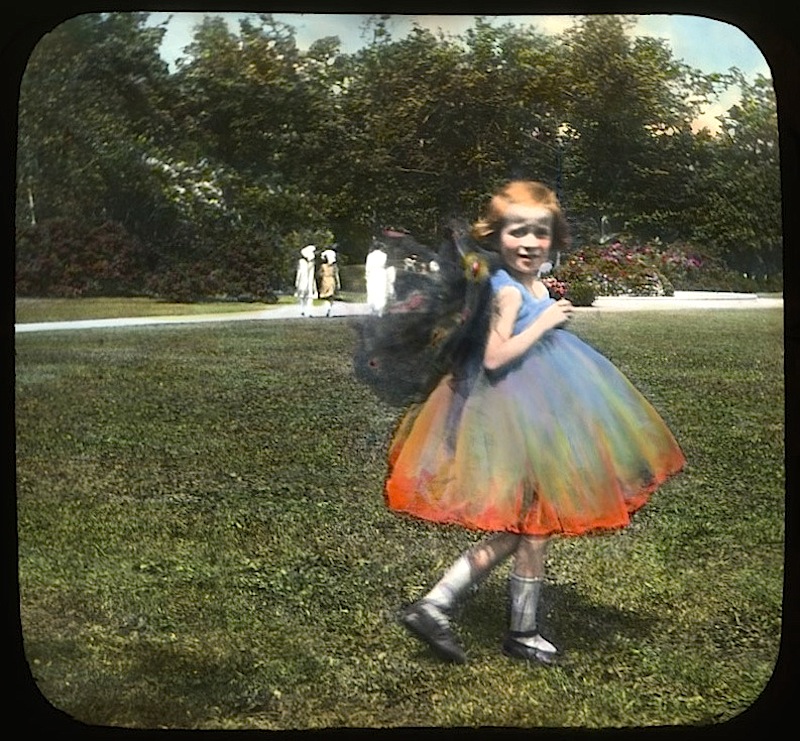
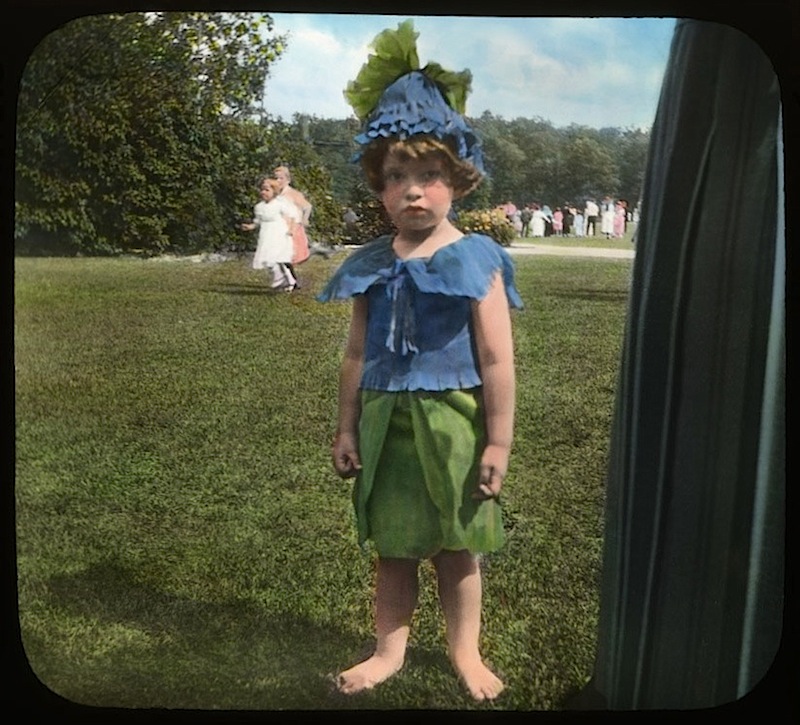
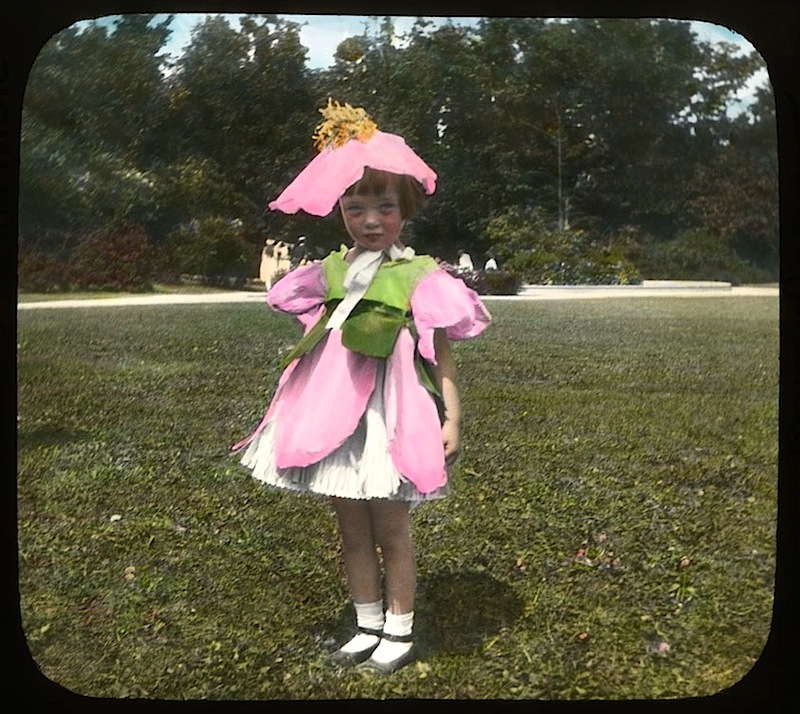
5 Child:ren in wildflower costumes, Chicago, ca. 1920, The Field Museum LibraryChildren costumed as flowers or insects for an event of the Wild Flower Preservation Society, Illinois Chapter, probably in a Chicago park, ca. 1920, hand-colored glass lantern slides by an unknown photographer, via The Field Museum Library Commons on flickr (all images here).

6 Child:ren in wildflower costumes, Chicago, ca. 1920, The Field Museum Library

The Wild Flower Preservation Society of America was founded in 1902 with money given to the New York Botanical Garden by Olivia E. and Caroline Phelps Stokes.  The funds were to be used for the protection of native plants.

1 Child:ren in wildflower costumes, Chicago, ca. 1920, The Field Museum Library

The Society dissolved in 1933, but much of its work was taken up by the Garden Club of America and by another Wild Flower Preservation Society, founded in 1925 in Washington, D.C. (which seems no longer to exist).

2 Child:ren in wildflower costumes, Chicago, ca. 1920, The Field Museum Library

3 Child:ren in wildflower costumes, Chicago, ca. 1920, The Field Museum Library

4 Child:ren in wildflower costumes, Chicago, ca. 1920, The Field Museum Library

7 Child:ren in wildflower costumes, Chicago, ca. 1920, The Field Museum Library

12 Child:ren in wildflower costumes, Chicago, ca. 1920, The Field Museum LibraryAbove and below: Mayapples.9 Child:ren in wildflower costumes, Chicago, ca. 1920, The Field Museum Library

10 Child:ren in wildflower costumes, Chicago, ca. 1920, The Field Museum LibraryAbove: a bee.

13 Child:ren in wildflower costumes, Chicago, ca. 1920, The Field Museum Library
Click here to see several more of the slides.

The Sunday porch: Kentucky

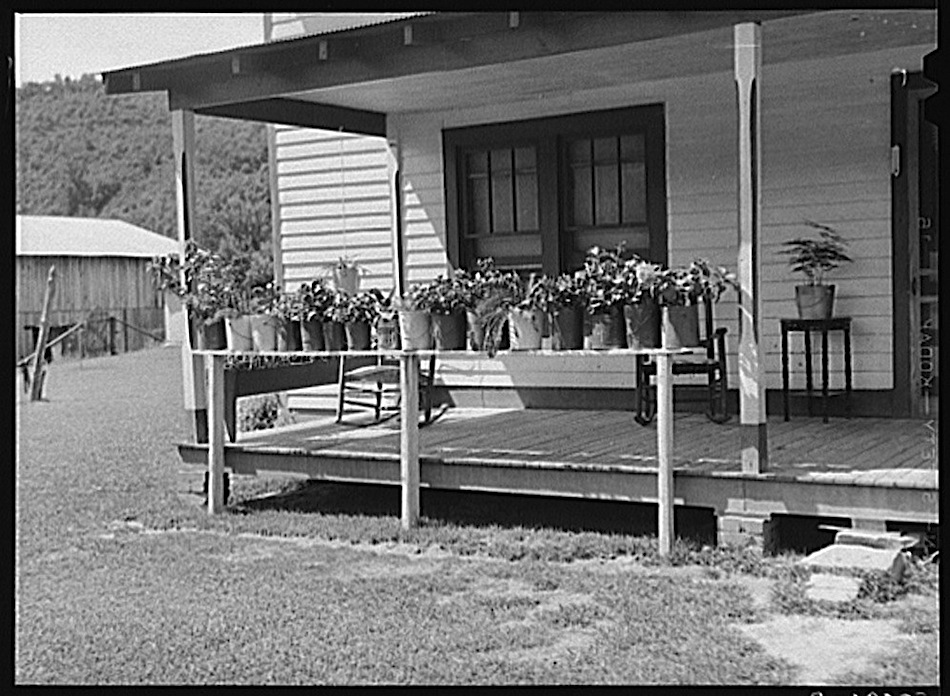
Prosperous farmer 1, Kentucky, Library of CongressFarmhouse porch with plants in painted lard buckets, Morehead, Kentucky, 1940, by Marion Post Wolcott for U.S. Farm Security Administration/Office of War Information, via Library of Congress Prints and Photographs Division.

I wish we could see the colors of the painted* containers.

Prosperous farmer 2, Kentucky, Library of Congress
Two special supports were built along the front of the porch to display the plants. (There’s a third view of the house here.)


*Here, here, and here are examples of 1930s interior paint color combinations.

Vintage landscape: portraits

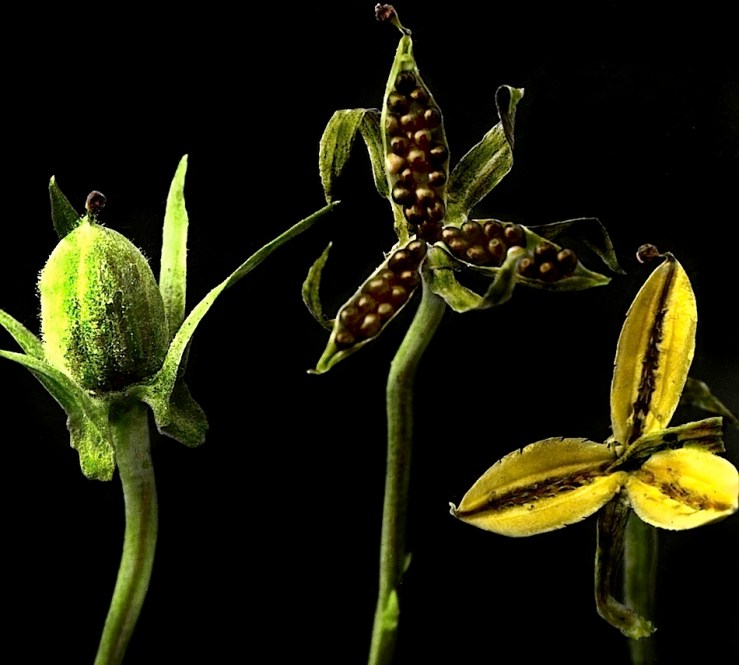
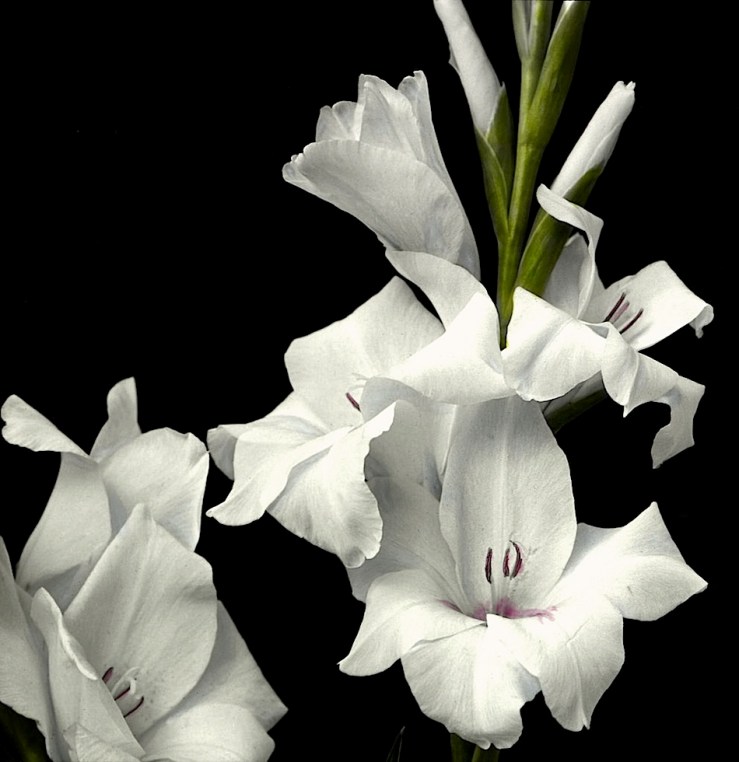
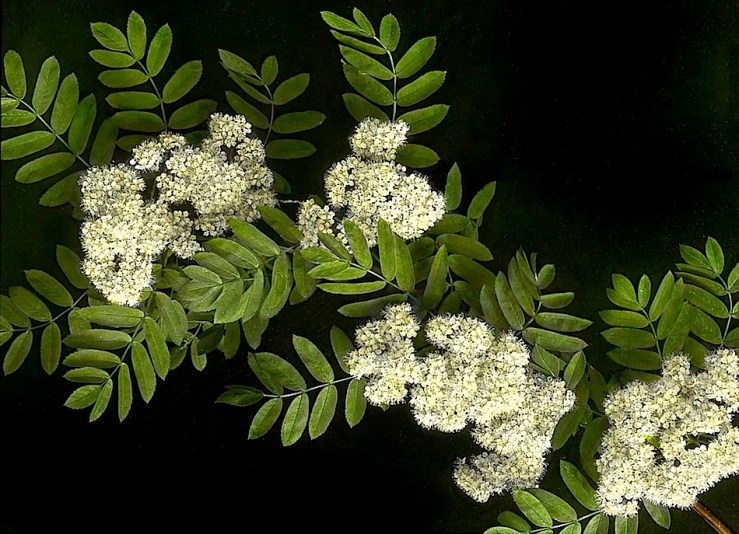
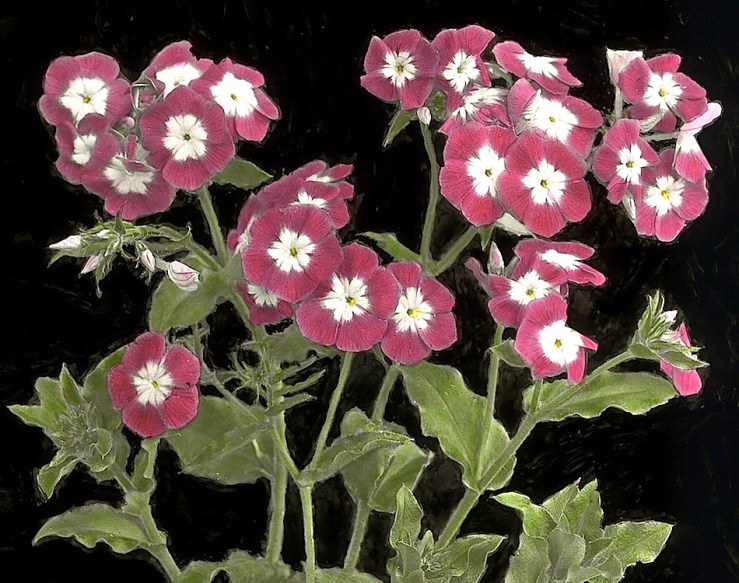
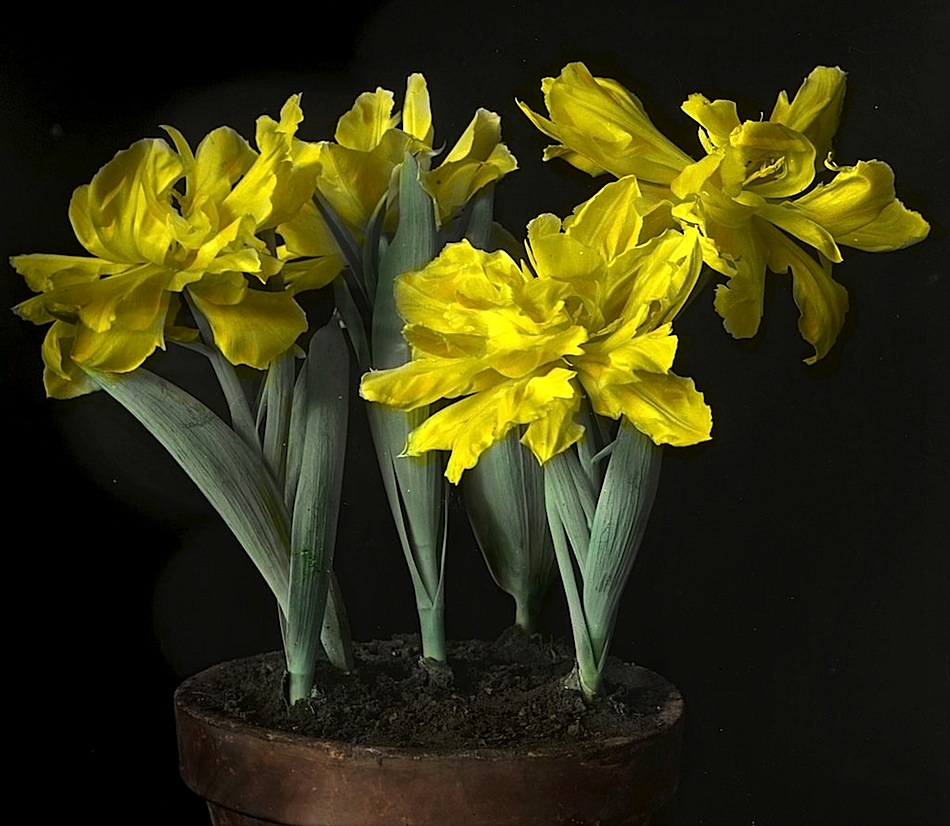
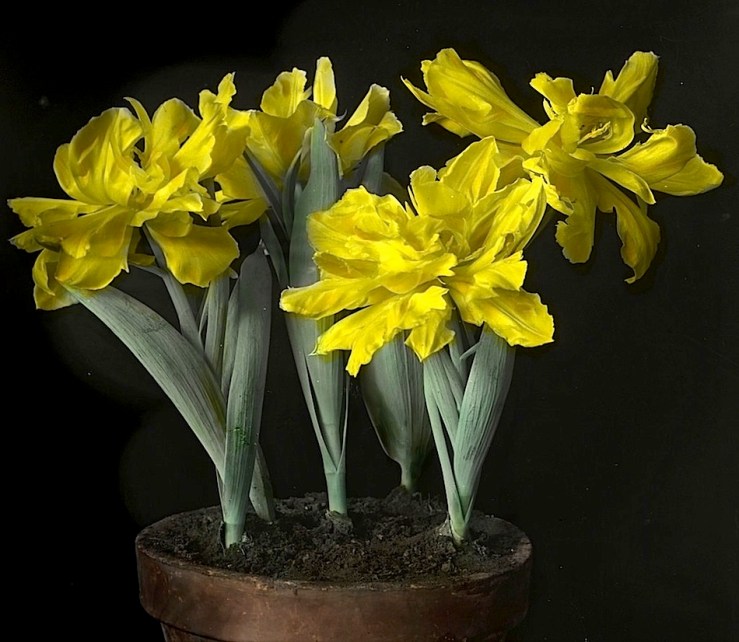
McCall flower portrait 13, ca. 1930, Provincial Archives of Alberta“Early Double Tulip: Van de Hoeff,” Alberta, Canada, ca. 1930, hand-colored glass lantern slide by William Copeland McCalla, via Provincial Archives of Alberta Commons on flickr (all images here).
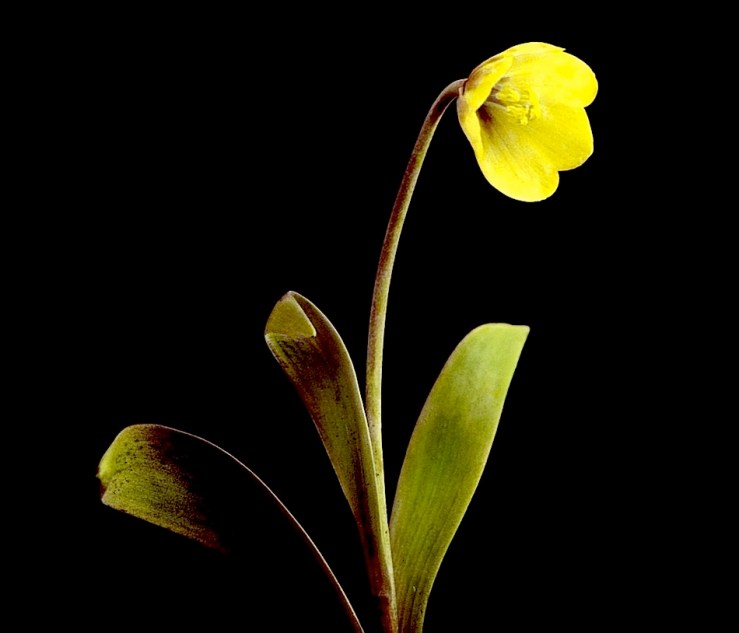
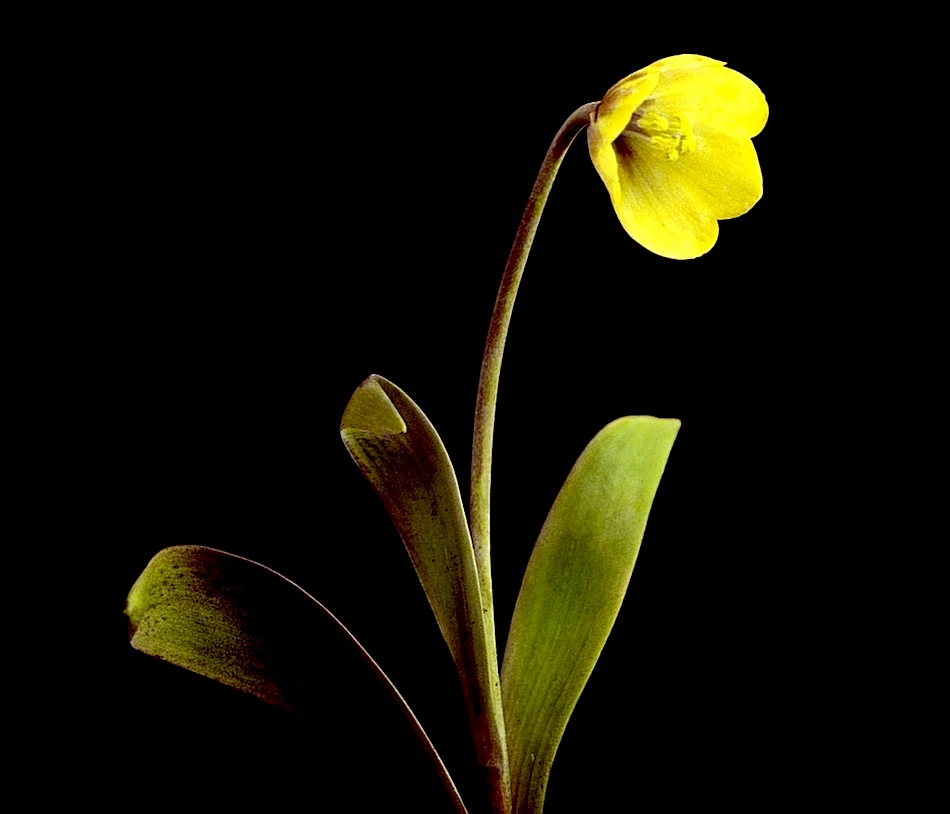
McCall flower portrait 17, ca. 1930, Provincial Archives of AlbertaFritillaria Pudica Spreng – Yellow or Mission Bell.”

The photographer, William McCalla, was interested in botany and photography from an early age. He studied at Cornell University in the early 1890s and later worked in western Canada as a farmer, librarian, and Natural History teacher.  While teaching from 1925 to 1938, he made over 1,000 lantern slides of plants and animals as visual aids.

The slides were donated to the Archives by his son and granddaughter in 1982 and 2007.
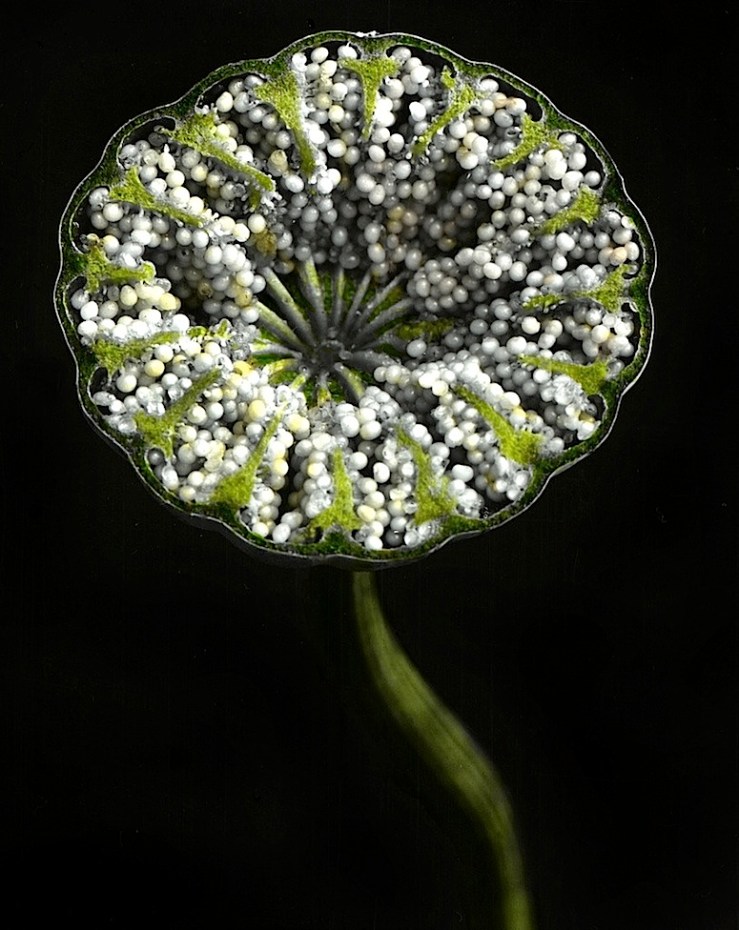
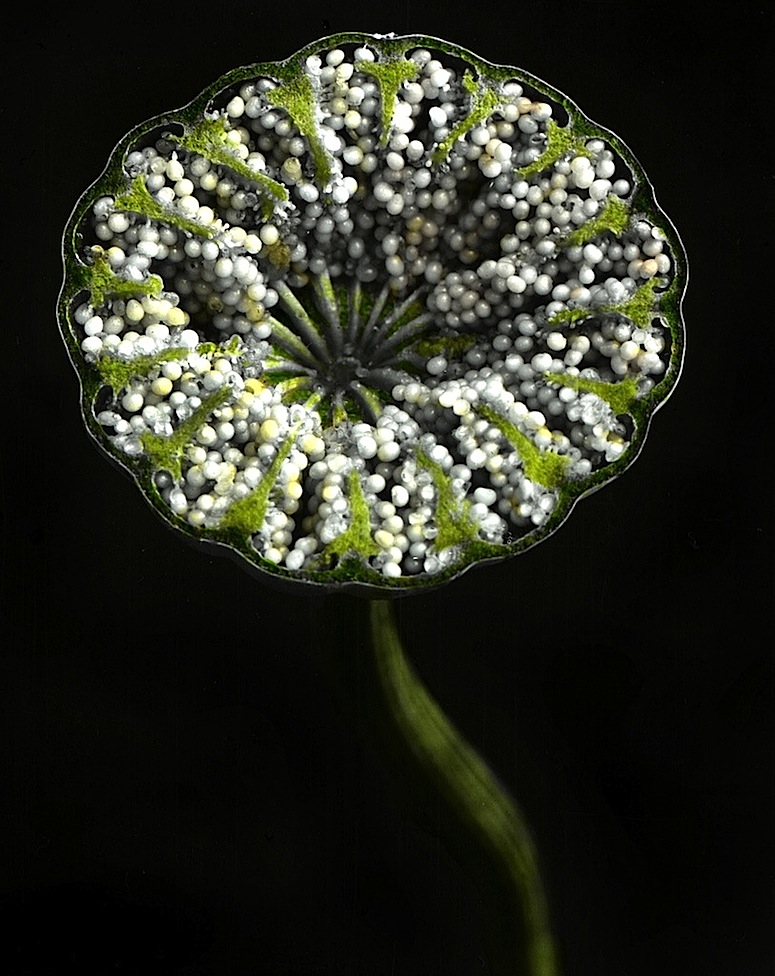
McCall flower portrait 2, ca. 1930, Provincial Archives of Alberta“Cross-section of poppy capsule.”

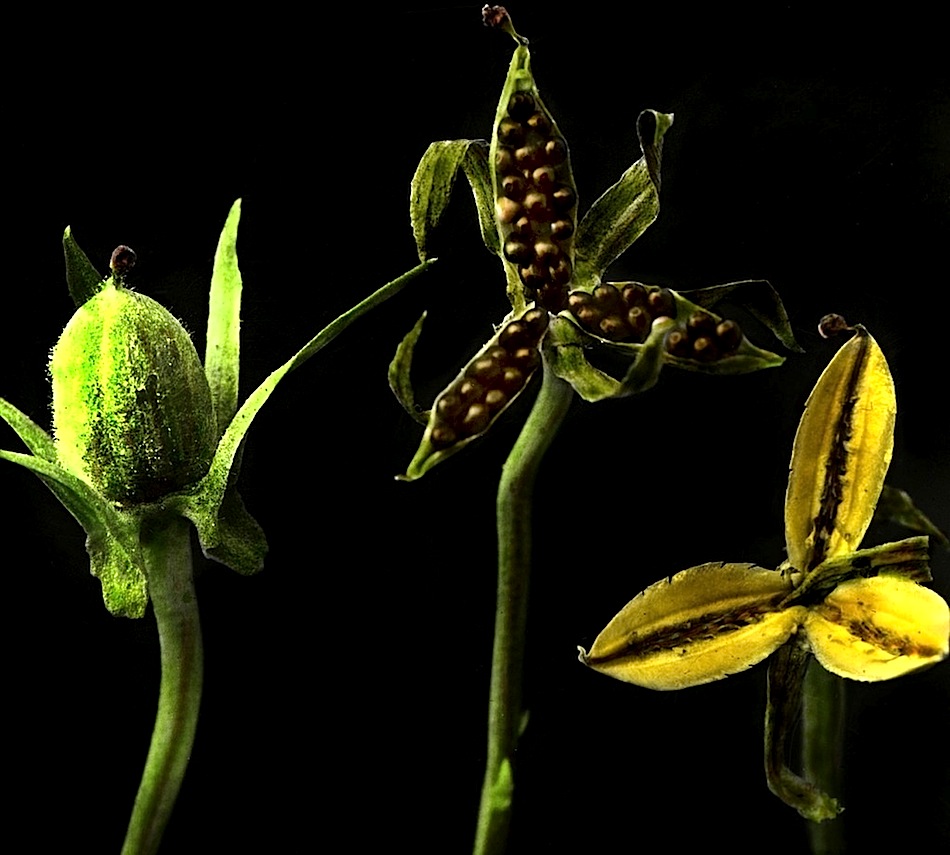
McCall flower portrait 9, ca. 1930, Provincial Archives of Alberta“How Violets scatter their seeds: capsule open: [capsule] empty.”
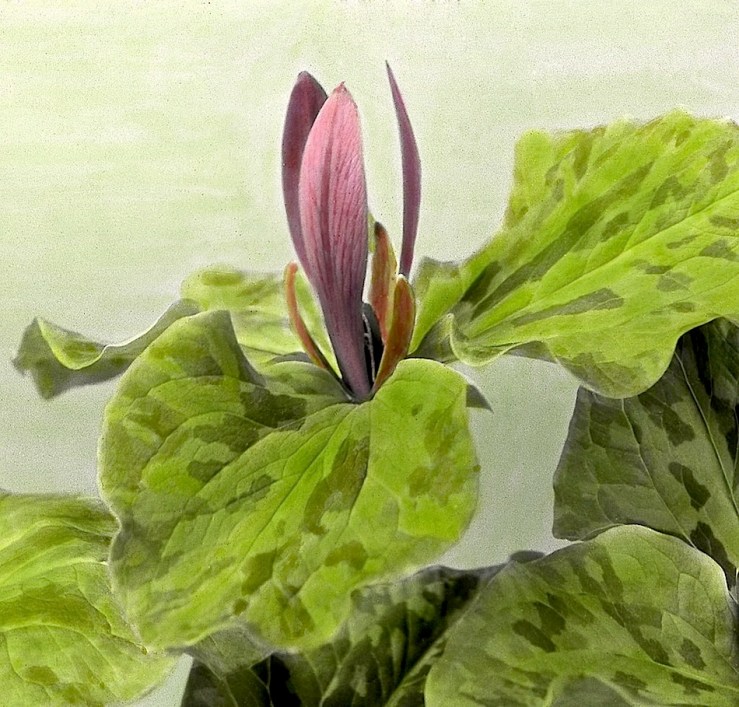
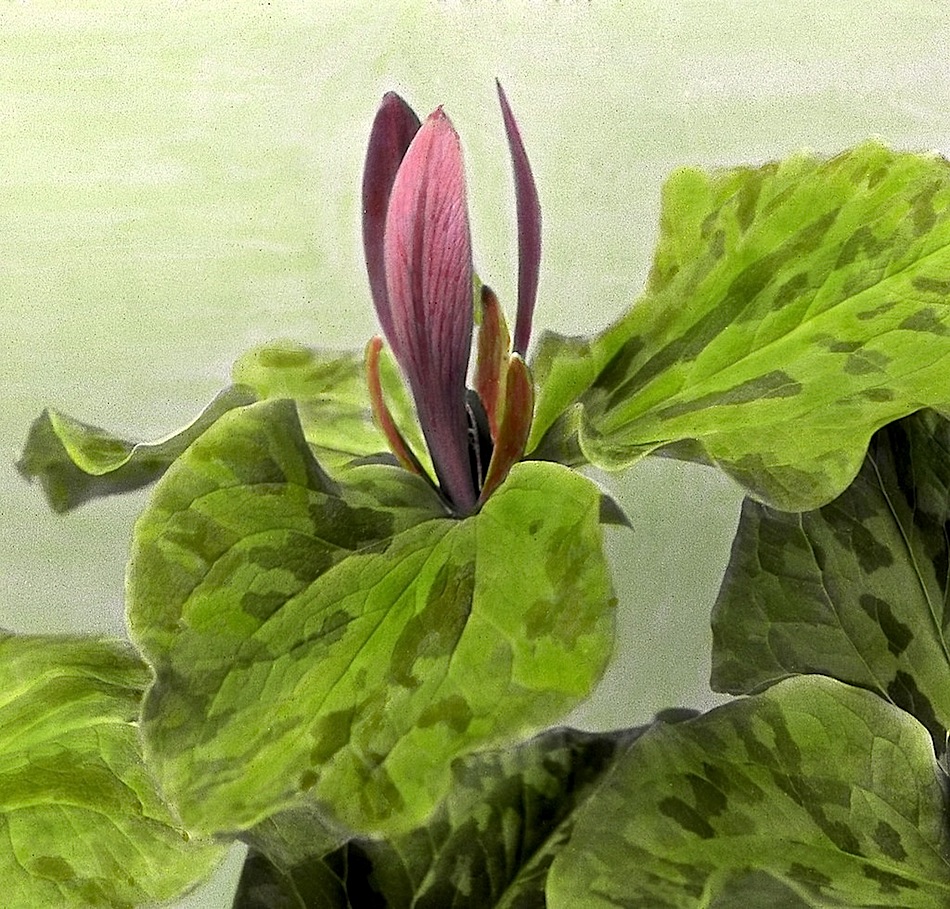
McCall flower portrait 16, ca. 1930, Provincial Archives of Alberta“Trillium sessile: Californicum wats.”

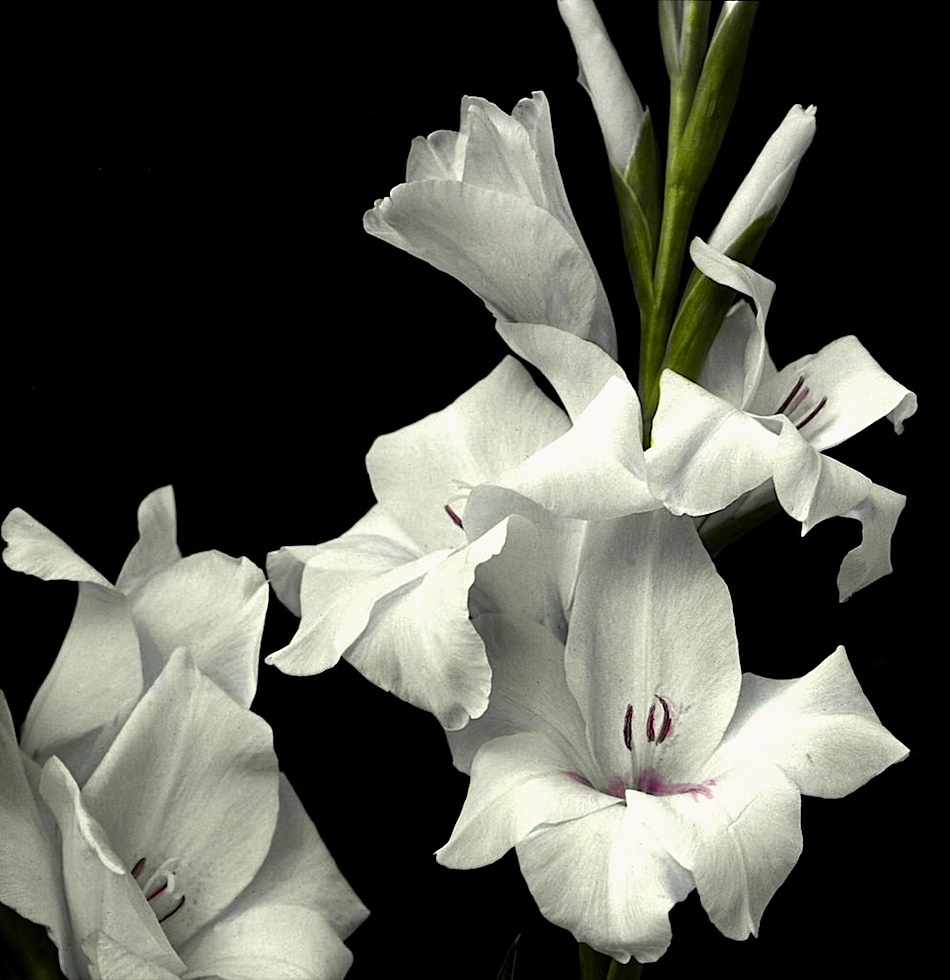
McCall flower portrait 12, ca. 1930, Provincial Archives of Alberta“Gladiolus Star of Bethlehem.”

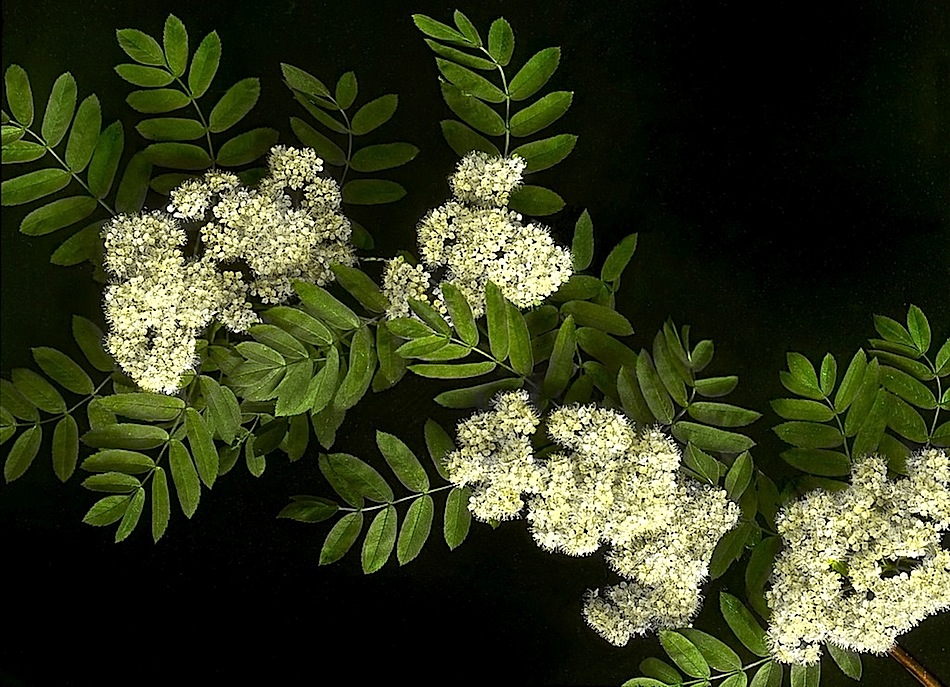
McCall flower portrait 14, ca. 1930, Provincial Archives of Alberta“Mountain Ash.”

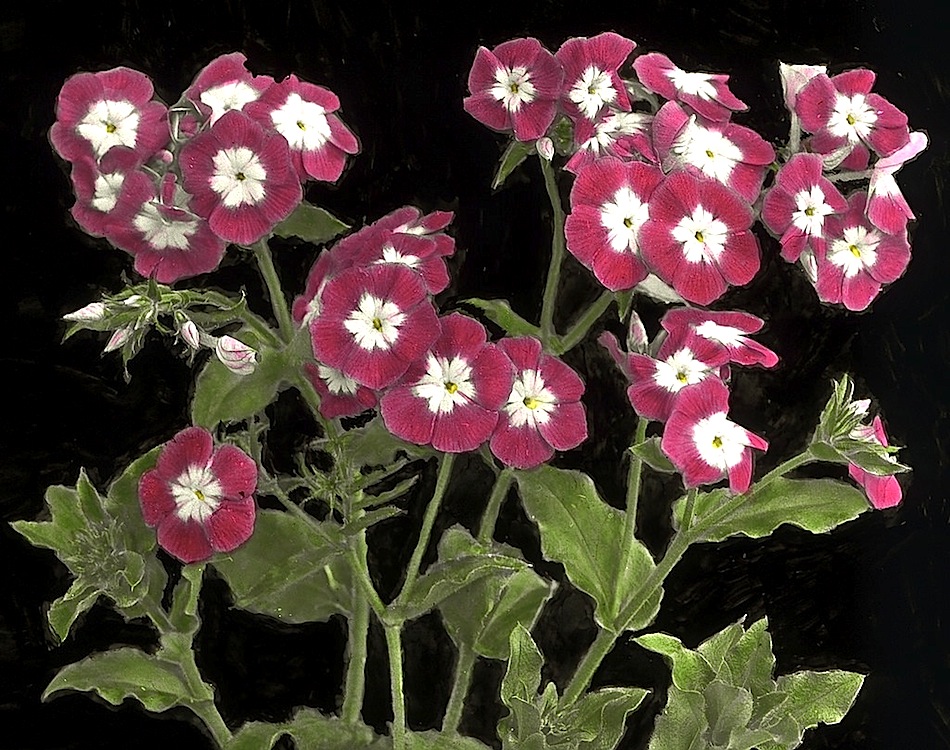
McCall flower portrait 15, ca. 1930, Provincial Archives of Alberta“Phlox Drummondii.”

You can see more of McCalla’s beautiful flower portraits here.

Vintage landscape: fireweed

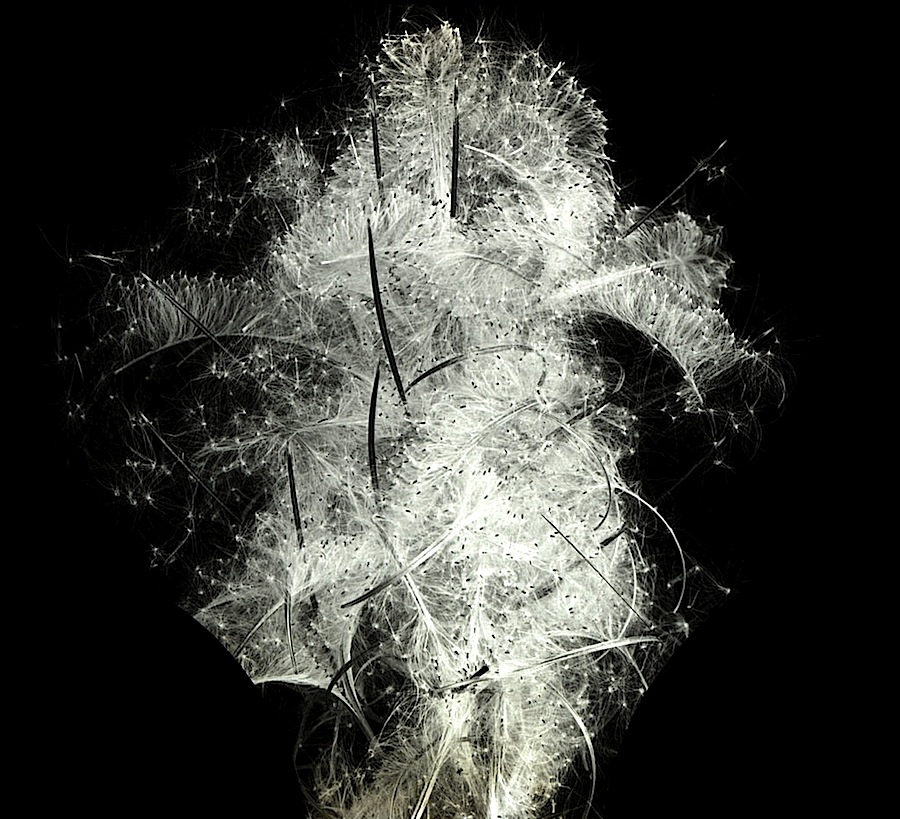
McCall flower portrait 1, ca. 1930, Provincial Archives of Alberta

Epilobium angustifolium discharging seeds,” Alberta, Canada, ca. 1930, glass lantern slide by William Copeland McCalla, via Provincial Archives of Alberta Commons on flickr.

The plant is now named Chamerion angustifolium. In Canada, it is commonly known as fireweed because it is quick to colonize damp sites made open by fires.

The photographer, William McCalla, was a farmer, librarian, and Natural History teacher. As visual aids for his classes and lectures, he made over 1,000 lantern slides of plants and animals. They were donated to the Archives by his son and granddaughter in 1982 and 2007. I will have more of McCalla’s flower portraits tomorrow.

follower of the fourth-oldest dream—
the landscape burning and burning.

C. Dale Young, from “Fireweed