The Sunday porch: rustic pavilion

Rustic building, Philadelphia, Library Company of PhiladelphiaThis whimsical shelter was located on a ridge in Philadelphia overlooking the Schuylkill River.  It was “one of the thatch-roof rustic pavilions installed at the [Fairmount Water Works] between 1864-1866 as a decorative improvement,” according to the website Philadelphia Architects and Buildings.

The photo, via Library Company of Philadelphia Commons on flickr, is dated ca. 1870.

In the lower left corner of the picture, you can just see one of the water work’s Classical Revival buildings at the river’s edge below. They housed and disguised the pumping equipment of the city’s water supply system from 1815 until 1911.

I love the birdhouses near the top of the pavilion’s roof.

The little buildings seem to have been replaced during the 20th century by white gazebos more closely matching the style of the other water works buildings, which now house a restaurant and interpretive center.
Vintage landscape: O cabbage gardens

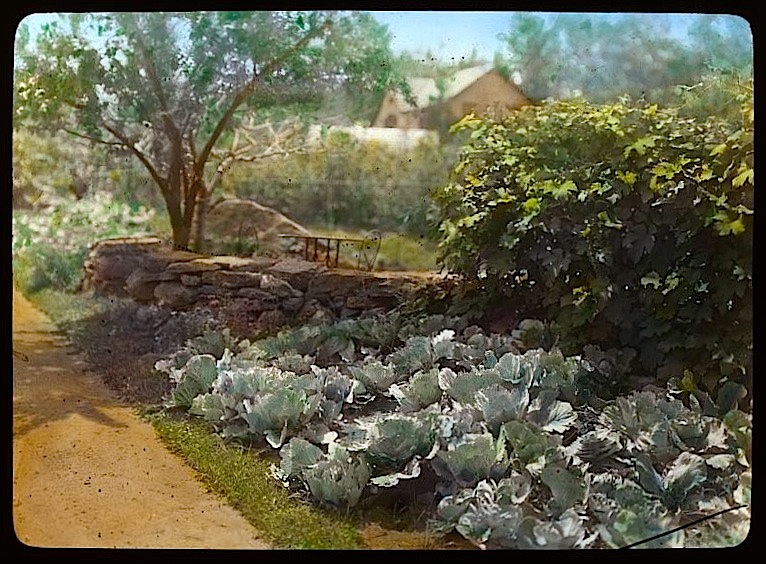
cabbage garden, FBJohnson collection, Library of CongressCabbages in the vegetable garden of Chelmsford, Greenwich, Connecticut, ca. 1914, by Frances Benjamin Johnston, via Library of Congress Prints and Photographs Division.

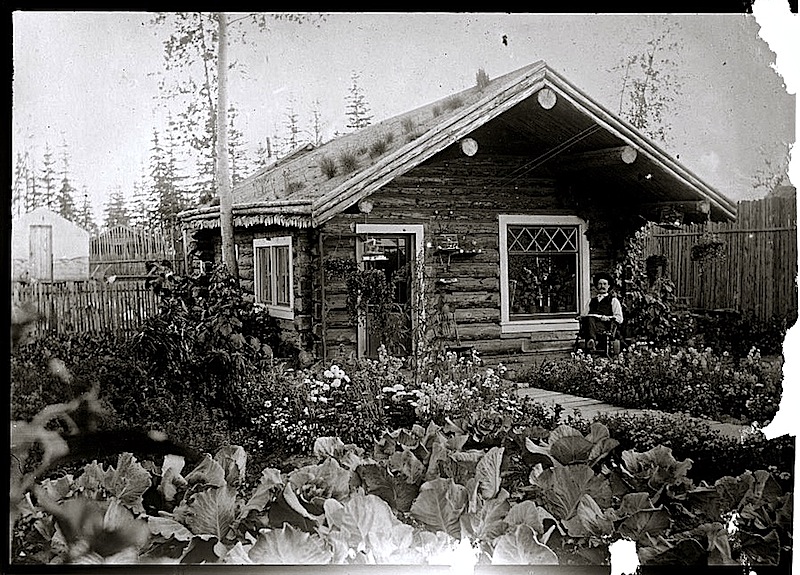
Alaska cabbage garden, via Library of CongressA cottage garden in Alaska, between 1909-1920. By National Photo Company, via Library of Congress Prints and Photographs Division.

Puerto Rico cabbage garden, ca. 1941, J. Delano, Library of CongressWoman in her garden, Puerto Rico, Winter 1941/42, by Jack Delano, via Library of Congress Prints and Photographs Division.

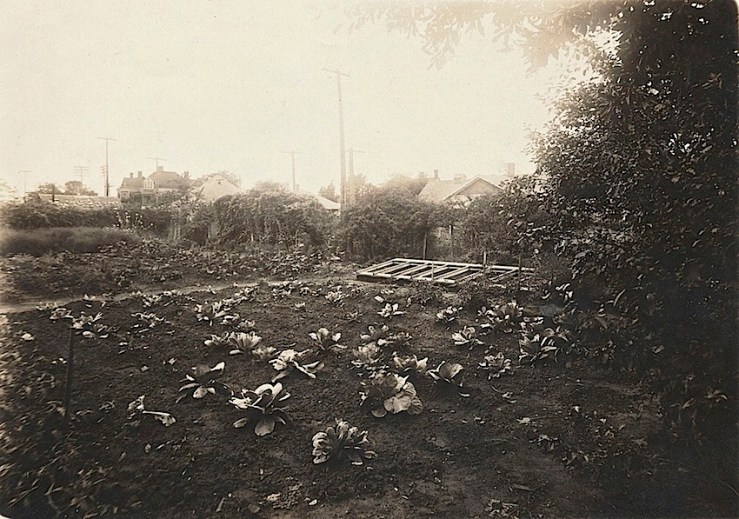
cabbage garden, Maxey Hse, Paris TX, flickrThe vegetable garden and cold frames of the Maxey House, Paris, Texas, undated, from the Samuel Bell Maxey Collection, via Texas State Archives Commons on flickr.
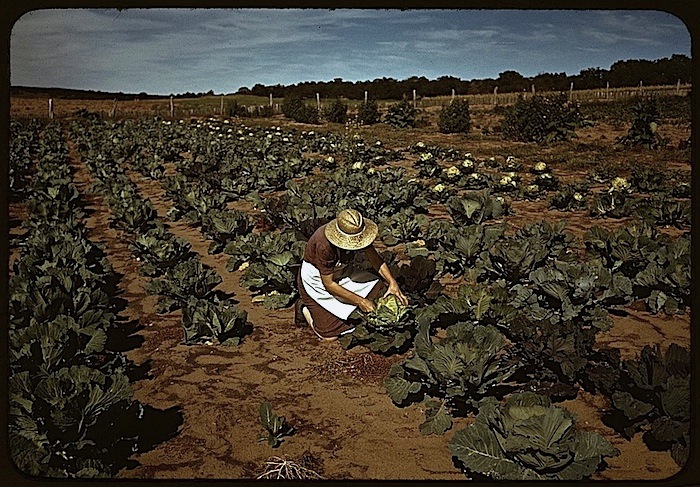
Norris gardenMrs. Jim Norris with homegrown cabbage, Pie Town, New Mexico, October 1940, by Russell Lee, via Library of Congress Prints and Photographs Division.

eternity swallows up time
                        O cabbage gardens
summer’s elegy
                        sunset survived

Susan Howe, from “Cabbage Gardens

Wordless Wednesday: flagstone path

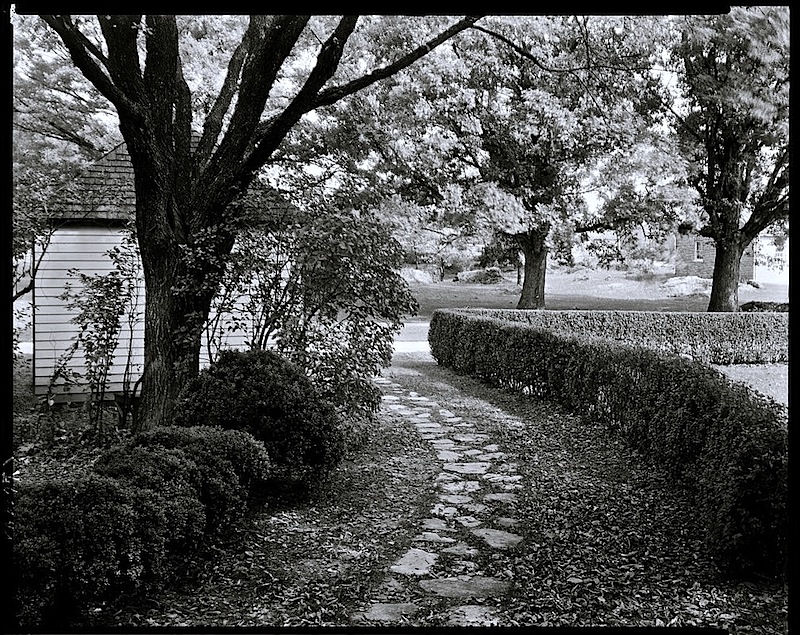
Rockland, Leesburg, Va.Rockland, near Leesburg, Virginia, 1929, by Frances Benjamin Johnston, via Library of Congress Prints and Photographs Division.

The Sunday porch: the collector

This slideshow requires JavaScript.

Farm House, Crowell’s Cross Road, Halifax County, North Carolina, between 1935 and 1938, by Frances Benjamin Johnston, via Library of Congress Prints and Photographs Division.

Still, as I went about my potting on a glorious afternoon, one small treasure after another, the world of nature that is so terrible and so beautiful appeared only in its sweetest aspect.

— Henry Mitchell, On Gardening

Life in gardens: dance!

This slideshow requires JavaScript.

It’s the first day of the last month of summer.

In observance of this moment, you might want to put on something gauzy, go outdoors, and cavort {gambol, caper, dance, frisk, frolic, rollick, romp, leap and skip about playfully} — as many were apparently wont to do in the first decades of the 20th century.

These performers were certainly influenced by American dancer Isadora Duncan, who, by 1900, was performing and teaching a “natural” modern dance. “With free-flowing costumes, bare feet, and loose hair, she took to the stage inspired by the ancient Greeks, the music of classical composers, the wind and the sea,” according to the Isadora Duncan Dance Foundation.

All photos here via Library of Congress Prints and Photographs Division, except for “Sisters of the Sun,” which is via Shorpy.

What mattered in Isadora’s Hellenic dances was not the Greek themes or the gauzy costumes, but the uninhibited vitality, the sense of a glorious nakedness.”

— Lewis Mumford, 1905