
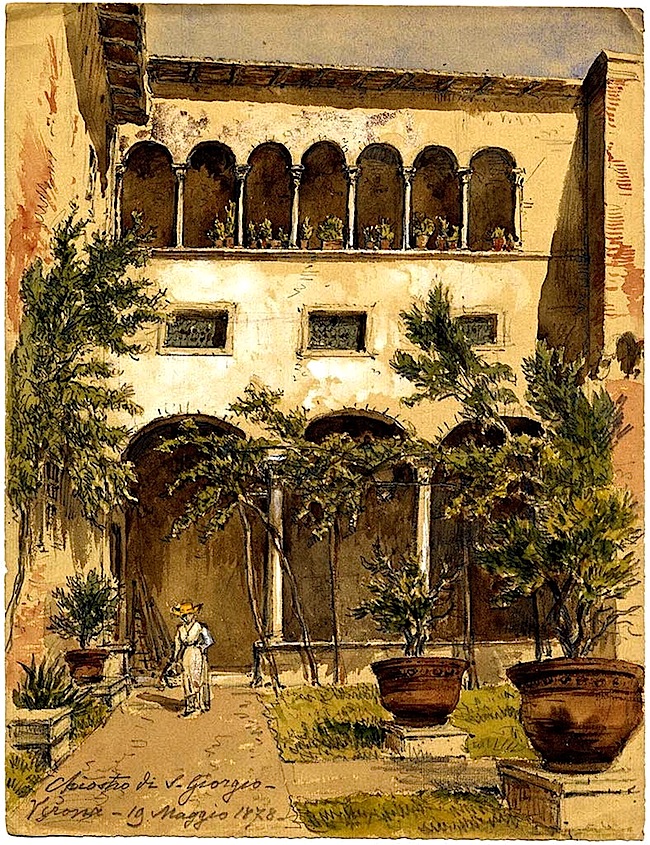
 San Giorgio cloister, Verona, Italy, May 19, 1878, via National Archives of Estonia Commons on flickr.
The watercolor is one of many Italian scenes collected (perhaps painted?) by a Baroness Meyendorff in the 1870s and early 1880s.
San Giorgio cloister, Verona, Italy, May 19, 1878, via National Archives of Estonia Commons on flickr.
The watercolor is one of many Italian scenes collected (perhaps painted?) by a Baroness Meyendorff in the 1870s and early 1880s.
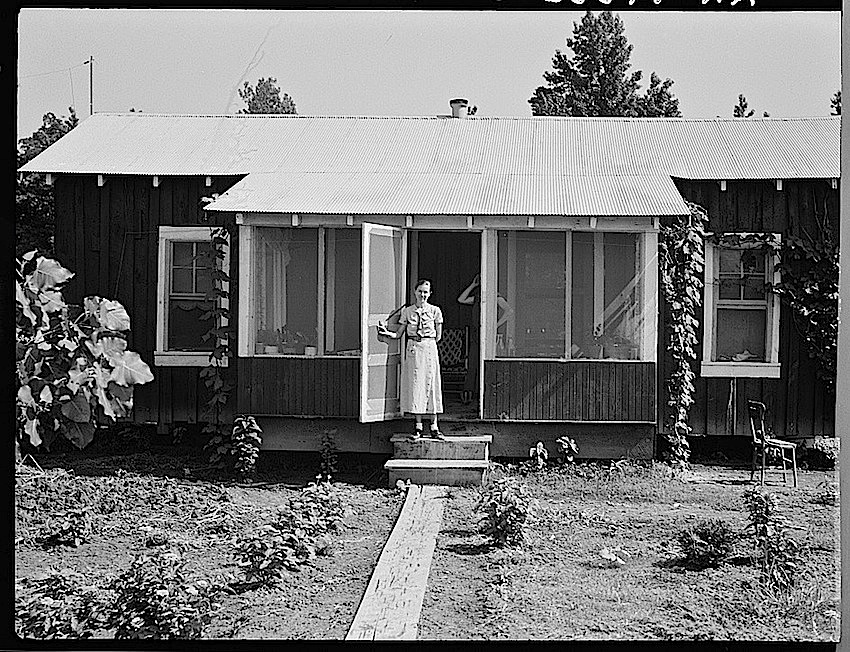 The front porch of a Delta Farm home, Hillhouse, [Bolivar County,] Mississippi,” June 1937, by Dorothea Lange, via Library of Congress Prints and Photographs Division (all photos here).
Delta Cooperative Farm was a privately owned and administered agricultural resettlement project for white and African-American sharecroppers evicted in the mid-1930s.
Founded in 1936 by several religious thinkers, educators, and organizers — including well-known missionary author Sherwood Eddy, who had $20,000 to spend from a follower — the enterprise avowed a commitment to economic equality among the races.
Over half of the first group of 31 farmers to settle at Delta were Black. All members worked together to grow cotton and cut and mill the land’s cypress timber. All of them shared in the first year’s profits: $327 per family.
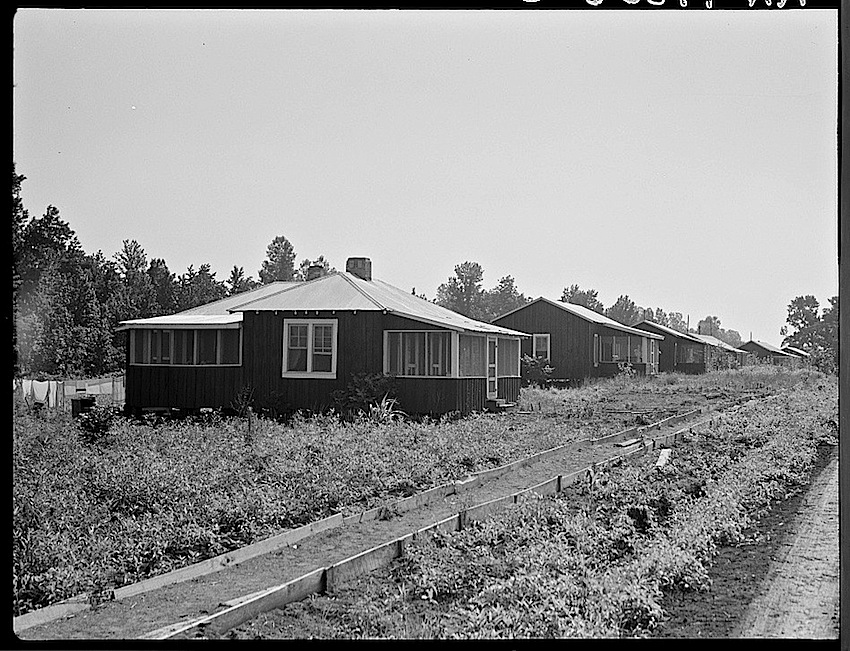
The farm’s small houses had the same simple plan and amenities — “Screen windows and porches are uncommon in cotton cabins,” noted Lange — but they were segregated in two rows: one white, one African-American, separated by a road. And the children attended segregated schools.
All the families shared the produce of a 10-acre vegetable garden, however, which appears in the photos above to have engulfed the cabins.
And they all used the farm’s clinic, nursery, and library and attended the integrated cooperative meetings. There had to be at least two Black members on the five-person farm council.
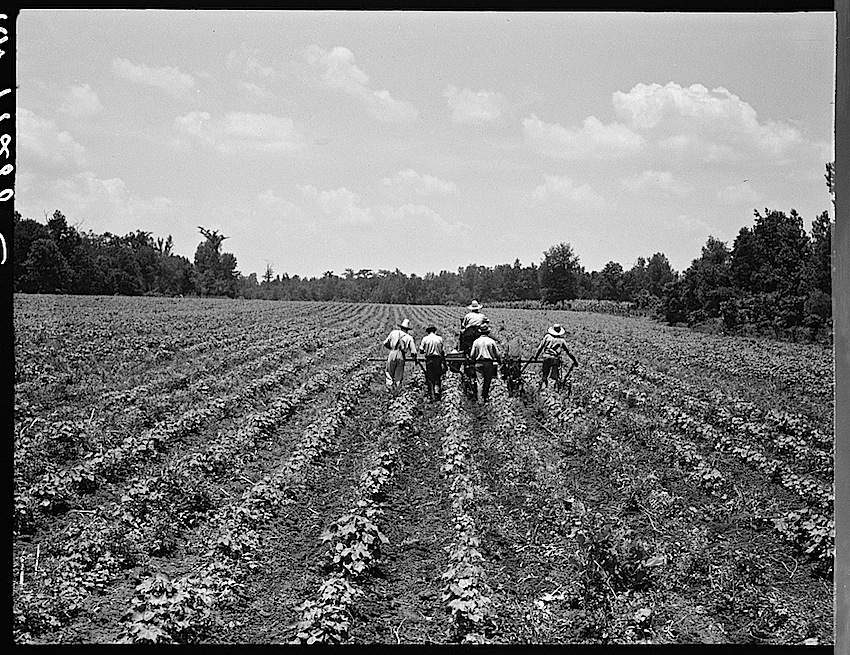
At the start of World War II, the project lost members to wartime industry jobs and military enlistment, and, in 1942, the land was sold.
Four years before, in 1938, the Delta trustees had established a second inter-racial farm project in Mississippi — Providence Cooperative Farm in Holmes County. It operated until 1955, when its staff and residents fled after being threatened by the white citizens of nearby Tchula. The empty land was sold the following year.
You can read a more complete story of the two visionary cooperative farms here.
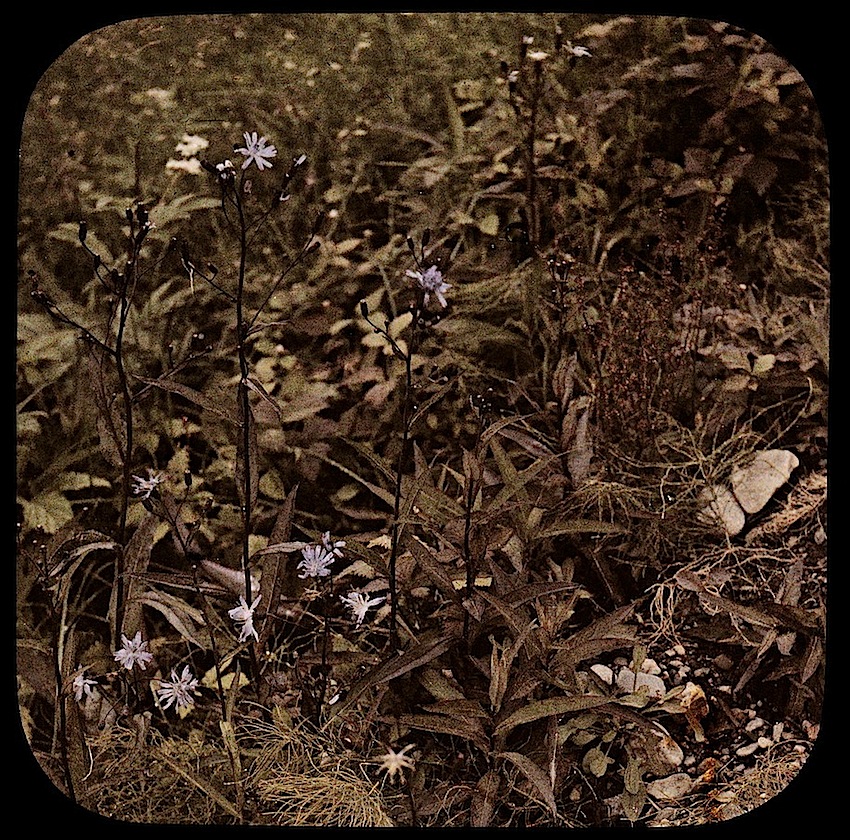 Blue flowers (blå blomster) in Målselv, Troms, Norway,1912, an autochrome by Hanna Resvoll-Holmsen, via Nasjonalbiblioteket (National Library of Norway) Commons on flickr (all photos here).
Resvoll-Holmsem was a Norwegian botanist, natural history educator, and conservationist. She took these rather moody early color pictures for her research.
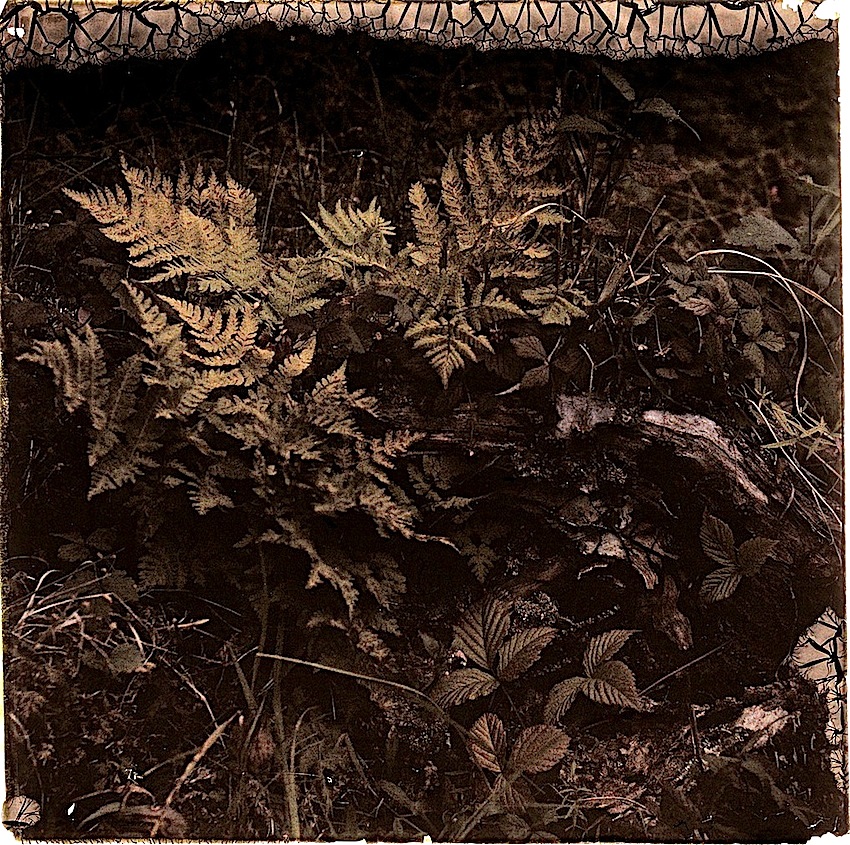 Ferns (bregner), 1912, in Målselv, a municipality in the county of Troms in northern Norway.
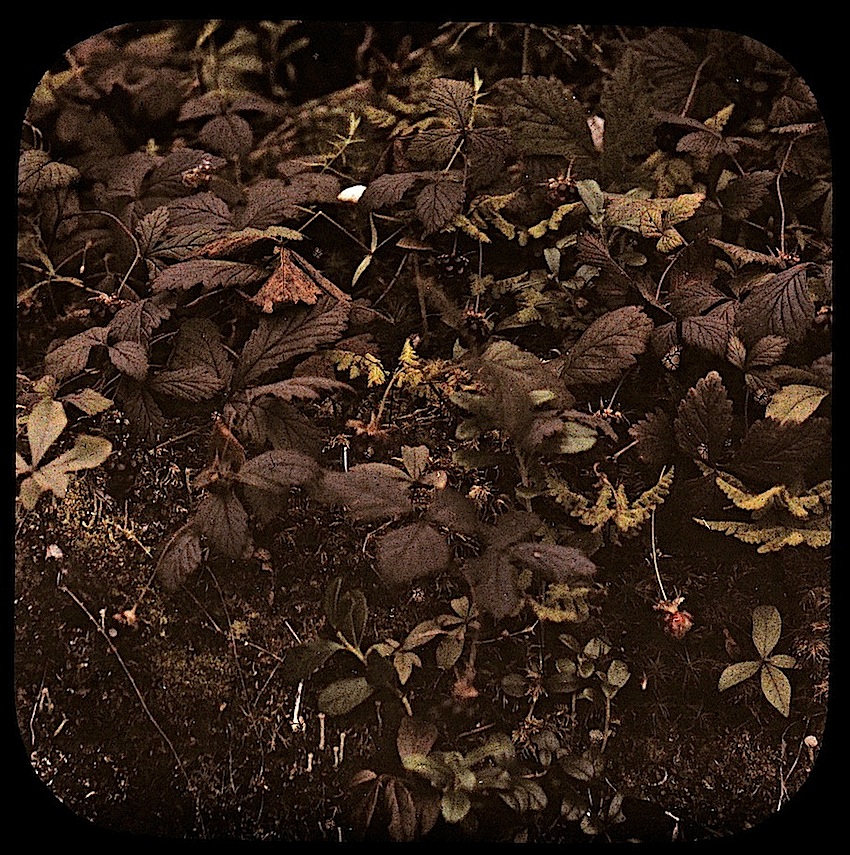 Wild berries, in Målselv, 1912.
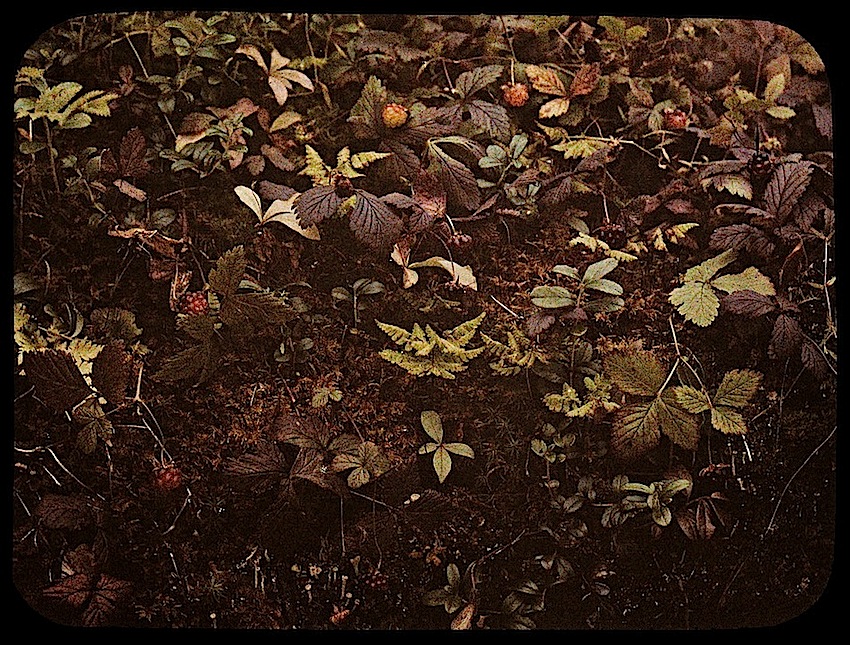 Wild berries, in Målselv, 1912.
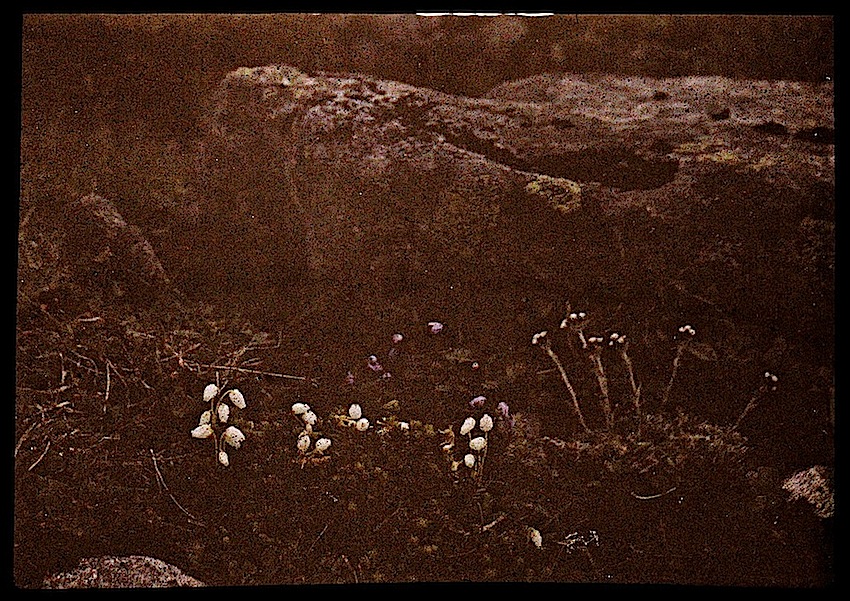 Antennaria alpina (alpine catsfoot) and Phyllodoce caerulean (mountain heath), July 27, 1911, in Lom, Oppland, in southern Norway.
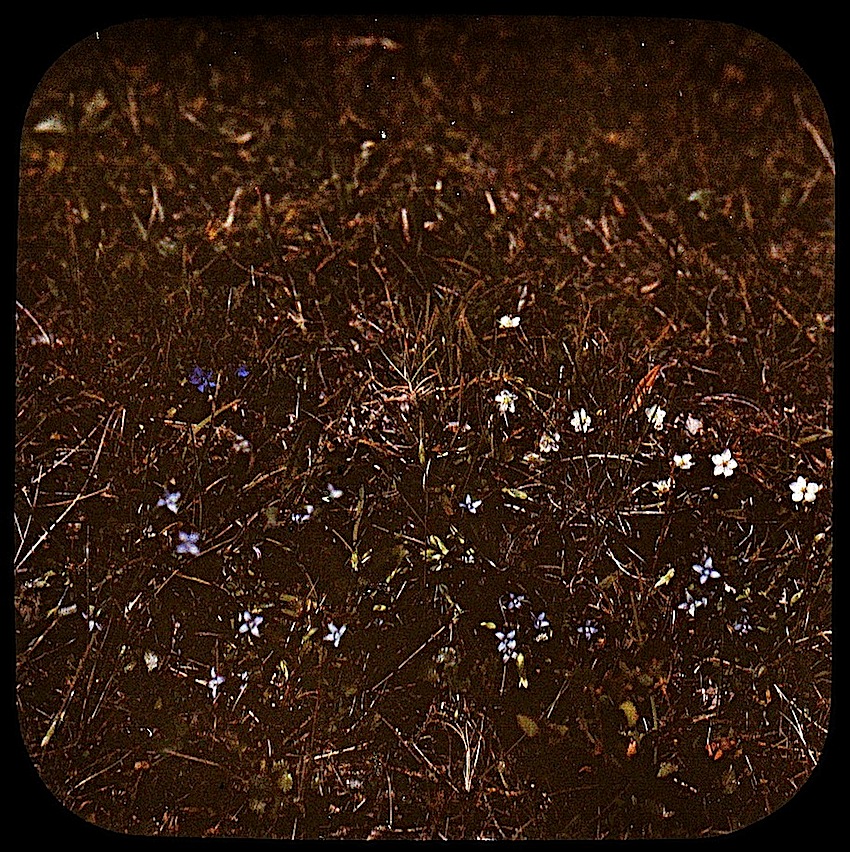 Gentianella tenella (Lapland gentian) and Sagina nodosa (knotted pearlwort) in Lom, July 6, 1911.
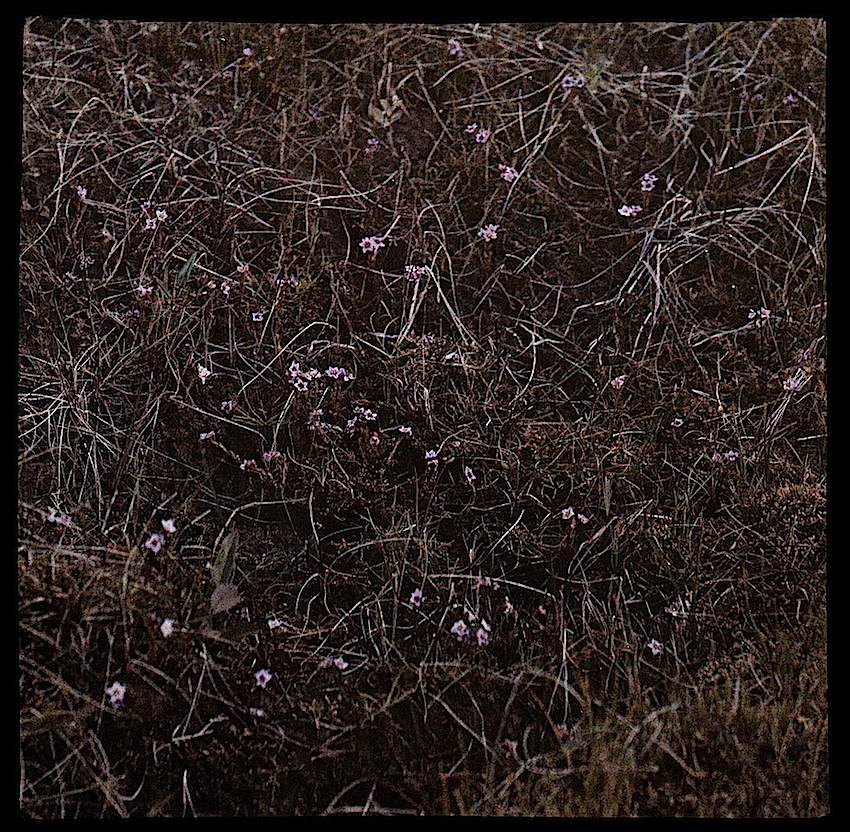 Sedum villosum (hairy stonecrop), Lom, July 16, 1911.
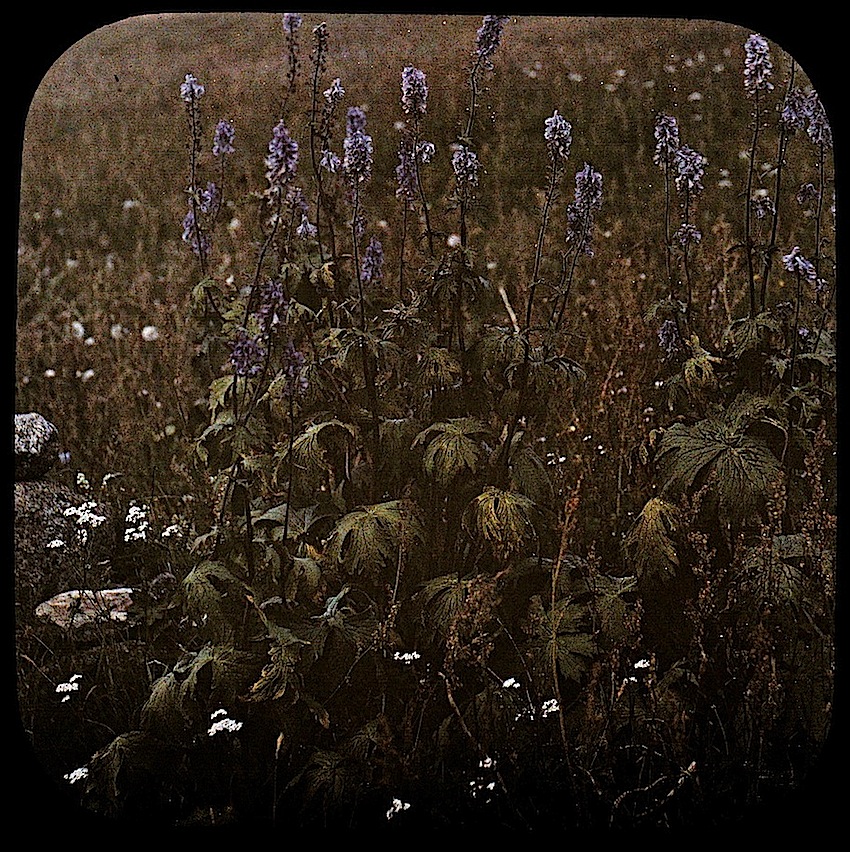 Aconitum lycoctonum (northern wolfsbane) and yarrow (tyrihjelm og ryllik i naturlige omgivelser), in Lom, August 7, 1911.
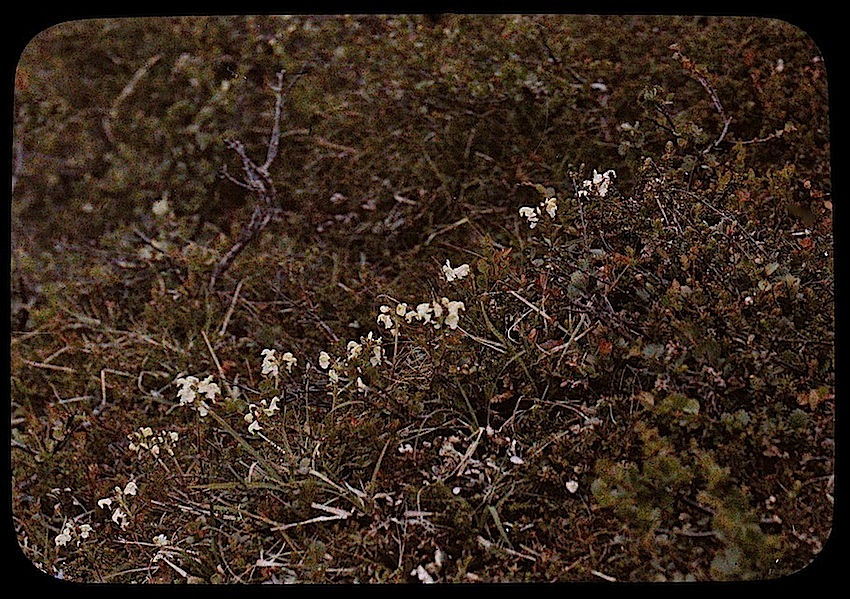 Pedicularis lapponica (Lapland lousewort), in Lom, July 5, 1911.
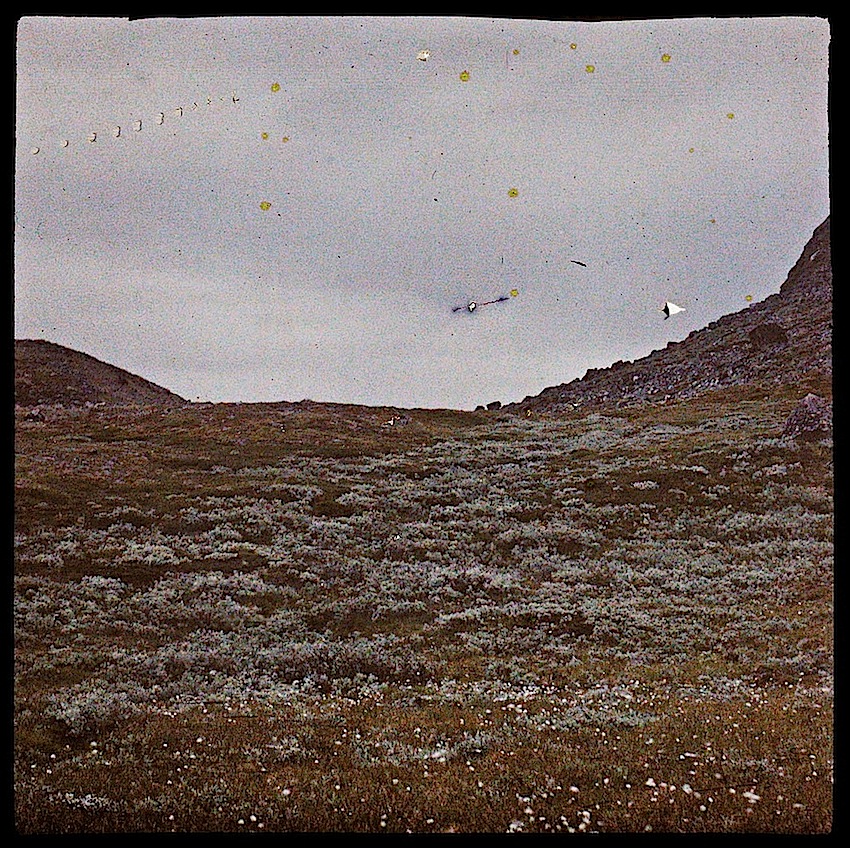 Scrub vegetation, at Lom, July 25, 1911.
To scroll through larger versions of the photos, click on ‘Continue reading’ below.
Oh I think of Alice gone down, down
under groundcover dreams. . .— John Unterecker, from “…Within, Into, Inside, Under, Within…“
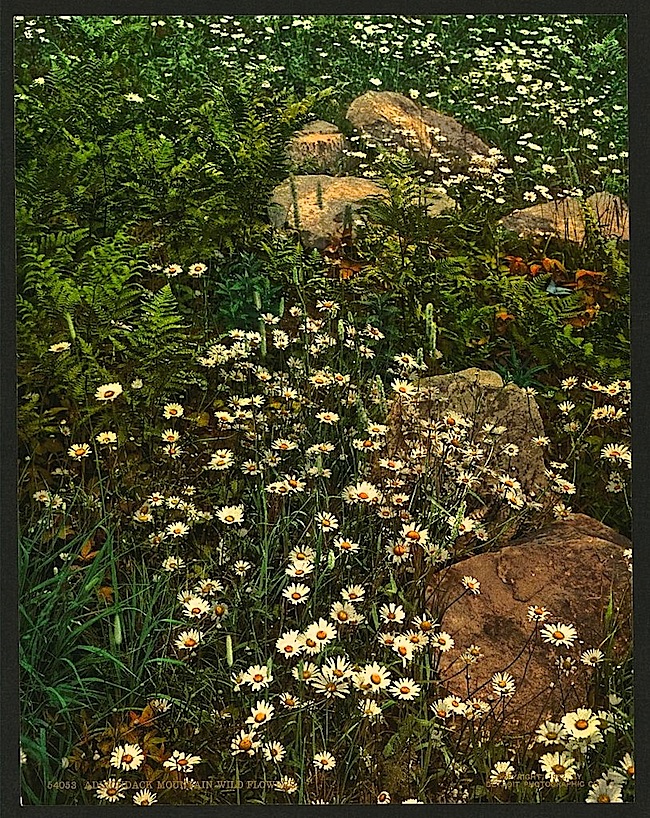 “Adirondack mountain wild flowers,” ca. 1902, a photochrom by Detroit Photographic Co., via Library of Congress Prints and Photographs Division.
Here at my feet what wonders pass,
What endless, active life is here!
What blowing daisies, fragrant grass!
An air-stirr’d forest, fresh and clear.— Matthew Arnold, from “Lines Written in Kensington Gardens“
Maypole over the town of Degerloch, near Stuttgart, Germany, May 10, 2015.
In Swabia on the first of May a tall fir-tree used to be fetched into the village, where it was decked with ribbons and set up; then the people danced round it merrily to music. The tree stood on the village green the whole year through, until a fresh tree was brought in next May Day.
— Sir James Frazer, from Chapter 10, The Golden Bough
 enclos*ure