
This slideshow requires JavaScript.
The King’s Garden, Copenhagen, March 24, 2016.
The King’s Garden, Copenhagen, March 24, 2016.
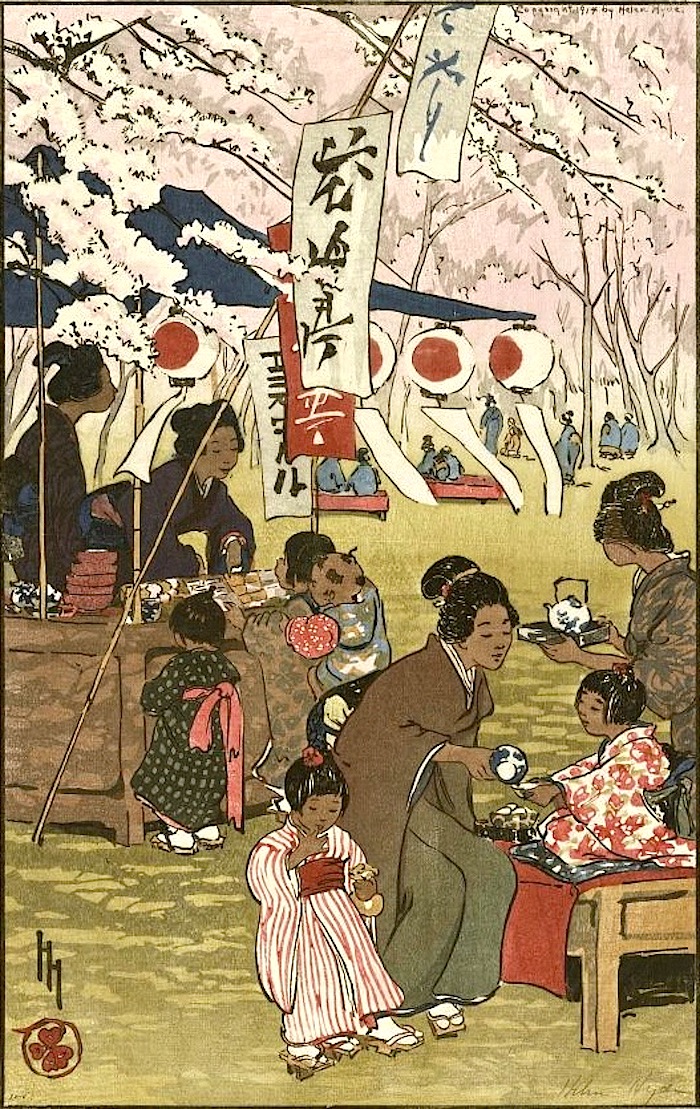 “Blossom time in Tokyo,” ca. 1914, a woodcut print by Helen Hyde, via Library of Congress Prints and Photographs Division.
Helen Hyde grew up in the San Francisco Bay area and studied at the California School of Design and in Europe. While in Paris, she was influenced by Mary Cassatt’s early works, which made use of Japanese perspective and pattern and featured the intimate lives of women and children. In 1899, she moved to Tokyo, where she studied woodblock printing techniques. She lived there until 1914.
 The west front of St. Francis Catholic Church, Moloka’i Island, Kalaupapa, Hawaii, July 1991, by Jack E. Boucher for an Historic American Buildings Survey (HABS), via Library of Congress Prints and Photographs Division (all photos here).
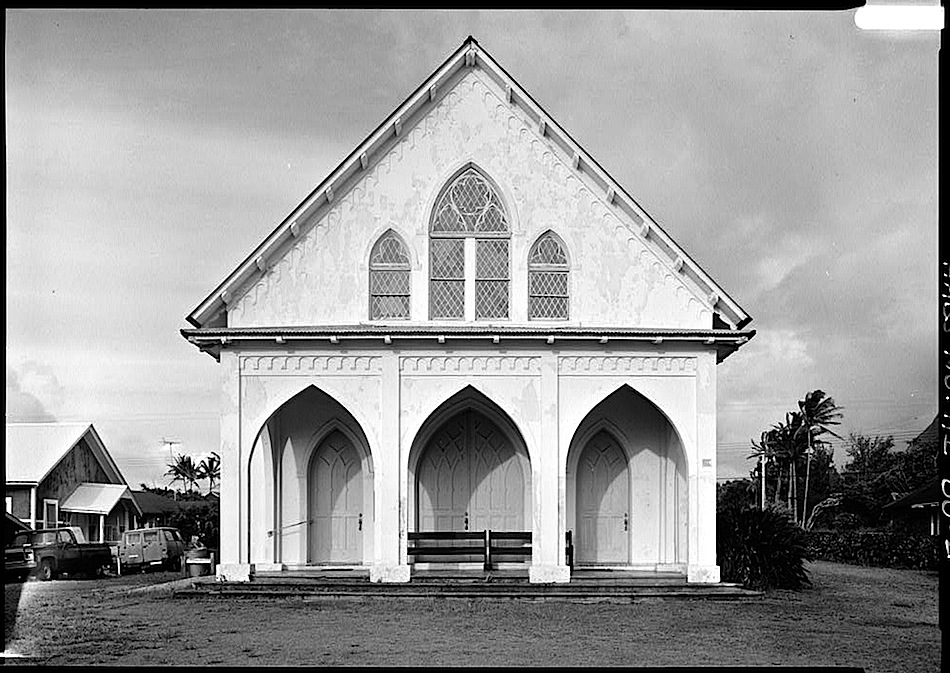
The church was built in 1908 to serve the Kalaupapa Leprosy Settlement, now part of Kalaupapa National Historical Park.

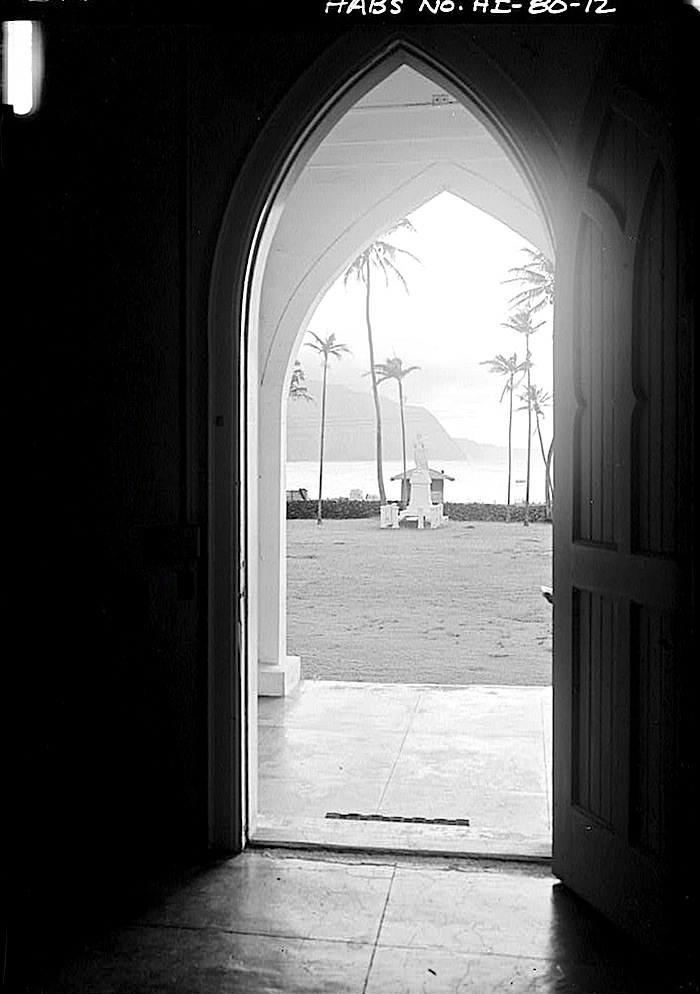
The word porch — “1250-1300; Middle English porche < Old French < Latin porticus porch, portico” — was originally used to indicate the covered entrance to a church, usually on the south side.
. . . I would wander forth/ And seek the woods.*
Witch hazels at the botanical garden of the University of Hohenheim, yesterday afternoon.
Streifzug means ‘foray,’ ‘ brief survey,’ or ‘ramble.’
*William Cullen Bryant, from “A Winter Piece“
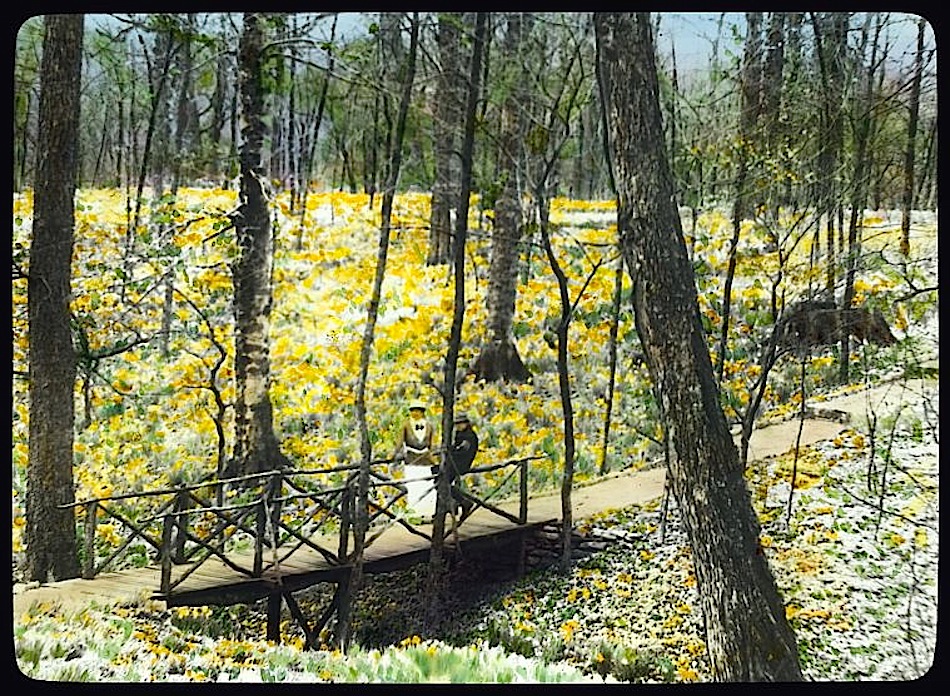 “‘Lob’s Wood,’ . . . Perintown (Milford), Ohio. Woodland daffodils,” ca. 1920, a hand-colored lantern slide by Frances Benjamin Johnston, via Library of Congress Prints and Photographs Division.
The 97-acre property pictured above was purchased in 1898 by Carl H. Krippendorf, a Cincinnati businessman who had spent childhood summers in the surrounding area. He wanted to save the woodland from being turned into a tobacco field.
Krippendorf soon built a house there for his new wife, Mary Greene, and began planting daffodils and other bulbs. They originally called the land Karlsruhe, meaning “Karl’s place of peace” in German. After World War I, the name was changed to Lob’s Wood.
In 1919, during “Daffodil Days at the Krippendorf Farm at Perintown,” $2,700* was raised for war-devastated France. In one afternoon, they sold 15,000 cut daffodils.
Carl became a friend and correspondent of the garden writer Elizabeth Lawrence. She wrote about his garden in The Little Bulbs and Lob’s Wood.
The Krippendorfs lived on the property (eventually 175 acres) for 64 years. Today the house and woods are part of the Cincinnati Nature Center.
What explains poetry is that life is hard
But better than the alternatives,
The no and the nothing. Look at this light
And color, a splash of brilliant yellowPunctuating an emerald text. . .
— Alicia Ostriker, from “Daffodils“
*about $34,000 today.
 enclos*ure