Korte violetstraat, Brussels


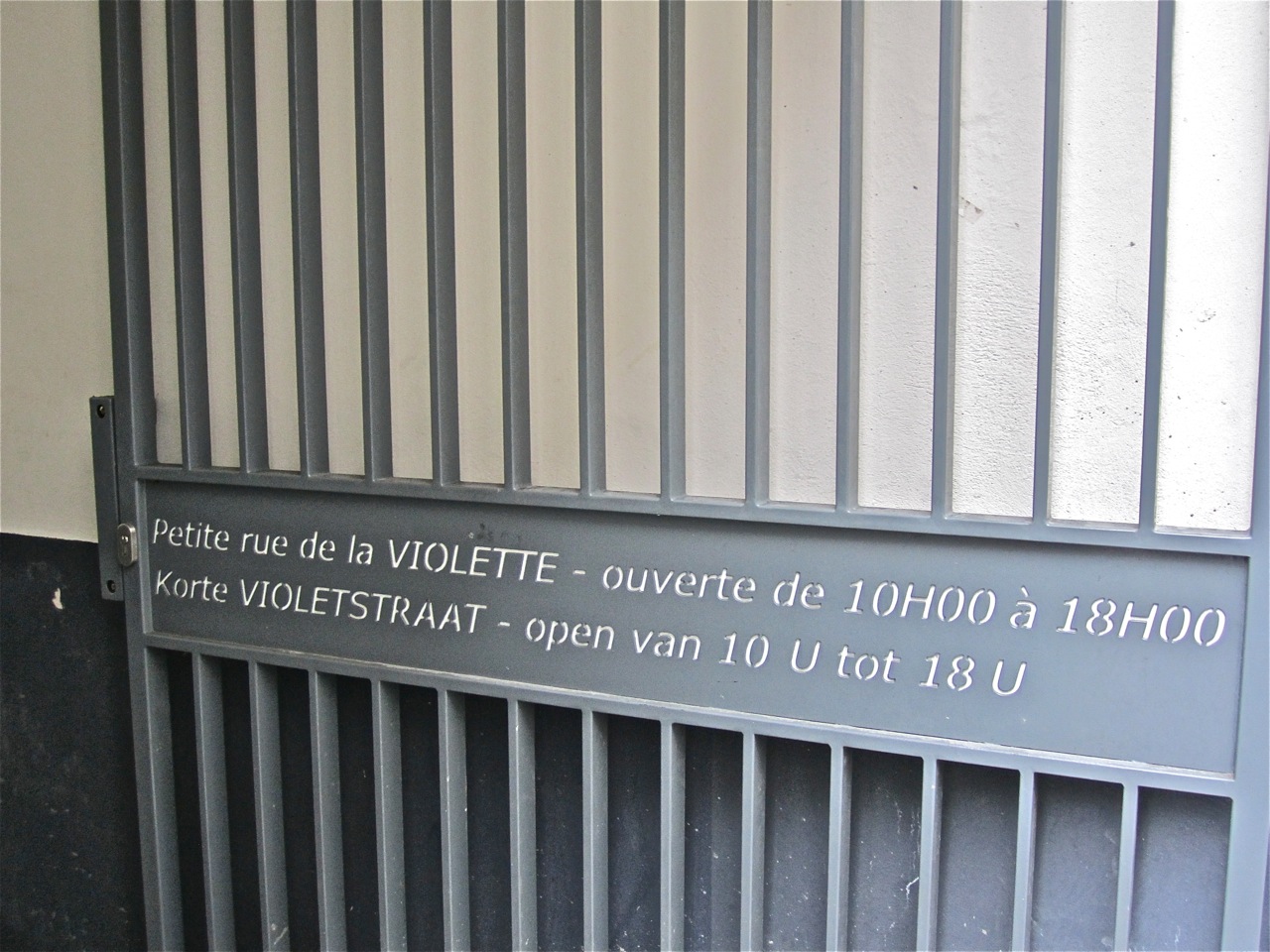
On a walk around the neighborhood just south of the Grand-Place (Grote Markt in Dutch) in Brussels, I came across the gate to ‘Little Violet Street.’
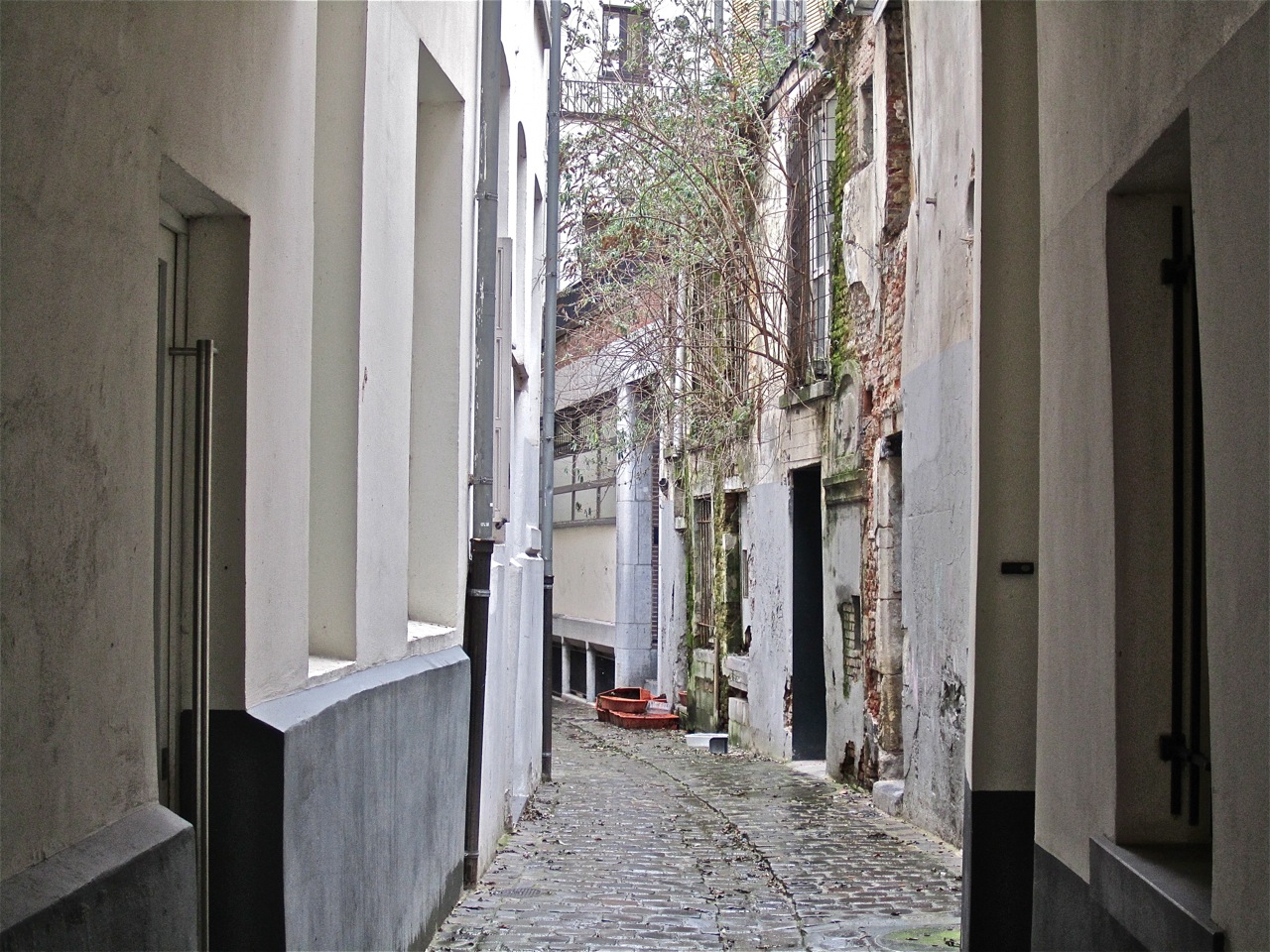
Halfway down the pedestrian way, an elephant gable stone marks the site of the 16th century “Old Elephant” tavern. (Click the photos to enlarge them.)
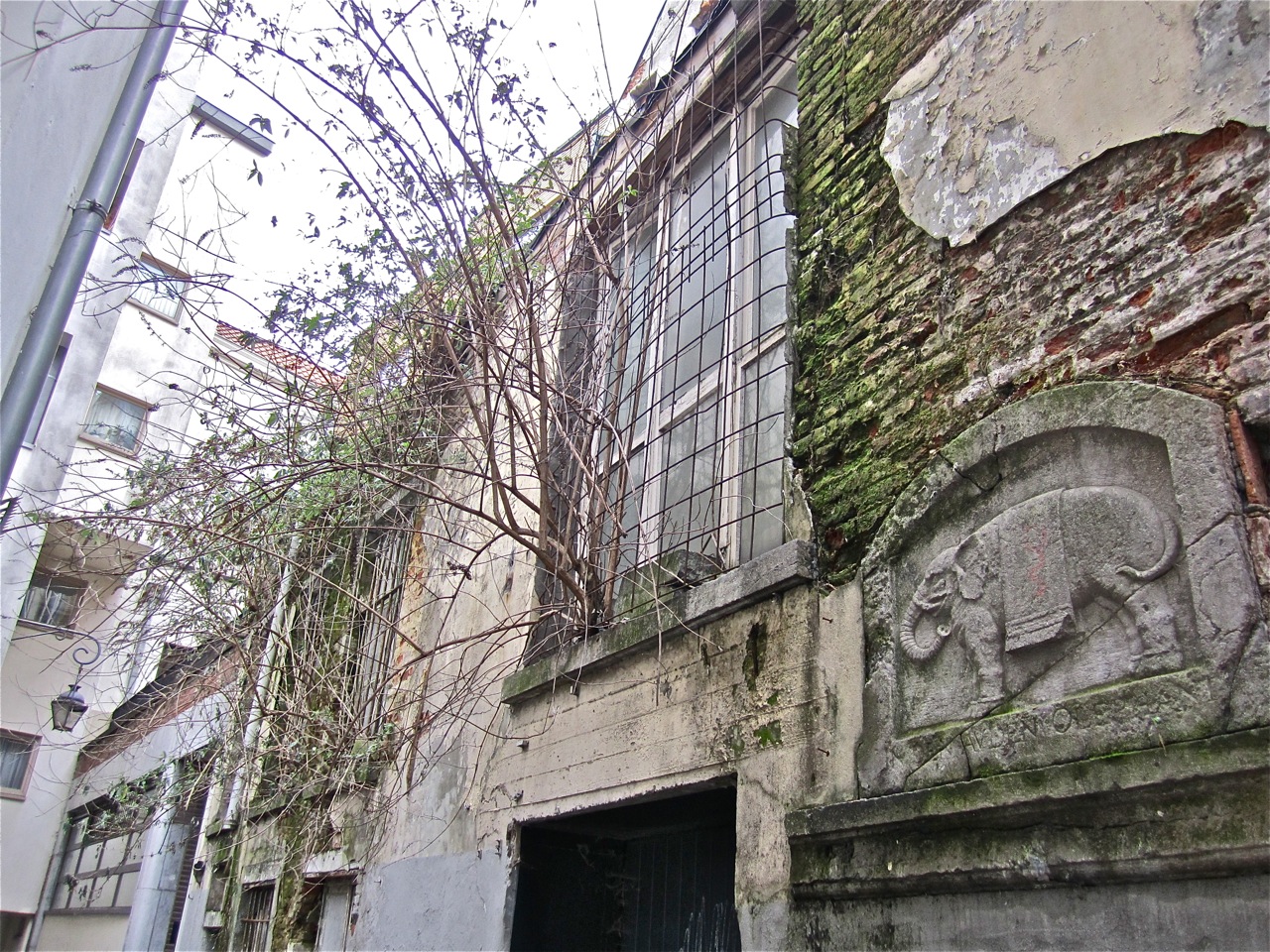
Gable stones are carved and often painted stone tablets set into exterior walls of buildings. Coming into use in the 16th century, they both identified (in the days before house numbers) and decorated homes and businesses. They can be found in many northern European cities, like Brussels, Amsterdam, Maastricht, Lille, and Copenhagen.

According to Wikipedia, “they normally combine a picture with an inscription, or sometimes just a date. Some illustrate the name or profession of the owner, for instance a quill pen as a badge for an author, or a ship for a sailor. Some are named after notable people (The King of Bohemia) or faraway trading destinations (Königsberg). Some stones act as talismans, quoting from holy scripture.”

And in Lyon

During three days in Lyon, France, last month, we also found some wonderful pollarded London plane trees in the old city areas of Vieux Lyon and Presqu’île.

Click on any thumbnail in the gallery to scroll through larger images.

Pollarded trees in Brussels

An advantage of visiting Brussels in the final days of winter is being able to see the bare knobby limbs and whippy branches of the city’s many pollarded trees.  They “can look weird,” wrote Landscape Designer Clive West in The Guardian at this link.  But, like him, I am fascinated by the particular aesthetic of their gnarly forms — ancient and modern at the same time.

Click on any thumbnail in the gallery to scroll through larger images.

Vintage landscape: wildflowers

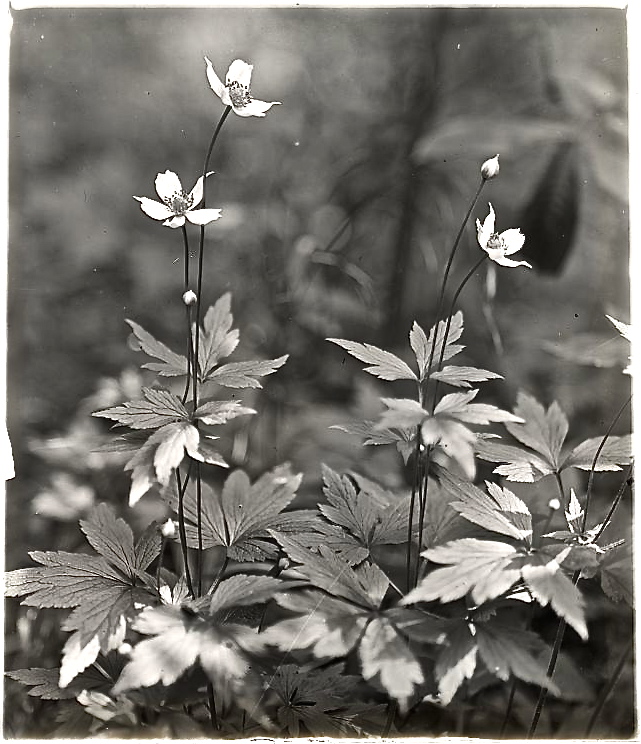
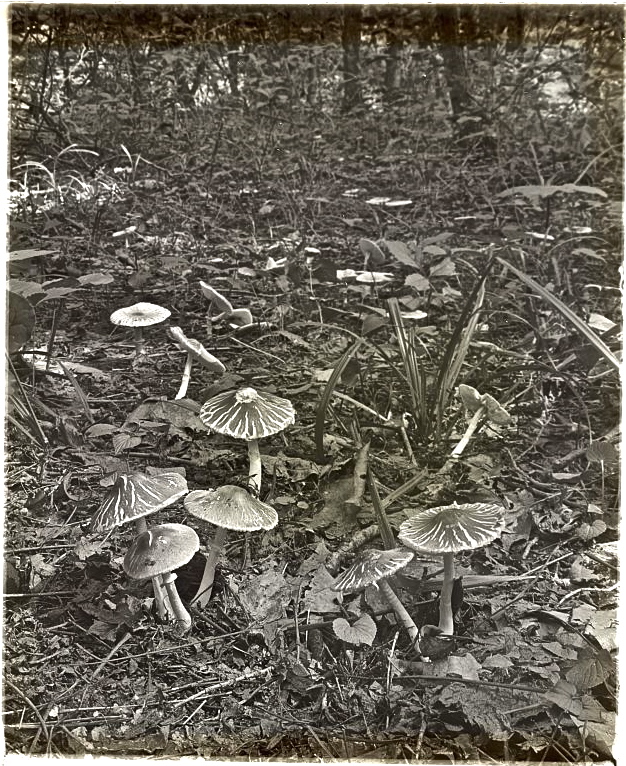
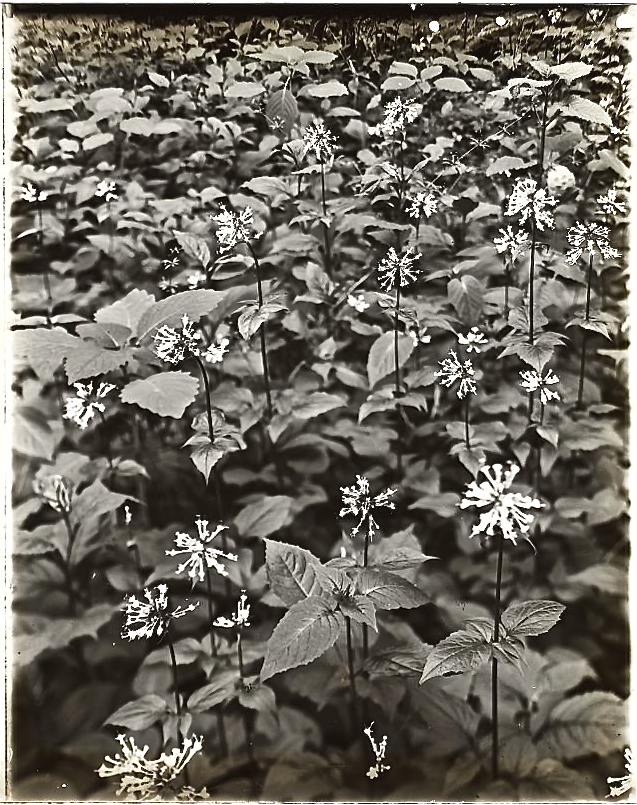
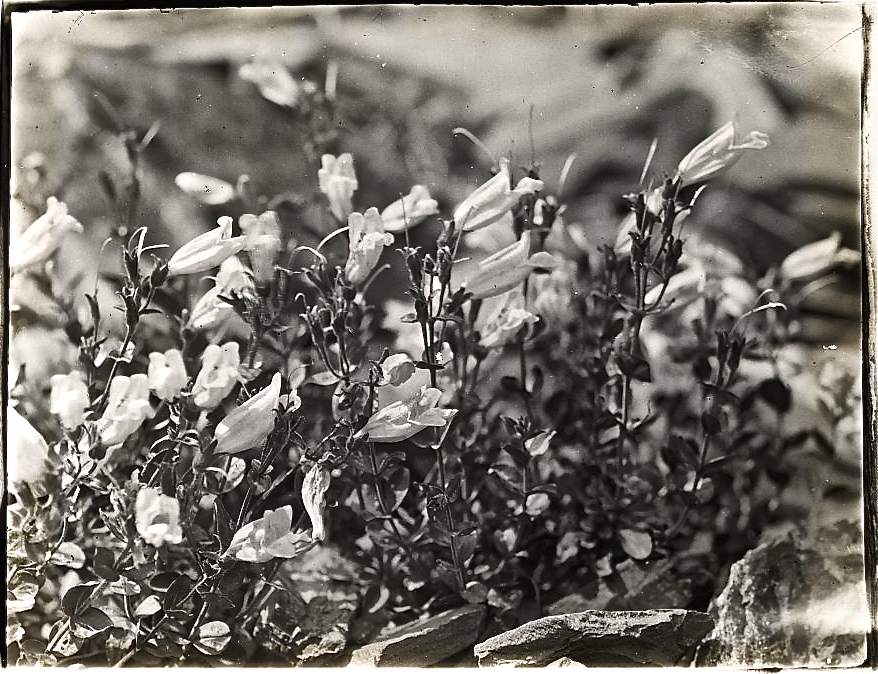
While the hand-colored images are the stars of the recently released collection of lantern slides taken by Frances Benjamin Johnston, among the new material are these lovely black and white photographs of wildflowers. Johnston used these pictures to illustrate her popular lecture, “Wild Flower Gardening.”

The slide at the top is “Unidentified house, woodland pathway, 1920.” All the portraits of flowers below were taken between 1915 and 1927.

Wood anemone. (All labels by the Library of Congress; click any photo to enlarge it.)

Wildflowers.

Bell flower (campanula).

Woodland mushrooms.

Wildflowers in bloom.

Bell flower (campanula).

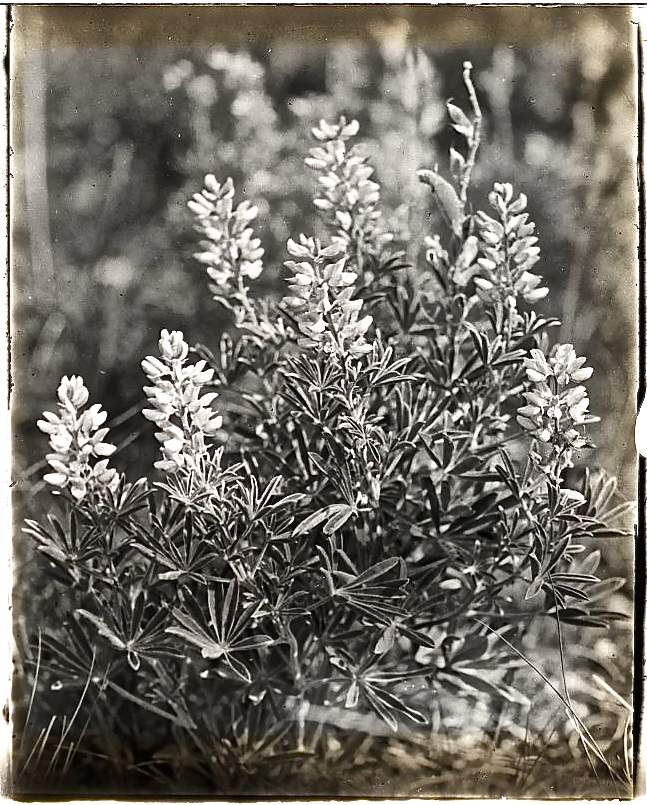
Lupin (lupinus).

Unidentified garden or park, woodland daffodils, 1920 (also the photo below).

All photos are from the Frances Benjamin Johnston Collection, Library of Congress Prints and Photographs Division.

Garden Bloggers’ Bloom Day in April

I’m afraid this will have to count for my Bloom Day post this month — it’s pouring outside.  To see what’s blooming in other garden bloggers’ gardens, go to May Dreams Gardens, here.