

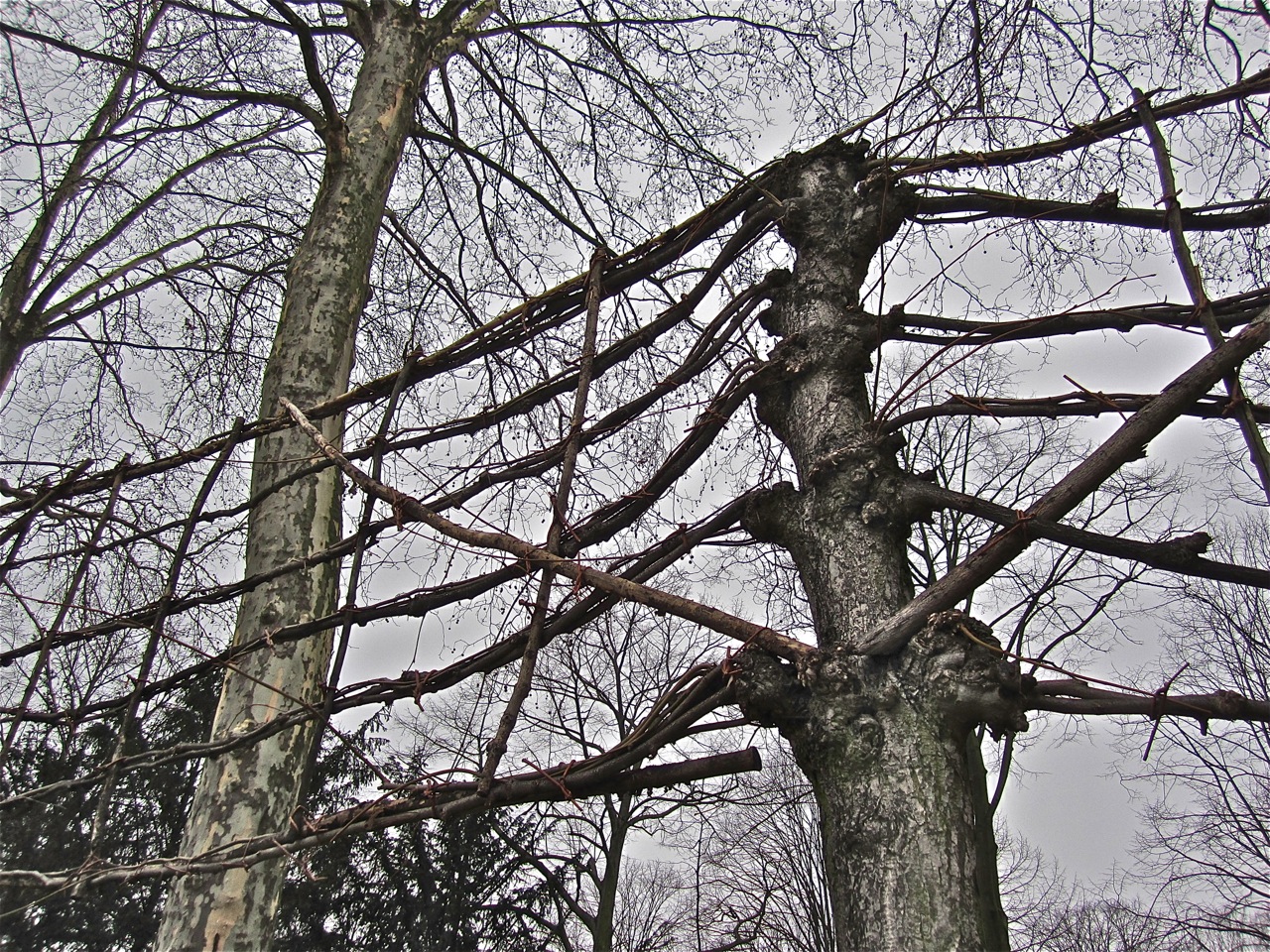
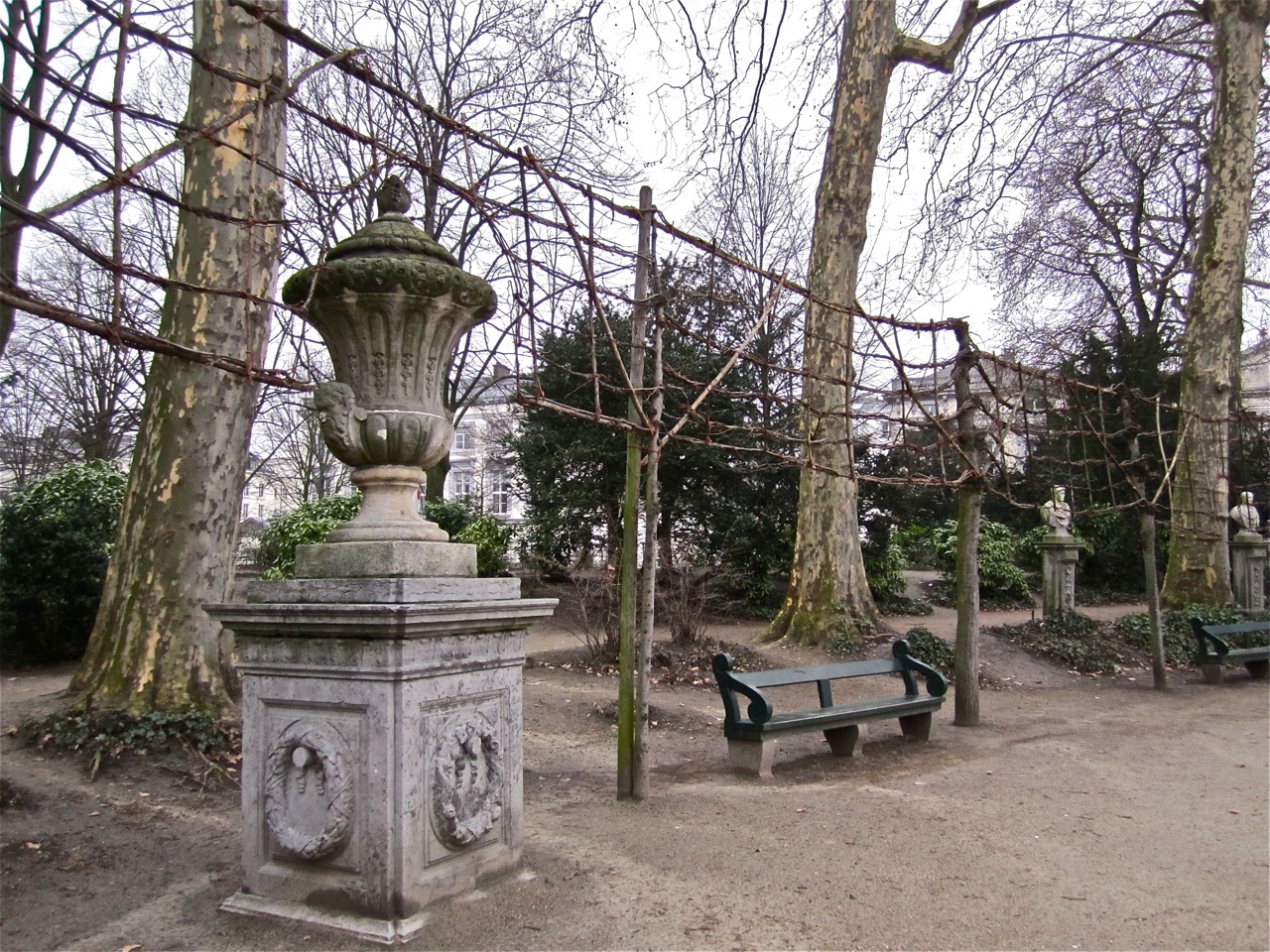
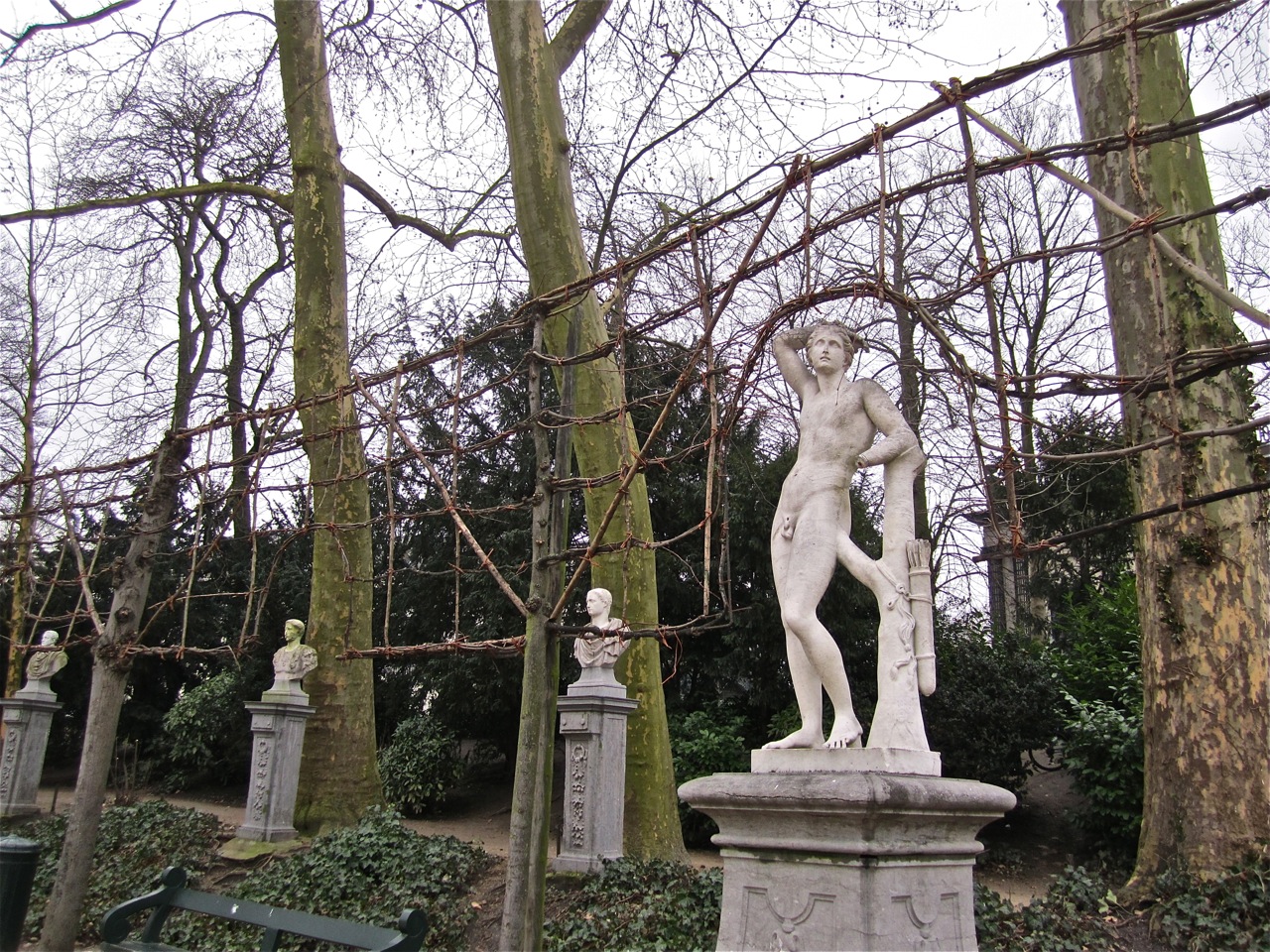
I noticed the bare, pleached trees near the end of the taxi ride from the airport — a double row of long limbs on high, grid supports.
As soon as we dropped our bags at the hotel (and after a mid-morning snack of Liege waffles), we walked back to Brussels Park.
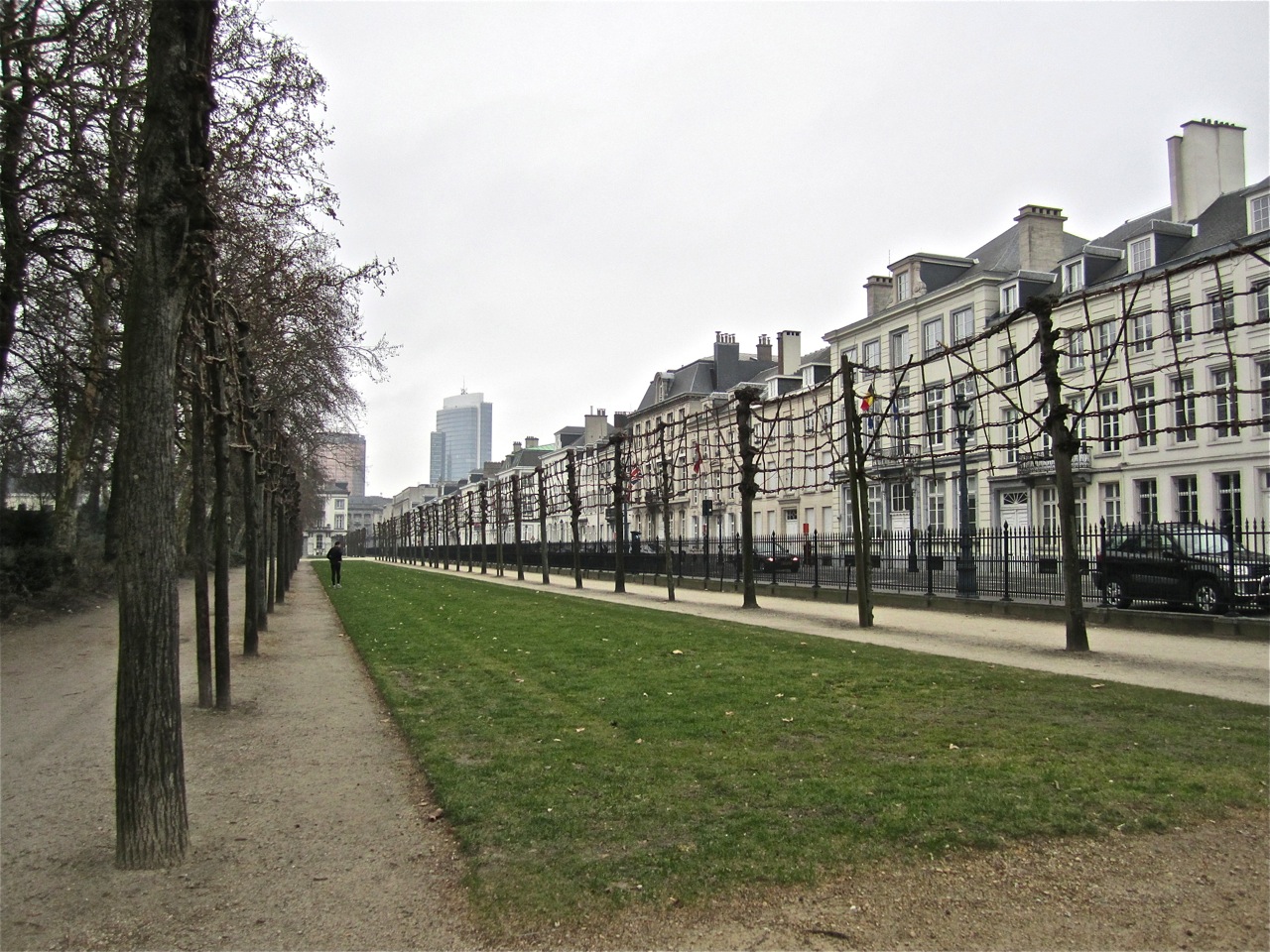
The Parc de Bruxelles (or Warandepark in Dutch) is the largest urban park in the city center, as well as the oldest. A rectangle, it is capped on the north end by the Belgian Parliament (the park is on a north-east to south-west axis) and on the south end by the Royal Palace (below).

In the 12th century, it was the hunting ground for the dukes of Brabant. In 1774, Empress Maria Therese of Austria (the ruler of Brussels at that time) ordered that the space be turned into a French-style garden.
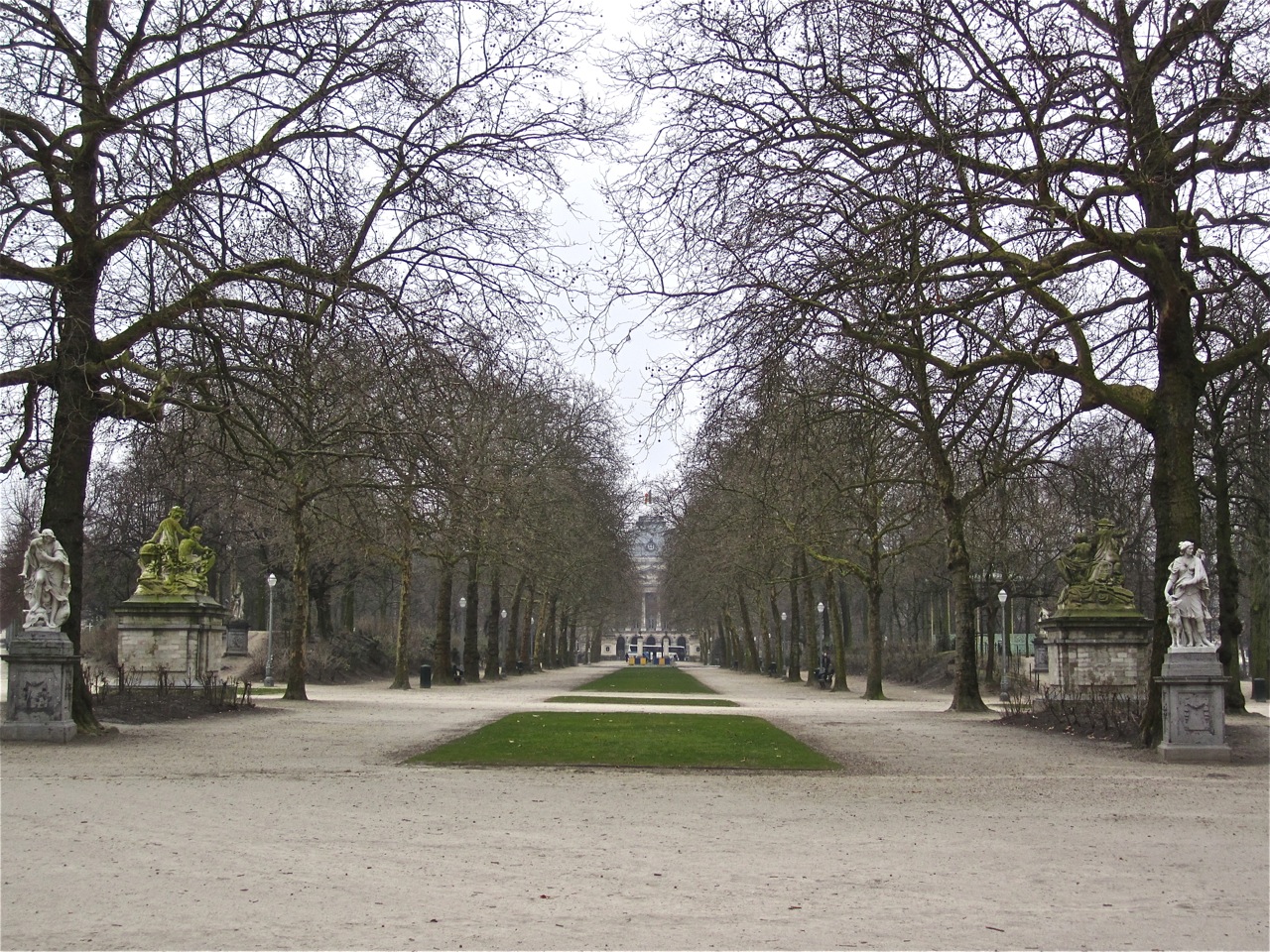
The original design by Barnabé Guimard remains to this day. The predominate feature of the layout — that the north fountain and the two outer wide allées form the shape of an architect’s compass — reflects the influence of Free Masonry in 18th c. Brussels.

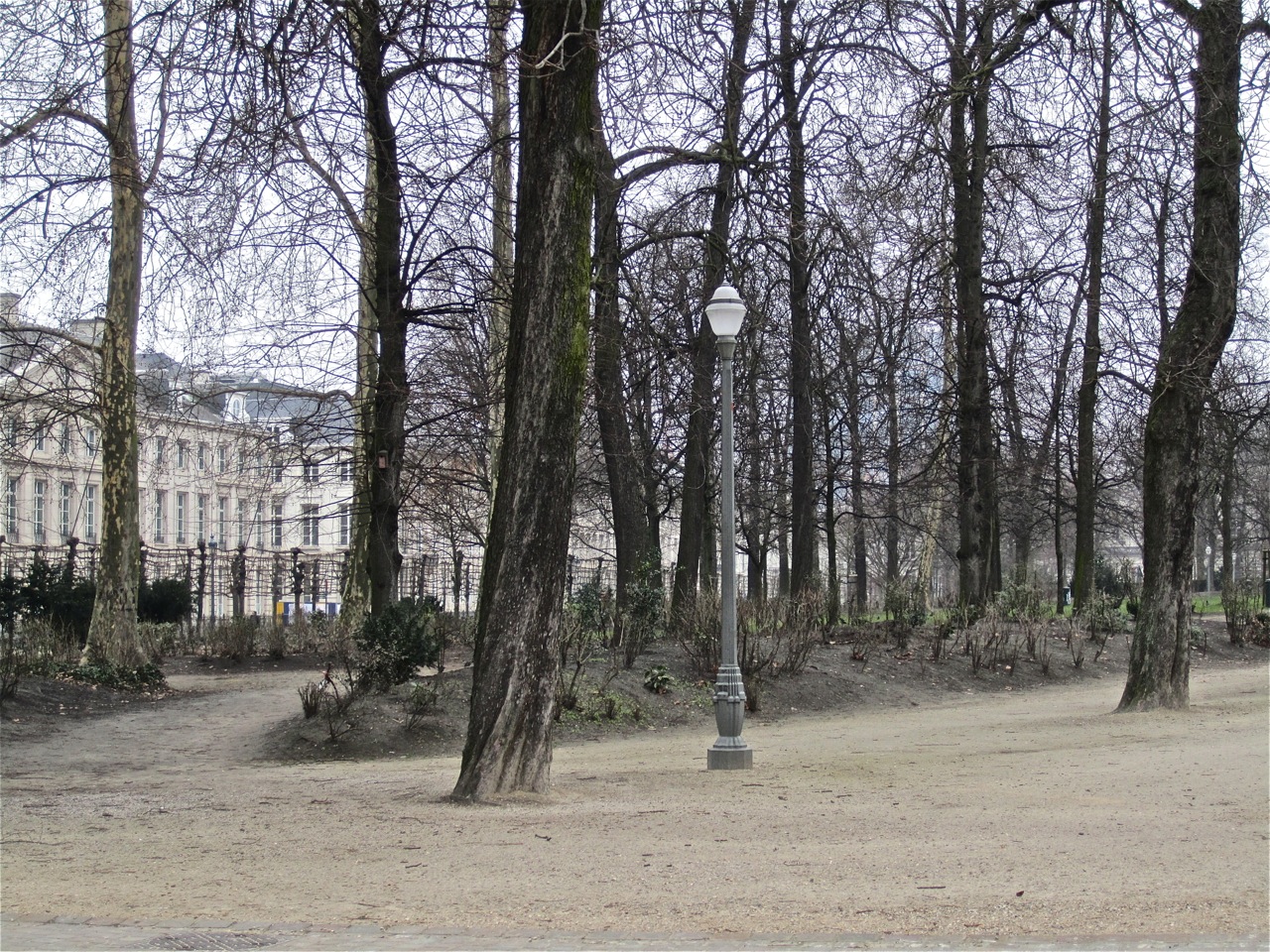
While formal, symmetrical, and on a grand scale, the park is simply planted with banks of shrubs, forest-style groupings of tall (naturally shaped) trees, and the rows of pleached lime trees, which border the whole garden and the north fountain.


Curvy, auxiliary paths wind between the main allées.

On the west side is a lovely 1841 bandstand designed by Jean-Pierre Cluysenaer.

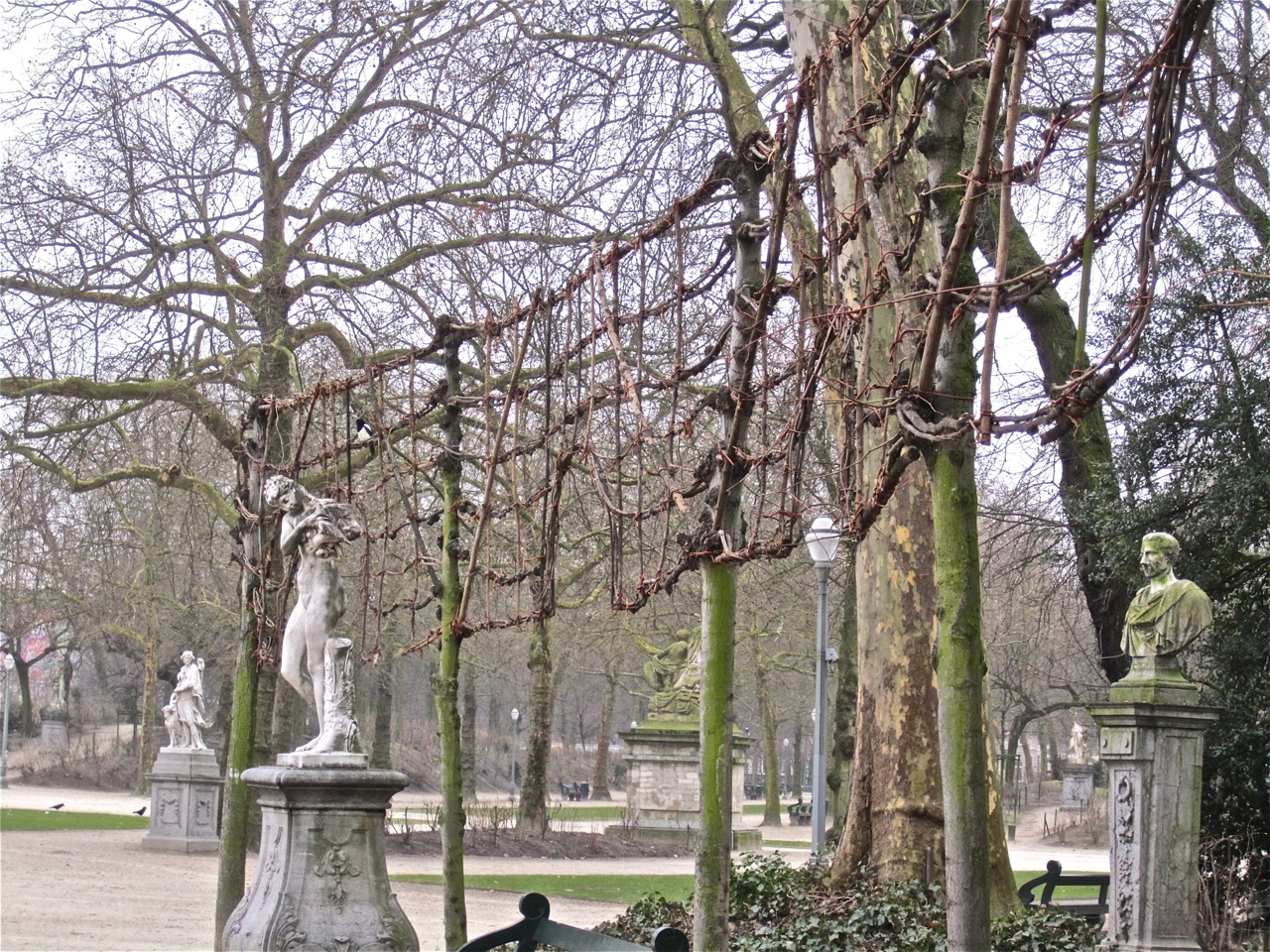
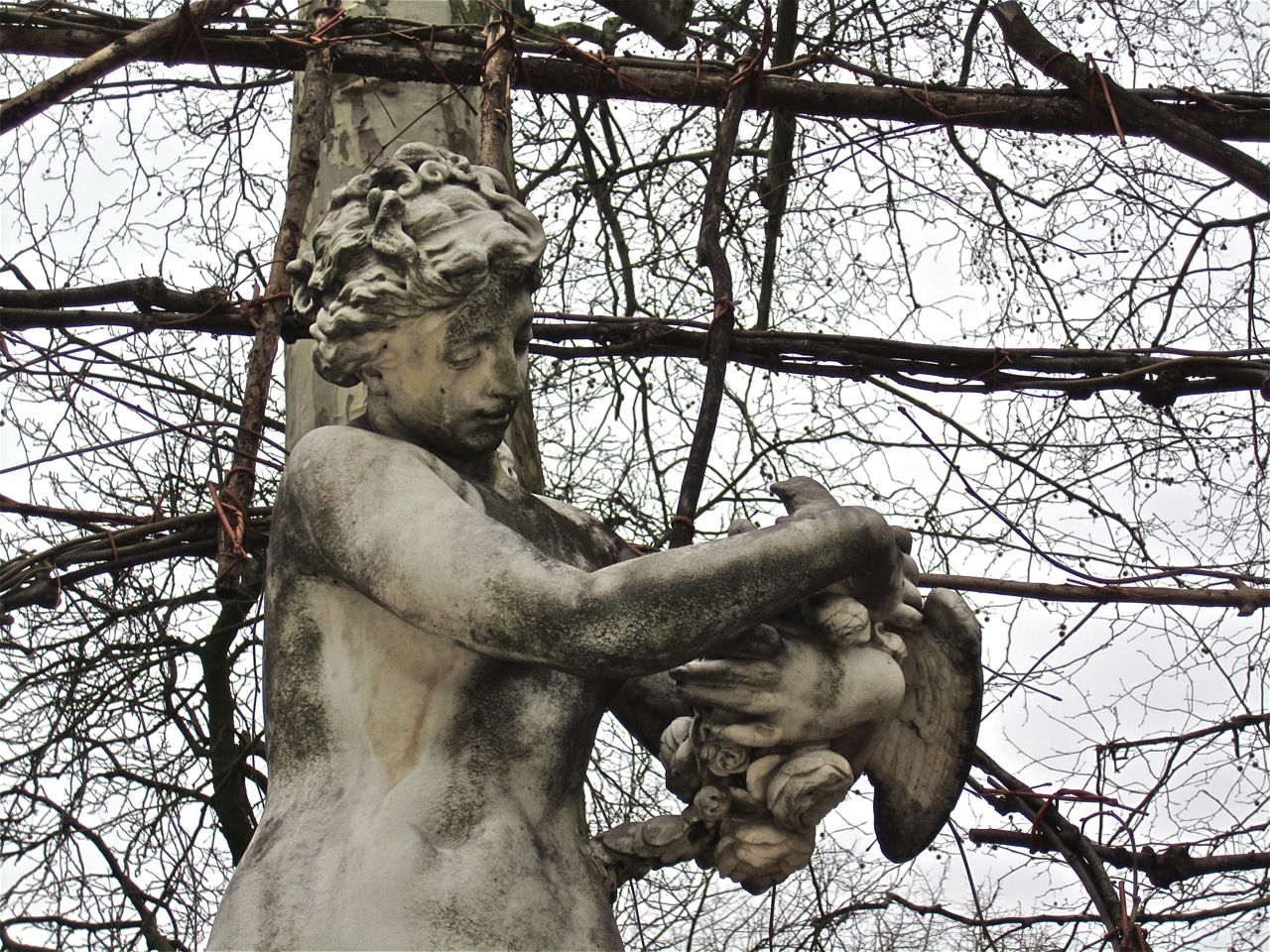
The park also contains about 60 sculptures inspired by Roman-Greek myths. Most were originally taken from the Brabant dukes’ castle, Tervuren, and the Thurn und Taxis Palace. Today, however, many are copies. The entire park underwent a restoration in 2001.

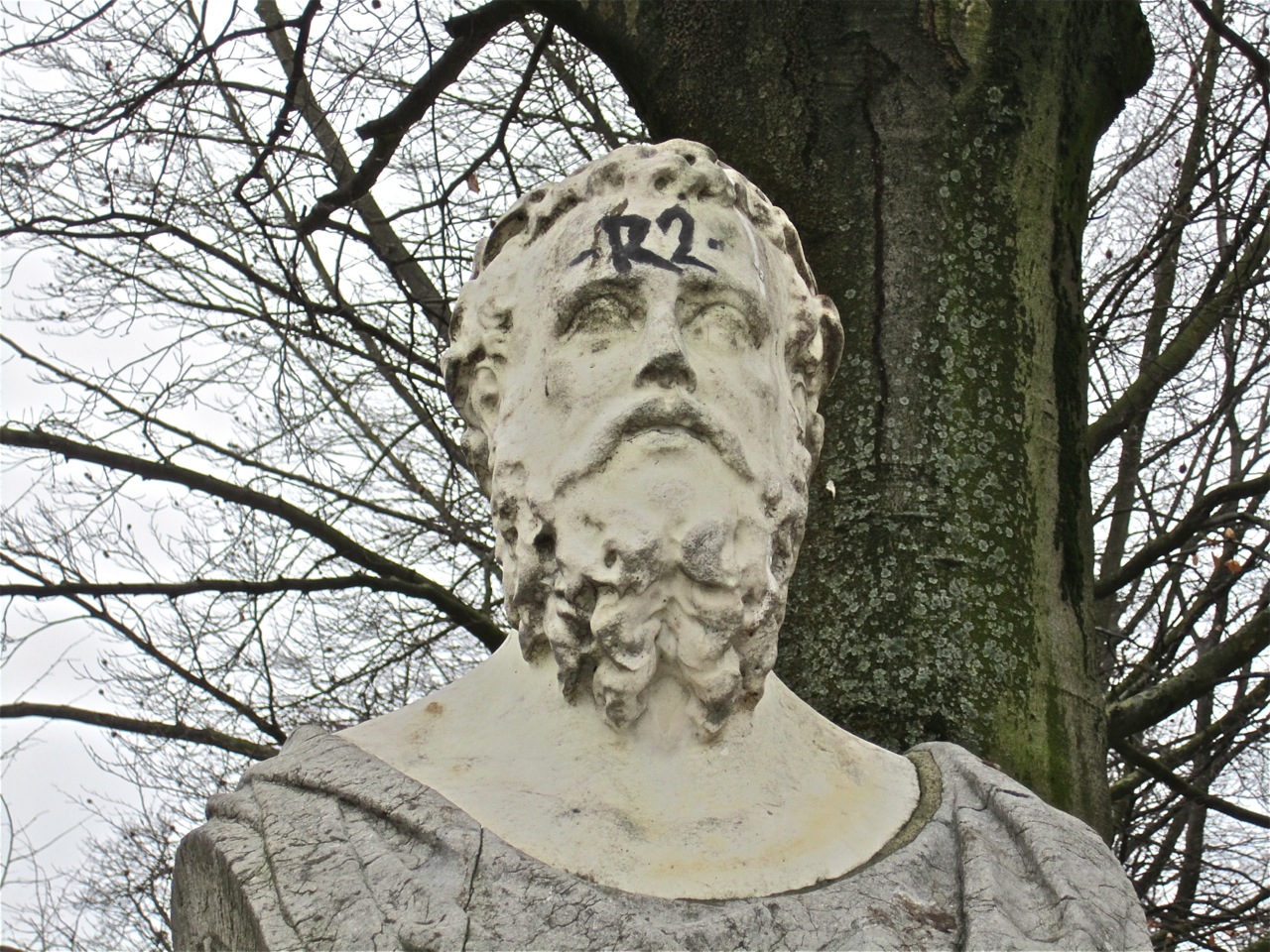
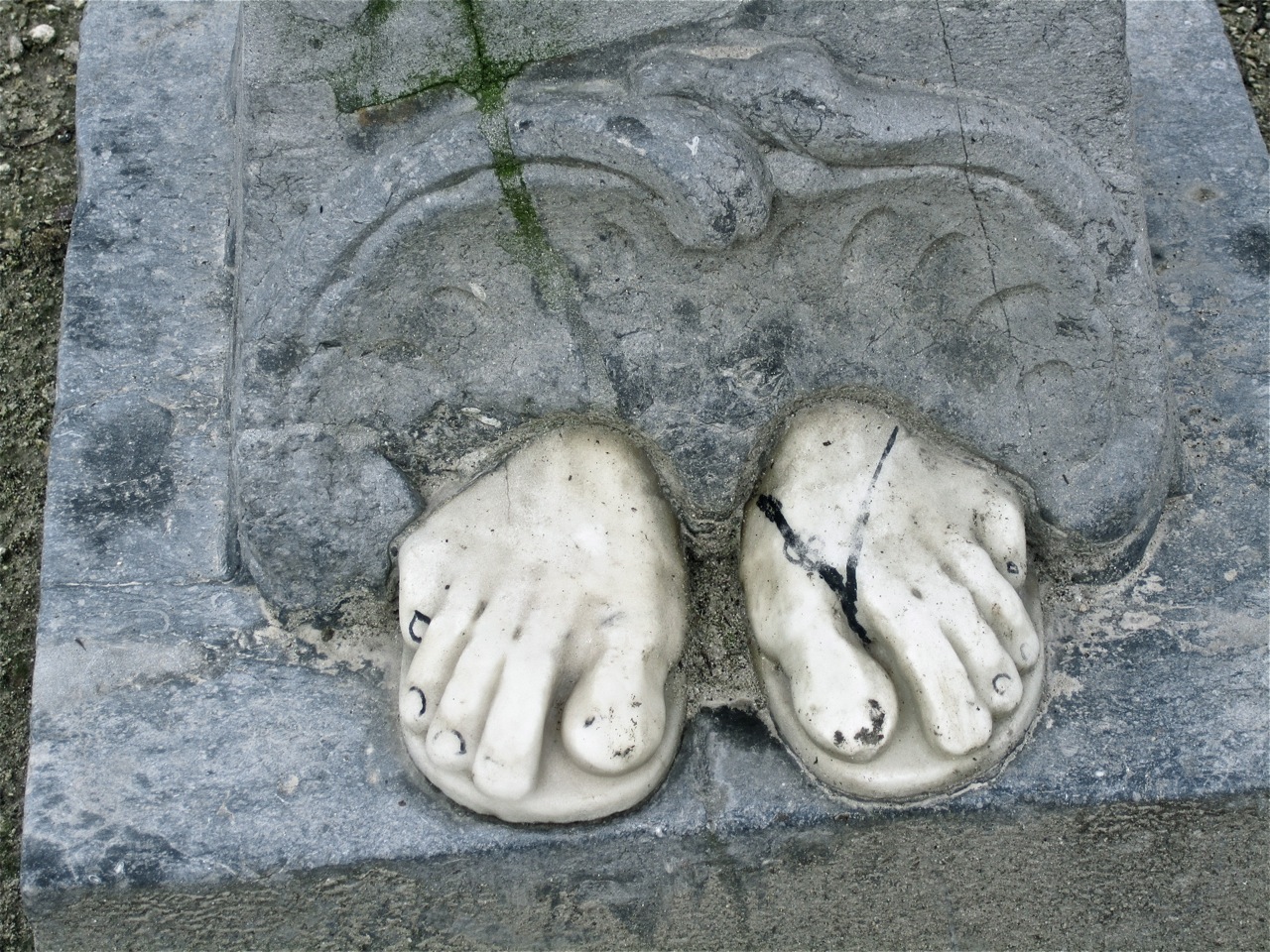
The urns and sculptures below circle the north fountain.

To scroll through larger versions of the above photos (and some others), click on ‘Continue reading’ below and then on any thumbnail in the gallery.


 enclos*ure