The winter garden: Center Market

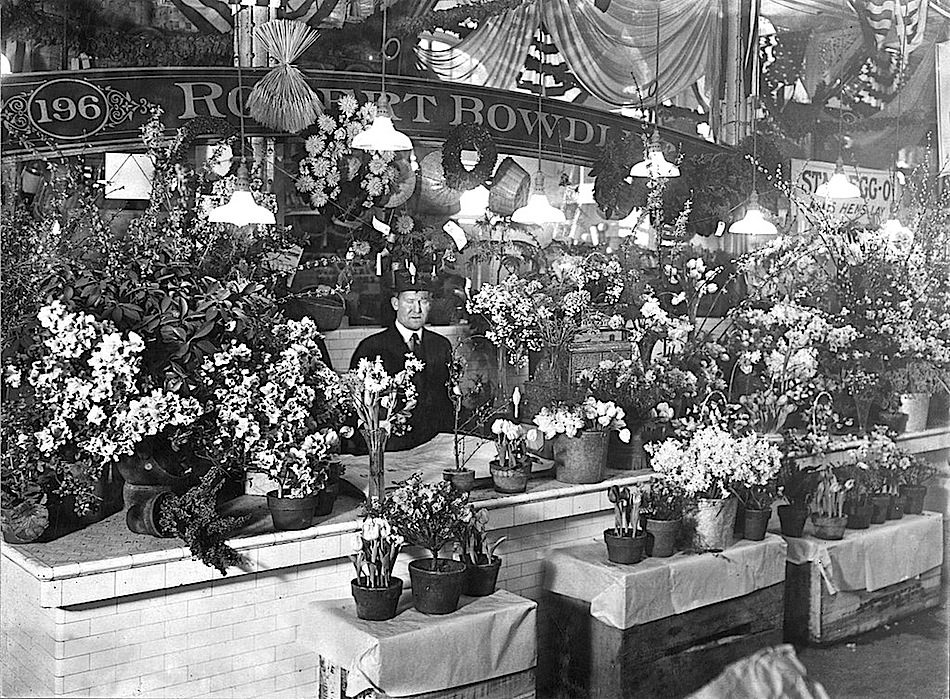
Center Market, Washington, D.C., February 18, 1915, via National ArchivesForced azaleas, forsythias, and bulbs at a flower stand, February 18, 1915, by U.S. Department of Agriculture, via U.S. National Archives Commons on flickr.

Center Market was located at 7th Street and Pennsylvania Avenue, N.W., Washington, D.C., where the National Archives building now stands. The red brick German Renaissance Revival structure was built between 1872 and 1878 (replacing an 1801 market). It held over 700 vendors in its halls and courtyard and was possibly the country’s largest market building.
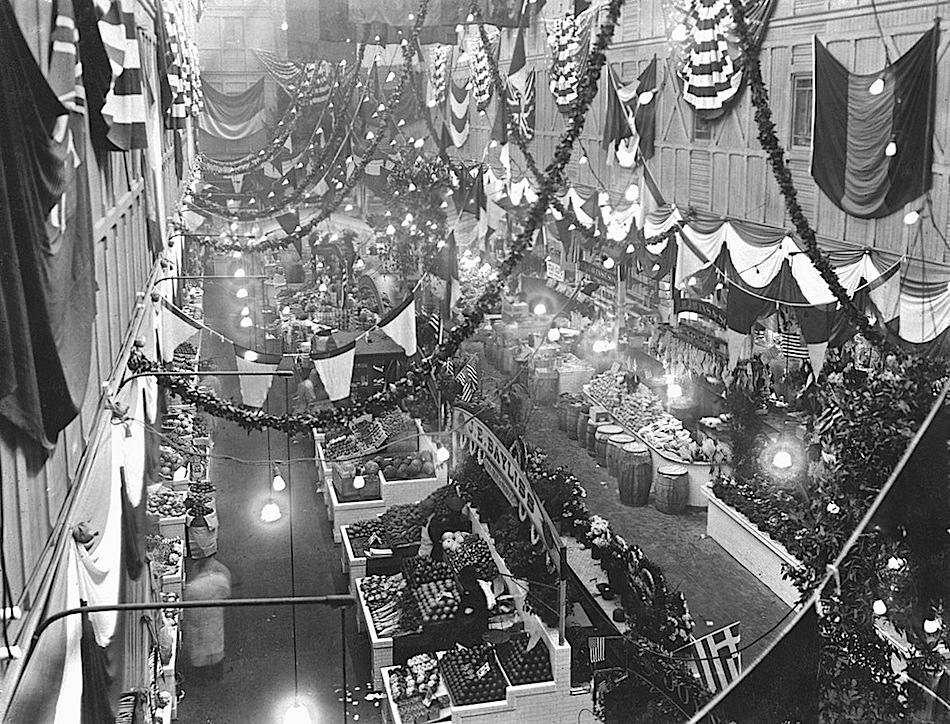
Center Market, Washington, D.C., February 18, 1915, via National Archives

The Market closed in 1931, a victim of the rise of community chain stores and increased availability of canned and frozen foods — as well as the McMillan Commission‘s vision for a white marble, neoclassical center for the capital city.
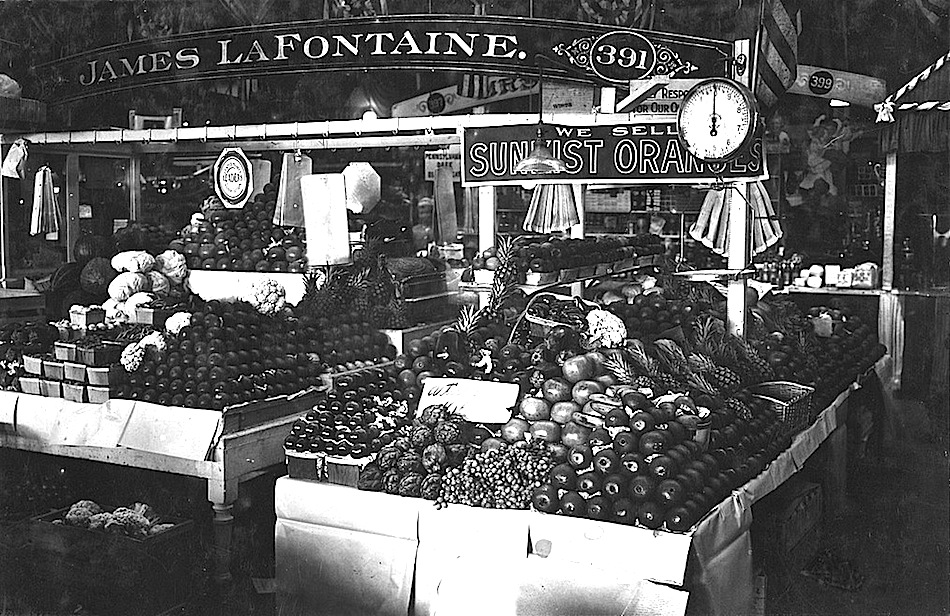
Center Market, Washington, D.C., February 18, 1915, via National Archives

There are more photos of Center Market here and a more complete history here.  Click on any photo above to enlarge it.
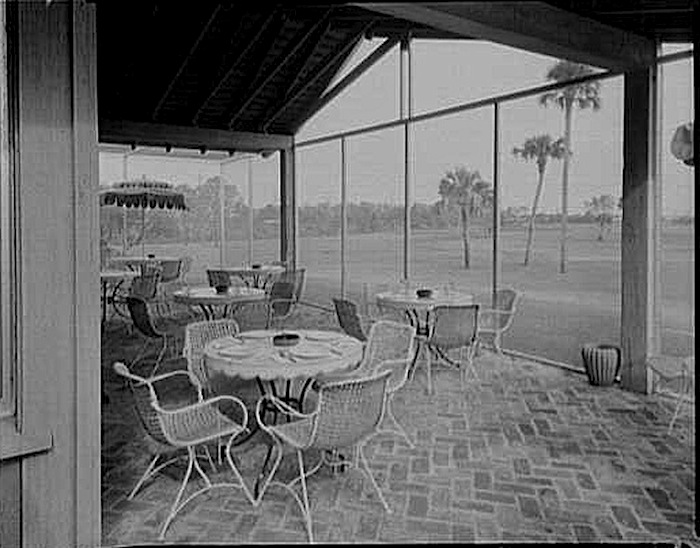
The Sunday porch: Naples, Florida

Golf course, Naples, FL, 1960 Library of CongressPorch at the Hole in the Wall Golf Club, Naples, Florida, February 16, 1960, by Gottsho-Schleisner, Inc., via Library of Congress Prints and Photographs Division.

The winter garden: San Francisco

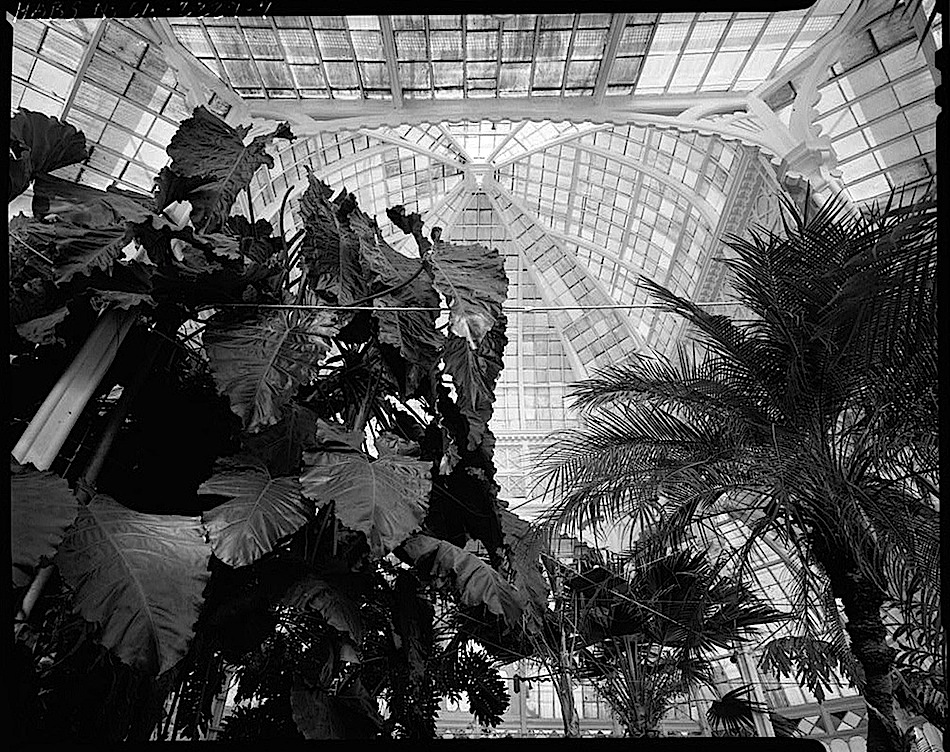
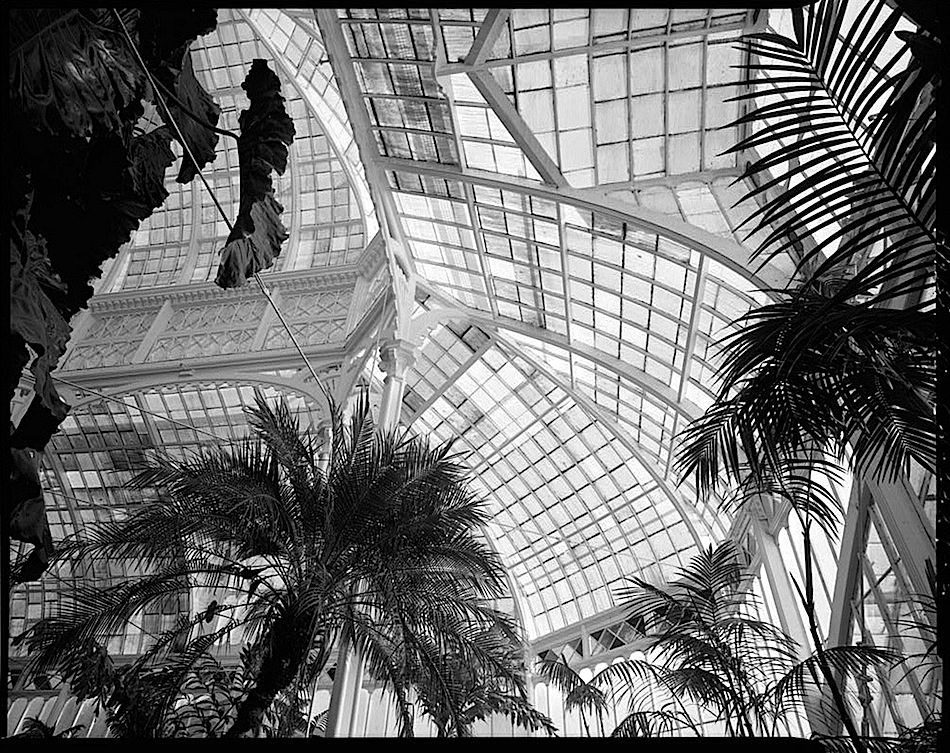
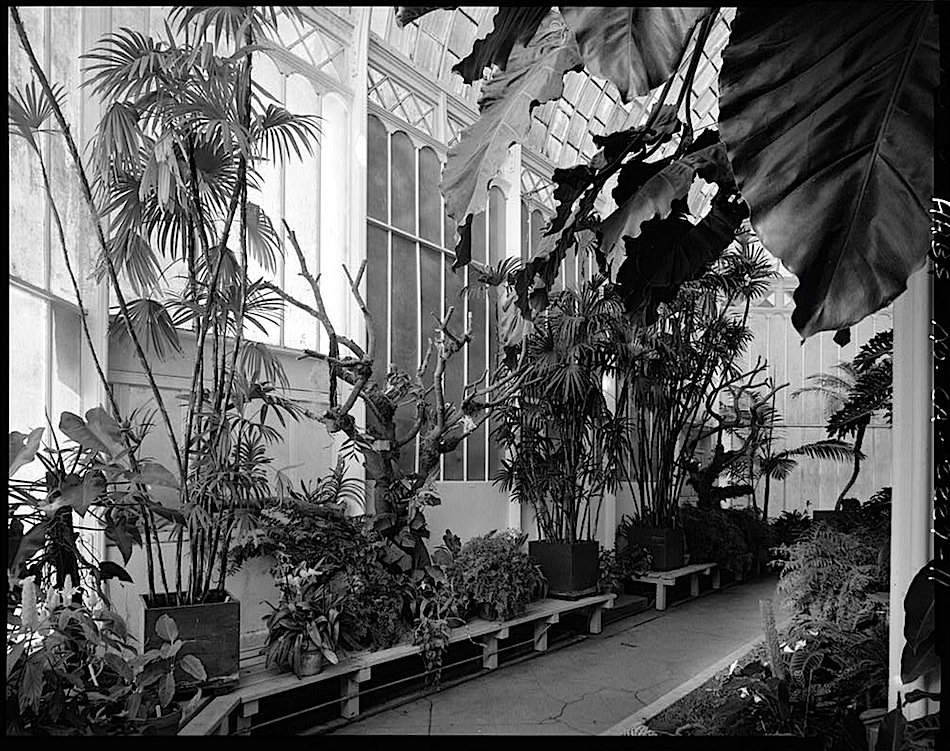
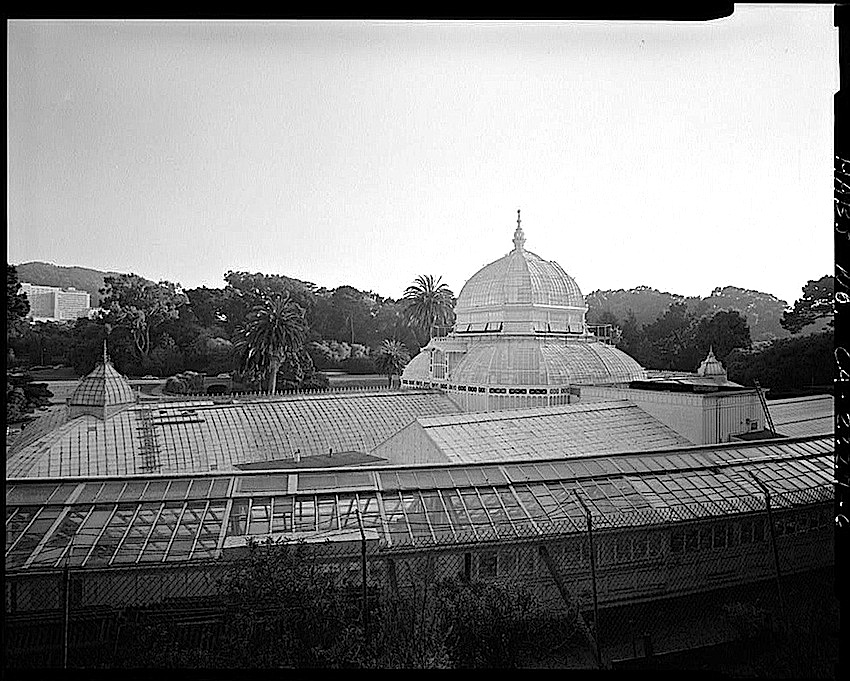
Conservatory Dome 1, by J. Lowe, 1981, San Francisco, Library of CongressThe dome of the Conservatory of Flowers, Golden Gate Park, San Francisco, California, 1981, by Jet Lowe for an Historic American Buildings Survey, via Library of Congress Prints and Photographs Division.

Conservatory Dome 2, by J. Lowe, 1981, San Francisco, Library of Congress

Conservatory Interior, by J. Lowe, 1981, San Francisco, Library of Congress

The Conservatory is the oldest public wood-and-glass conservatory in North America, opening to the public in 1879.

Conservatory Exterior, by J. Lowe, 1981, San Francisco, Library of Congress

The Sunday porch: Frankfurt

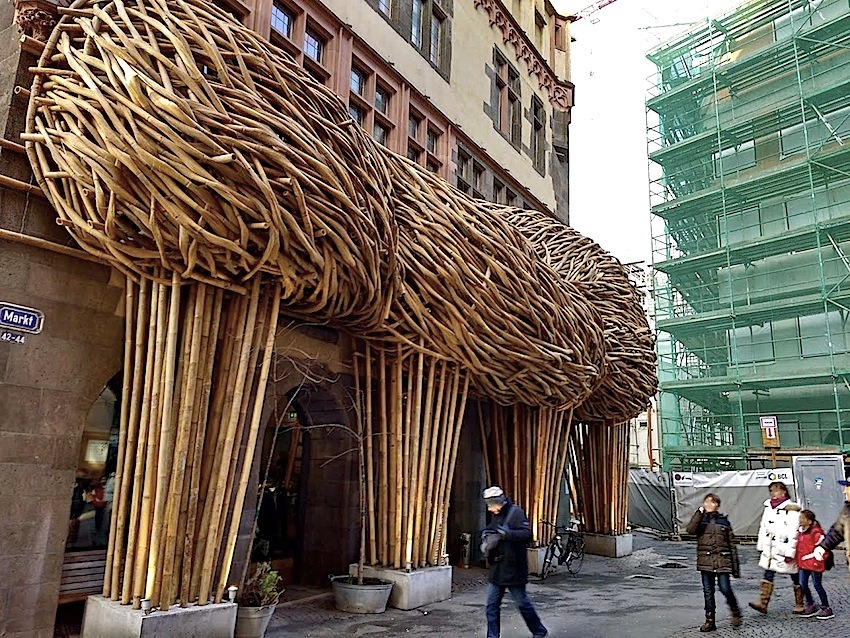
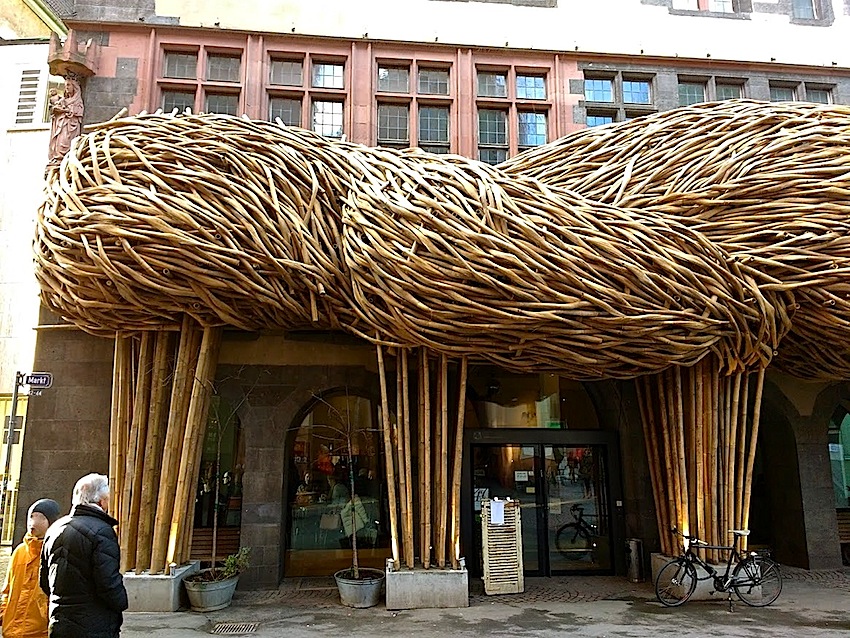
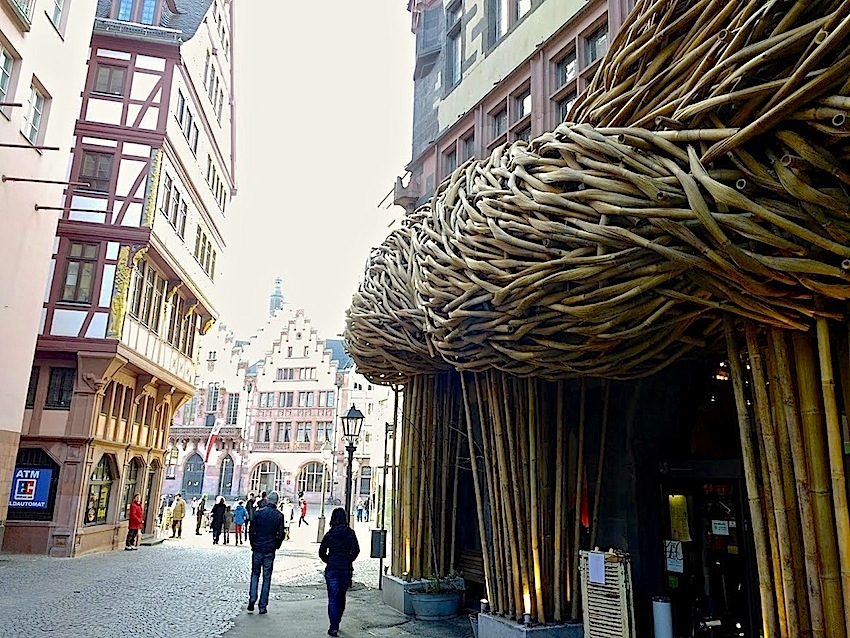
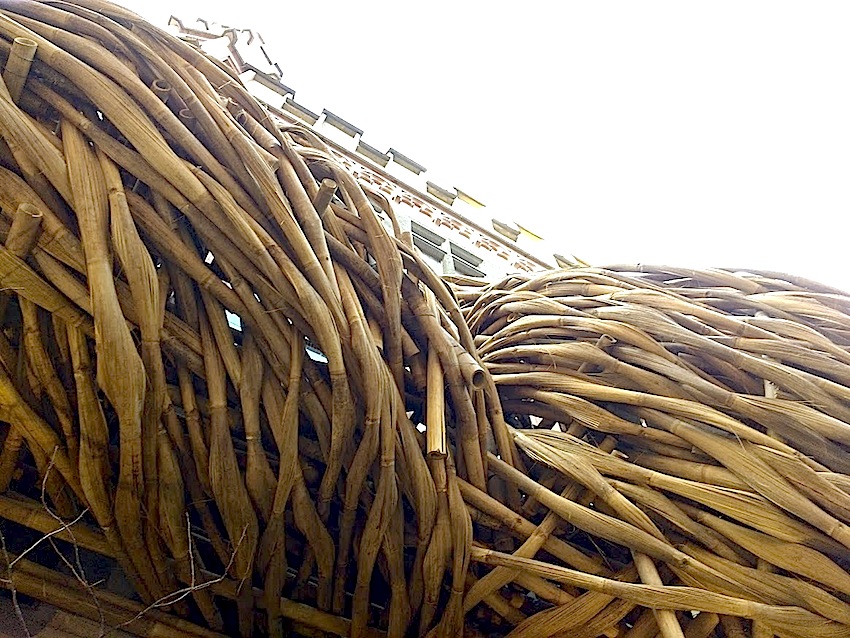
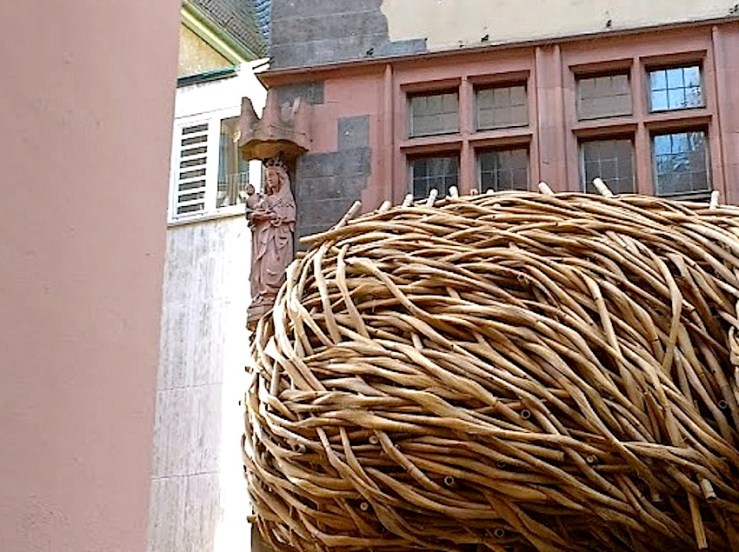
Full view 1, Frankfurter Kunstverein, Frankfurt, 2016, enclos*ure“Big Trees” (Pohon Besar) by Joko Avianto of Indonesia, on the facade of the Frankfurter Kunstverein (Frankfurt Art Club), Frankfurt, Germany.

left view, Frankfurter Kunstverein, Frankfurt, 2016, enclos*uree

The sculpture was created in 2015 for the exhibition Roots: Indonesian Contemporary Art at the Kunstverein.

Full view 2, Frankfurter Kunstverein, Frankfurt, 2016, enclos*ure

detail1, Frankfurter Kunstverein, Frankfurt, 2016, enclos*ure

detail6, Frankfurter Kunstverein, Frankfurt, 2016, enclos*ure

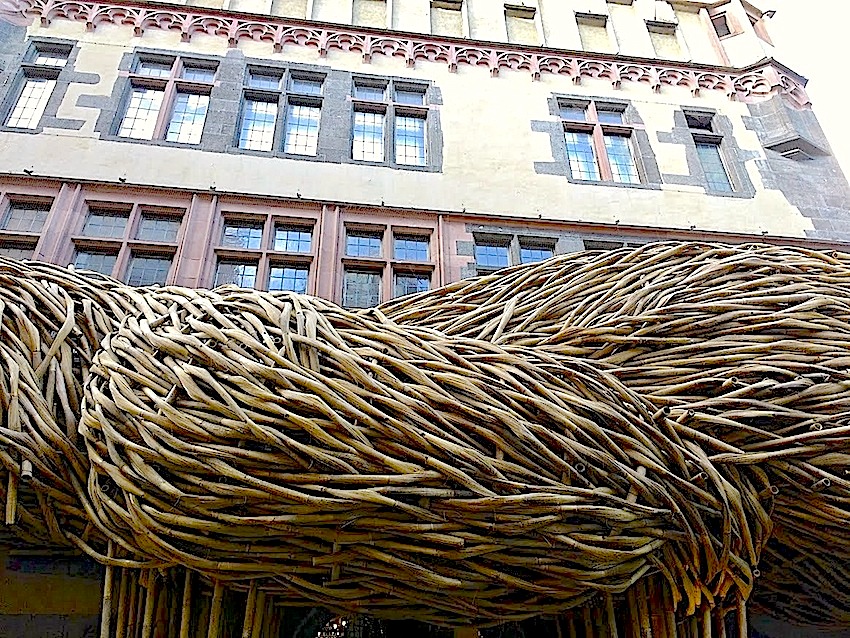
[“Big Trees”] consists of 1525 woven stalks of bamboo imported from plantations in West Java.  Bamboo is historically associated with traditional craft. . . .   [Avianto] borrows and reinterprets traditional Sundanese (West Java) weaving techniques to construct his exaggerated sculptural forms.  His innovative process of breaking the long compact fibres of the columns between each node of the bamboo stalk makes it pliable while maintaining its strength.  This allows for the bamboo to be manipulated, bent and woven into soft curvilinear lines.  An underlying concern for Avianto is the changing socio-economic and cultural values associated with bamboo cultivation.  This includes the decline of village owned and cultivated bamboo forests in West Java due to a new wave of global industrialisation, and the aggressive monoculture of the palm oil industry.

— from the sculpture’s label at the Kunstverein

You can watch a 4 1/2 minute video of its construction here.

detail3, Frankfurter Kunstverein, Frankfurt, 2016, enclos*uree

And from a hill,
The earth is masses
Of cane, bamboo,
And other grasses.

— Donald Hall, from “Bamboo

The palace garden, Venice

This slideshow requires JavaScript.

A variation on the same theme. . . in Venice, at Christmas, our hotel also had an unusually large garden.

The Boscolo Venezia was built in the 16th century as a family palace.  It  is located in the Sestiere Cannaregio, between the Fondamenta de la Madonna dell’Orto and the lagoon, facing the island of Murano.

It claims to be the only hotel in Venice with a garden over 2,000 square meters.

Long and fairly narrow with winding paths of light grey pea gravel, the garden is heavily planted in trees and large, dark-leaved shrubs (and variegated Aucuba japonica). Berms down the sides and crossing the middle increase the sense of privacy, restrict a sense of the whole, and make the garden seem larger.

Click on any thumbnail in the gallery below to scroll through larger images.