
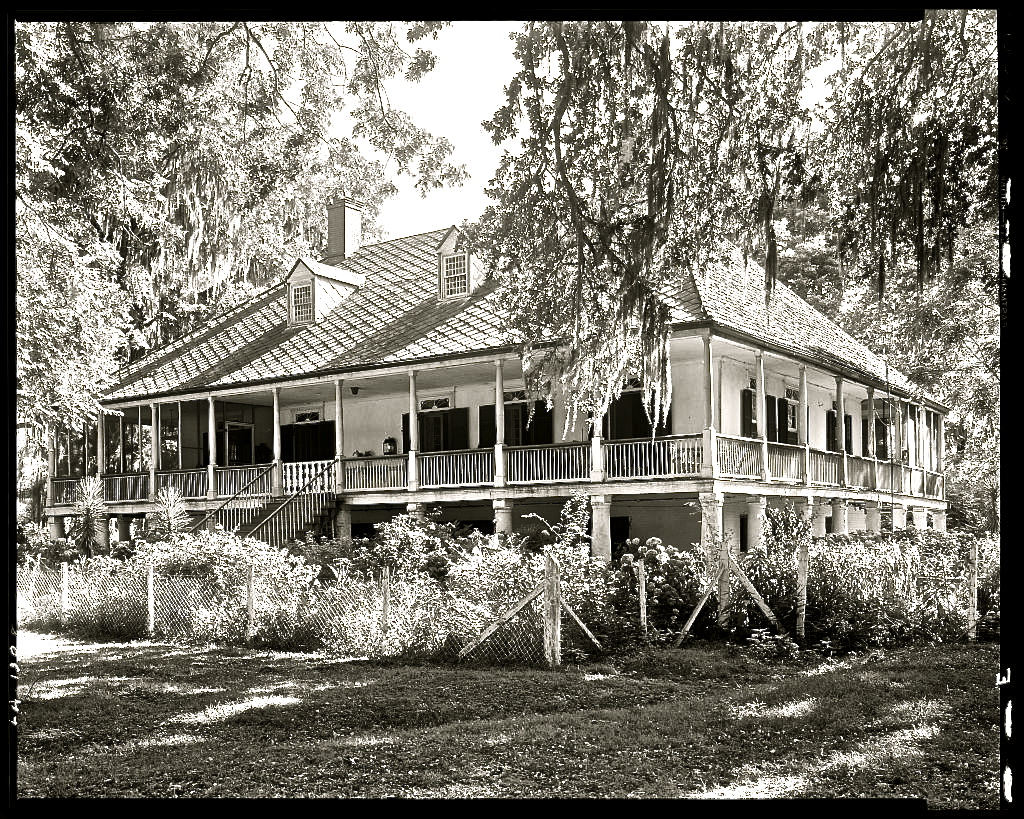
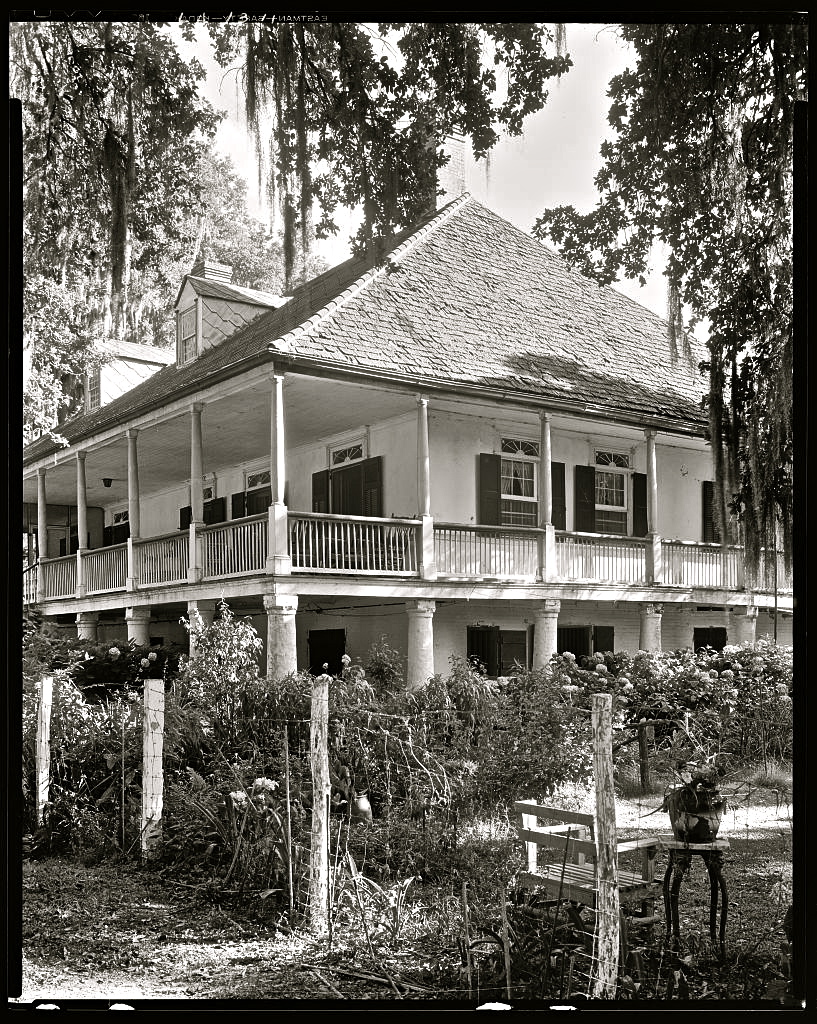
If it’s cold outside where you are (or rainy like here), imagine yourself on this wonderful Louisiana porch surrounded by a flower garden.
And then click here to listen to this classic by Etta James. Everything’s great now, right?
In the last couple of weeks, I’ve enjoyed a lot of posts on the blog Studio G, but especially those about Brazil, here and here. I really liked looking at her six sets of “before and after” pictures from a Brazilian home makeover show on Thursday. My favorite is here. I also enjoyed her post on a different kind of roller coaster in Germany here.
Grounded Design’s post, “Why We Plant,” here, was inspiring. “Designers don’t create beauty. To believe otherwise makes us guilty of forgery and blasphemy. But what we can do is create the conditions where people can have an experience of beauty.”
Phyllis Odessey at her eponymous blog wrote here about the Hudson Valley Seed Library and its seed packets with original artwork. Also, if you have an interest in school gardens, take a look at an older post here, about a rice garden in New York.
If you’ve been outside since Tuesday, pulling up your lawn (and here), as per Garden Rant’s anti-valentine to the lawn, here are some funny things to do with the now superfluous sod, thanks to Black Walnut Dispatch. (BWD also has a very funny visual here about how landscape designers are perceived by different groups.)
The New York Times has an article on artist Cindy Sherman this morning. Interestingly, this 2010 article in Smithsonian magazine makes a brief connection between Sherman’s work and Frances Benjamin Johnston’s self portraits.
From Pinterest, I just discovered this odd, but rather lovely, blog. See what you think here.
What are the best blog and website posts that you’ve read this month?
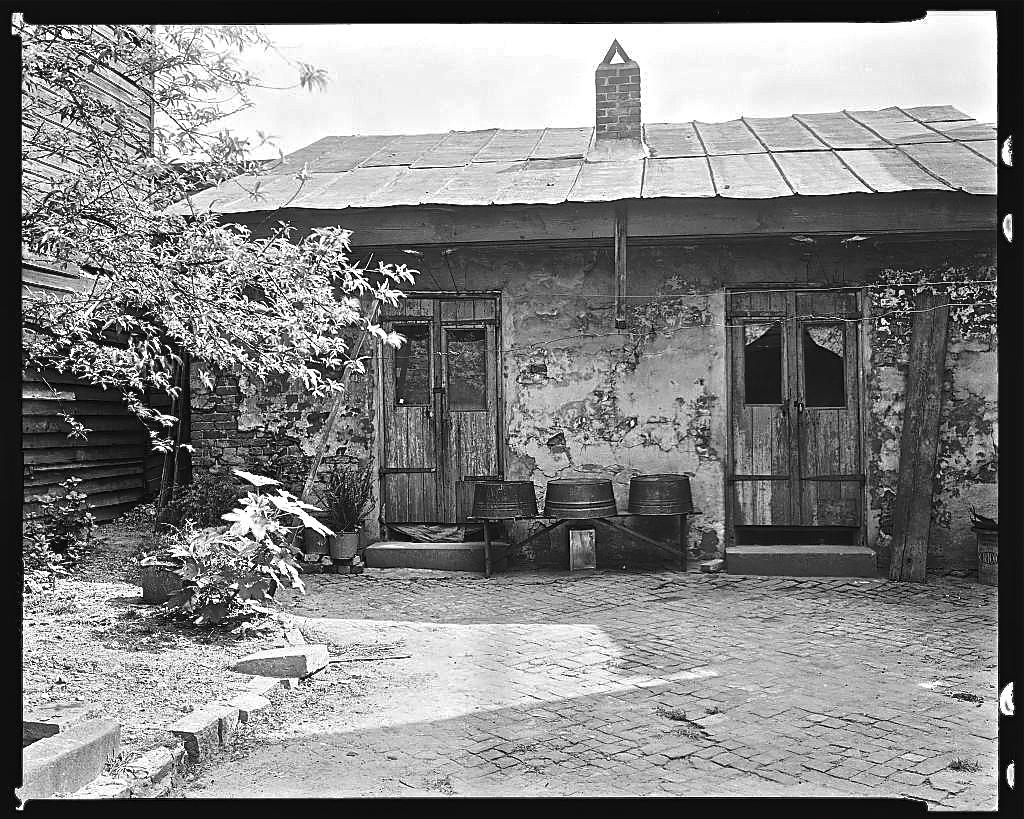
I’ve been thinking a lot about New Orleans and its special style since we were finally able to watch season one of the HBO series, Treme, in December and January. We lived in an Uptown neighborhood briefly many years ago, and I think the Crescent City is like Paris or Rome: any time passed there stays with you deeply.
It was that way for Walt Whitman, who was editor of the New Orleans newspaper The Crescent for few months in 1846.
Once I pass’d through a populous city, imprinting my brain, for future use, with its shows, architecture, customs, and traditions. . .
— Walt Whitman, Leaves of Grass
I tracked down a column by Dave Walker of The Times-Picayune on its website, nola.com, called “Treme Explained,” which explicates all the local references in each episode. I’m trying not to read ahead, because we’ll eventually get season two here.
More recently, I found these beautiful photographs by Frances Benjamin Johnston of courtyards and gardens in New Orleans in the late 1930s.
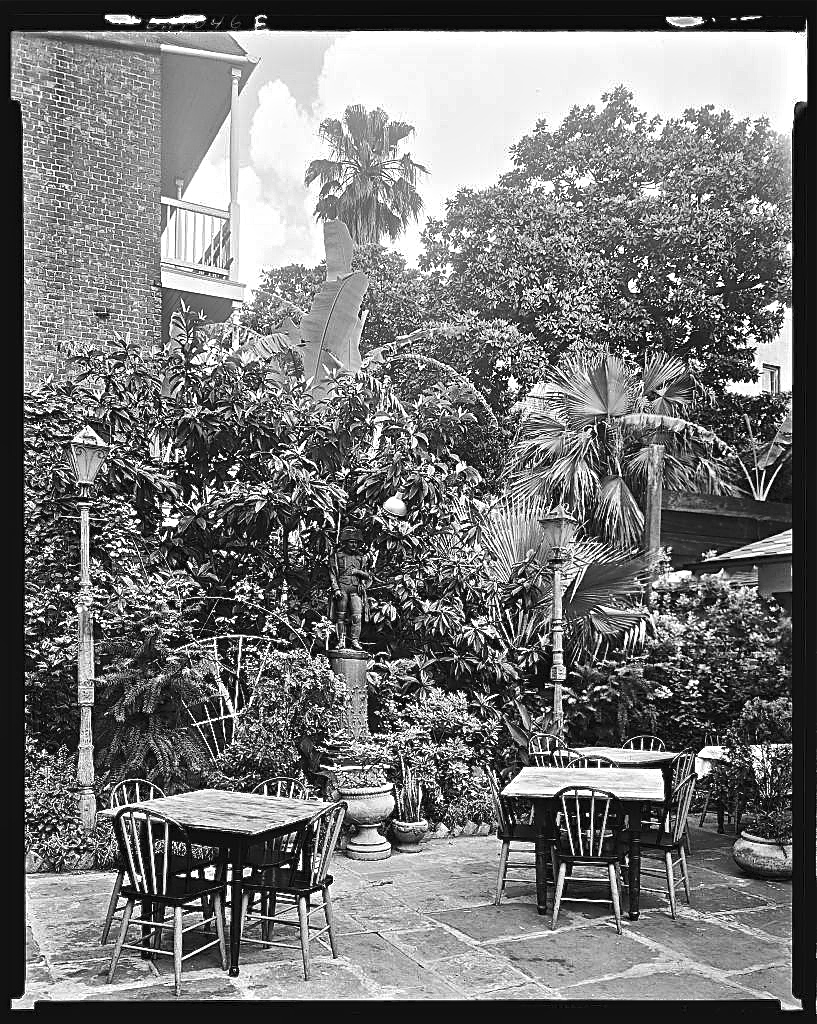
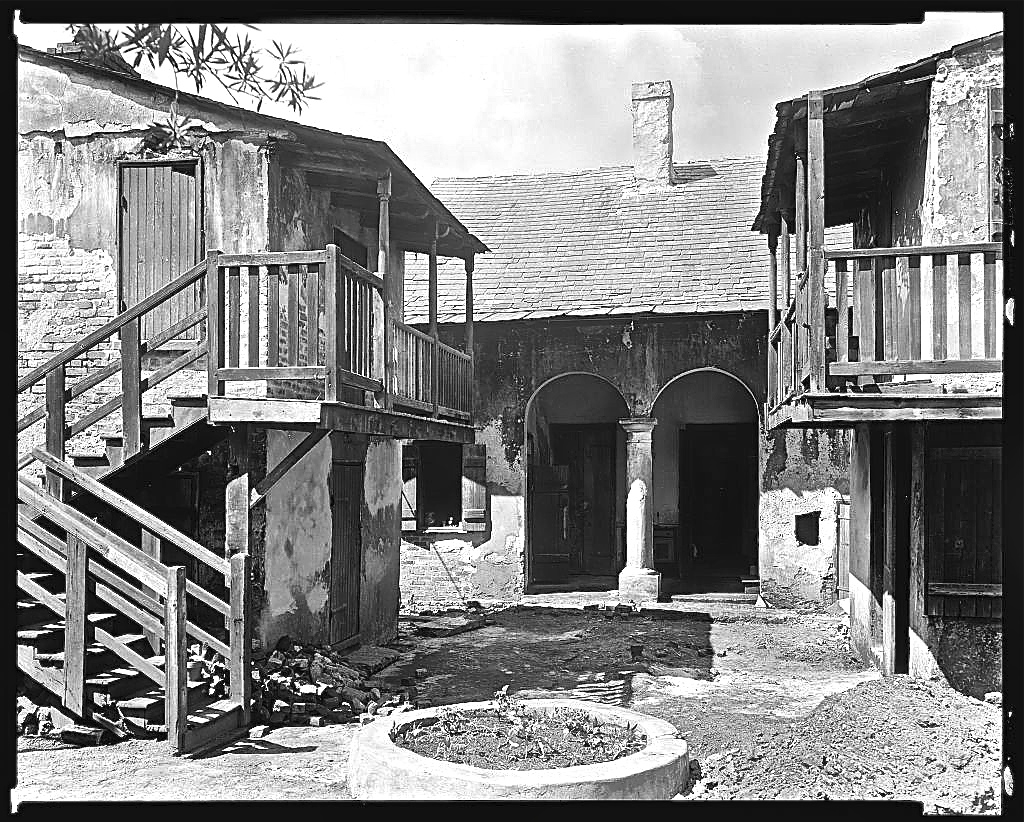
They are all from the Carnegie Survey of the Architecture of the South of the Library of Congress.
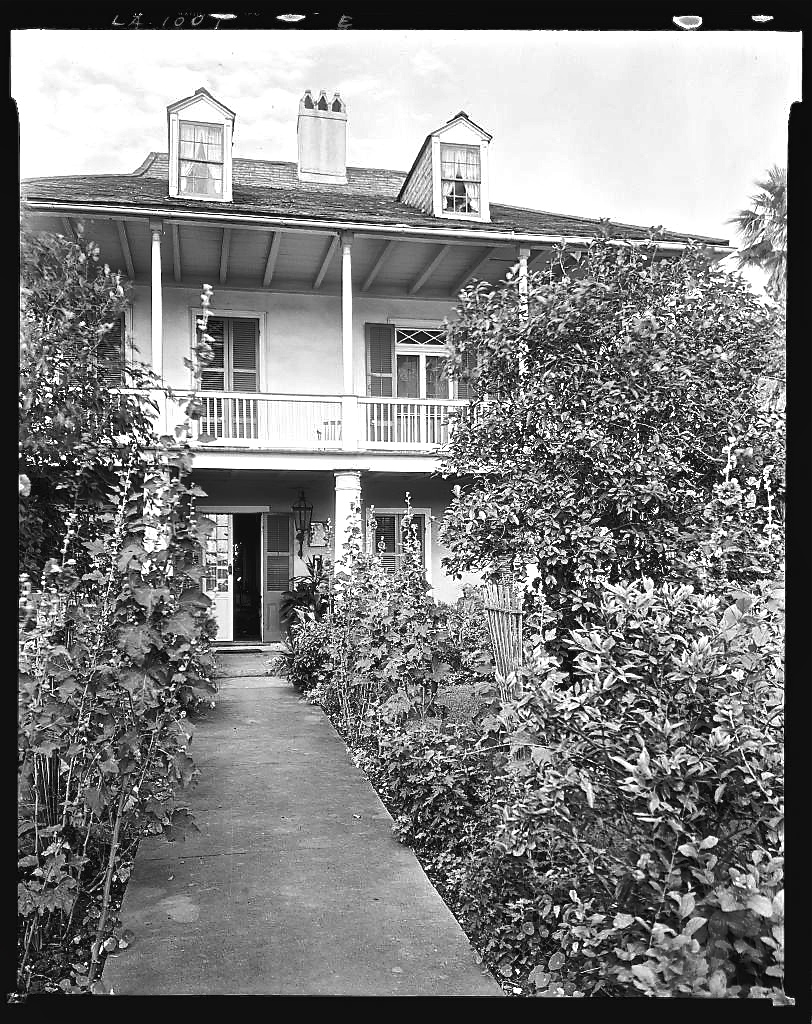
From 1933 to 1940, Johnston photographed buildings and gardens in nine southern states, funded by a grant from the Carnegie Corporation. She was one of the first to photograph and record southern vernacular architecture.
Her entire collection is fascinating. It contains 7,100 images of 1,700 structures and sites.
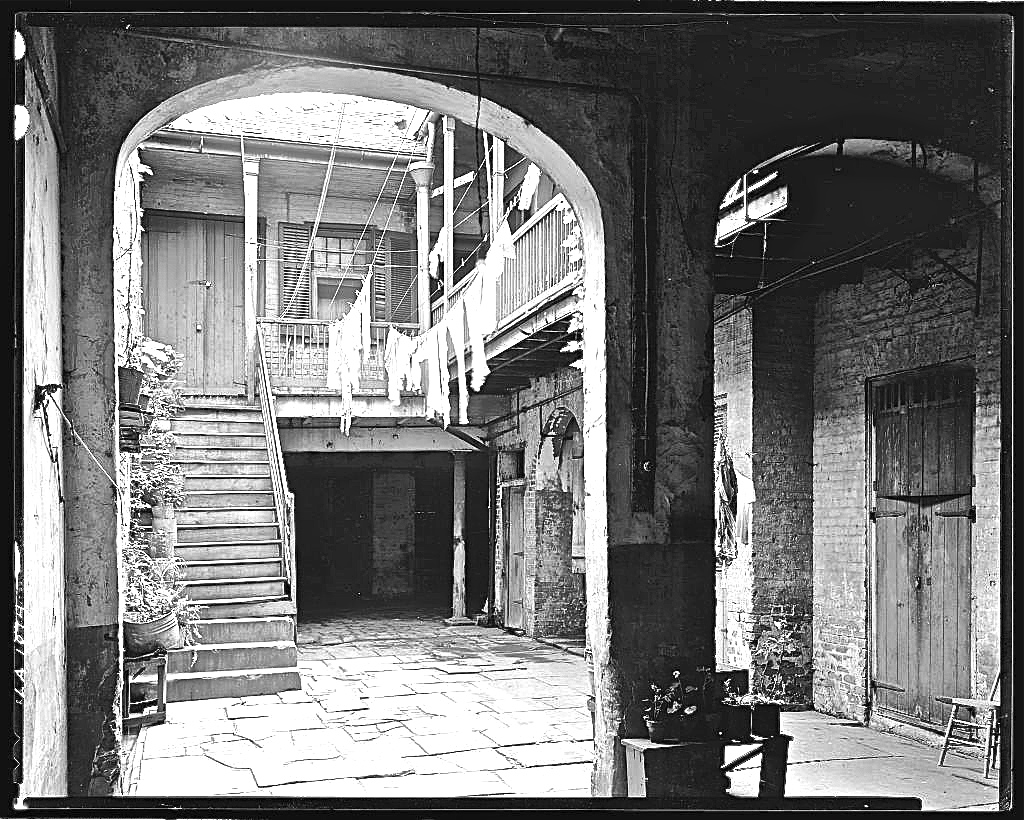
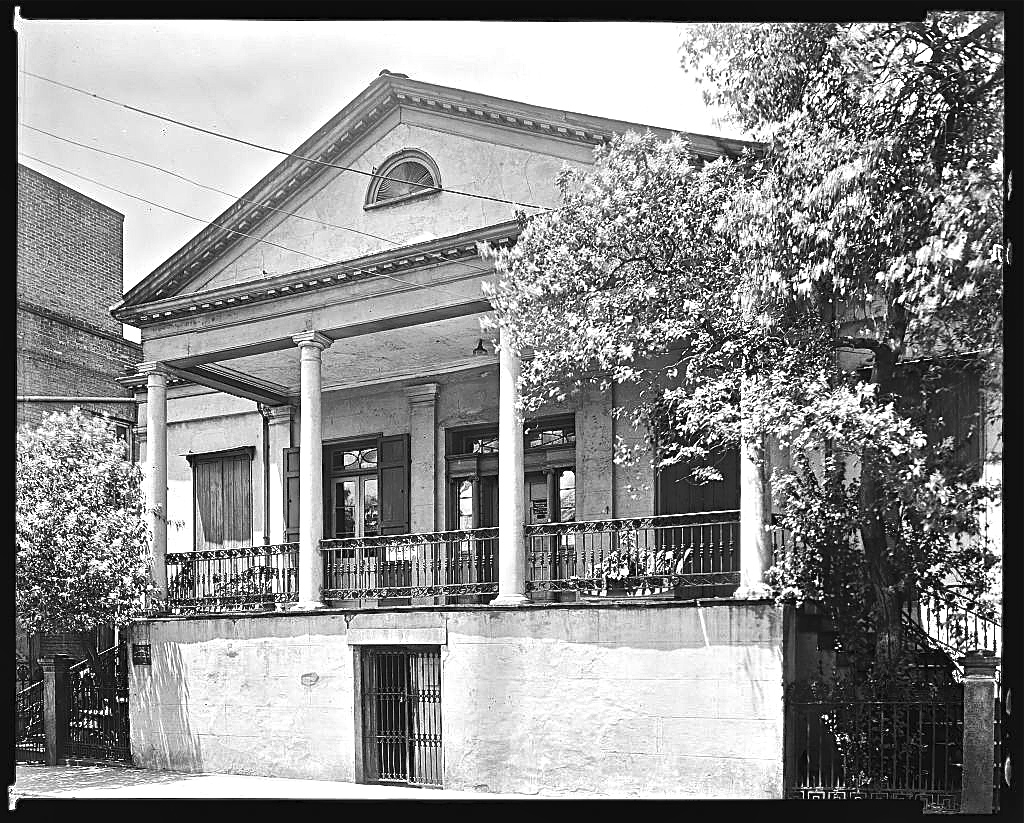
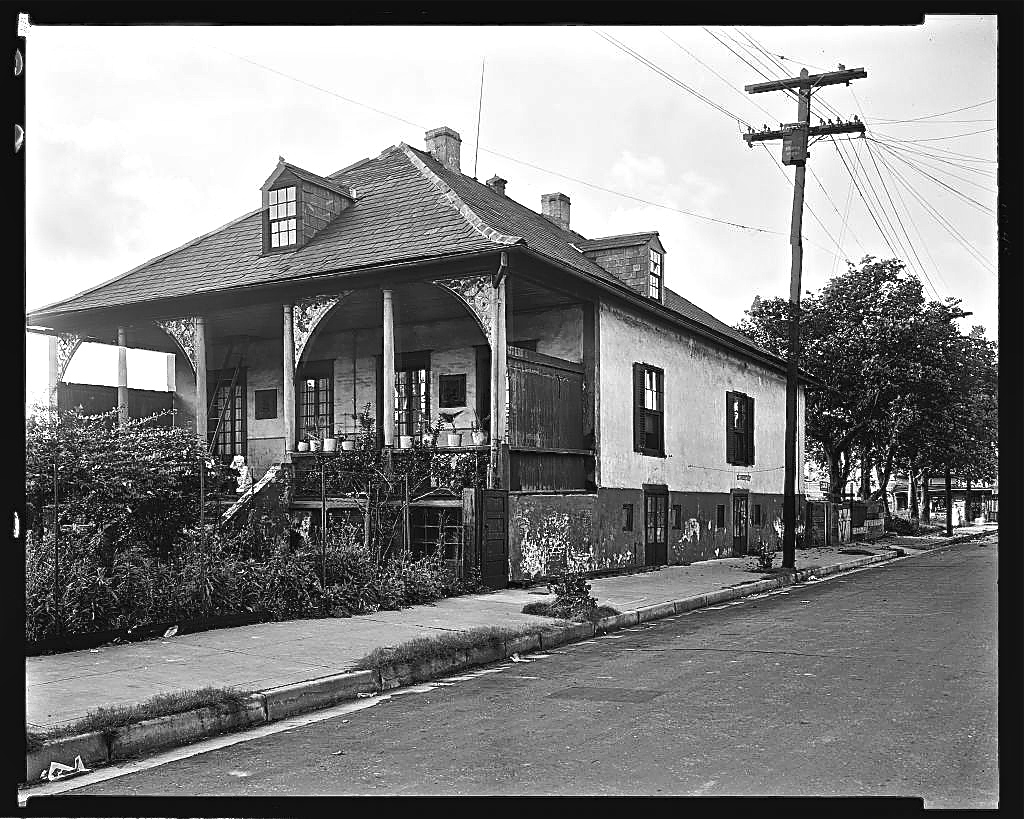
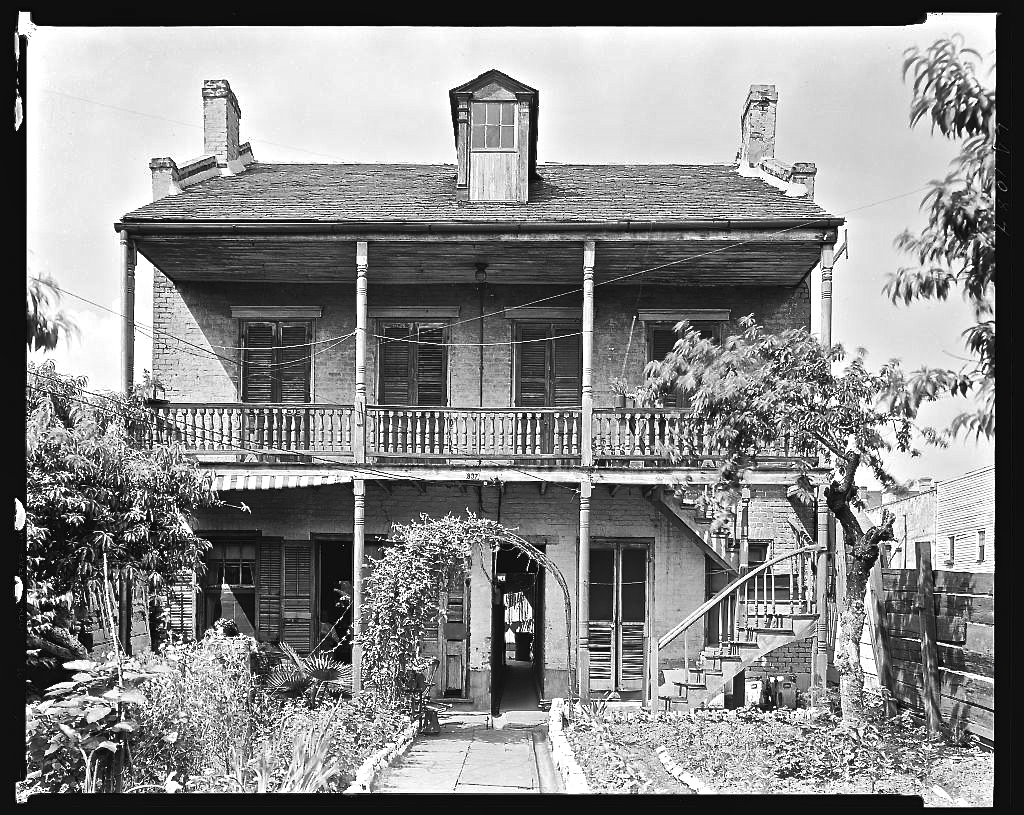

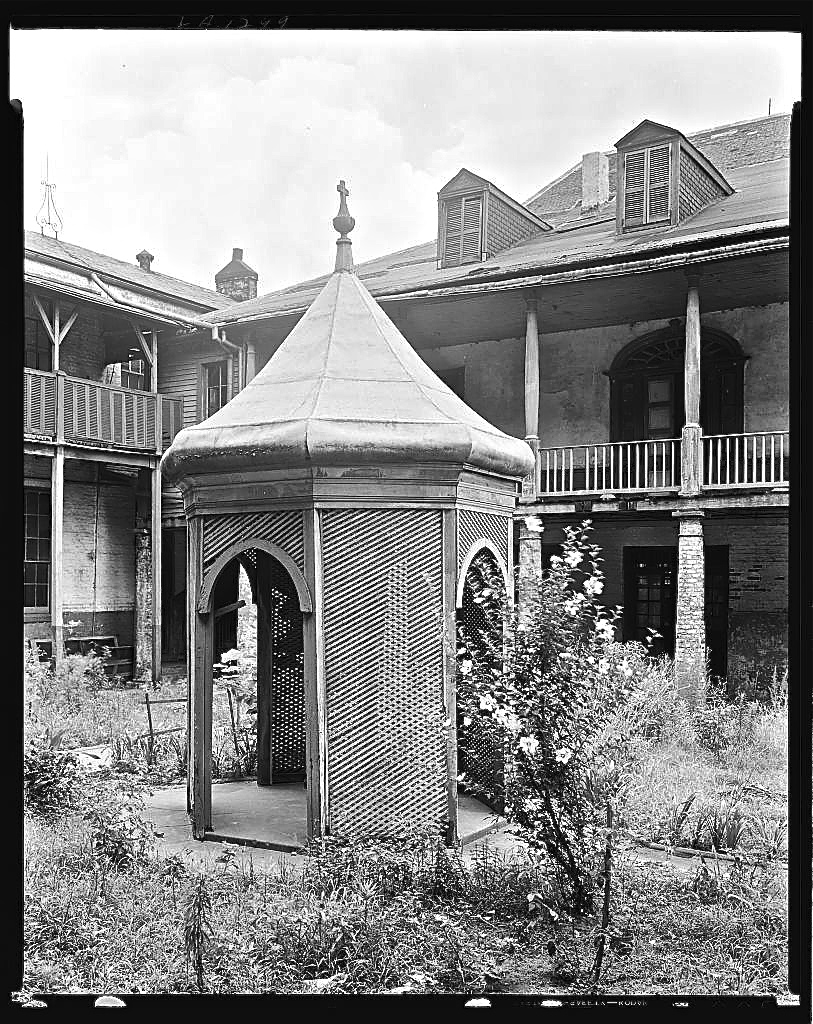
There are more Johnston photos of New Orleans in the gallery after ‘Continue reading’ below. Click on any thumbnail to scroll through all the pictures in full size.
In 1945, Johnston moved to New Orleans, where she enjoyed the lively bohemian atmosphere. She lived in her house on Bourbon Street until her death in 1952 at the age of 88. These two photos are from the Frances Benjamin Johnston Collection of the LoC.
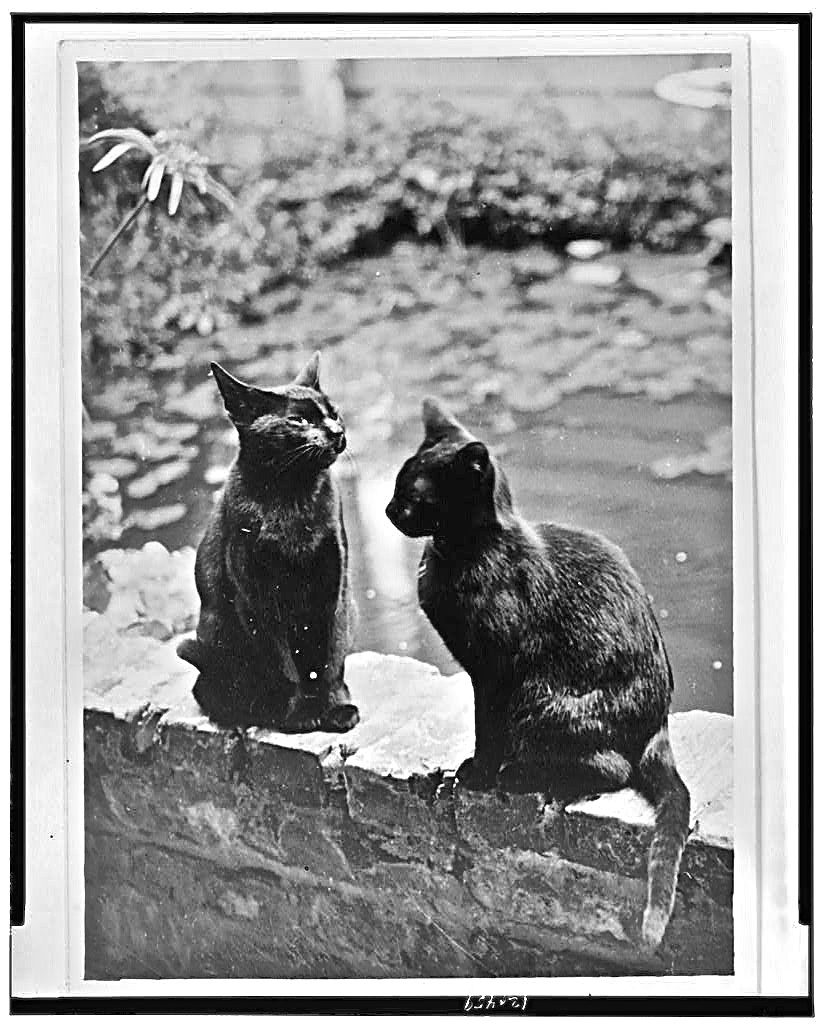
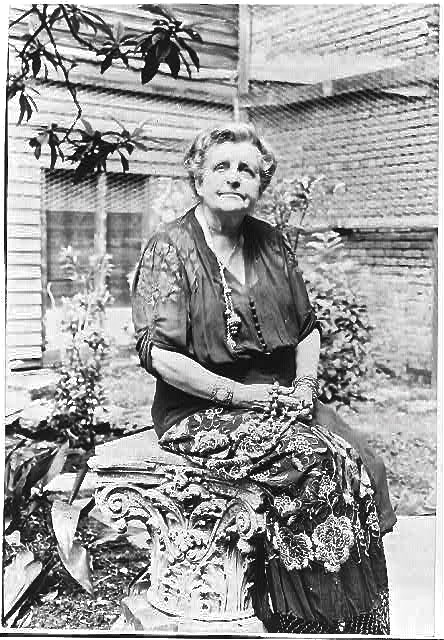
You can buy prints of Johnston’s photos at Shorpy.com here.
If you’re thinking of visiting the Big Easy, you can read “36 Hours in New Orleans” in The New York Times travel section.
About.com has a list of New Orleans blogs here.
Tulane University’s Southeastern Architectural Archive maintains the Garden Library, a collection of over 1,000 titles, including published materials associated with women’s garden culture. Currently, the Archive is showing an online exhibit of vintage Reuter’s Seed Company catalog covers (here).
Continue reading “Nostalgia for New Orleans”
A storeroom of recycled paper beads at Gahaya Links, Kigali, Rwanda.
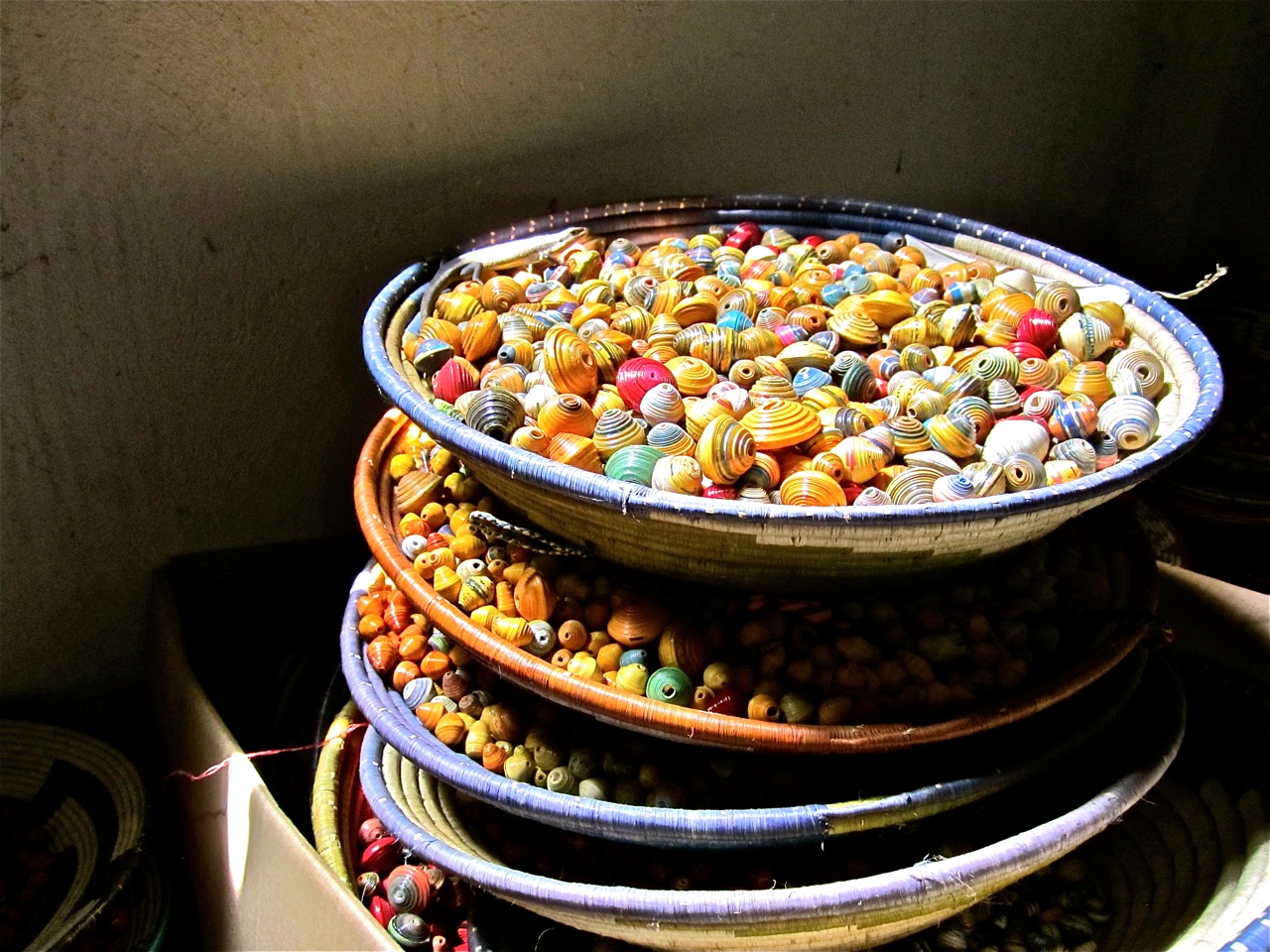
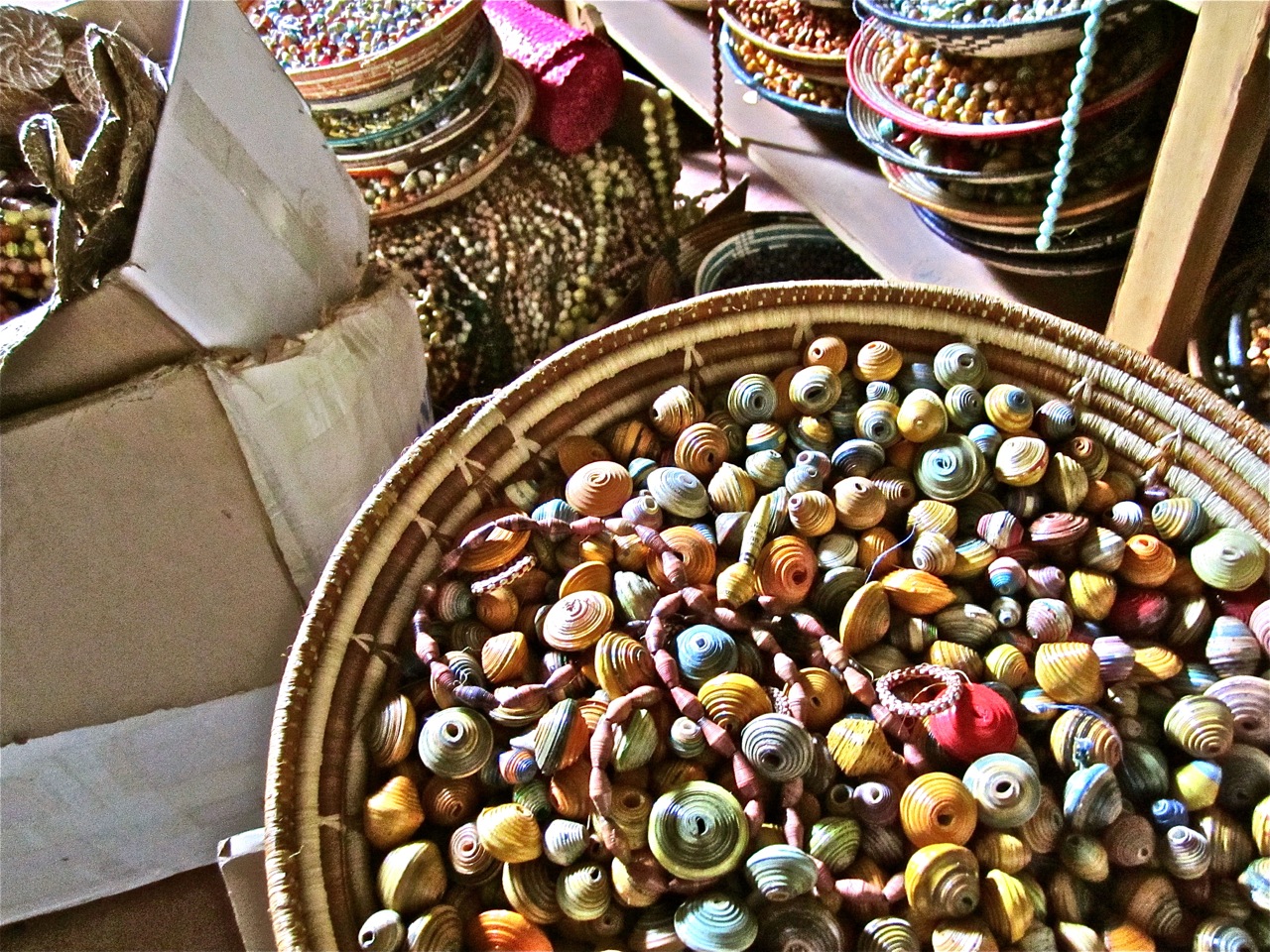
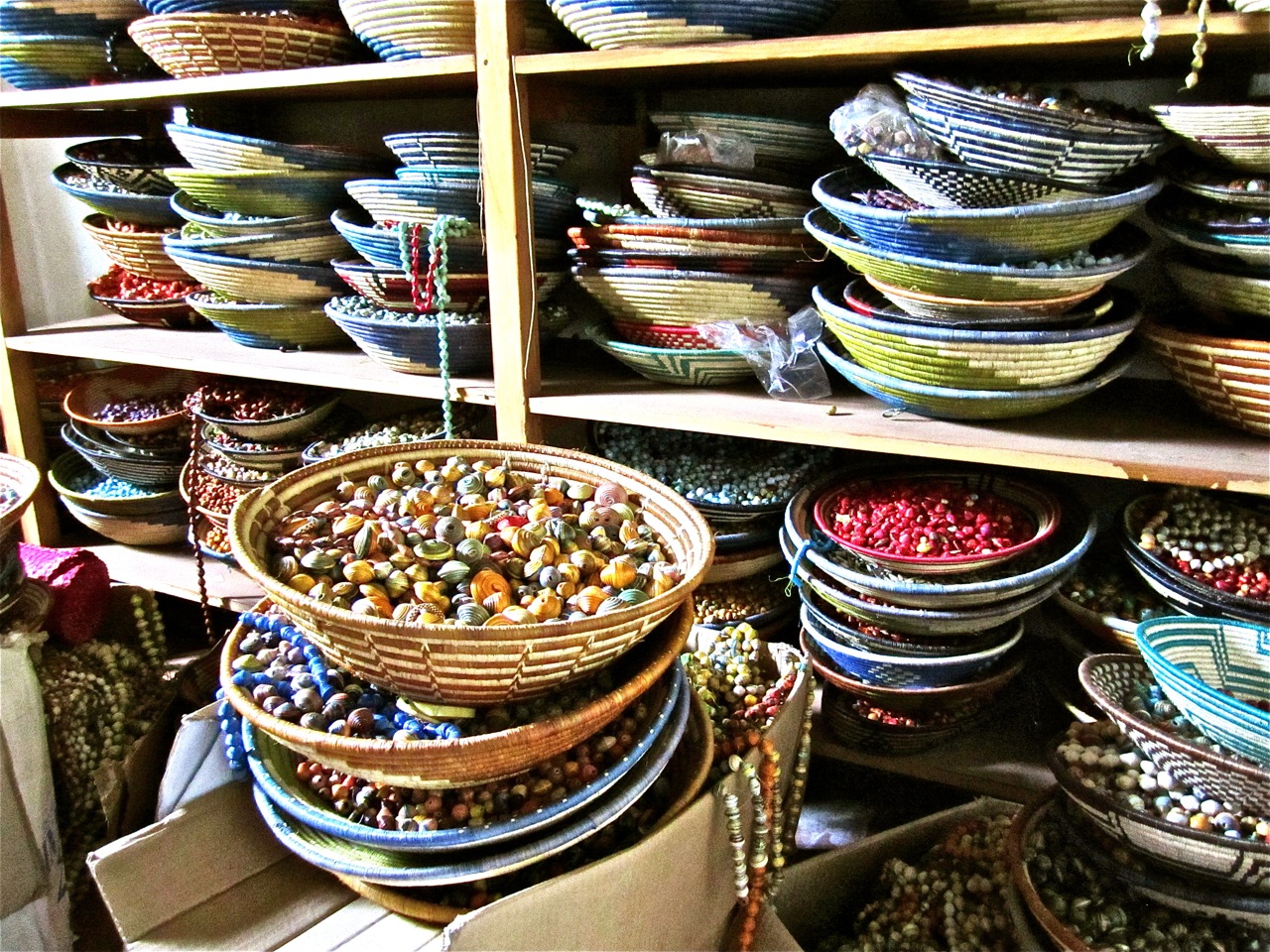
. . . And her voice is a string of colored beads,
Or steps leading into the sea. . . .– Edna St. Vincent Millay, from “Witch-Wife“
This quilt recently arrived at our house as part of our Art in Embassies exhibition of contemporary fine American crafts. It has been generously loaned by fiber artist Terry Kramzar of Kennett Square, Pennsylvania, and the title is “Tiger Lilies.”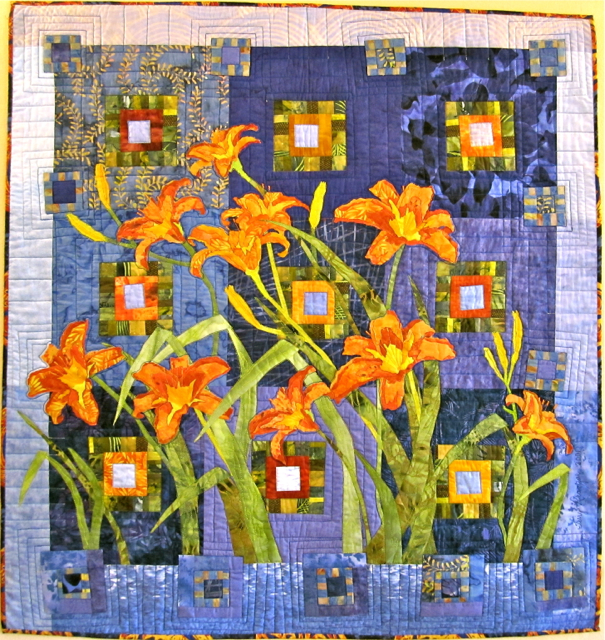
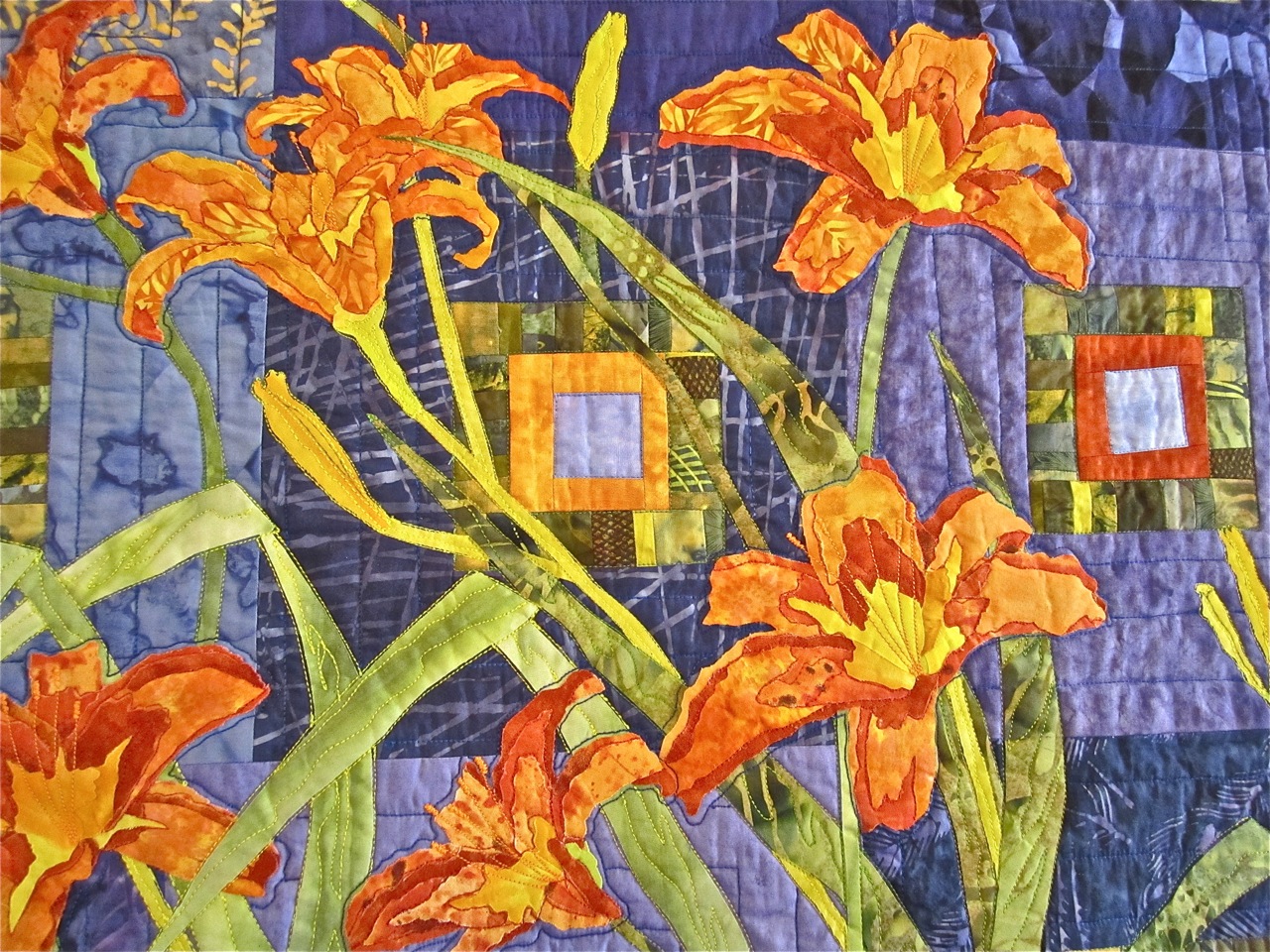
I had the idea that I would feature daylilies for this month’s Garden Bloggers’ Bloom Day when we unpacked the quilt. Today, I went out into the garden, which normally has a lot of blooming daylilies around the drive, and found only two.
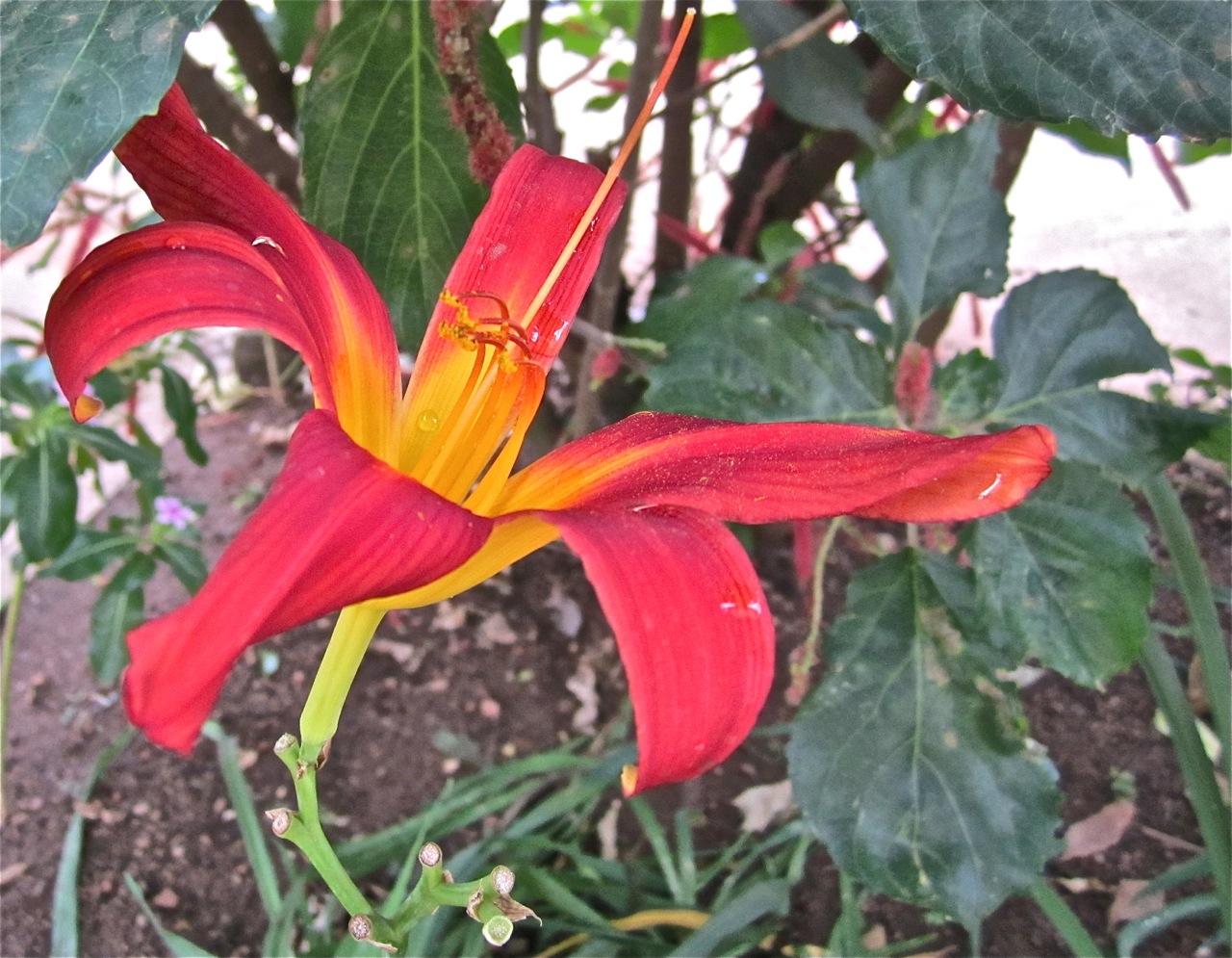
I have no idea which cultivars of Hemerocallis these are. You can see some of the new ones for 2012 at allanbecker.gardenguru.
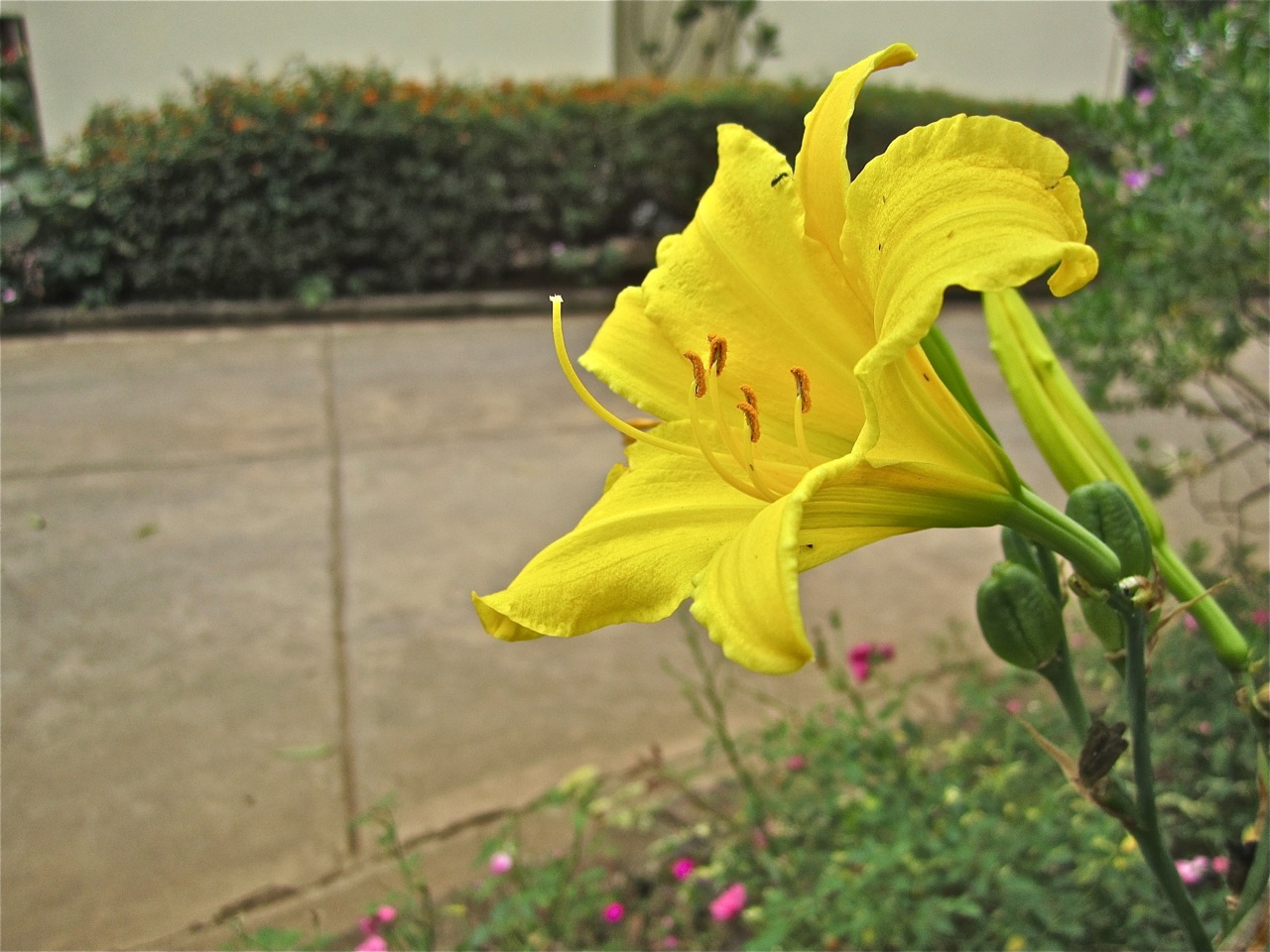
The tiger lilies in the quilt are Hemorocallis fulva. They are native to the Himalayas, China, Japan, Korea, and southeastern Russia and were brought to America from England in the early 17th century.
Here’s a little of what else is blooming in the garden today.
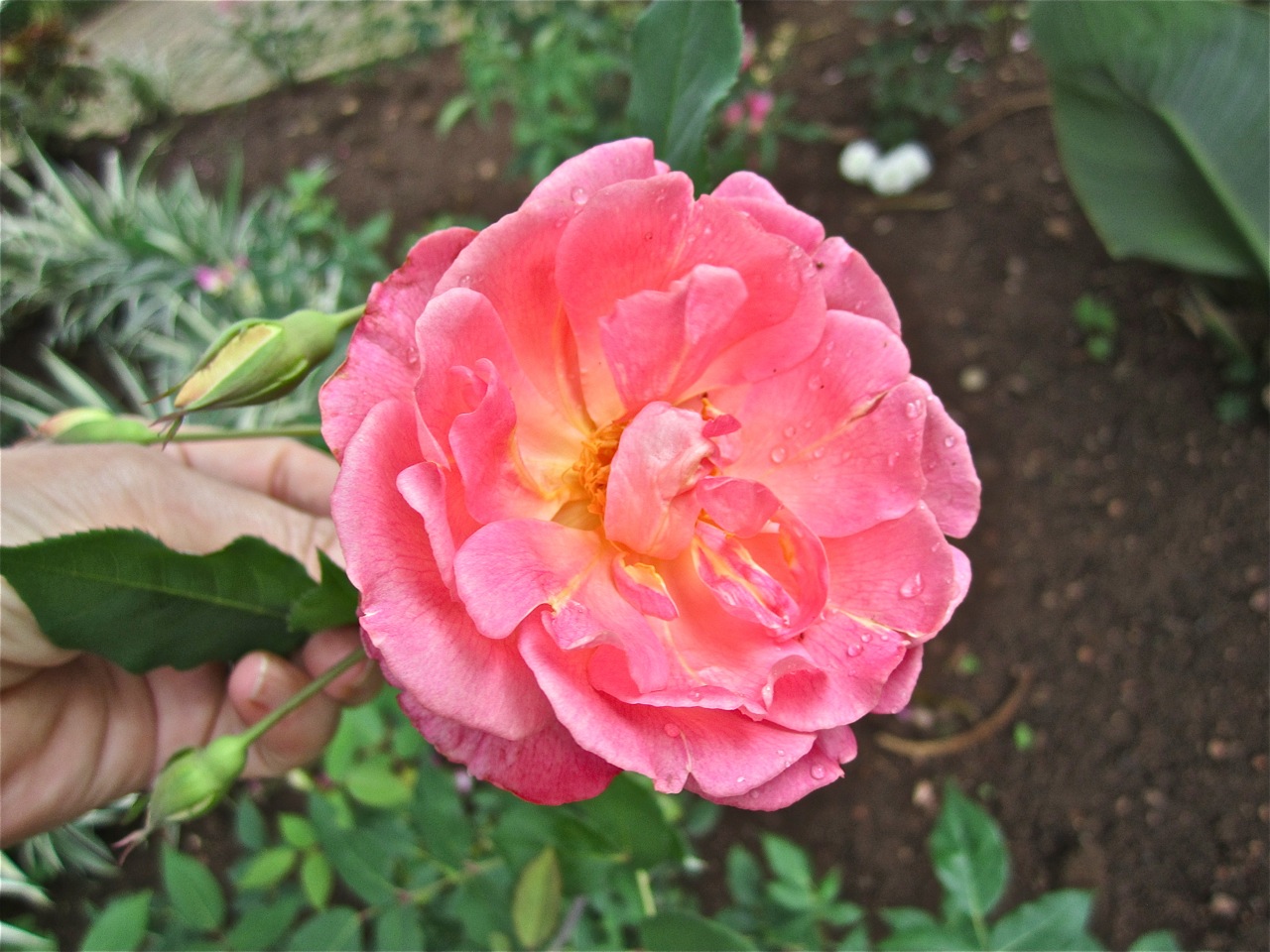
A small pink (a bit coral) shrub rose of unknown variety. This is really nice. We need to try to root some cuttings.
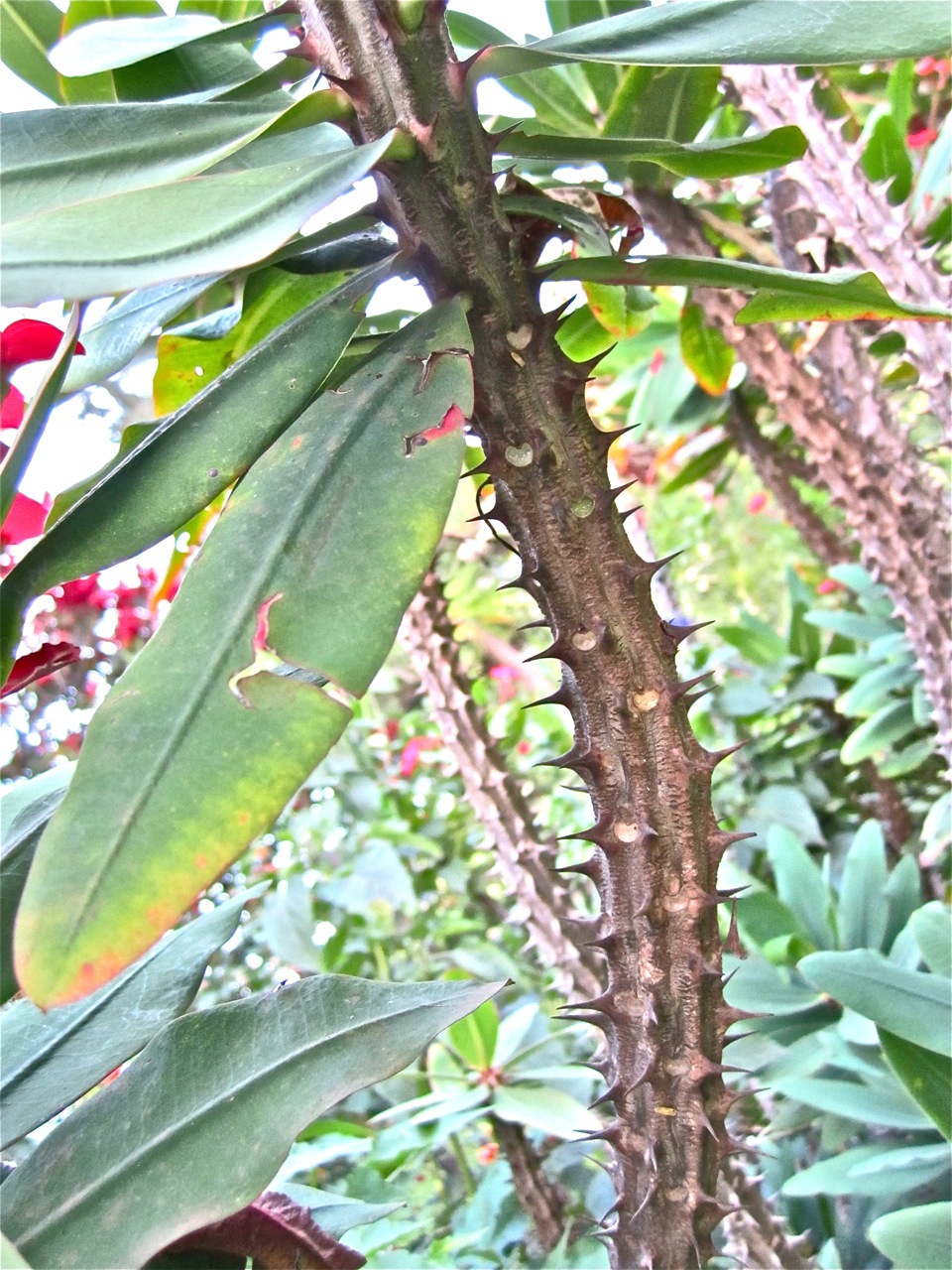
We also have this yellow crown of thorns or Euphorbia Milii, native to Madagascar. I like this plant, and there are two of them in the garden. One, with red blooms, is right next to some steps, and this one is in a rather ugly container next to the parking area. It’s not going to be fun to move them.
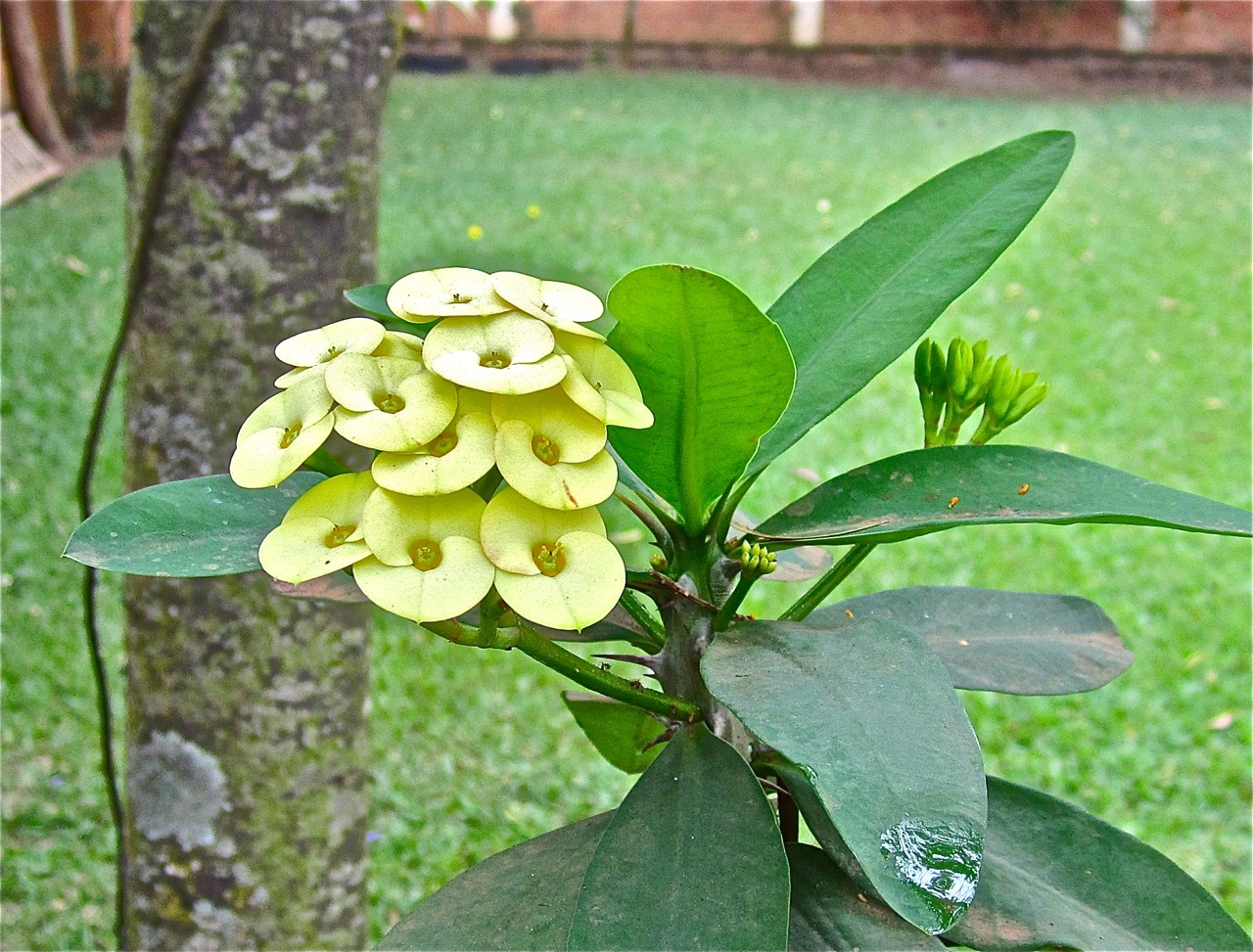
Here’s why.
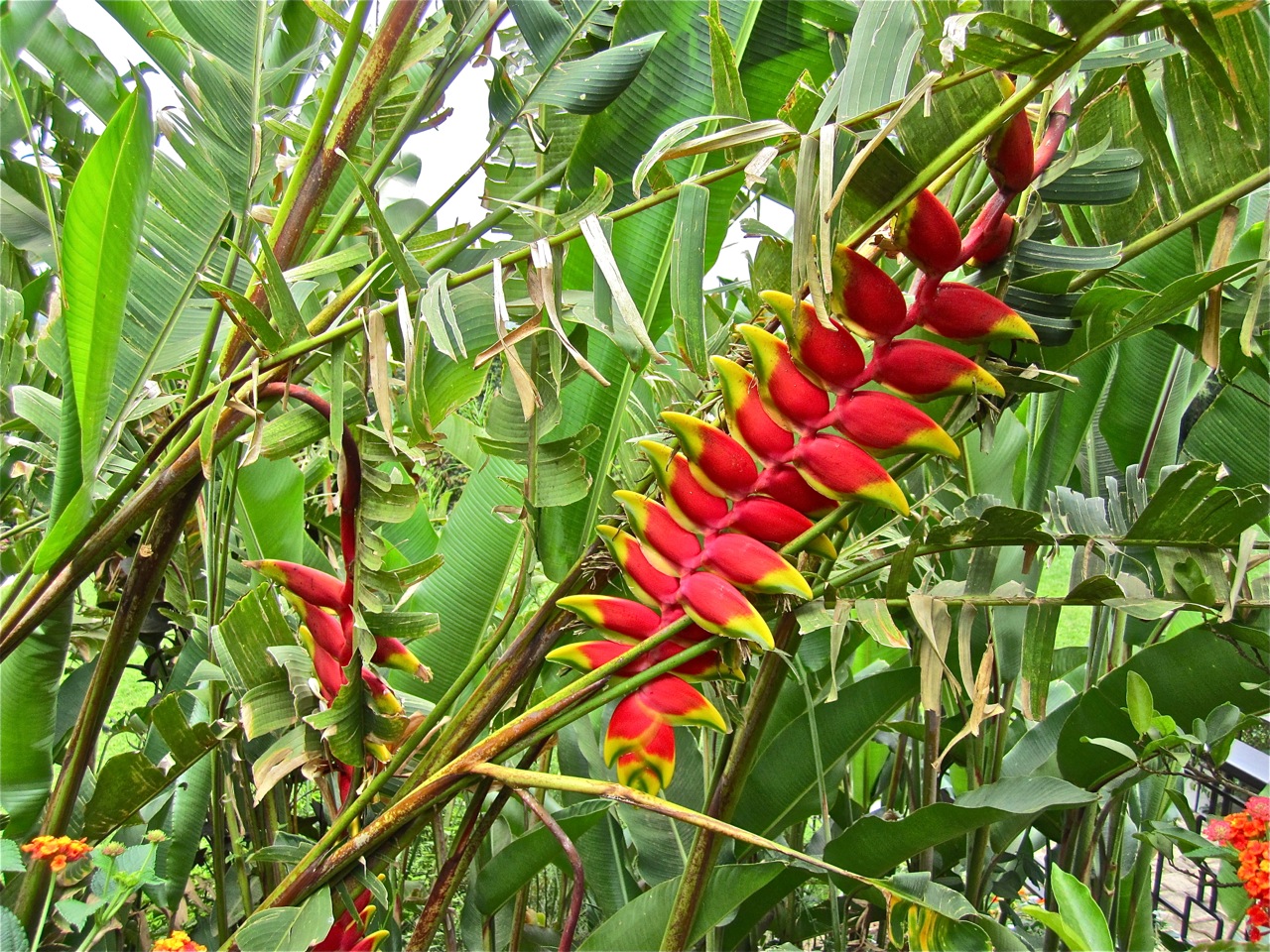
Our lobster claw or false bird of paradise, Heliconia (I think I have Heliconia rostrata), has put forth a lot of huge blooms, but its foliage is a little tatty. Heliconias are native to the tropical Americas and the Pacific Ocean, west to Indonesia.
Thanks to Carol of May Dreams Gardens for hosting Garden Bloggers’ Bloom Day (the 15th day of every month).

