
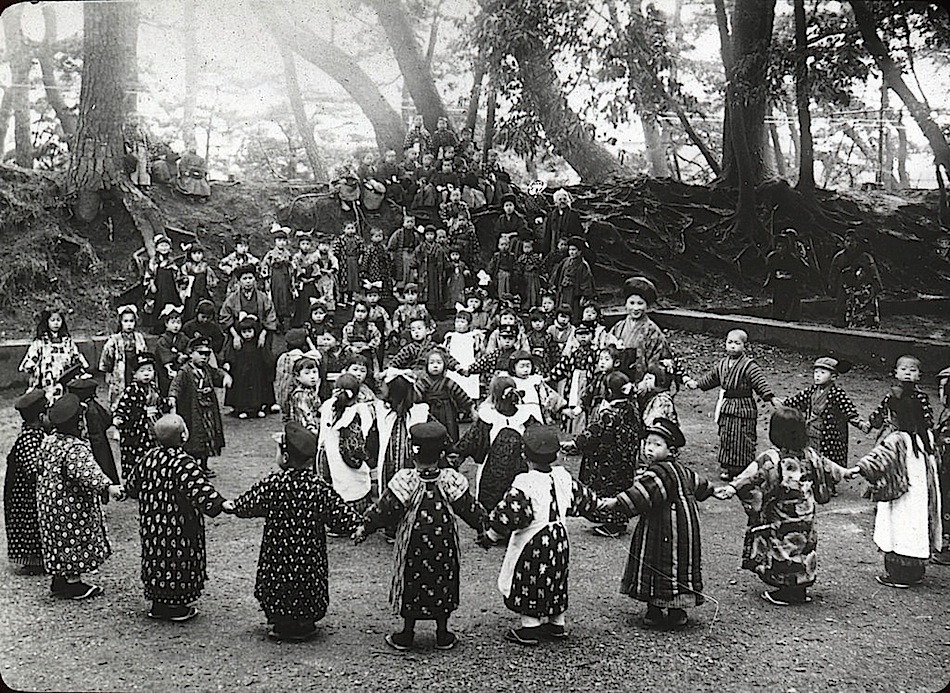
 “Kindergarten Picnic, Tokyo,” Japan, ca. 1915, via OSU Special Collections & Archives Commons on flickr.
The image is from a collection of visual instruction lantern slides.
“Kindergarten Picnic, Tokyo,” Japan, ca. 1915, via OSU Special Collections & Archives Commons on flickr.
The image is from a collection of visual instruction lantern slides.
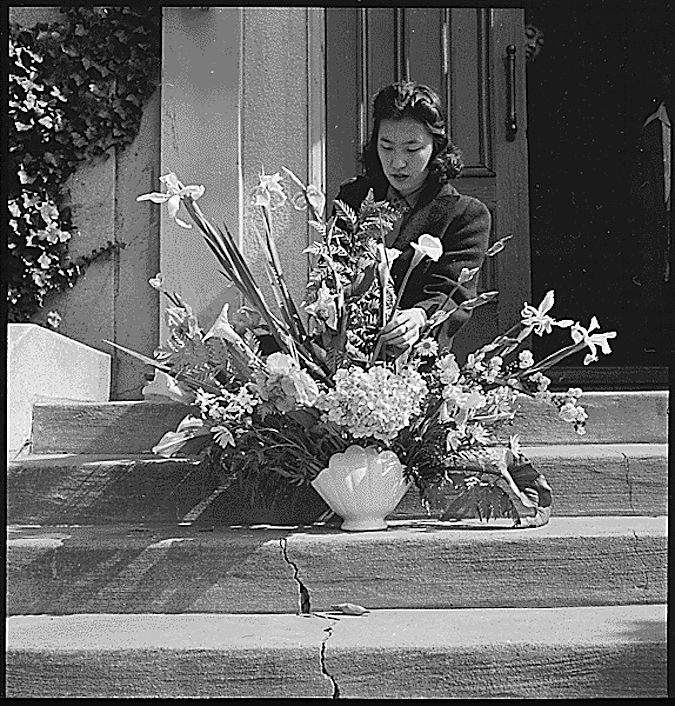
“Arranging flowers for alter on last day of service at Japanese Independent Congregational Church, prior to evacuation [internment],” Oakland, California, April 26, 1942, by Dorothea Lange for the U.S. War Relocation Authority, via National Archives Commons on flickr.
All along the Pacific coast — from 1942 to January 1945 — over 110,000 people of Japanese heritage were forced into internment camps. Sixty-two percent were American citizens.
In 1988, in the Civil Liberties Act, the U.S. Government admitted that its actions had been based on “race prejudice, war hysteria, and a failure of political leadership.”
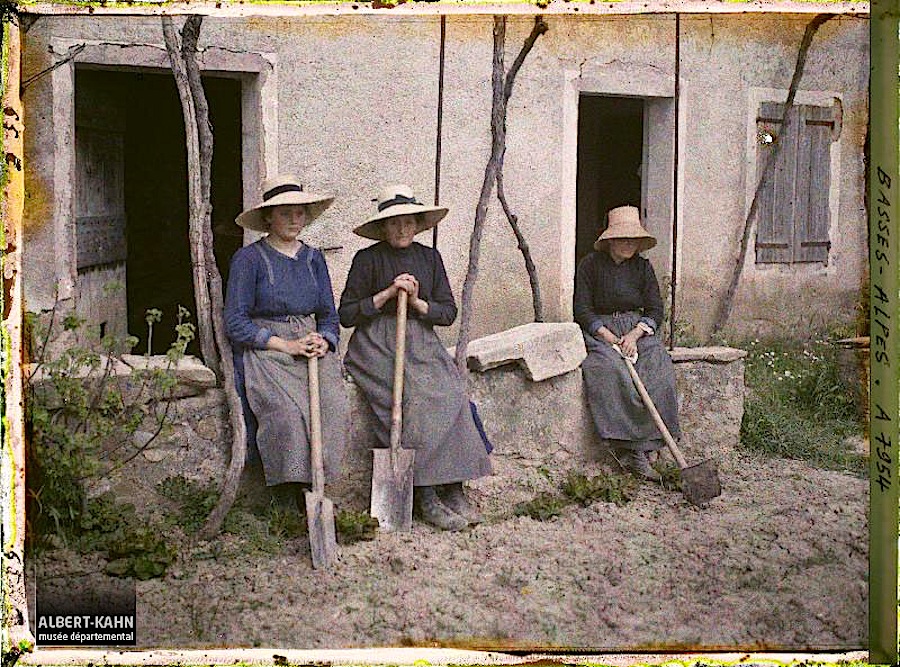
Women resting after working in a garden or vineyard, Les Mées, Basses-Alpes, France, April 13, 1916, by Georges Chevalier, via Archives of the Planet Collection – Albert Kahn Museum /Départment of Hauts-de-Seine.
I love their hats. Les Mées is in Haute or upper Provence. The area — very dry and hot — is one of the least densely populated in France.
This autochrome is one of about seventy-two thousand that were commissioned and then archived by Albert Kahn, a wealthy French banker and pacifist, between 1909 and 1931. Kahn sent thirteen photographers and filmmakers to fifty countries “to fix, once and for all, aspects, practices, and modes of human activity whose fatal disappearance is no longer ‘a matter of time.'”* The resulting collection is called Archives de la Planète and now resides in its own museum at Kahn’s old suburban estate at Boulogne-Billancourt, just west of Paris. Since June 2016, the archive has also been available for viewing online here.
*words of Albert Kahn, 1912. Also, the above photo (A 7 954) is © Collection Archives de la Planète – Musée Albert-Kahn and used under its terms, here.
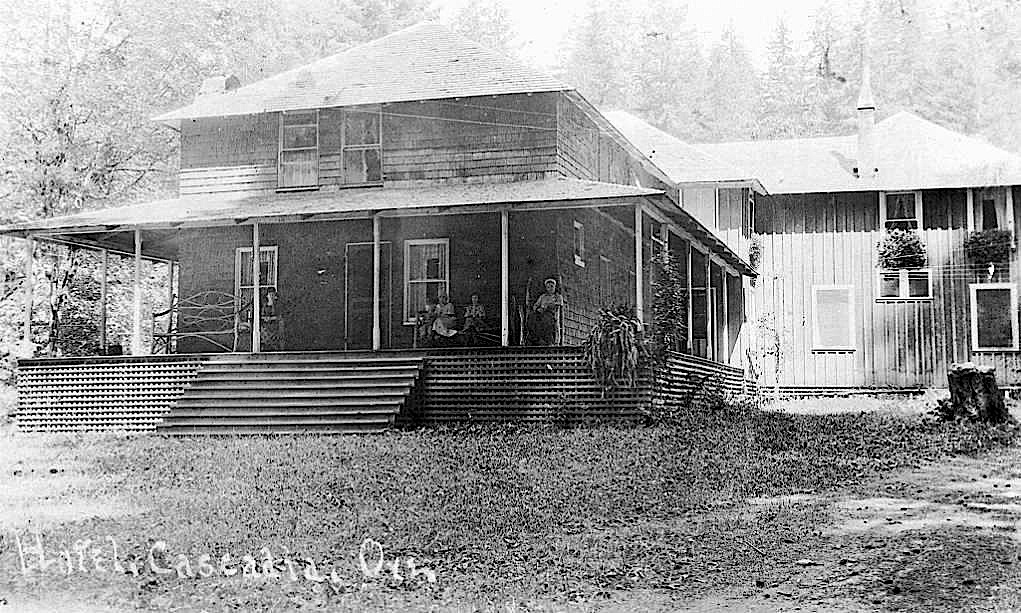 Hotel in Cascadia, Oregon, 1925, via Gerald W. Williams Collection, OSU (Oregon State University) Special Collections & Archives Commons on flickr.
I love that rustic bench on the right side of the porch. (Click on the image to enlarge it.)
George Geisendorfer opened a resort at Cascadia Springs in 1896, offering what he called the “curative powers” of the local mineral spring water. The resort included a hotel, garden, croquet course, tennis courts, and bowling alley. After the hotel burned, the 300-acre property was acquired by the state of Oregon and is now the site of Cascadia State Park.
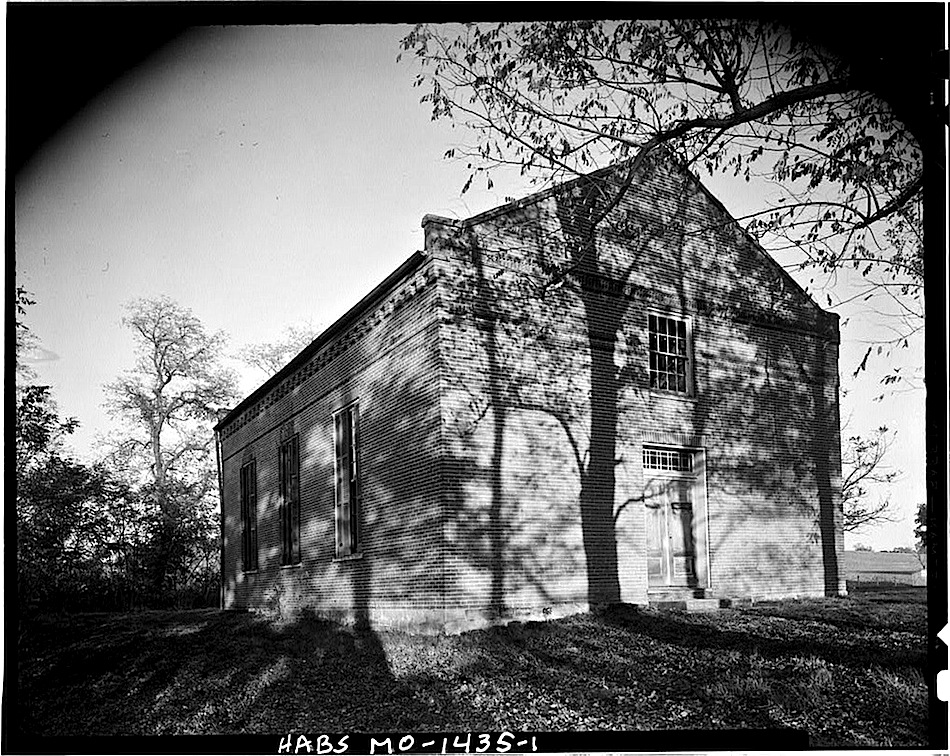 Newport Presbyterian Church, Washington, Franklin County, Missouri, 1939, by the Piaget-van Ravenswaay Survey, via Library of Congress Prints and Photographs Division.
The church was built in 1854. In the 1930s, Alexander and Paul Piaget and Charles von Ravenswaay made photographic surveys of early Missouri historic sites. In 1984, their work was donated to the Historic American Buildings Survey (HABS) collection of the Library of Congress.
 enclos*ure