
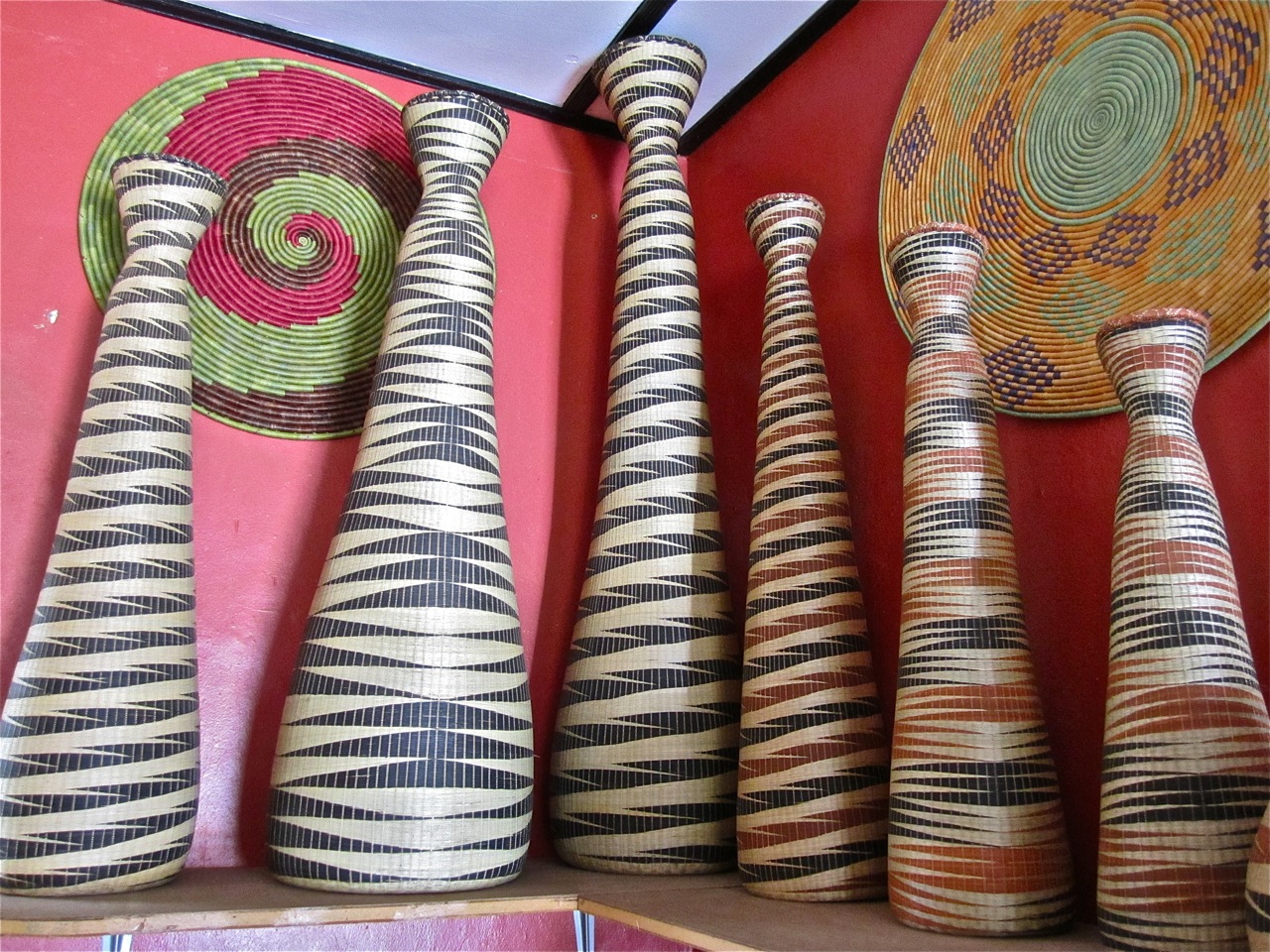
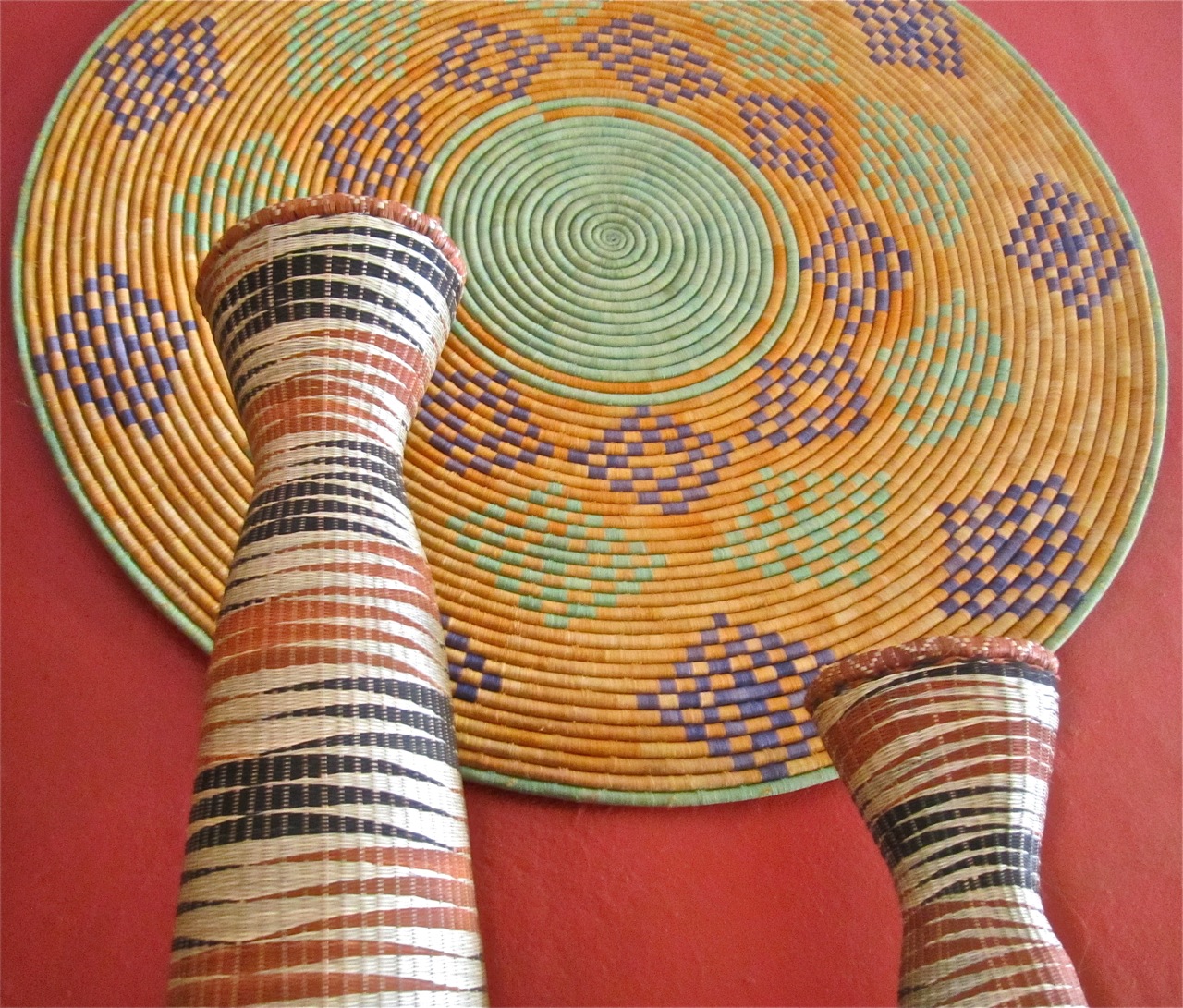

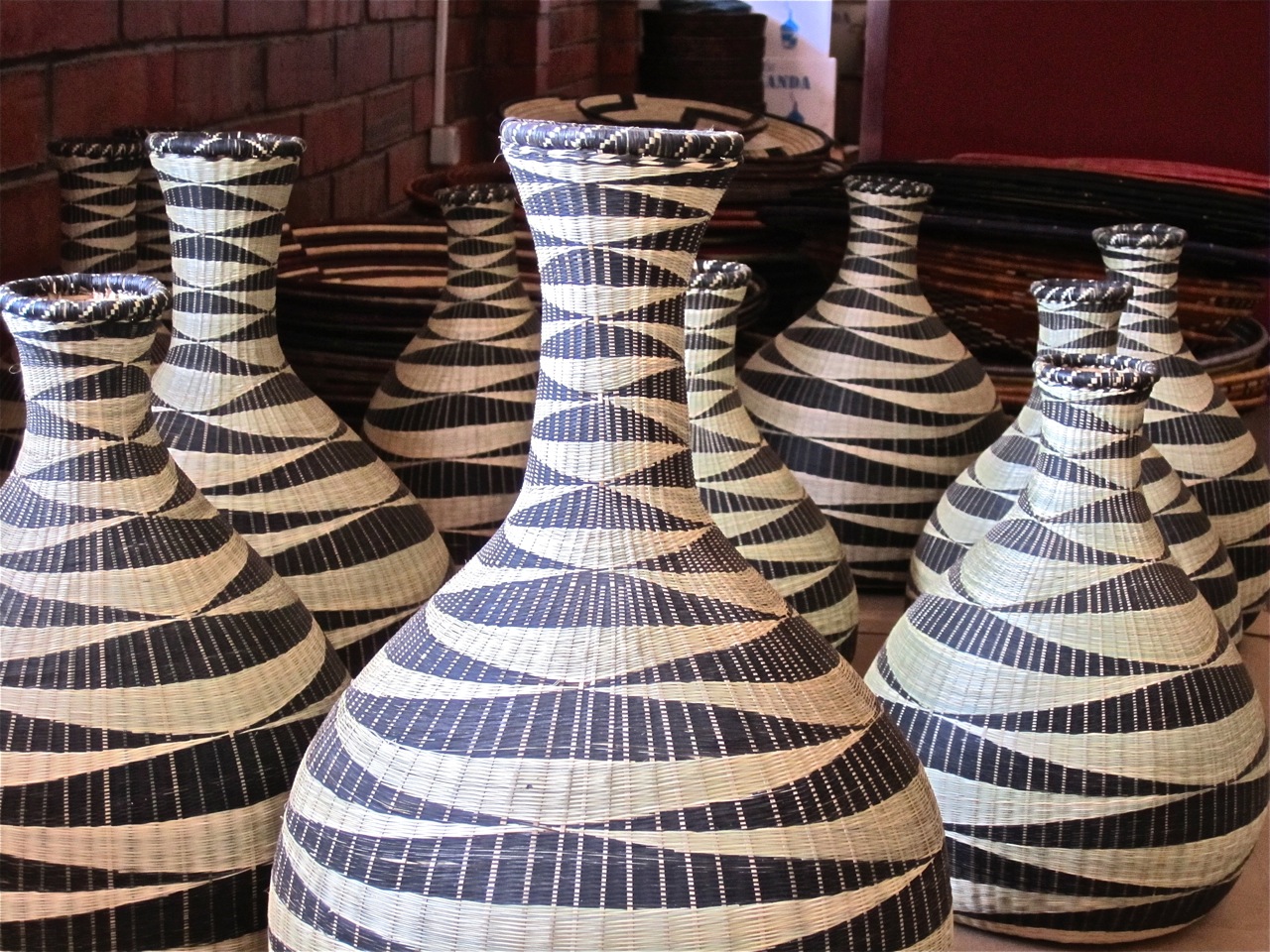


Gahaya Links’s website is here.
Akebo kajya iwa mugarura.
A basket should be given to the grateful.
— Rwandan proverb
Gahaya Links’s website is here.
Akebo kajya iwa mugarura.
A basket should be given to the grateful.
— Rwandan proverb
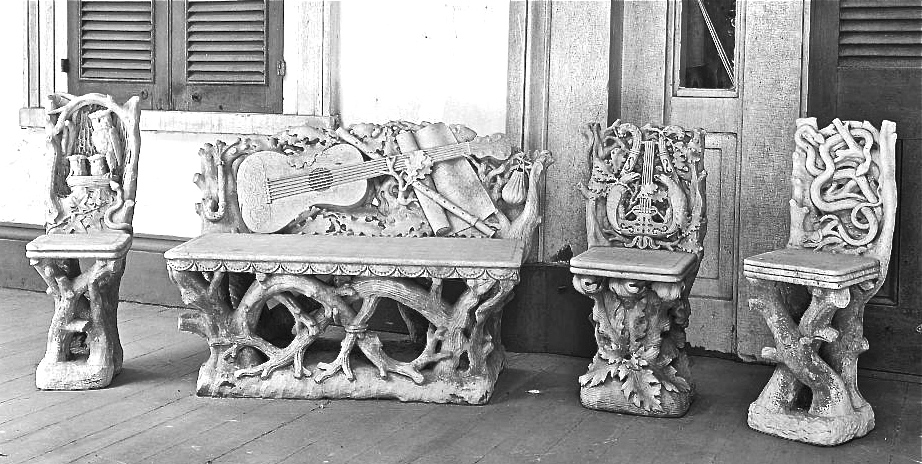
The porch of Burnside Plantation in 1938, by photographer Frances Benjamin Johnson for the Carnegie Survey of the South.
The Washington Post has an interesting, and rather sad, article (and colorful slide show), here, about the once-great floating gardens of Xochimilco in Mexico City. Although it is a UNESCO World Heritage Site, “the ancient plots and their life-giving canals are weedy and abandoned, overrun by cattle, invaded by exotic fish, sucked dry by urban sprawl — and a dozen agencies of government have failed to save one of the wonders of the world.”
Anne Raver in The New York Times writes about Nancy Goodwin’s celebrated Montrose Gardens in winter, here. The slide show includes a photo of her lath house, which has been on my list of favorite garden structures since I saw it in Garden Design in the 1990s.
In urban landmark news, the first Starbucks on the East Coast, at Wisconsin and Idaho Avenues, N.W., in Washington, D.C., has closed. The building it occupied will soon be demolished. However, The Huffington Post reports, here, that the new, mixed-use development will still have a Starbucks (whew!). In the meantime, if you visit the nearby National Cathedral’s Bishop’s Garden, you can get coffee (and fudge) in the gift shop.
(Also, a slideshow in the header of the National Cathedral’s website, here, has some revealing photos of the earthquake damage of last summer.)
This link from the Lady Bird Johnson Wildflower Center and the University of Texas at Austin displays a map of the U.S. Click on a state and you get a list of native plants suitable for that region. Also, here’s an interesting perspective on the honey bee as a pollinator of American native plants, at Garden Rant.
Finally, if you need a reminder to always be alert to possibilities for design, click here.

While researching Dr. Seuss the other day, I realized why this acacia tree on our street had so grabbed my attention back in November.
Go, Dog. Go! by P.D. Eastman was one of my favorite books as a child; I was always surprised by the dog party at the end. [Click here for the image.]
During one of my landscape design classes, another student recalled a lecture by a famous landscape artist (I think it was Martha Schartz) who said that the garden we really want is the one that reflects the places we knew before the age of five. I don’t know how accurate her paraphrase was, but the idea is something to think about. And the landscapes of our early years will have to include those we saw night after night in storybooks.
Today is Dr. Seuss’s birthday.
Seuss, aka Theodor Seuss Geisel (1904-1991), took the art of Surrealism and the architecture of Antonio Gaudi, combined them with childhood memories of early cars and machinery in New England and then the flora of his adult home in southern California, and created the famous illustrations for his over sixty books. (His Green Eggs and Ham is the fourth best-selling English-language children’s book of all time.)
His strange plants and landscapes — tops of mops, spikes, and feathers; elongated, twisty trunks; improbable angles, odd hills and rocks — form a visual vocabulary that we all understand and use routinely. These are just a few of the many, many snapshots I found by typing in “Dr. Seuss” and searching Flickr.com.
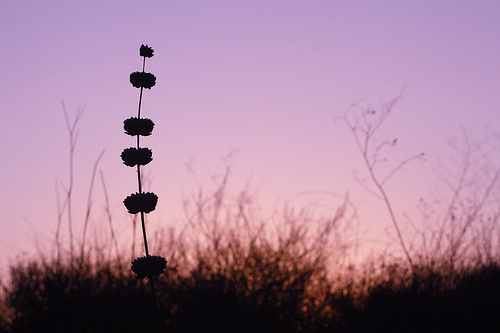
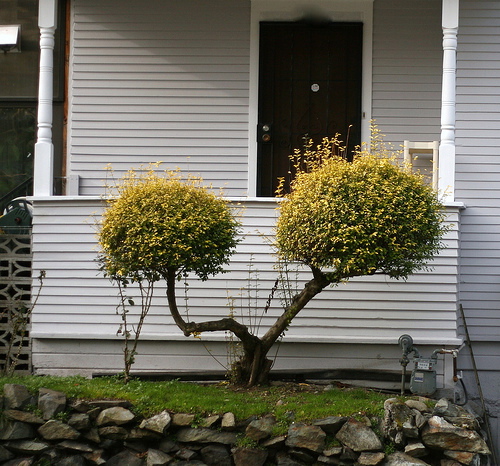
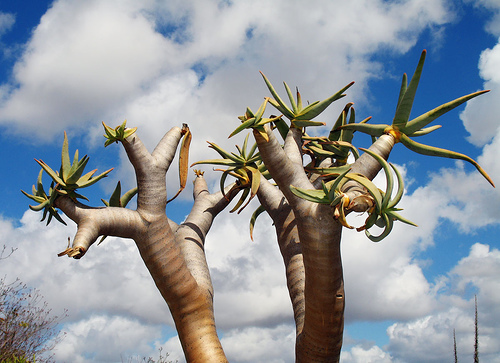
A 2010 article from the News Tribune in Tacoma, Washington, has a list of plants that also look Seuss-y, here. Among others, they recommend weeping sequoia, Nootka cypress, and contorted hazelnut.
If you want to visit a Dr. Seuss-style landscape, the blog SPOTCOOLSTUFF has 10 “Places That Look Dr Seuss-ish” around the world, here.
 ADDENDUM: Today is also the NEA’s Read Across America Day, here. And The Washington Post is calling for Seuss-inspired verse about current events, here.
If it’s cold outside where you are (or rainy like here), imagine yourself on this wonderful Louisiana porch surrounded by a flower garden.
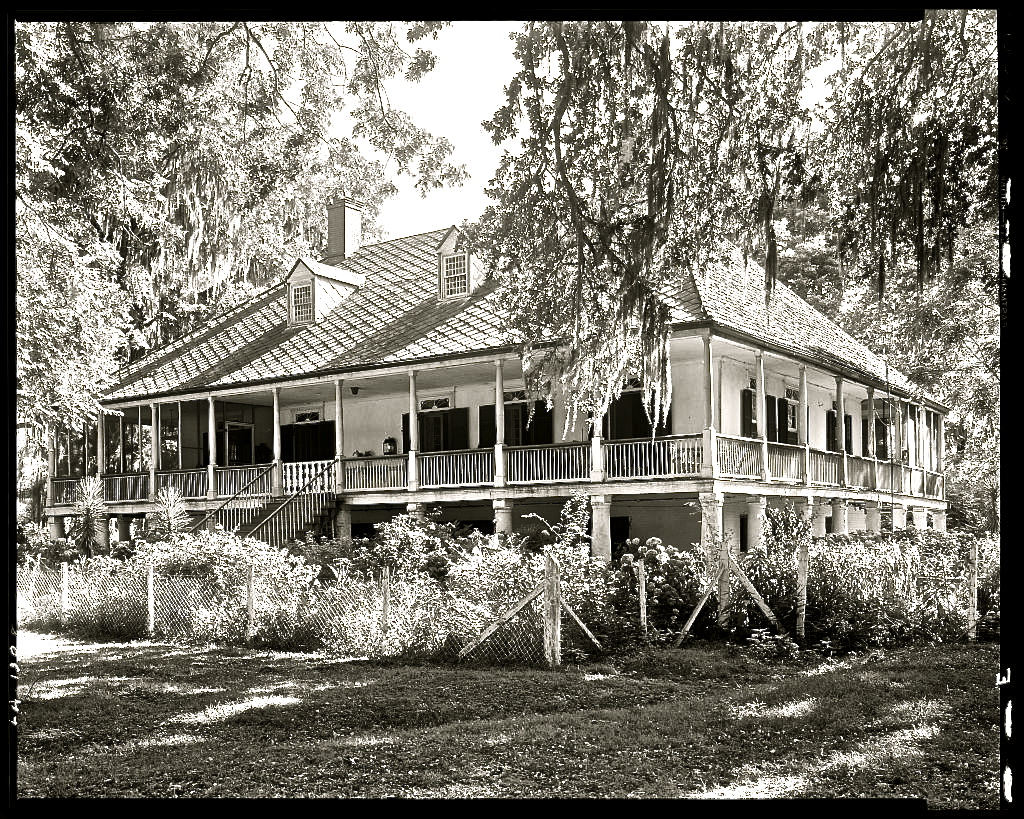
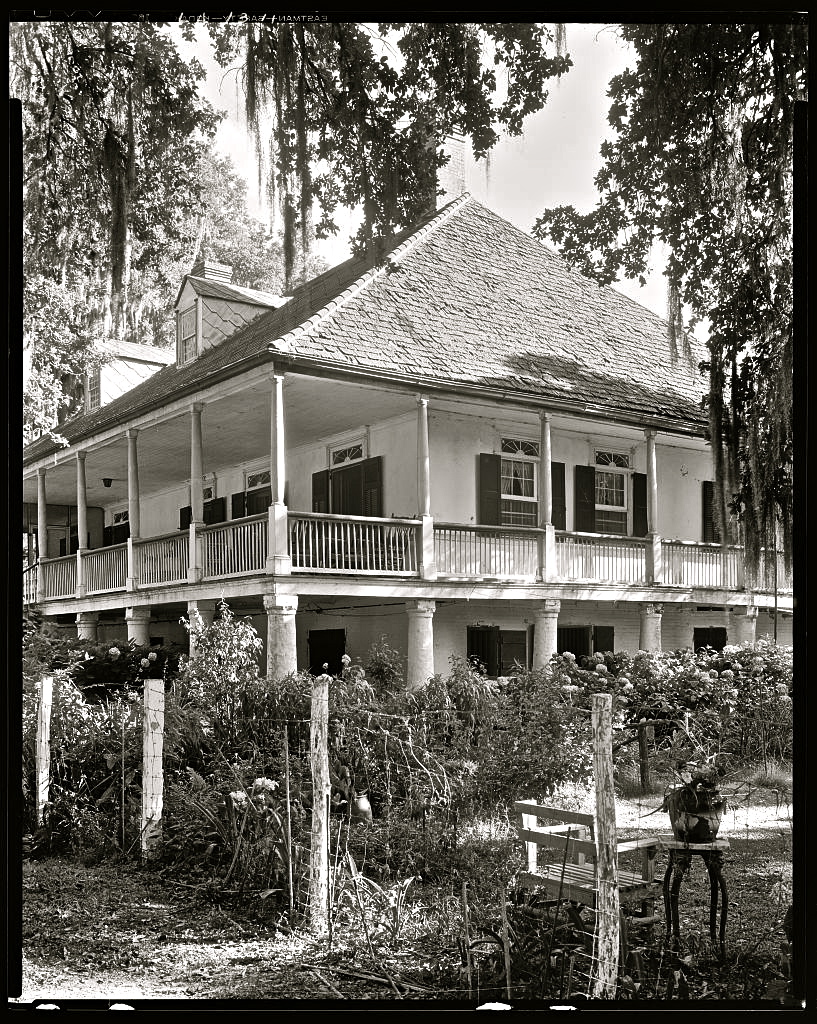
And then click here to listen to this classic by Etta James. Everything’s great now, right?
In the last couple of weeks, I’ve enjoyed a lot of posts on the blog Studio G, but especially those about Brazil, here and here. I really liked looking at her six sets of “before and after” pictures from a Brazilian home makeover show on Thursday. My favorite is here. I also enjoyed her post on a different kind of roller coaster in Germany here.
Grounded Design’s post, “Why We Plant,” here, was inspiring. “Designers don’t create beauty. To believe otherwise makes us guilty of forgery and blasphemy. But what we can do is create the conditions where people can have an experience of beauty.”
Phyllis Odessey at her eponymous blog wrote here about the Hudson Valley Seed Library and its seed packets with original artwork. Also, if you have an interest in school gardens, take a look at an older post here, about a rice garden in New York.
If you’ve been outside since Tuesday, pulling up your lawn (and here), as per Garden Rant’s anti-valentine to the lawn, here are some funny things to do with the now superfluous sod, thanks to Black Walnut Dispatch. (BWD also has a very funny visual here about how landscape designers are perceived by different groups.)
The New York Times has an article on artist Cindy Sherman this morning. Interestingly, this 2010 article in Smithsonian magazine makes a brief connection between Sherman’s work and Frances Benjamin Johnston’s self portraits.
From Pinterest, I just discovered this odd, but rather lovely, blog. See what you think here.
What are the best blog and website posts that you’ve read this month?
 enclos*ure