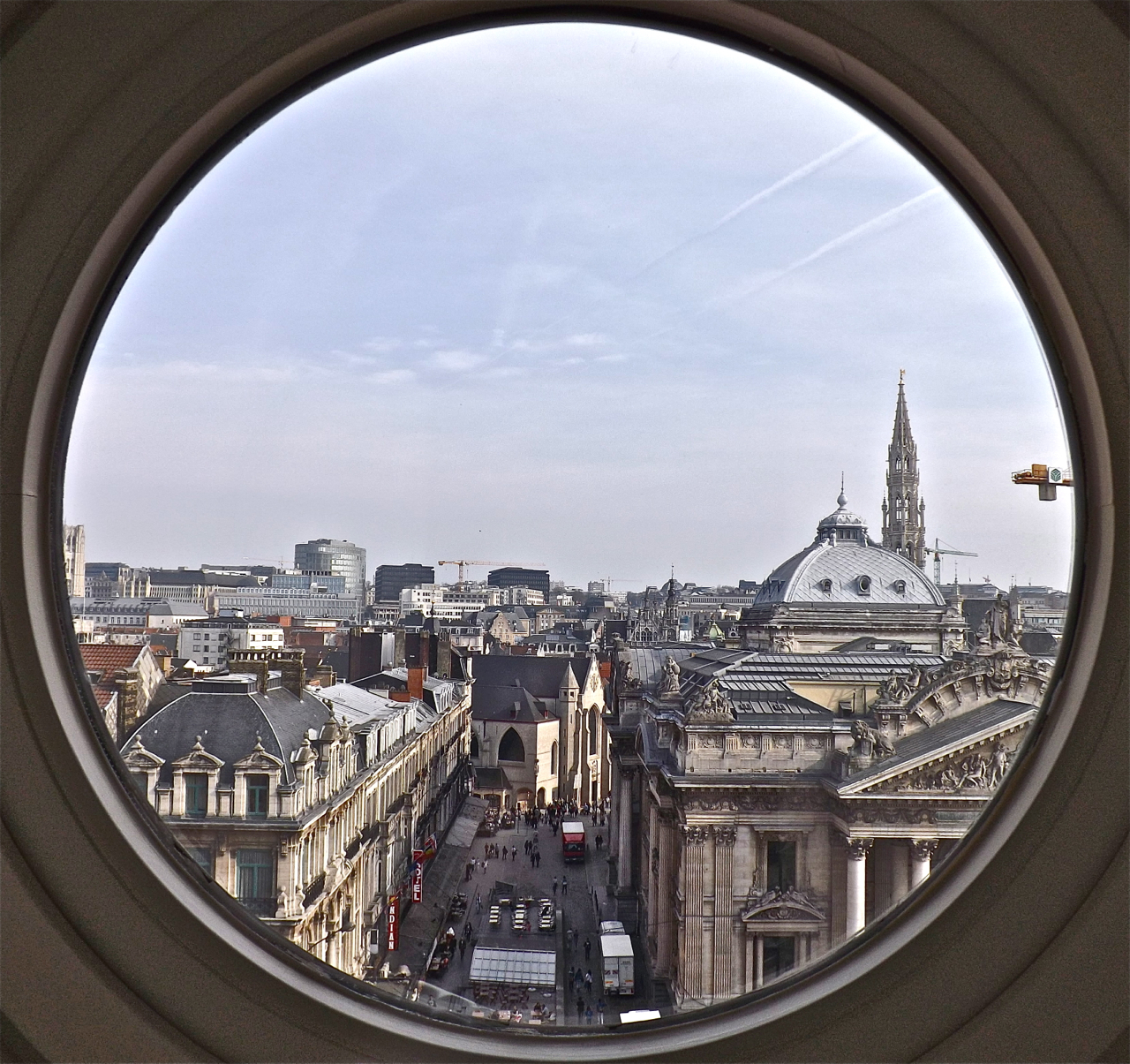
Sixth floor, Brussels Marriott.
Wordless Wednesday: Brussels view
Sixth floor, Brussels Marriott.
Sixth floor, Brussels Marriott.
We spent one of the last days of March in Paris — just walking around and occasionally stopping for tiny $4 coffees.
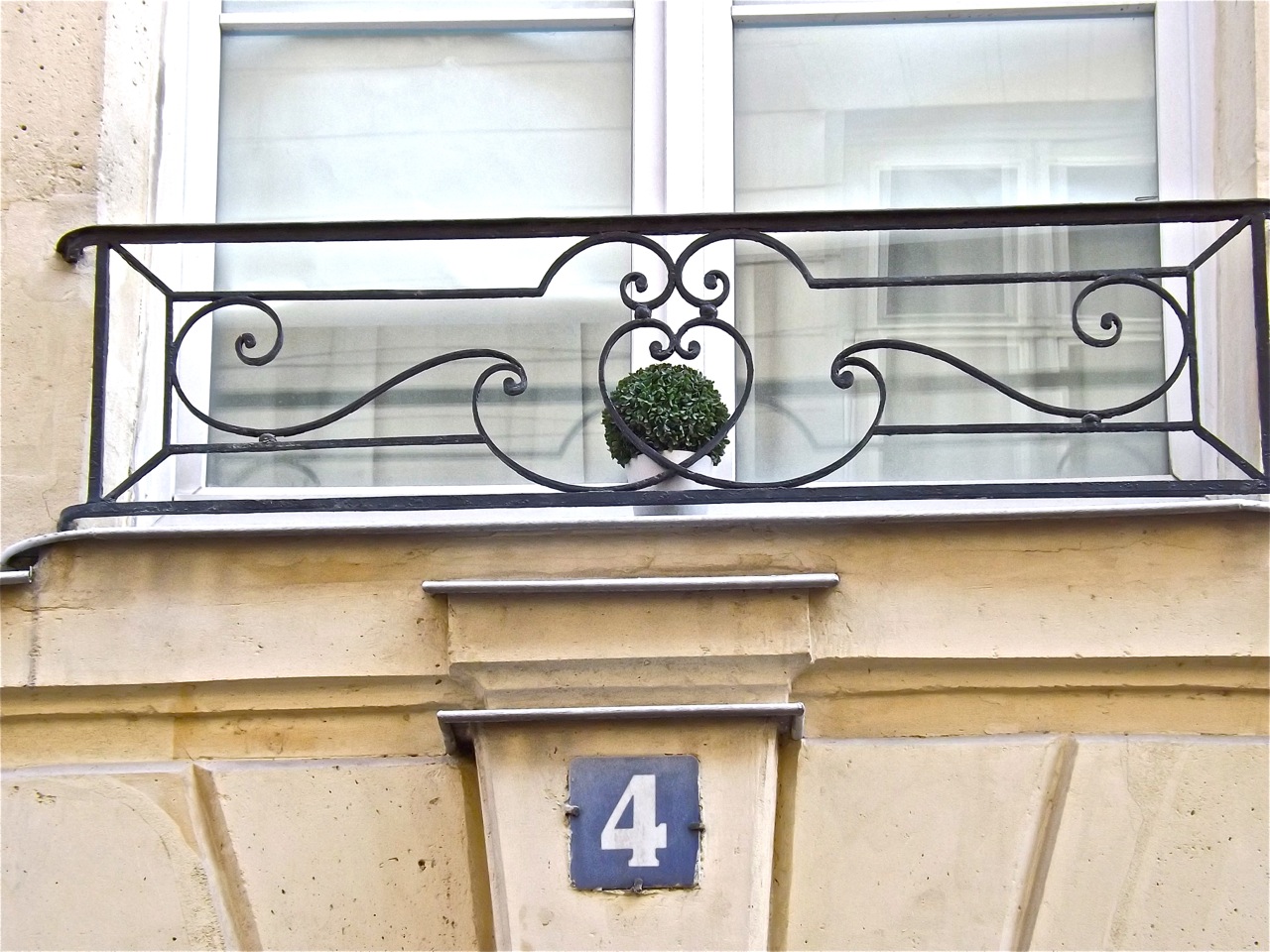
We spotted this tres discret window decoration in the chic Saint Germain des Pres neighborhood.
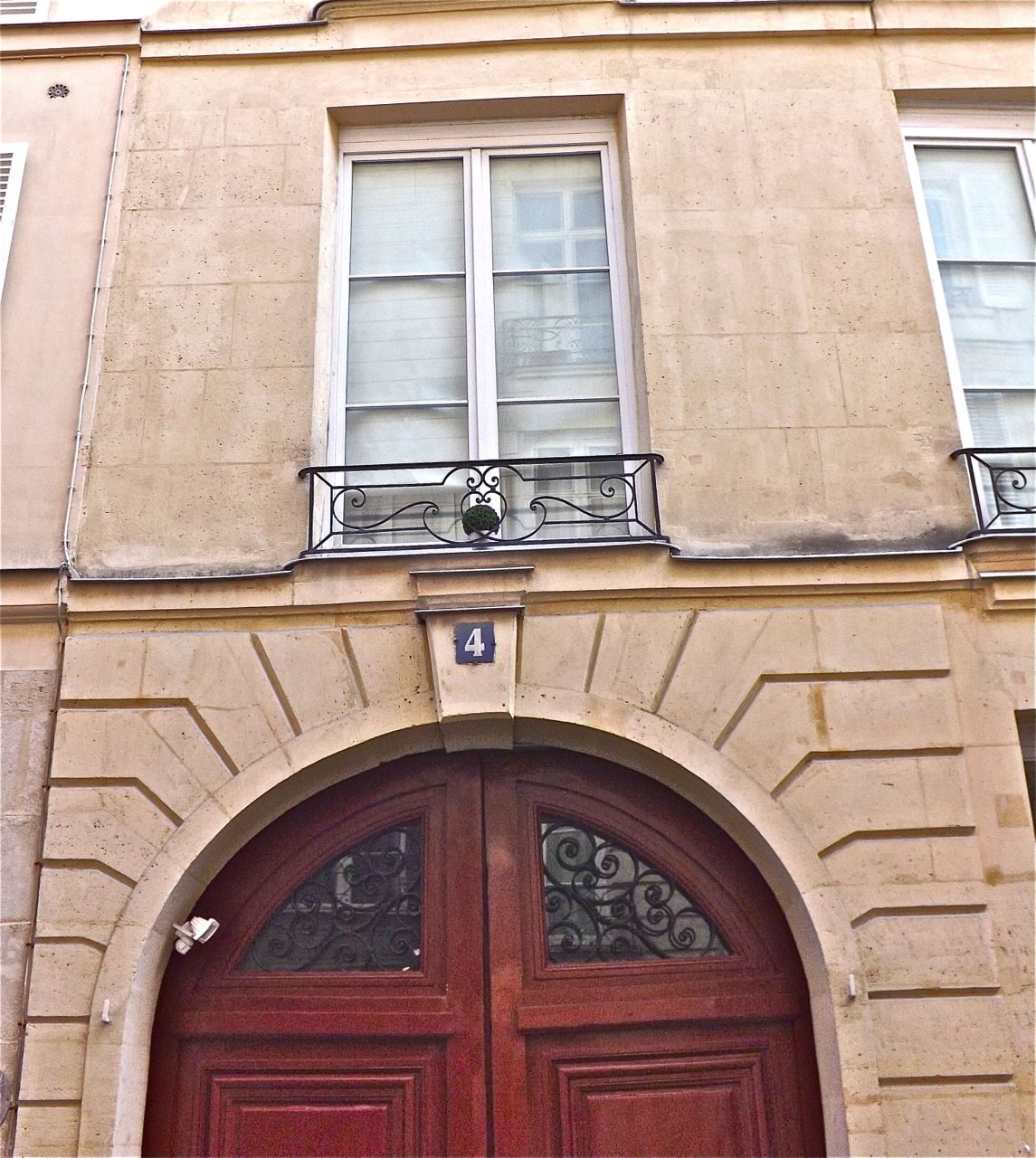
The little topiary pots were in several windows across the building.
This pleated bag, below, in the window of Pleats Please Issey Miyake made me think of this previous Wordless Wednesday.

We crossed over to the right bank, and I saw this graffiti alongside the Louvre.

‘Regarde le ciel’ (look at the sky) is a rather common sight in Paris, as I learned from a Google search. I could not find the origin of this street art, but I thought it might refer to a song by Cortezia, which excoriates airplanes. (Apparently, Cortezia does not tour far from home.)
However, there seems to be a Romanian connection, as another common version of the graffiti is ‘priveste cerul,’ (look at the sky in Romanian).
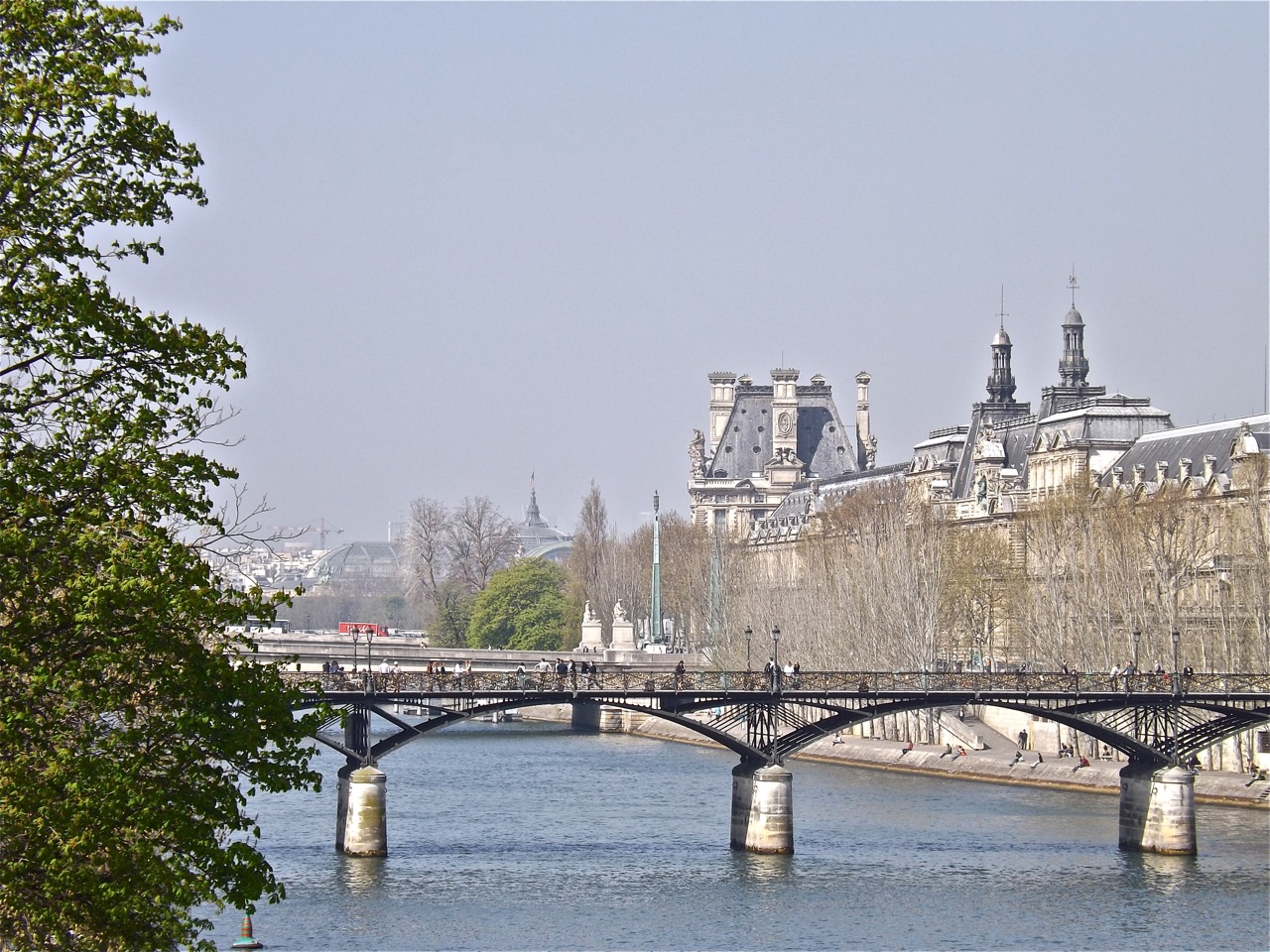
At any rate, the sky was just about perfect, as you can see from this photo of the Passerelle des Arts. If you click and enlarge it, you can see how the bridge glitters from hundreds of padlocks or ‘lovelocks’ (we also saw the beginning of this fad on a pedestrian bridge in Lyon).

Since this was Paris, I probably should throw in a restaurant recommendation. We ate dinner that night at the wonderful Café Constant, which is owned by “Top Chef” jury member Christian Constant. Located at 135, rue Saint Dominique, in the neighborhood near the Eiffel Tower, it is the first in a row of three restaurants owned by Constant, each a little more expensive (we were in the least expensive and most casual). The café doesn’t take reservations, so go early for lunch or dinner.
*a look around
I love these two pictures of a well-cared-for antebellum mansion in 1939 Alabama with a tall grass lawn — early no-mow or at least seldom-mow.
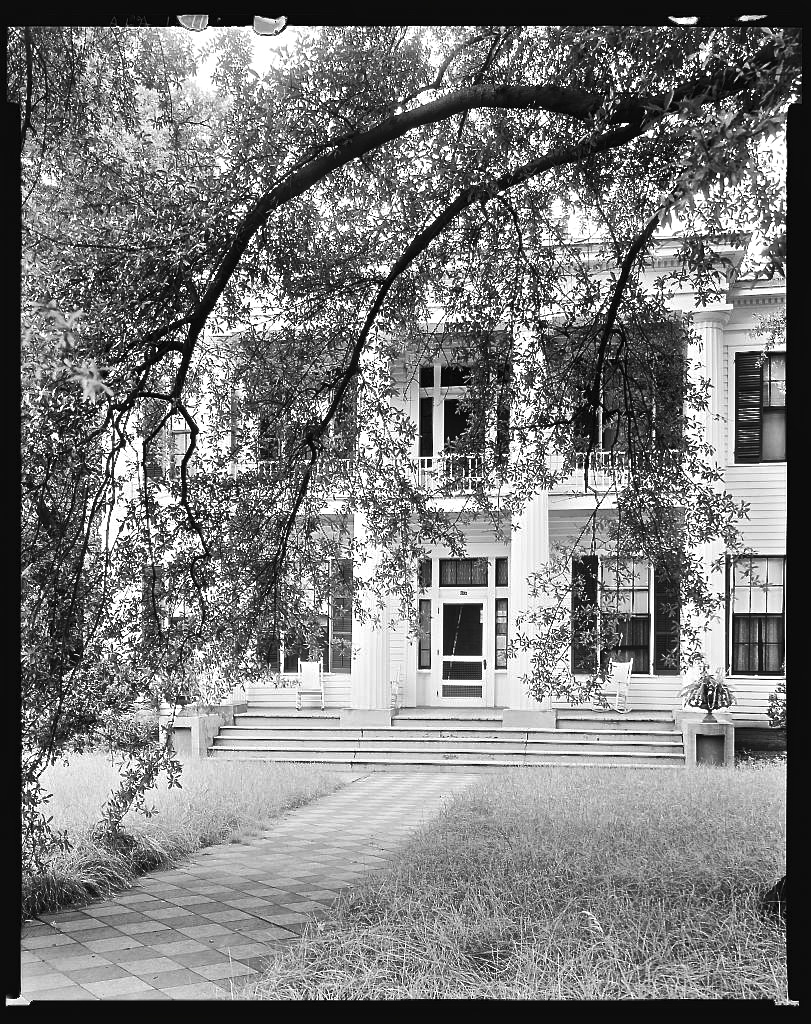 Above and below is the W.P. Welch Mansion in Selma, Alabama. It was built in 1858.
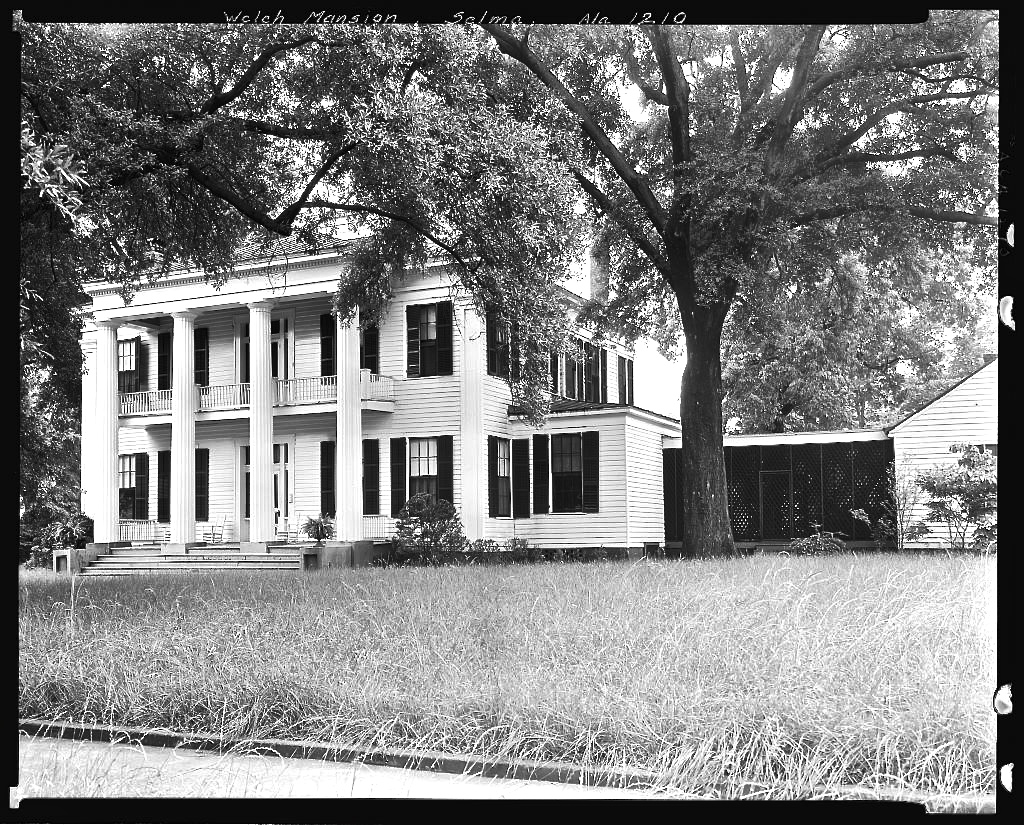
Years ago, we had neighbors who tore down their house and built another on the same spot, in the style of a Victorian farmhouse. While the contractors were finishing the interior, the small bare front yard was covered with straw. Tall grass soon grew up through it, and the effect was something like the above. It was beautiful — remnants of beige straw, wavy green grass, and one old peegee hydrangea limbed up into a small tree.
Of course, as soon as they could, they tilled it up and put down sod and foundation shrubs. I always thought it was too bad. Before, it had actually evoked some real ideas and emotion about real farms.
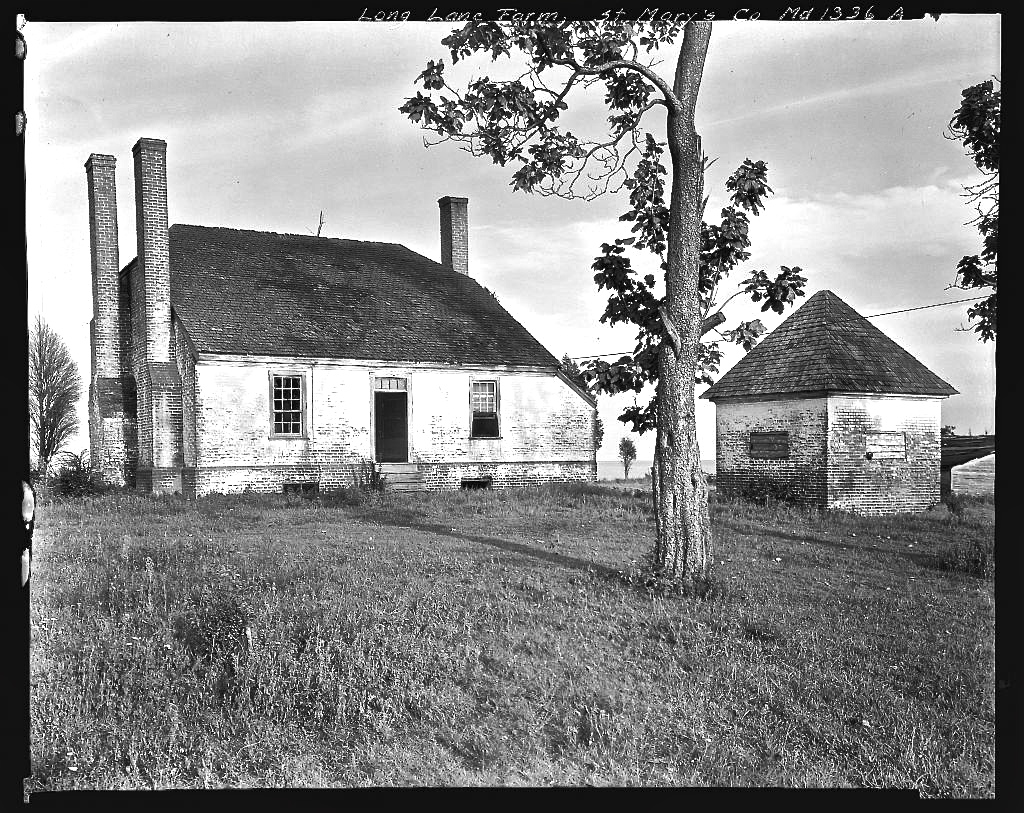 Long Lane Farm (above), St. Mary’s County, Maryland.
A lot of the houses I’ve looked at in the Carnegie Survey of the South collection are decrepit or abandoned. They have “lawns” of tall grass, weeds, and a some remaining flowers. But they are beautiful resting in their wavy, ragged negative space. Their foundations aren’t obscured by shrubs; their porches float.
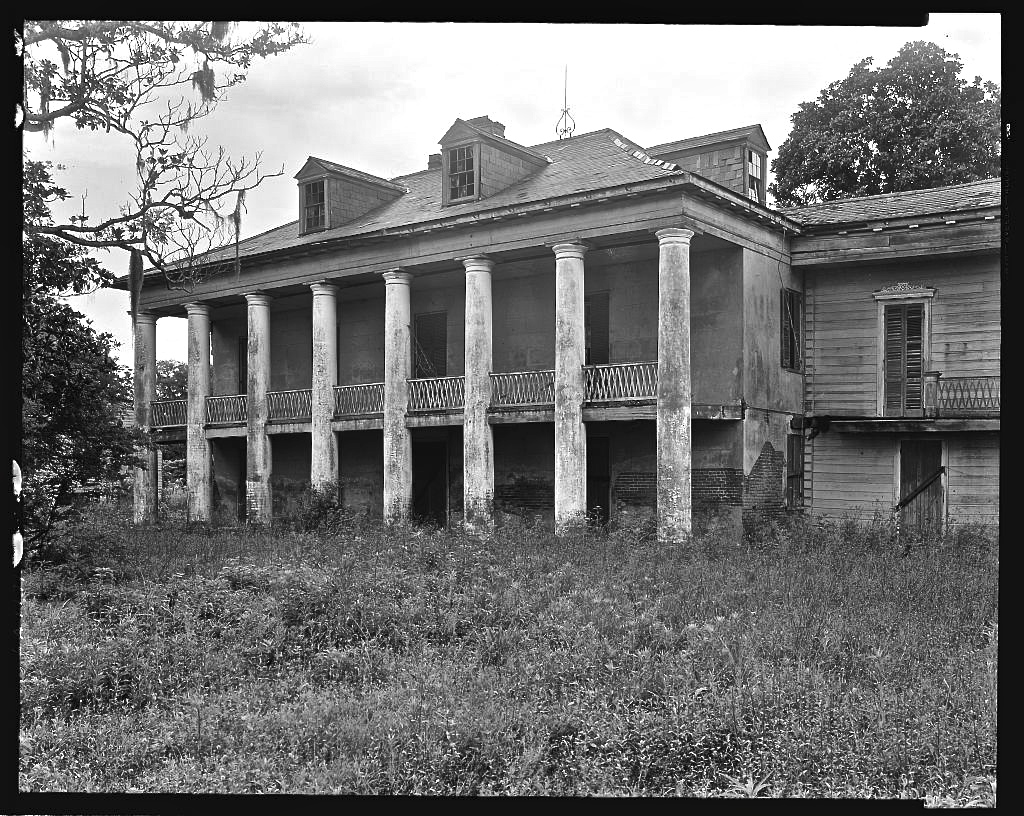 Beauregard House (above), Chalmette, Louisiana.
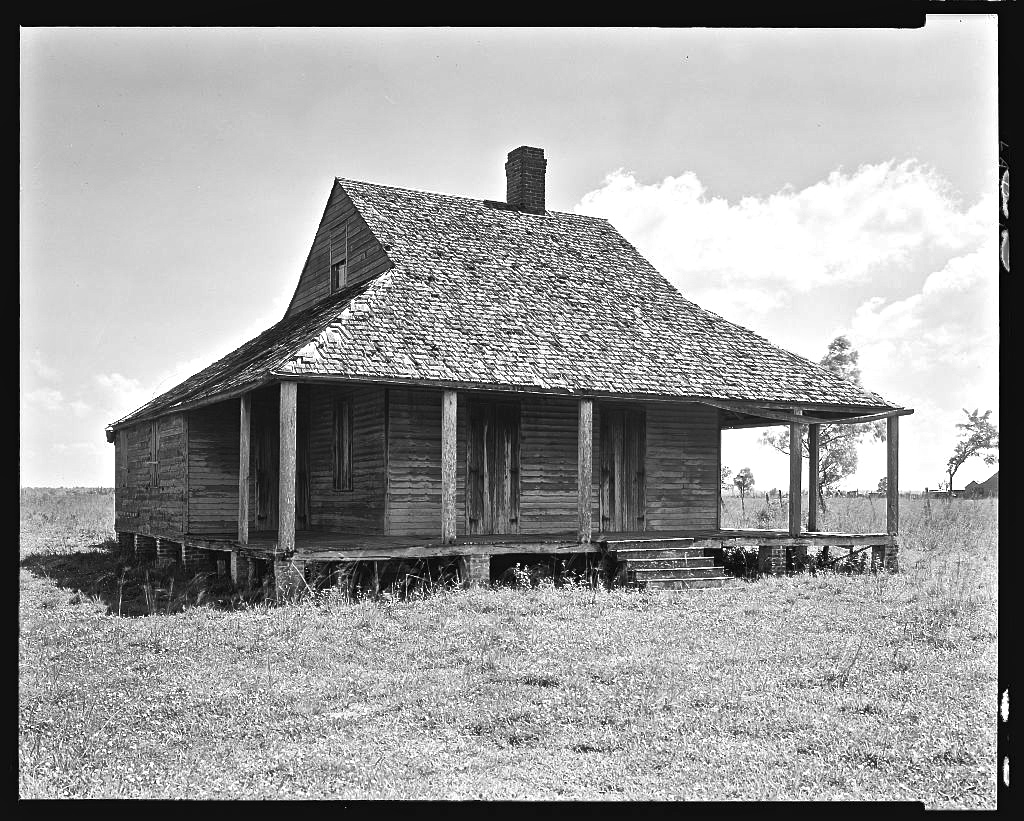 Cabin (above), St. John the Baptist Parish, Louisiana.
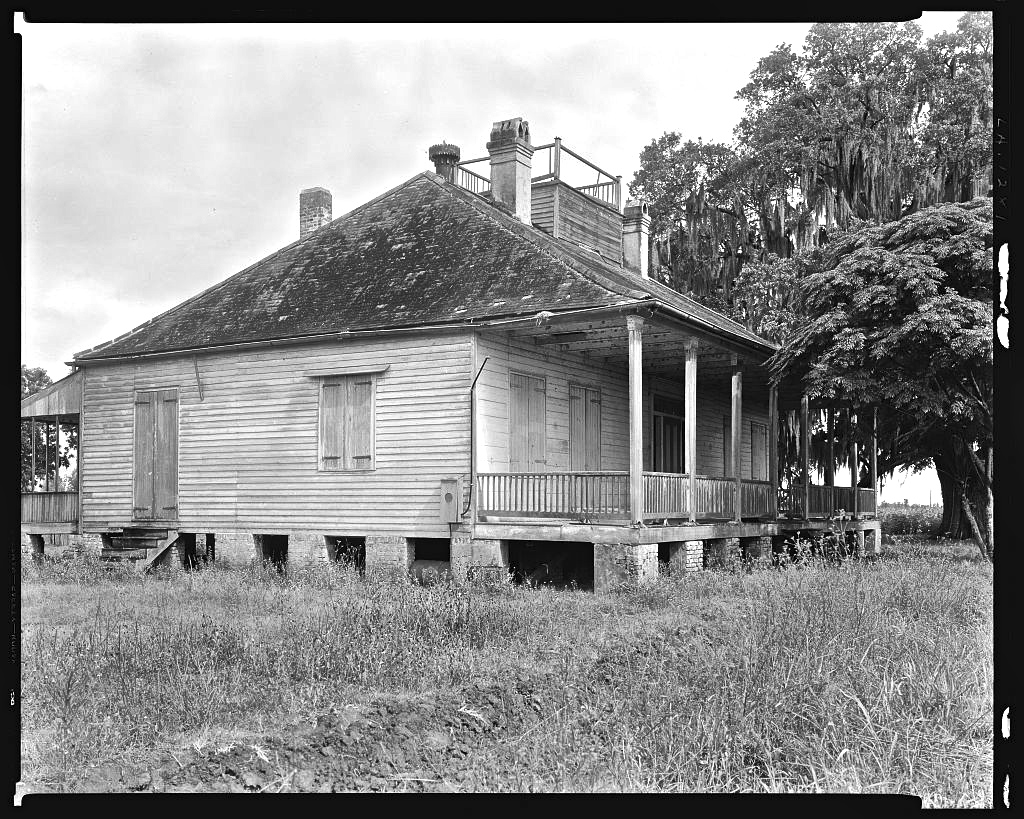 (above) Moccasin, Louisiana.
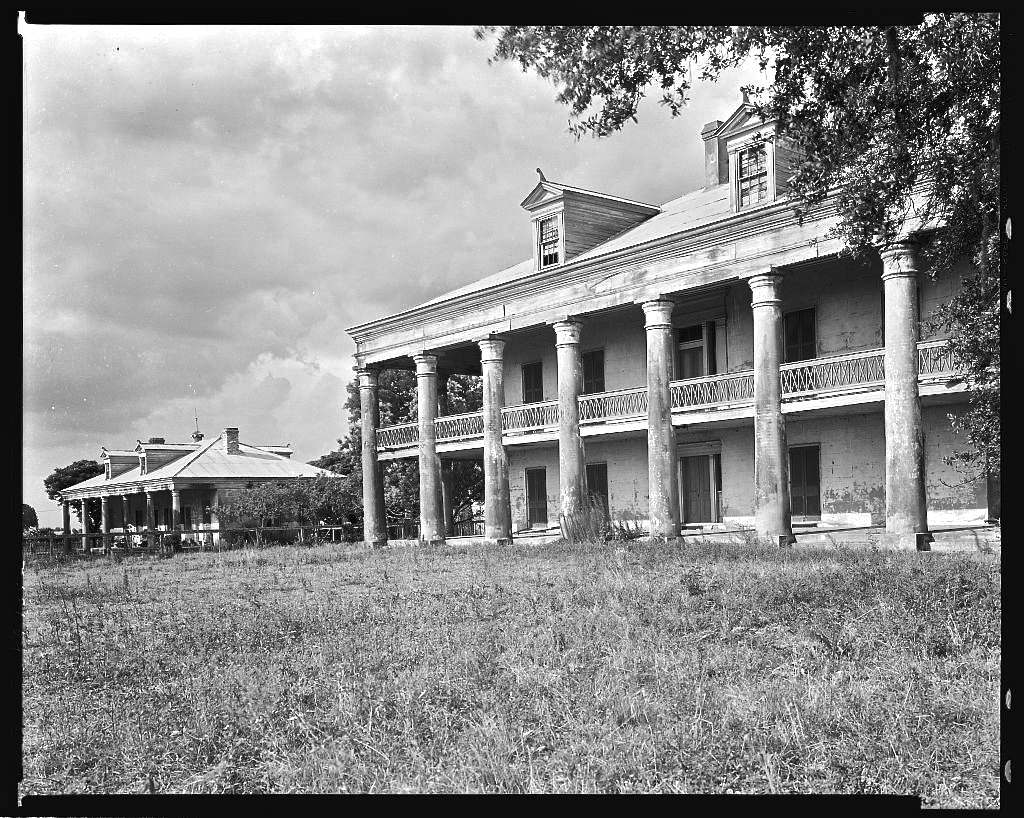 Uncle Sam Plantation (above), St. James Parish, Louisiana.
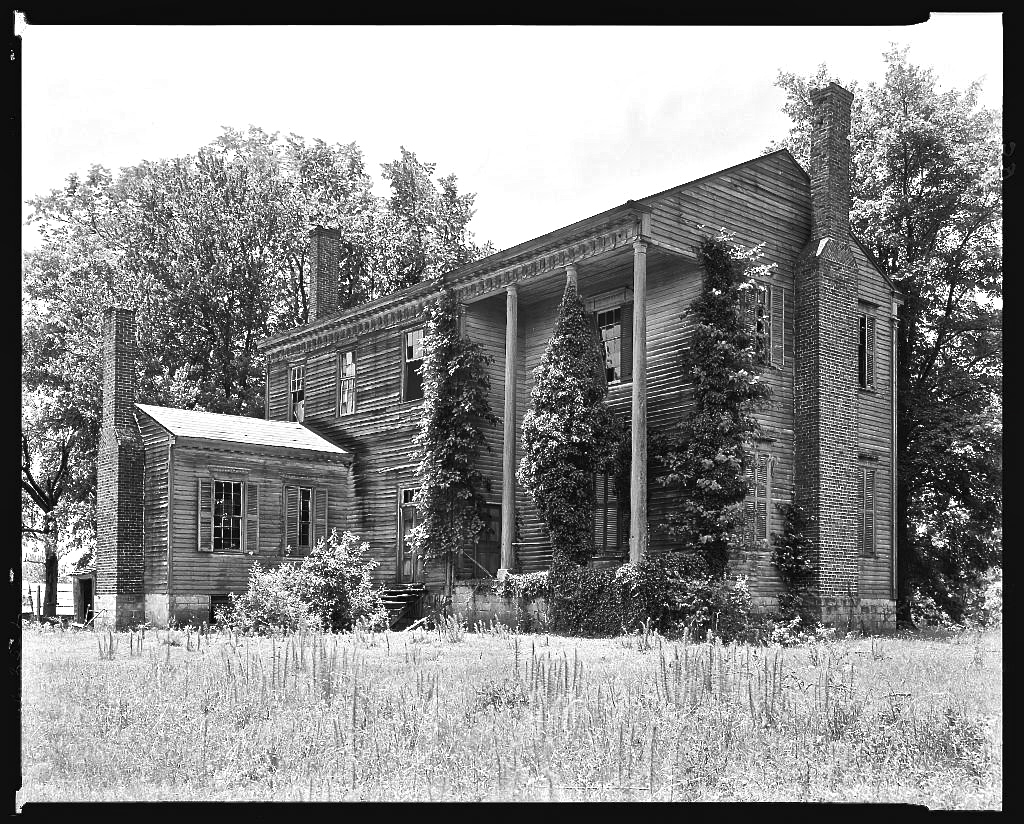 Prospect Hill (above), Airlie, North Carolina.
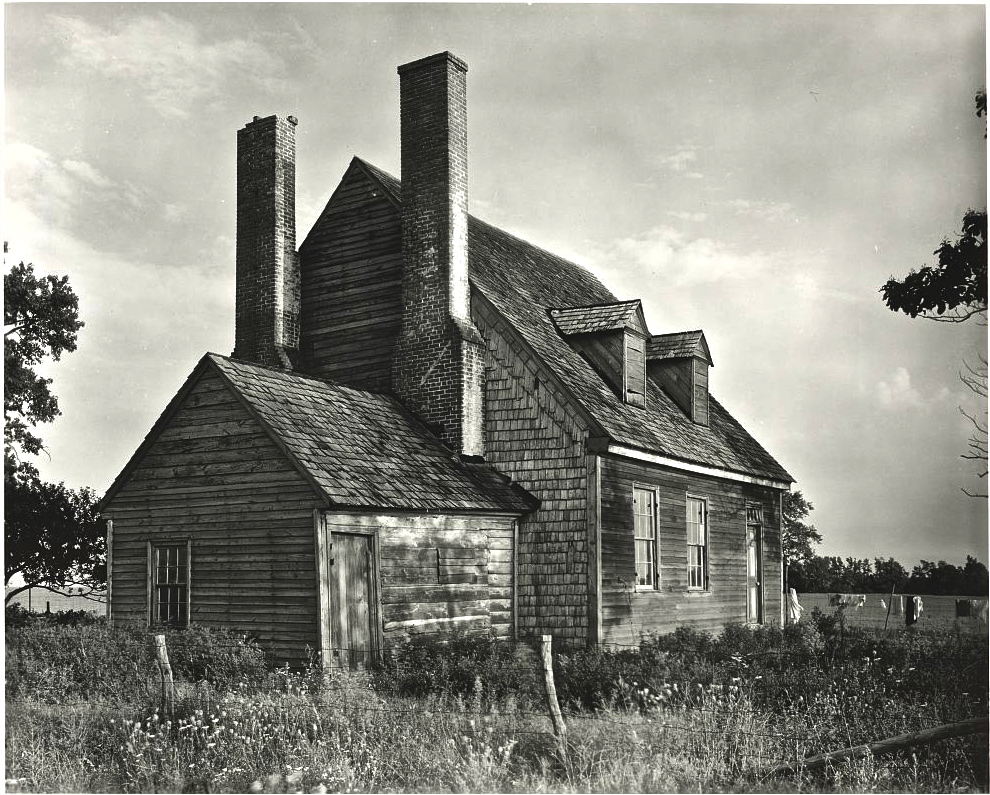 Driscoll Farm (above), St. Mary’s County, Maryland.
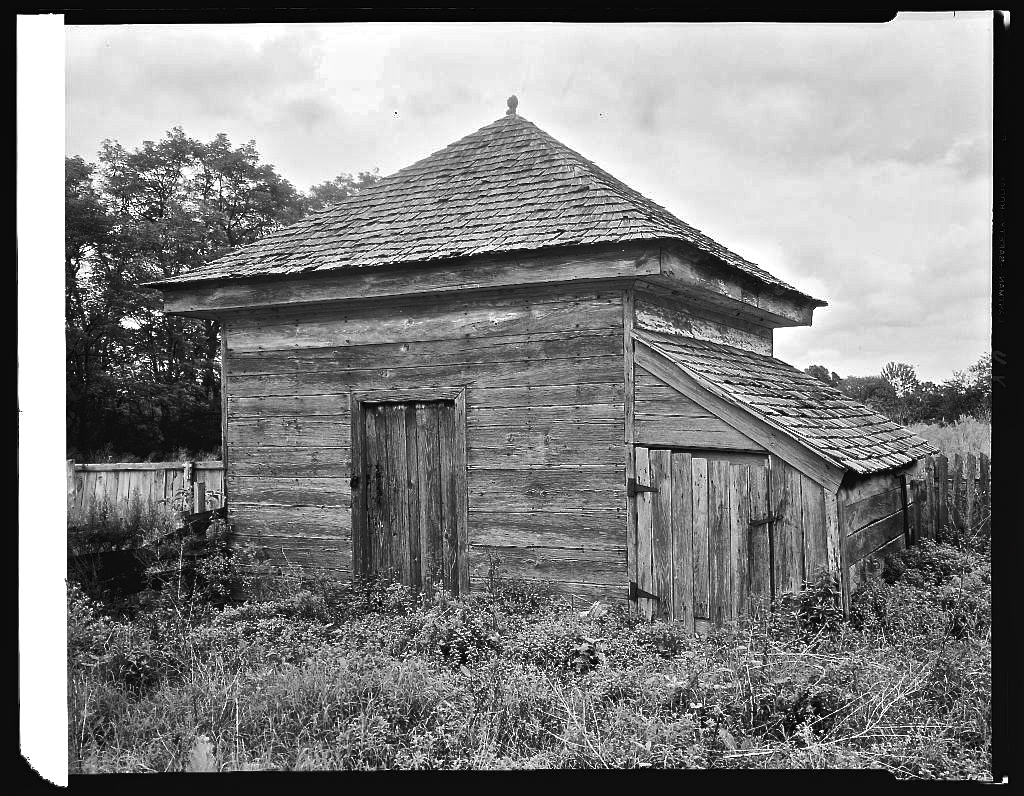 Greenway, aka Marlee (above), Charles City County, Virginia.
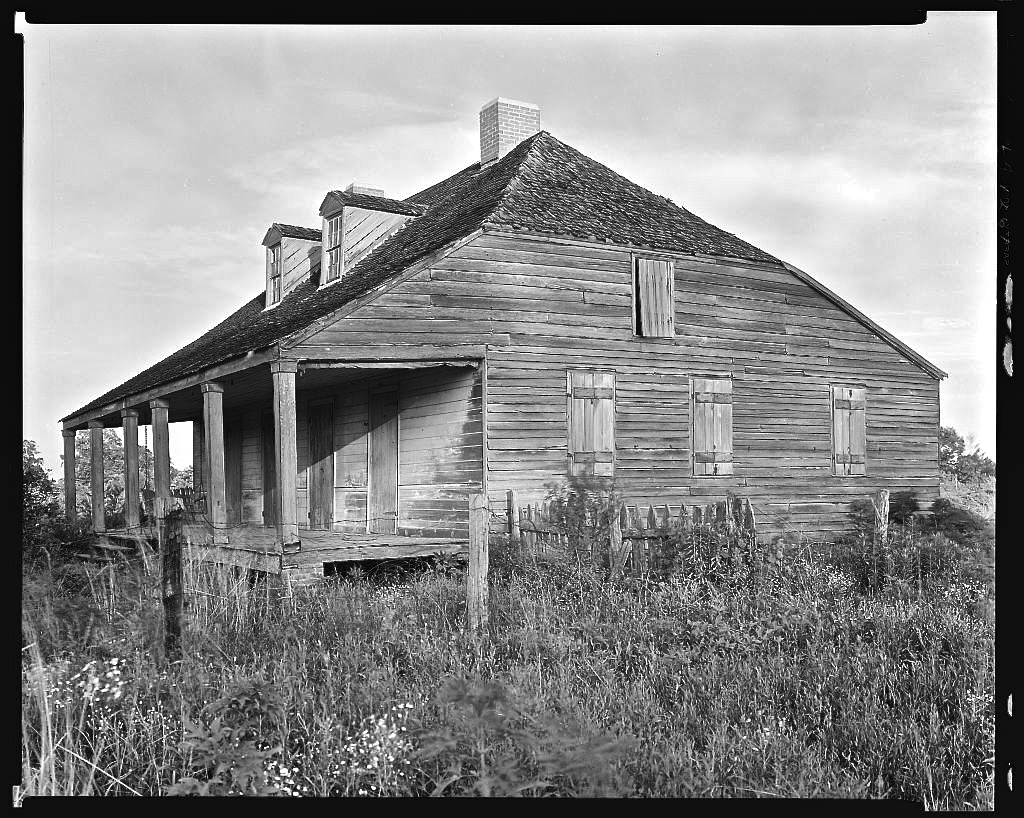 (above) New Roads, Louisiana.
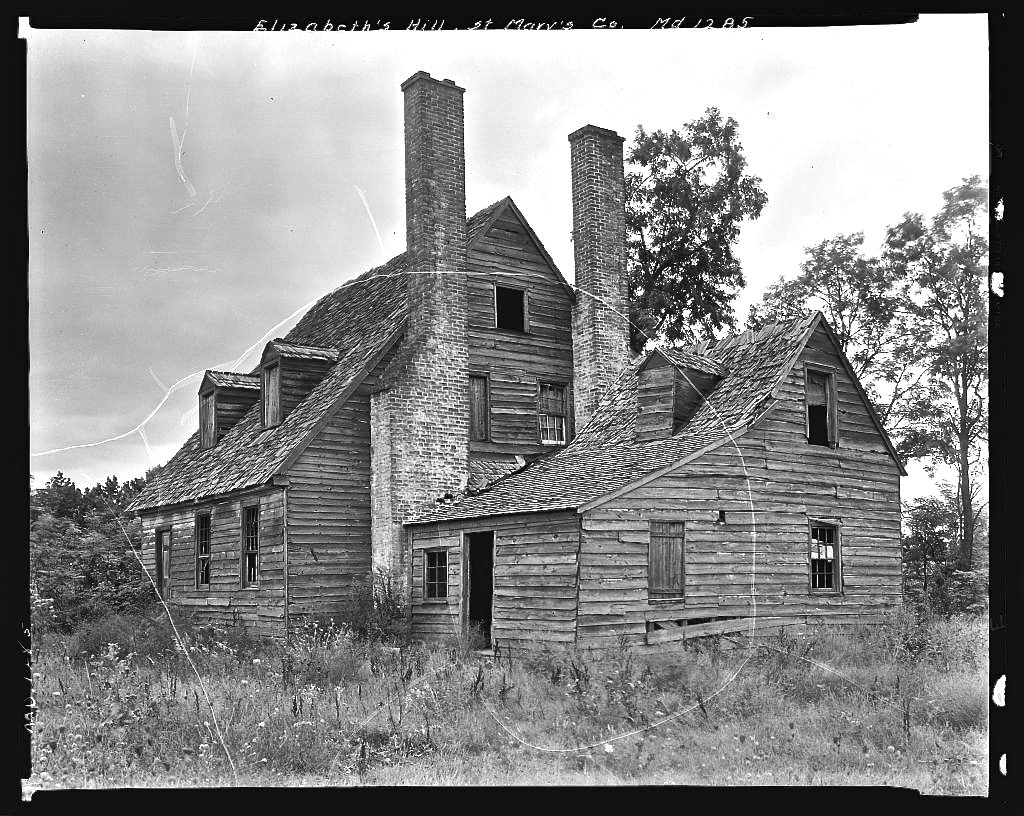 Elizabeth Hill (above), St. Mary’s County, Maryland.
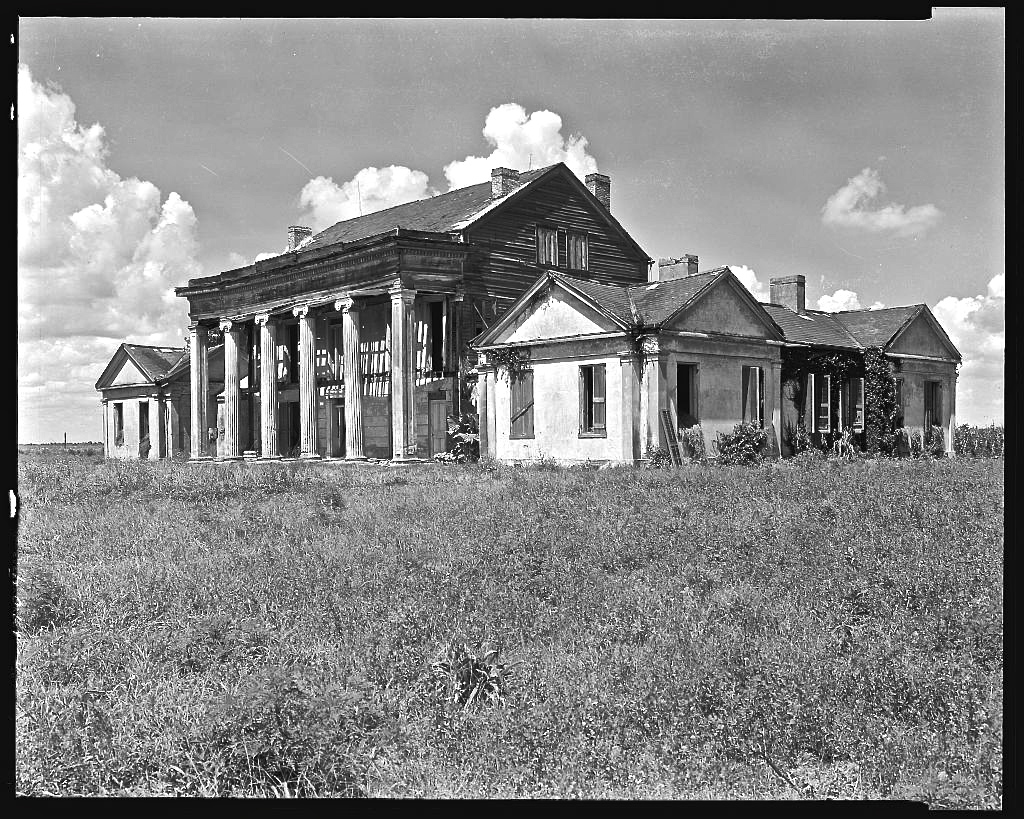 Woodlawn Plantation (above), Napoleonville, Louisiana.
All photos by Frances Benjamin Johnston, taken in the late 1930s for the Carnegie Survey of the South, via Library of Congress Prints and Photographs Division.
Here are three interesting and rather ornamental examples of 19th century tanks that captured rainwater runoff from house rooftops — all in Louisiana. All photos by Frances Benjamin Johnston via the Carnegie Survey of the South, Library of Congress Prints and Photographs Division.
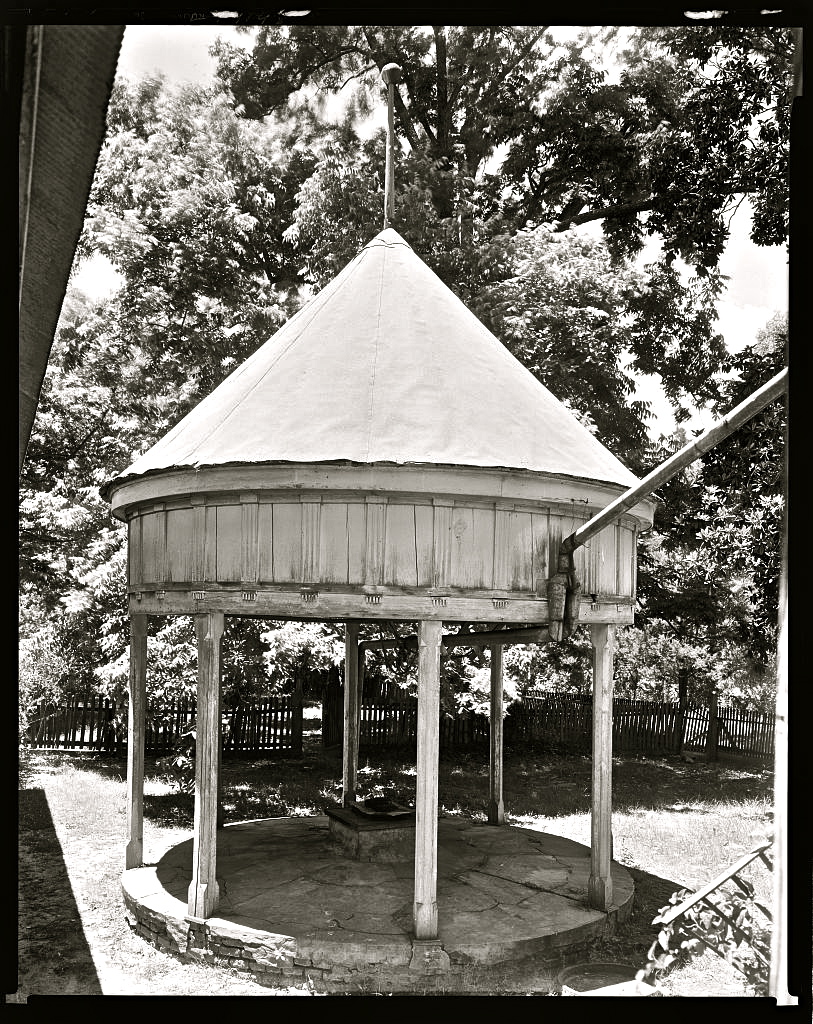
Braeme House, Clinton, Louisiana, 1938; structure built 1834.
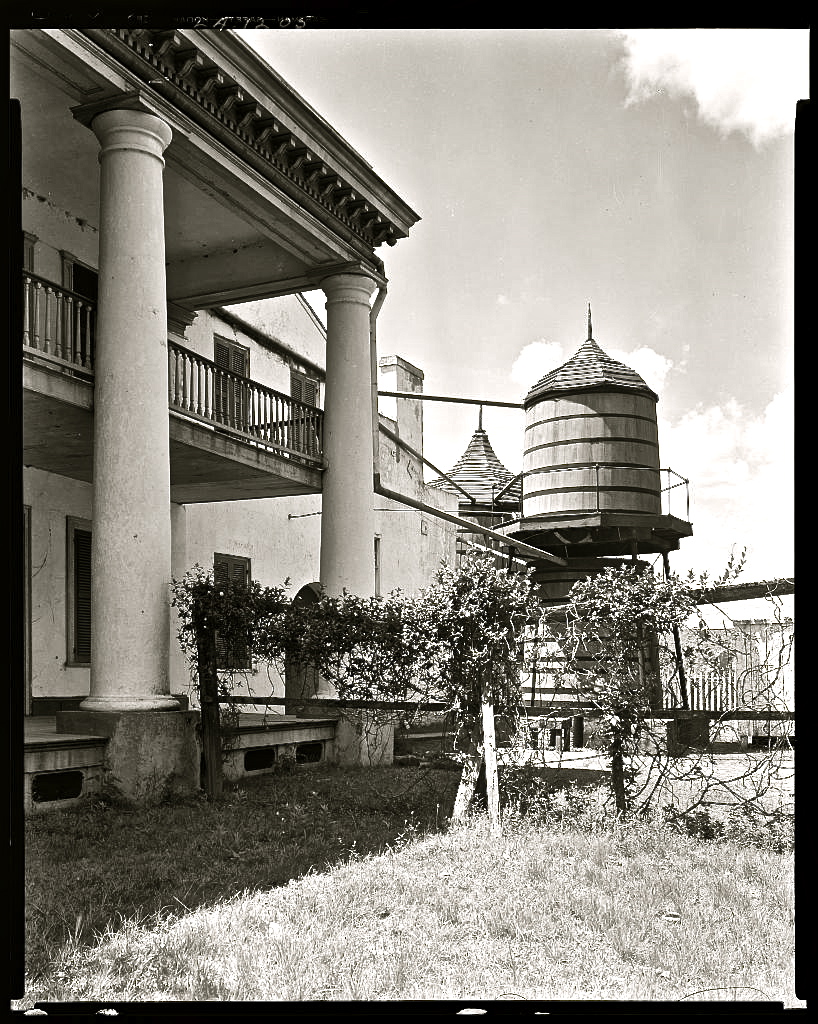
Burnside Plantation, Ascension Parish, Louisiana, 1938; built 1840.

San Francisco, St. John’s Parish, Louisiana, 1938; built 1849-1850 in the Steamboat Gothic Style. The tanks are at the sides of the house.
According to the authors of Louisiana Buildings: 1720-1940, “it was the custom in French Louisiana to have separate housing for the young men of the family as they grew older. Always within the house grounds and sometimes actually connected to the house, a garçonnière was a way of adding living space without the inconvenience or necessity of modifying the original plan.”

This garçonnière at Burnside Plantation, Ascension Parish, Louisiana, was built about 1840. (All photos by Frances Benjamin Johnston via the Carnegie Survey of the South, Library of Congress Prints and Photographs Division; all taken in the 1930s.)
Other often pretty outbuildings in the south included pigeonnieres or dovecotes. “Domestic pigeons had value not only as ornamental birds and a delicacy, but as a source of fertilizer.”
 Shirley Plantation, Charles City County, Virginia.
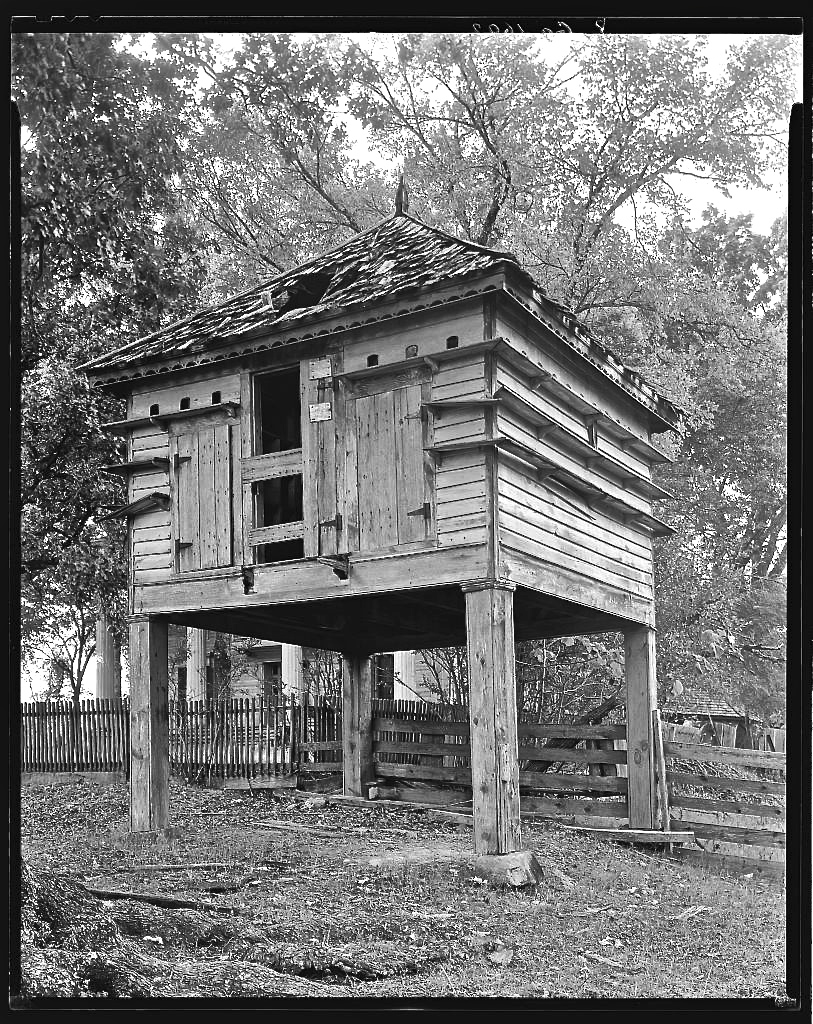 Hill Plantation, Wilkes County, Georgia.
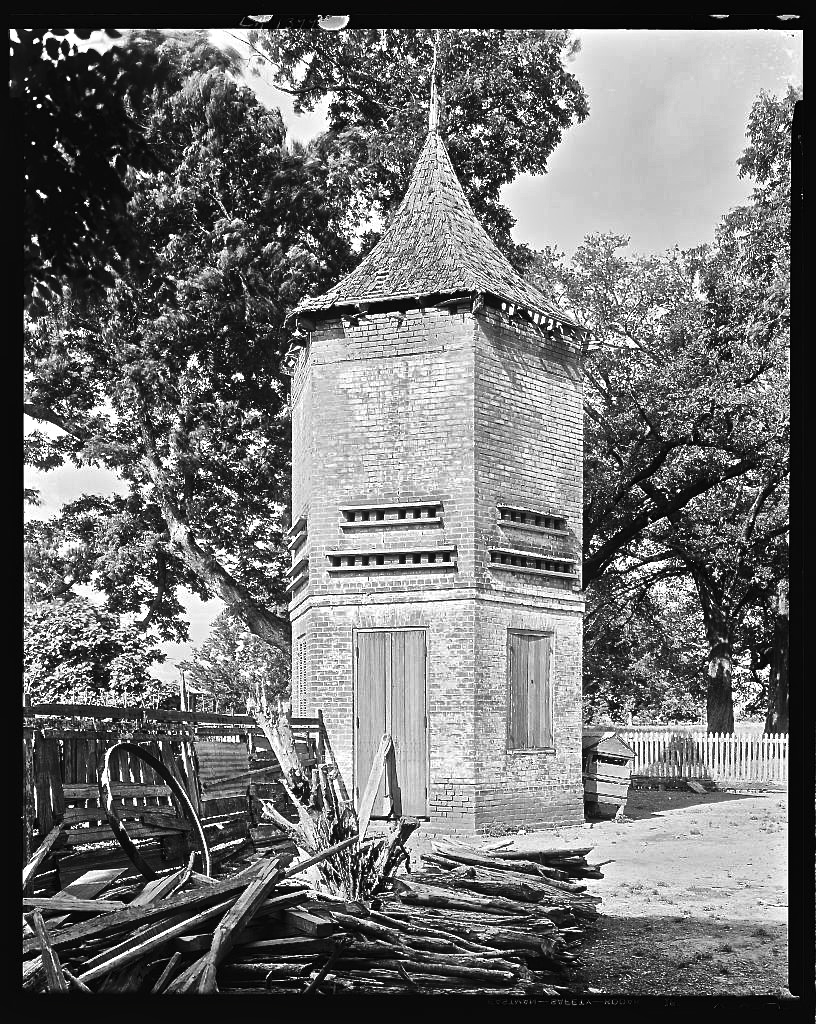 Uncle Sam Plantation, St. James Parish, Louisiana; built 1836.
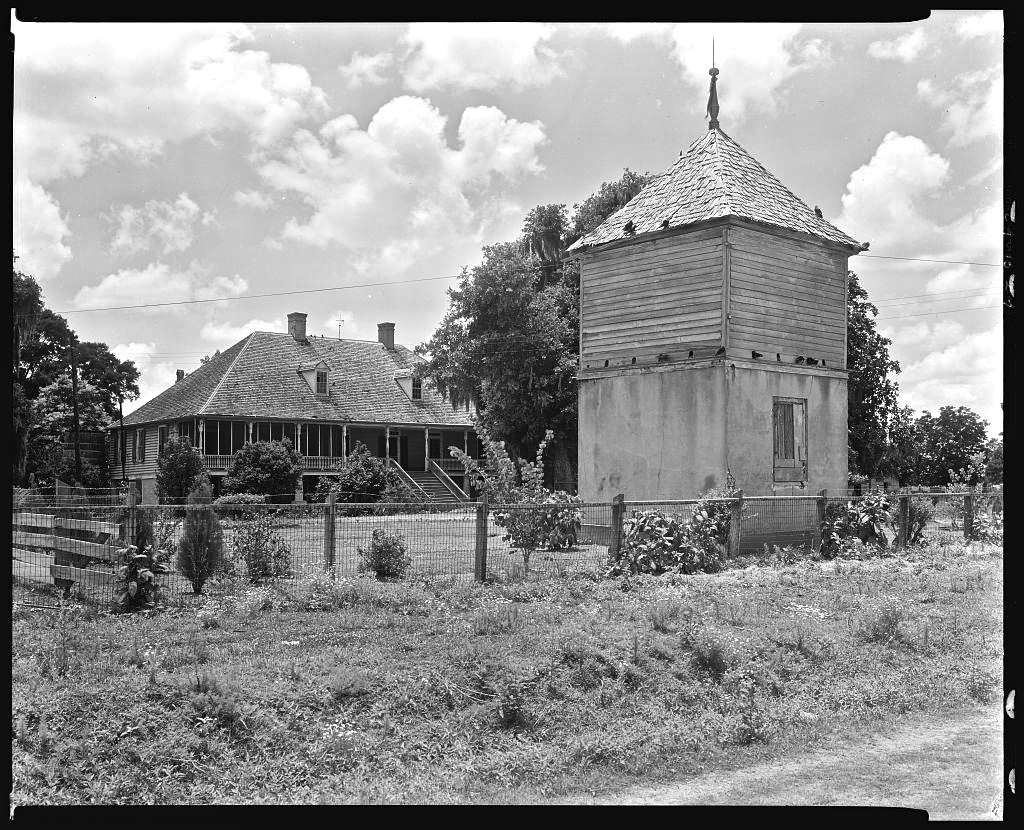 Riverlake Plantation, Point Coupee Parish, Louisiana.
Finally, no pre-twentieth century house could be without one of these little buildings:
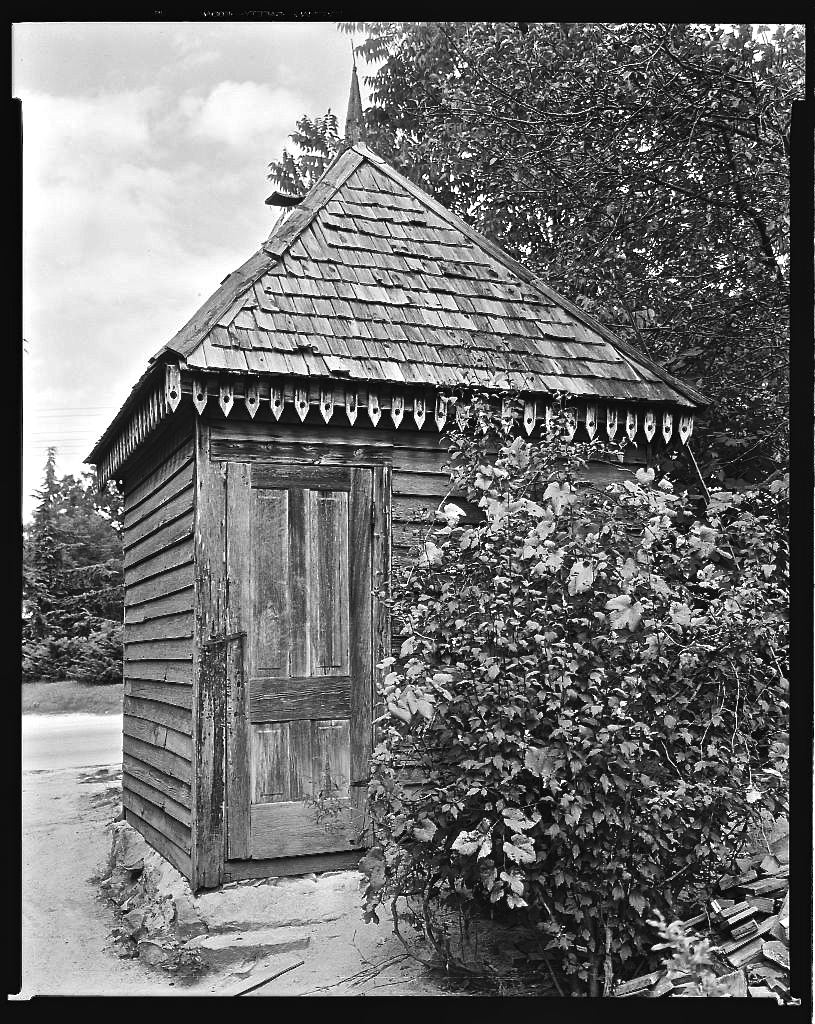 Privy, Great Chimney House, Lexington, Georgia.
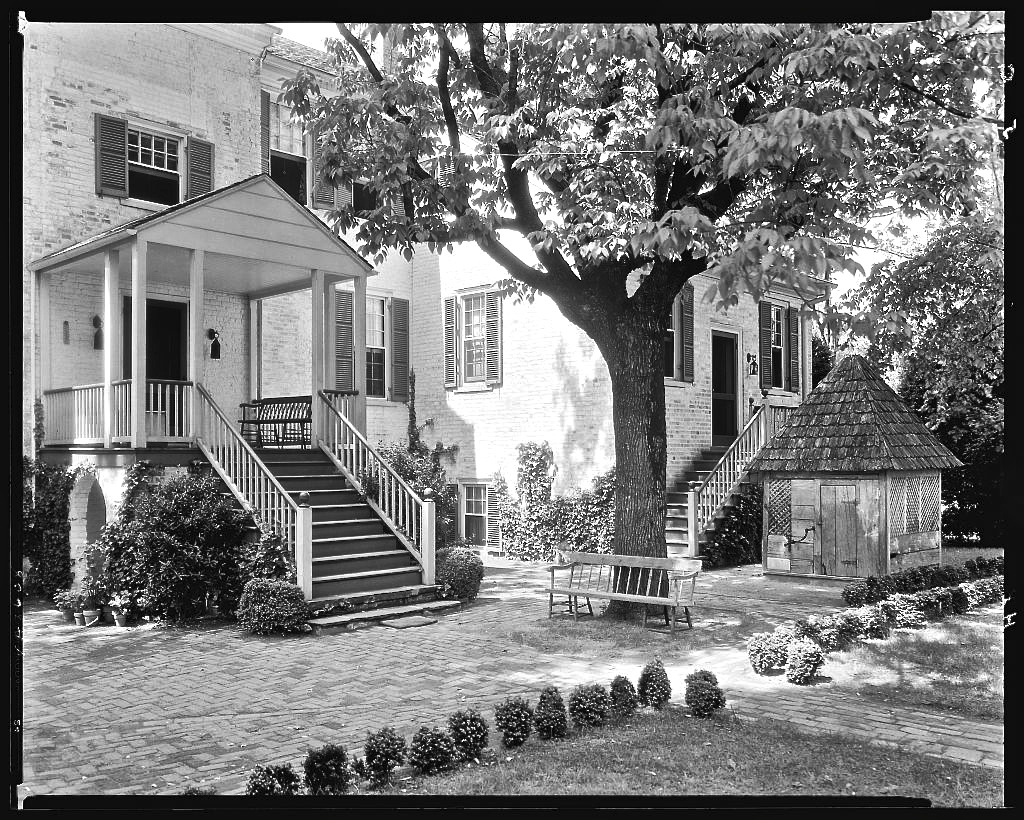 Privy, Reveille House, Richmond, Virginia.
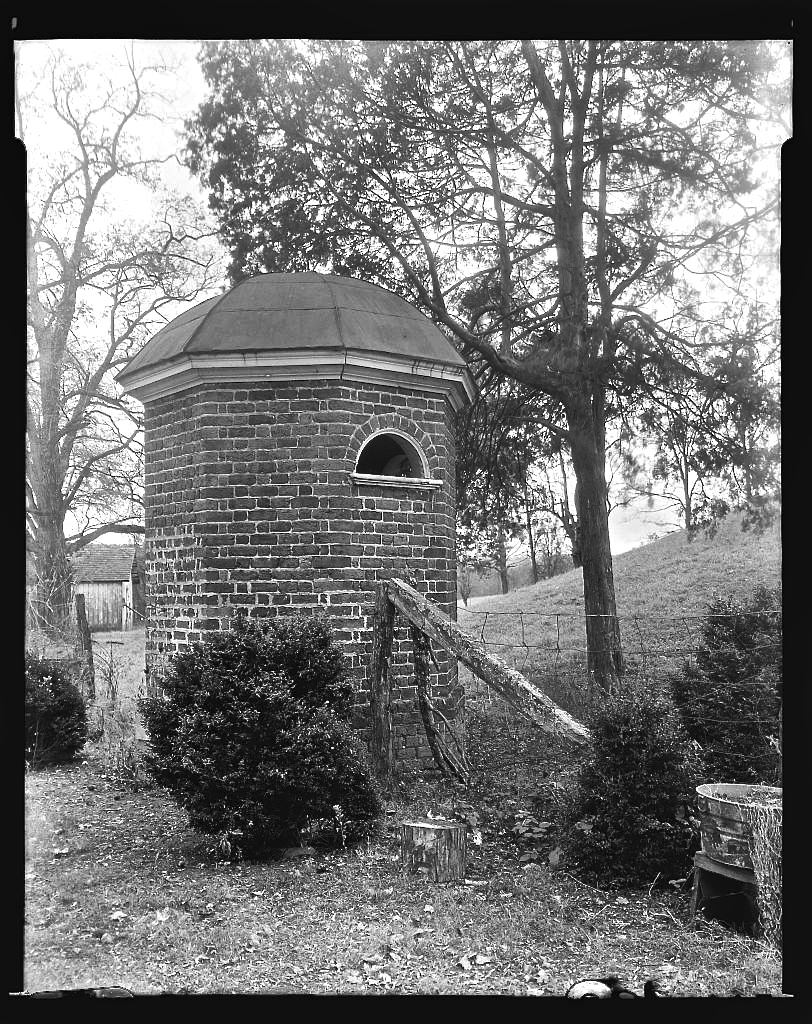 Privy, Poplar Forest, Lynchburg, Virginia.

