Vintage landscape: the benches

“Roominghouse district, Washington,” a Kodachrome slide by Charles W. Cushman, mid-September 1940.*

In the two years leading up to the U.S. entering World War II, the population of Washington, D.C., went from 621,000 to over 1,000,000, according to journalist David Brinkley.

Most of the new arrivals were women, many of whom were hired “before they had even found a place to leave their bags.”  Thousands of townhouses were turned into roominghouses and several women shared each room.  (According to one of them, Enid Bubley,  it was “social suicide” to violate the morning schedule of eight minutes each in the bathroom.)

By 1941, Malcolm Cowley described the city this way:  “Washington in wartime is a combination of Moscow (for overcrowding), Paris (for its trees), Wichita (for its way of thinking), Nome (in the gold-rush days) and Hell (for its livability).”

So the two or three benches placed in each little yard above are significant. They were undoubtedly places of real reprieve from the crowded conditions inside the houses and the chaos of the city.

These gardens still have their wrought iron fences.  During the war, the metal was much needed, and many D.C. residents gave up their black railings for wooden pickets.

The photographer, Charles Cushman, was a talented amateur who traveled across the U.S. and other countries and took more than 14,500 Kodachrome slides from 1938 to 1969.  He bequeathed his images to Indiana University, his alma mater.


*Used with the permission of  the Charles W. Cushman Photograph Collection of the Indiana University Archives.  Please do not “pin” or re-blog without contacting them here.
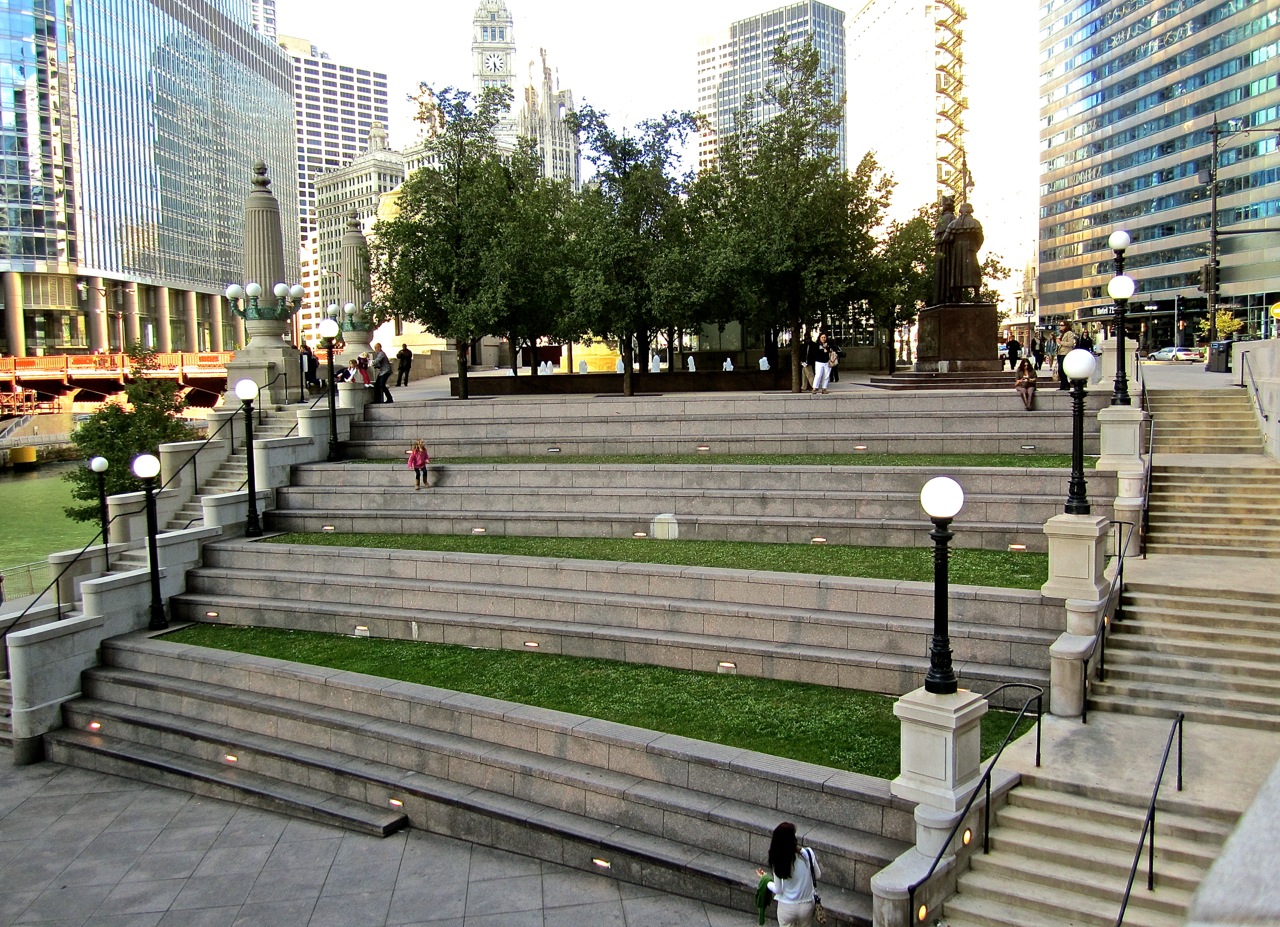
A study in steps (and more) in Chicago

In September, we spent a weekend in Chicago.  These steps are located in its downtown, along the south side of the Chicago River.  Each rise is about 18.”

It was near here that I tripped on a single step off the sidewalk. My poor little camera took most of the force, but  happily still works.

Remember — all landscape design students say it with me — “a single step is a tripping hazard.” (I’ve personally proved it many times.)

The Chicago River, with its Riverwalk,  is the best landscape in the city.  I think the skyscrapers are thrilling.

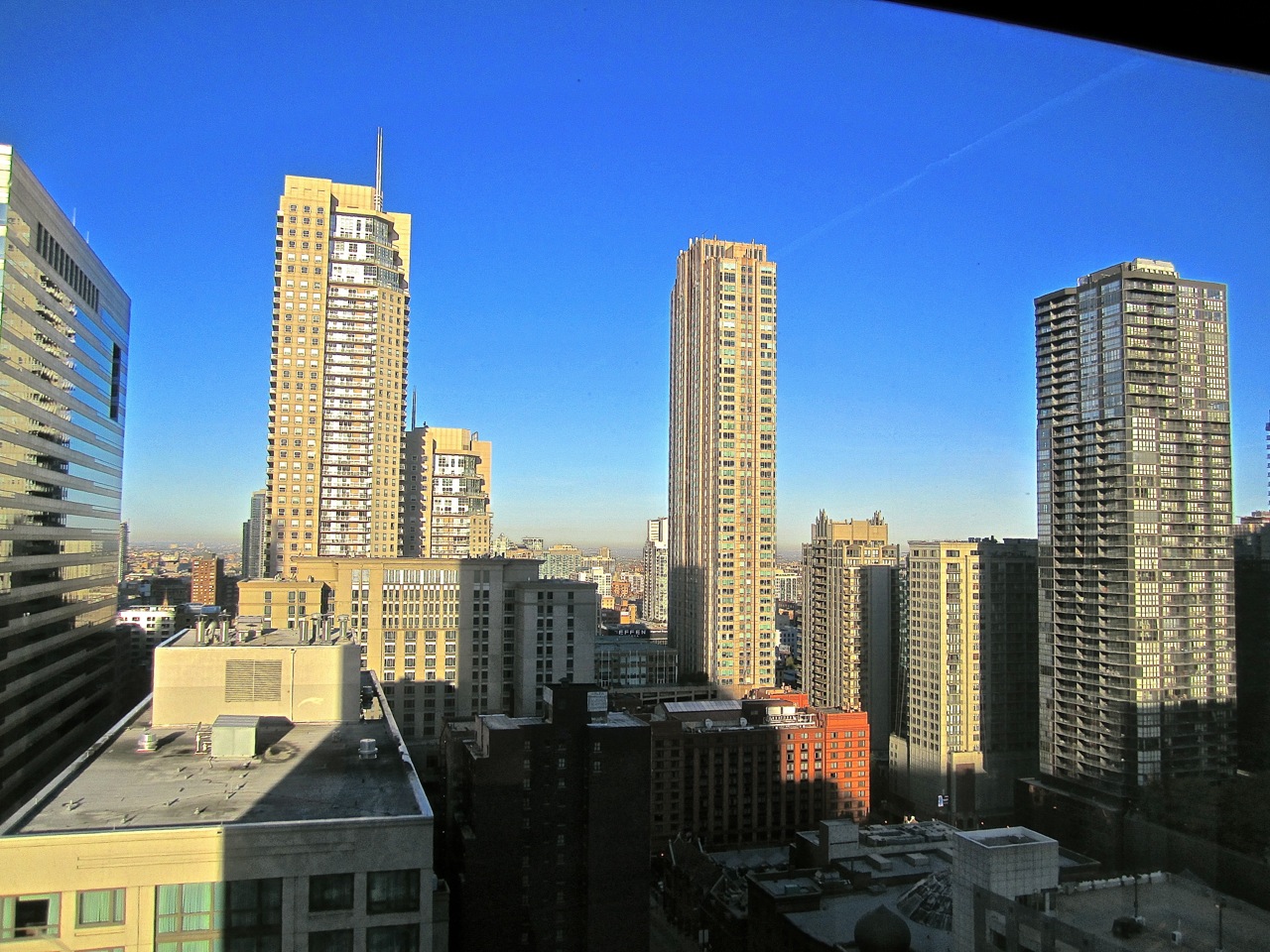
Below was the view from our hotel room.  A little dizzying.

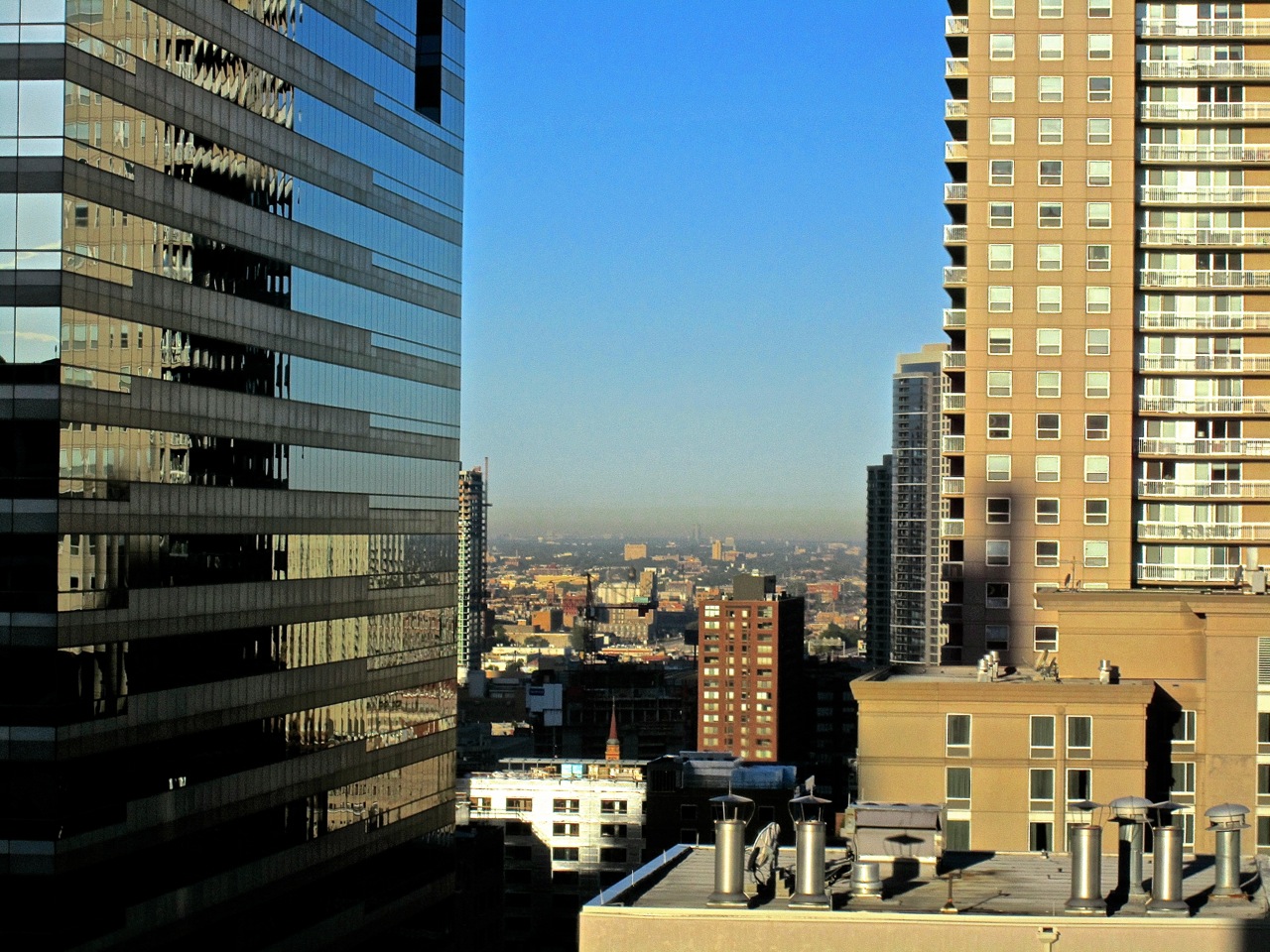
I thought I could see back to Madison, Wisconsin, our previous destination.

After a skyscraper walking tour by the Architecture Foundation, I spent an afternoon at the Art Institute of Chicago and Millennium Park on South Michigan Avenue.

I loved these cabbages in the huge planters in front of the Art Institute. I’m so happy to see ornamental cabbages and kale having a moment again — I started gardening in the ’80s.

Millennium Park, which is just north of the museum and includes Lurie Garden, is remarkable.

I loved the “Cloud Gate,”

the way it reflected the surrounding skyscrapers,

and the way people interacted with it — including me, in the background with the yellow bag (below).

Where we ate

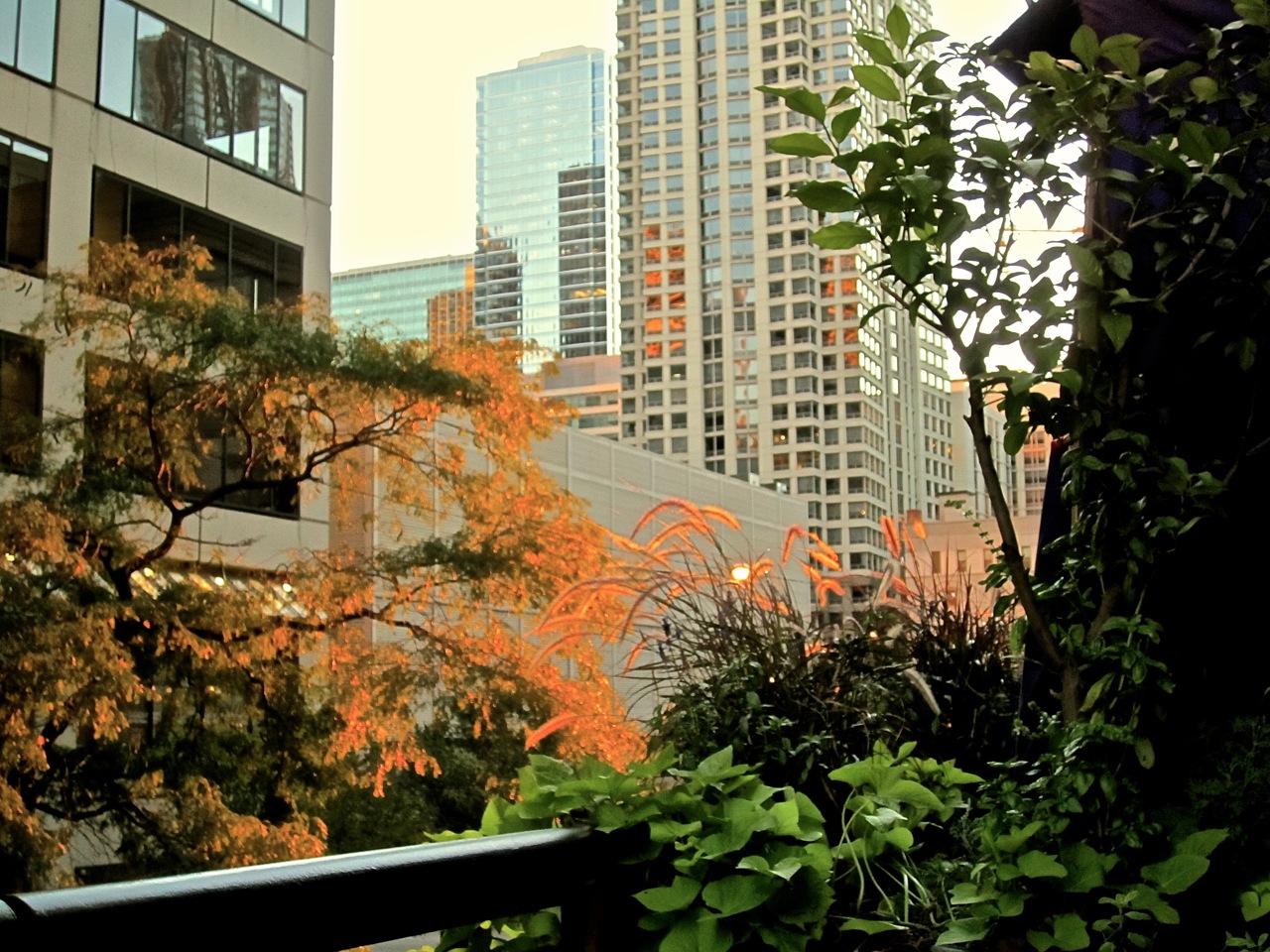
During our short visit, we ate twice at the great Purple Pig (their patio below at sunset) at 500 N. Michigan Avenue.  On the second night, our dessert was simply two slices of toasted artisanal bread spread in-between with Nutella, marshmellow cream, and sliced bananas.  Then the “sandwich” was liberally topped with powdered sugar.  It was wonderful.

If you have to be in Chicago’s O’Hare Airport — and we all will eventually — definitely eat at Rick Bayless’s Tortas Frontera.  We discovered it on our last trip in March, and this time we actually made a point of taking flights that would put us in Terminal 1 (go to gate B11) about lunchtime.

Vintage landscape: Bluff Hall gate

What a great old gate at Bluff Hall, Demopolis, Alabama, in 1936. I love the fat finials.

The playwright Lillian Hellman may have passed through this gate in the first decades of the 20th century.  Her mother’s family was from Demopolis, and she visited there as a child.  She later used the town as inspiration for the setting of The Little Foxes.  Lionnet is said to have been based on Bluff Hall and another local mansion.

Today the house is on the National Register of Historic Places and is open to the public as a museum.

Photo: by Alex Bush for the Historic American Buildings Survey (HABS), via Library of Congress Prints and Photographs Division.

The Story Museum, Oxford

My niece works in a really charming place in Oxford called The Story Museum. Last month, we took a day trip from London to pay her a visit, and she gave us a behind-the-scenes tour.

The Story Museum exists “to celebrate children’s stories and to share enjoyable ways for young people to learn through stories as they grow.” It has a very nice website here.

Although founded in 2003, the museum only recently found a permanent home in three 19th and 20th century buildings on Pembroke Street. In the 13th century, the site was the location of the first purpose-built college dormitory.

There is a lot of renovation work to be done, so the museum is not fully open to the public, but you can find out how to schedule a visit here.

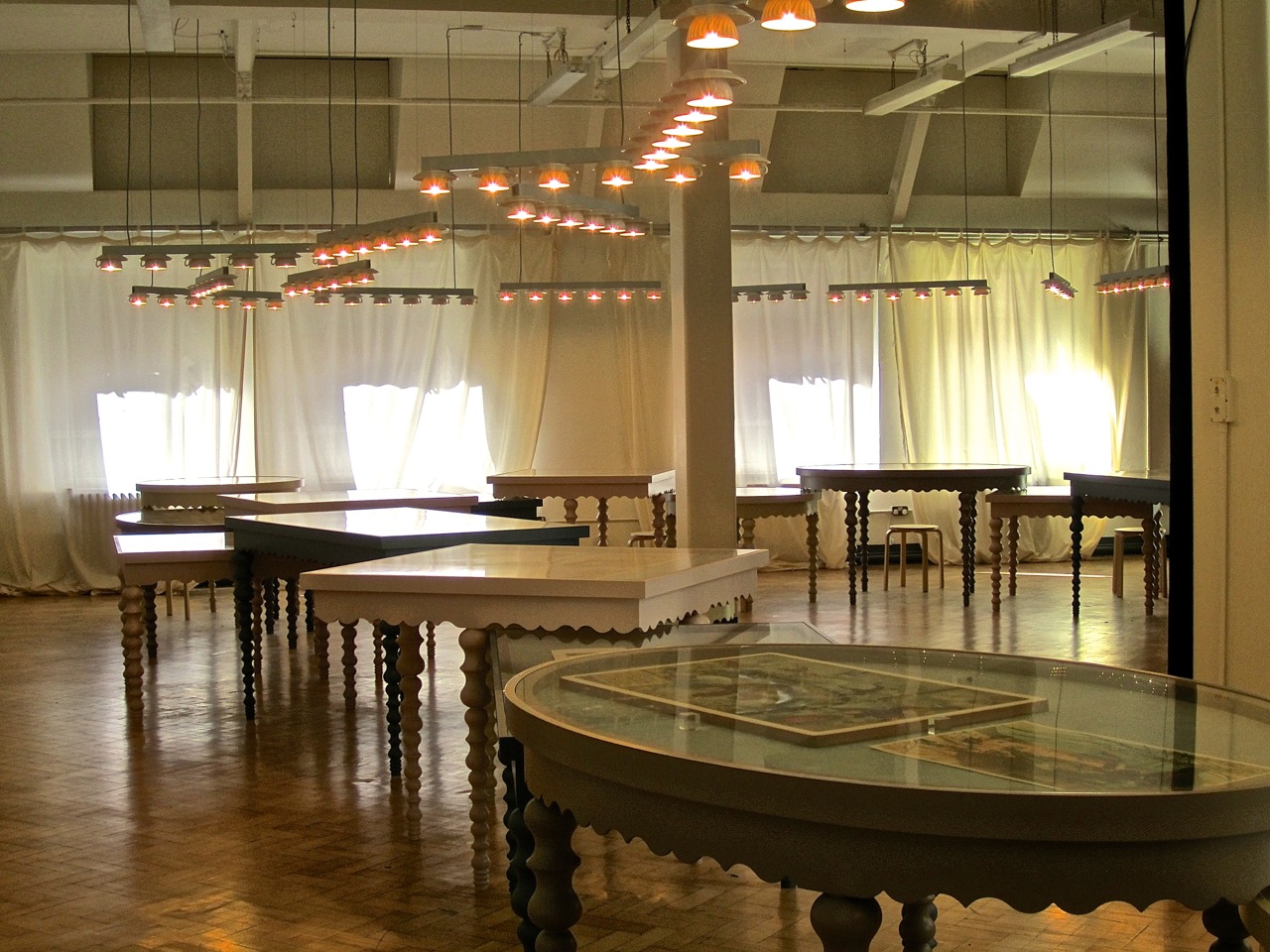
It is currently hosting the exhibit “Tea with Alice: a world of Wonderland illustration” (but only until September 16).

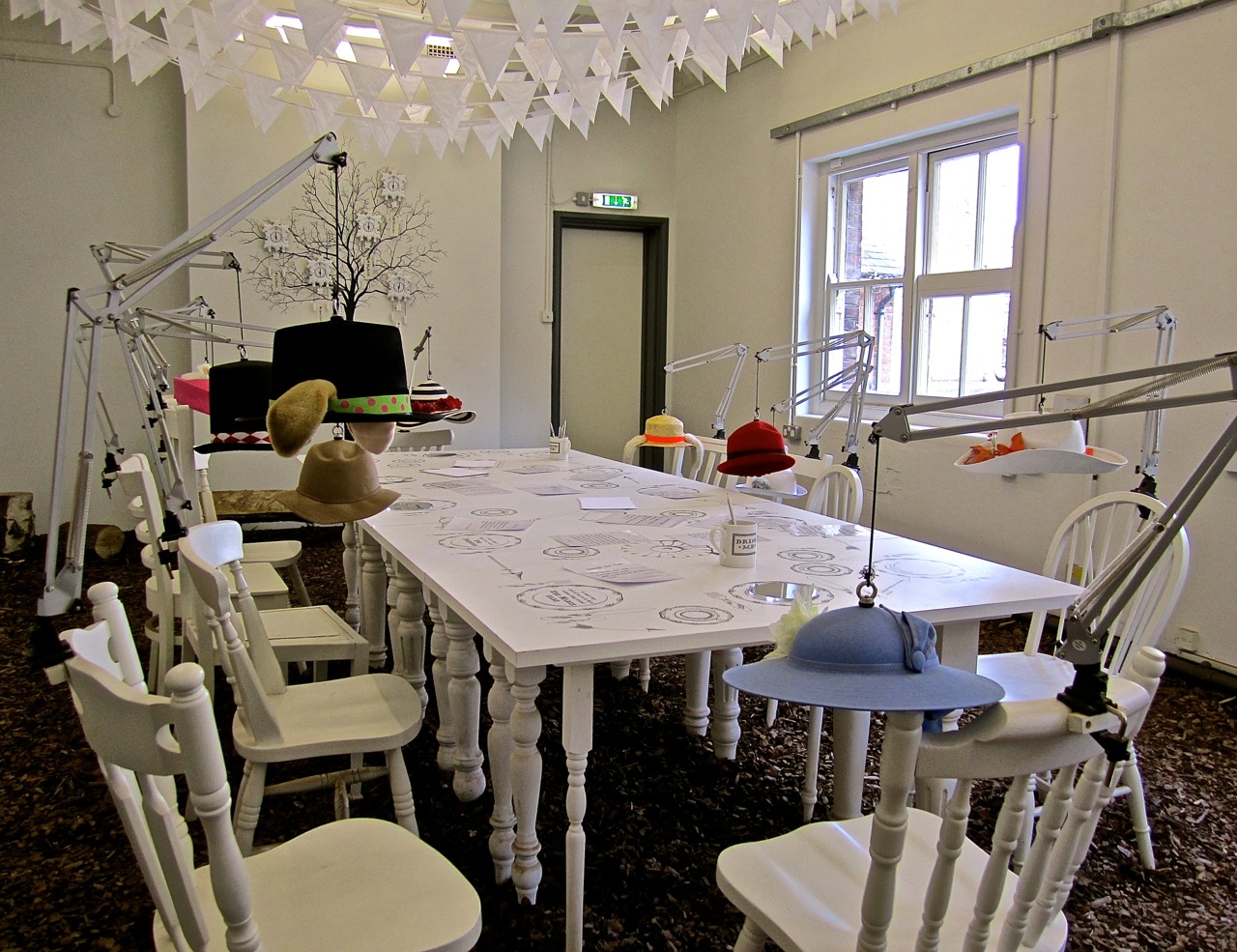
Children can take part in a Mad Tea Party in the “Be it” room.

That’s mulch on the floor.

There is also an amazing exhibit called “Storyloom” that is hard to explain, but you can hear all about it in this interview with the creator.

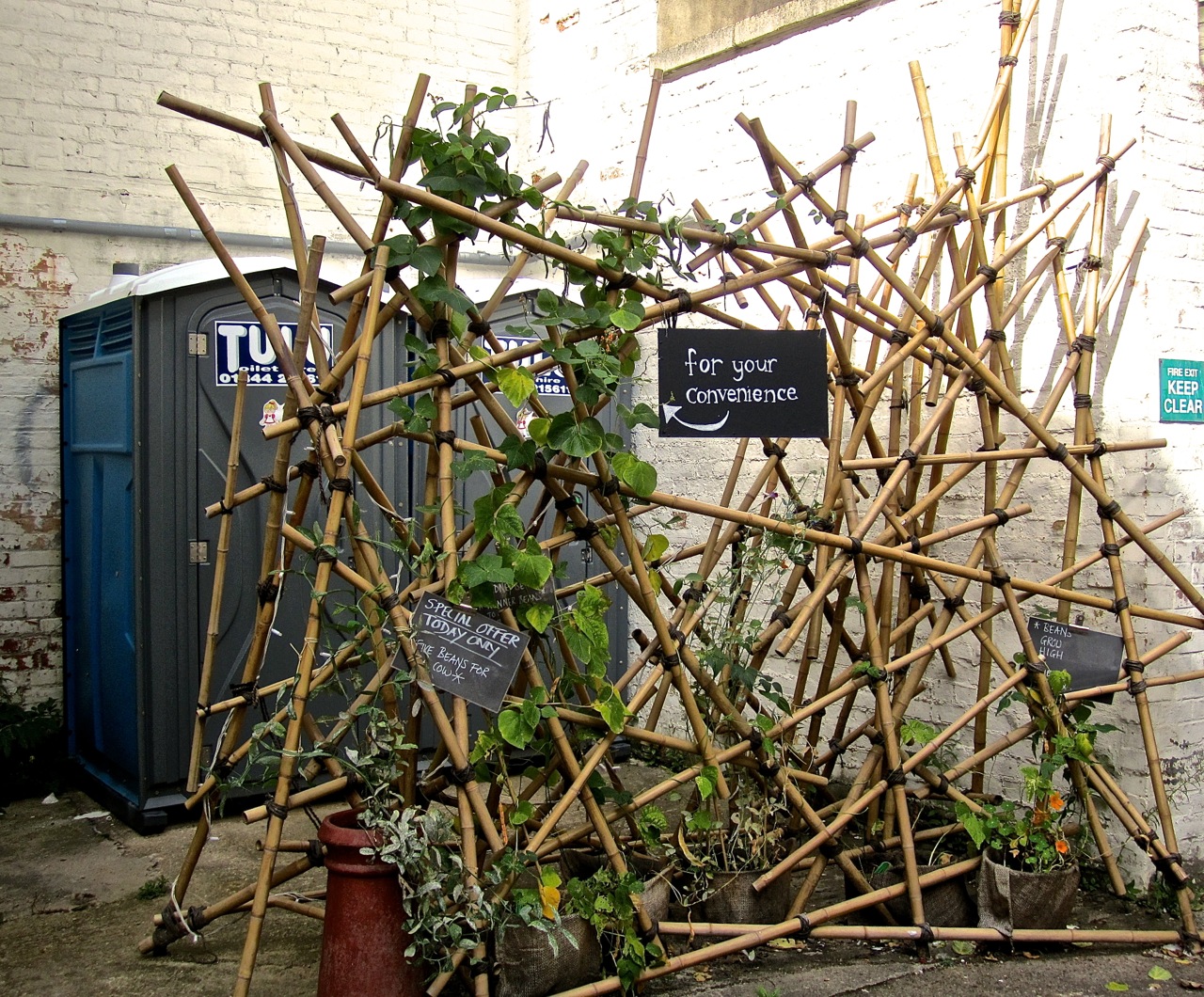
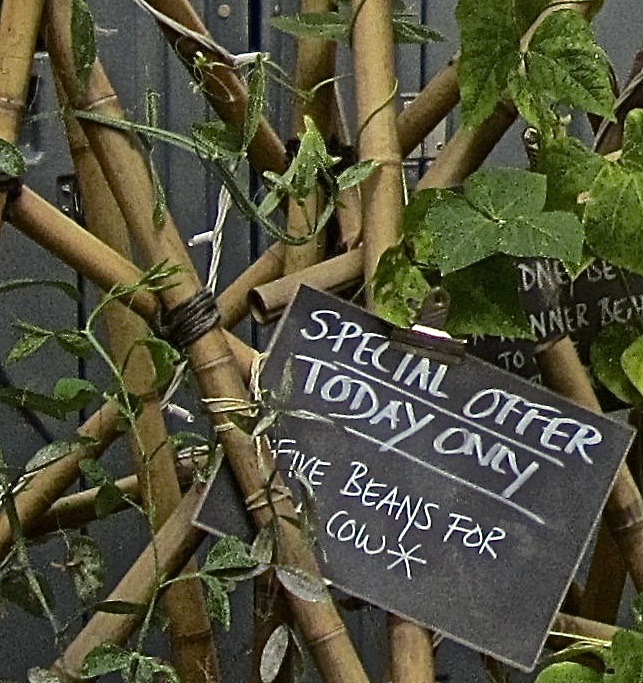
I really liked the screen for their courtyard porta-potties.

Click here for information about how to donate to the museum — in sterling, euros, and dollars.