The Sunday porch: Ellen Glasgow house, Richmond

Preserve, within a wild sanctuary, an inaccessible valley of reveries.
— Ellen Glasgow
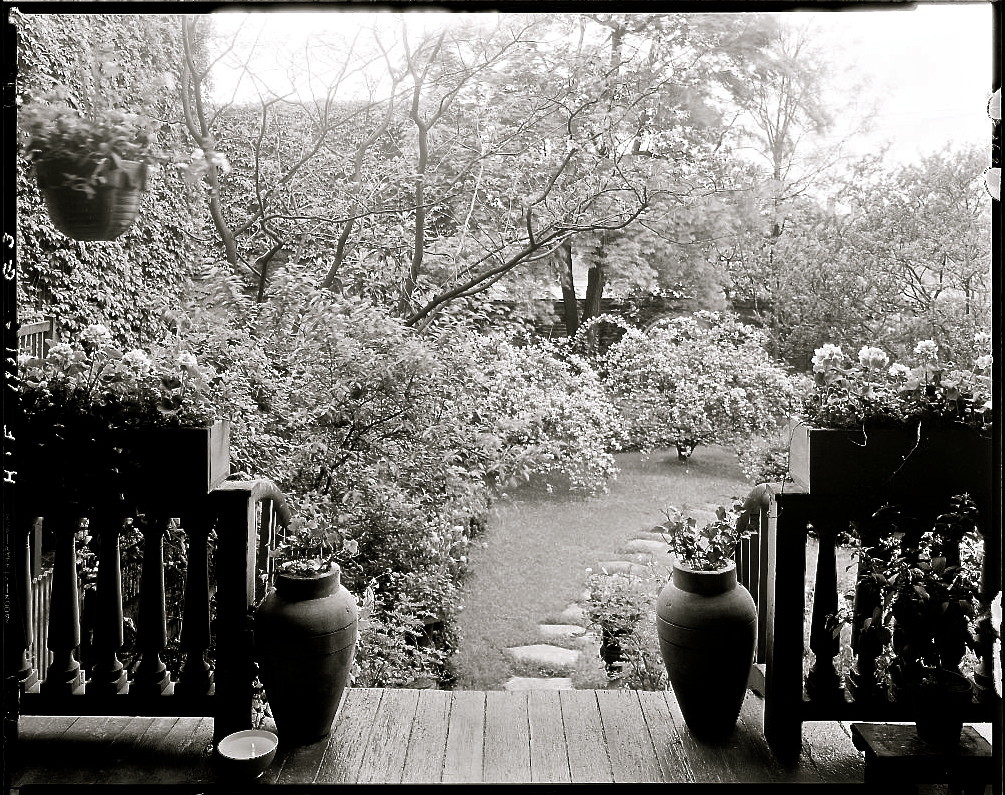
The Sunday porch/enclos*ure: Ellen Glasgow Hse., Richmond, ca. 1930s, F.B. johnston, Library of CongressView from the back porch of the home of novelist Ellen Glasgow, Richmond, Virginia, ca. 1930s, by Frances Benjamin Johnston, via Library of Congress Prints and Photographs Division.  (Click here for a larger view.)
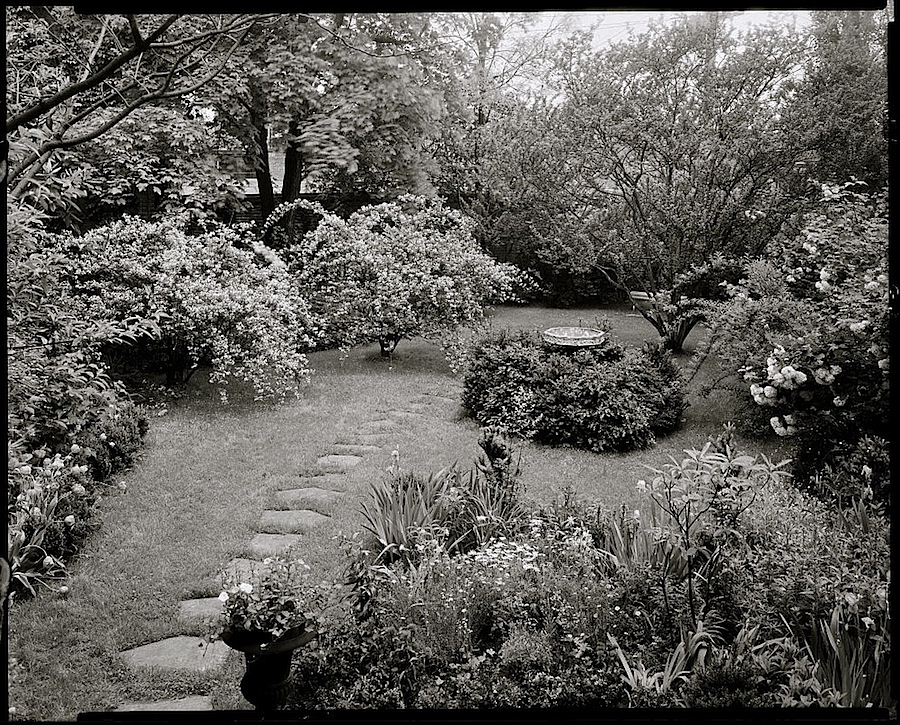
Ellen Glasgow House, 1930s, Richmond, by Frances Benjamin Johnston, Library of Congress

Glasgow published 19 novels and an autobiography — The Woman Within — about life in Virginia. Their realism “helped direct Southern literature away from sentimentality and nostalgia.”

Her books were selling briskly in the 1930s, when these pictures were taken, and she won the Pulitzer Prize in 1942.

Ellen Glasgow House, 1930s, Richmond, by Frances Benjamin Johnston, Library of CongressHer home was built in 1841, and Glasgow lived there from the time her father bought it in 1887, when she was about 13, until her death in 1945.
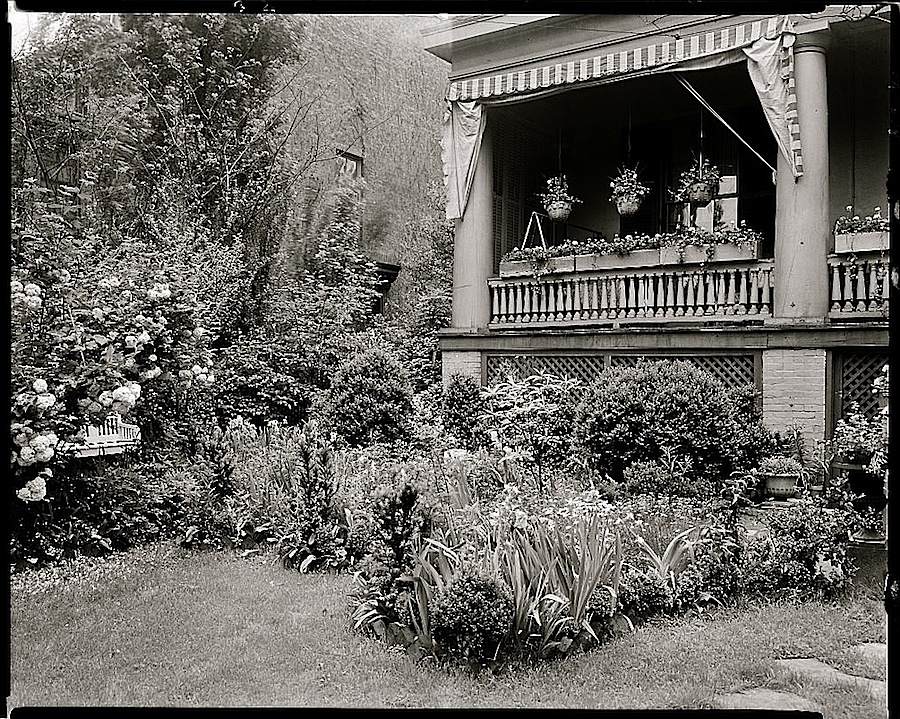
Ellen Glasgow House, 1930s, Richmond, by Frances Benjamin Johnston, Library of CongressIt is now owned by the Association for the Preservation of Virginia Antiquities but is not open to the public.
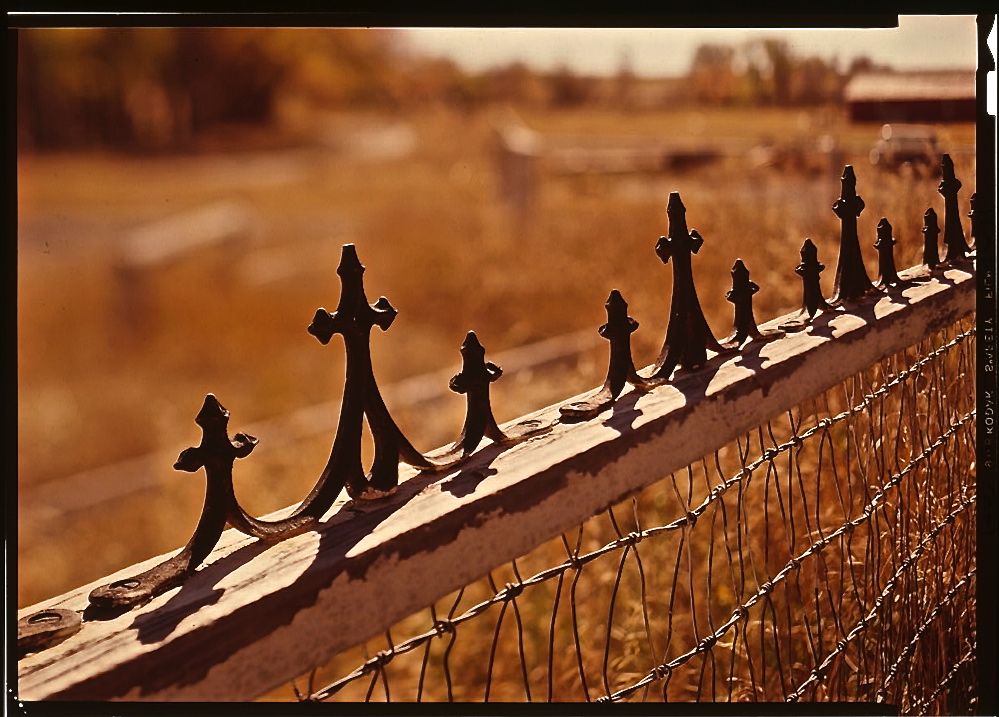
Wyoming ranch fence

Cast iron fence detail, photo by Jack Boucher, Library of Congress/enclos*ure
Cast iron fence detail, by Jack Boucher, via Library of Congress Prints and Photographs Division.

The photo is part of a 1974 Historic American Buildings Survey (HABS) of Swan Land and Cattle Company, Platte County, Wyoming, a large cattle ranch operation founded in 1884.

Uptown bird

Last week, the town of Weston, Massachusetts, celebrated its tricentennial by hosting  a garden tour.

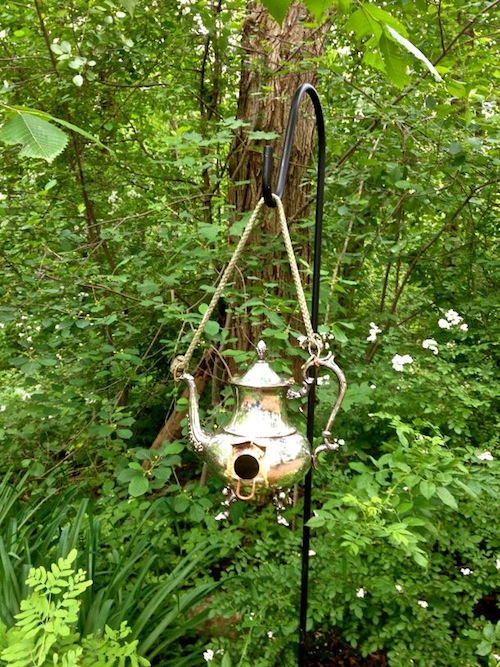
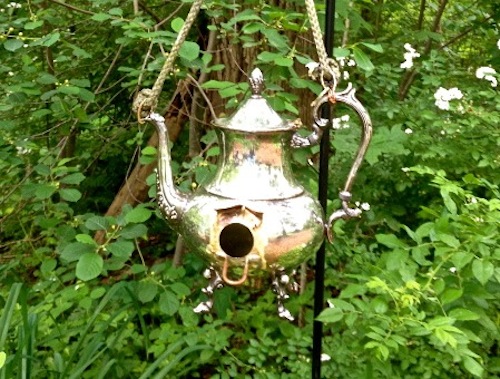
coffee pot birdhouse on Of Gardens

This charming fancy bird house was one of the highlights shared with us by Of Gardens, on Friday.

Photo by Amy Murphy, used with permission.

For more photos of some lovely Weston gardens, click here.

Vintage landscape: Locke garden

.    .    .   I keep
a beautiful garden, all abundance,
indiscriminate, pulling itself
from the stubborn earth.   .   .   .

Paisley Rekdal, from “Happiness

Historic American Buildings Survey, Town of Locke, CA/enclos*ureA garden plot in a communal garden, Town of Locke, Sacramento County, Ca. Photo by Jet Lowe, April 1984, part of a Historic American Buildings Survey (HABS) of the town, via Library of Congress Prints and Photographs Division.

From the 1984 HABS report:

Locke, California, is a small, rural Chinese ghetto on the Sacramento River.  It was developed in the early 20th century to serve Chungshan Chinese laborers who worked in the fruit orchards and vegetable fields in California’s Delta region. Today, virtually all Chinese communities in America are urban enclaves.  By contrast, Locke has remained an unincorporated village since its founding in 1915.  For this reason, it is unique within the United States as the only extant rural Chinese community still occupied by Chinese people.

Today, the population of Locke is 70 to 80 people, about 10 of whom are of Chinese descent.

Vintage landscape: take water, add children, part II

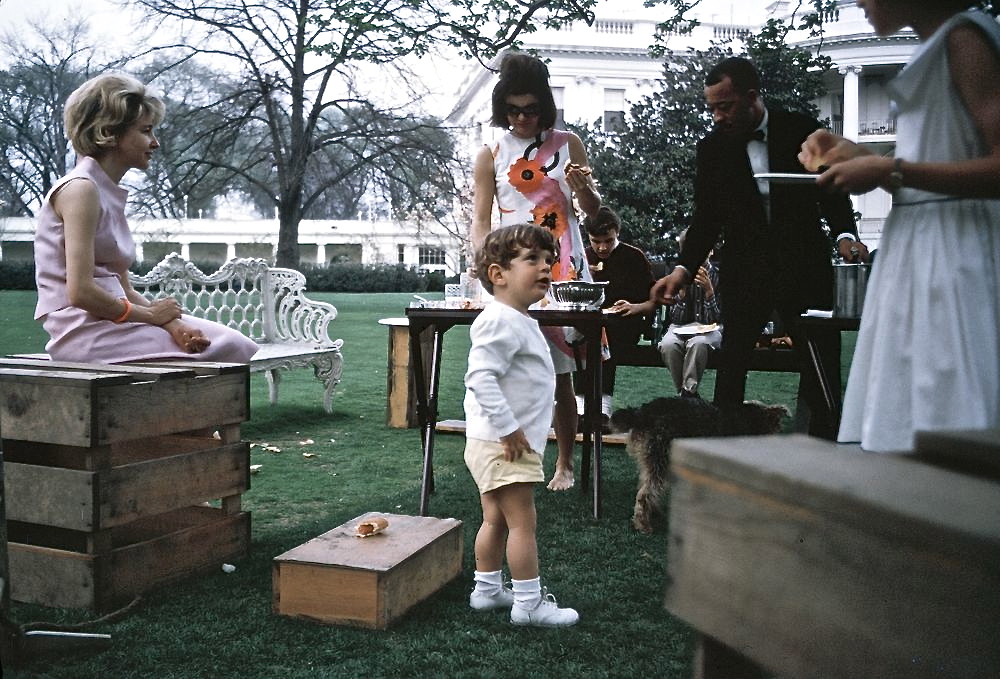
White House children's party, April 4, 1963/JFK Presidential Library

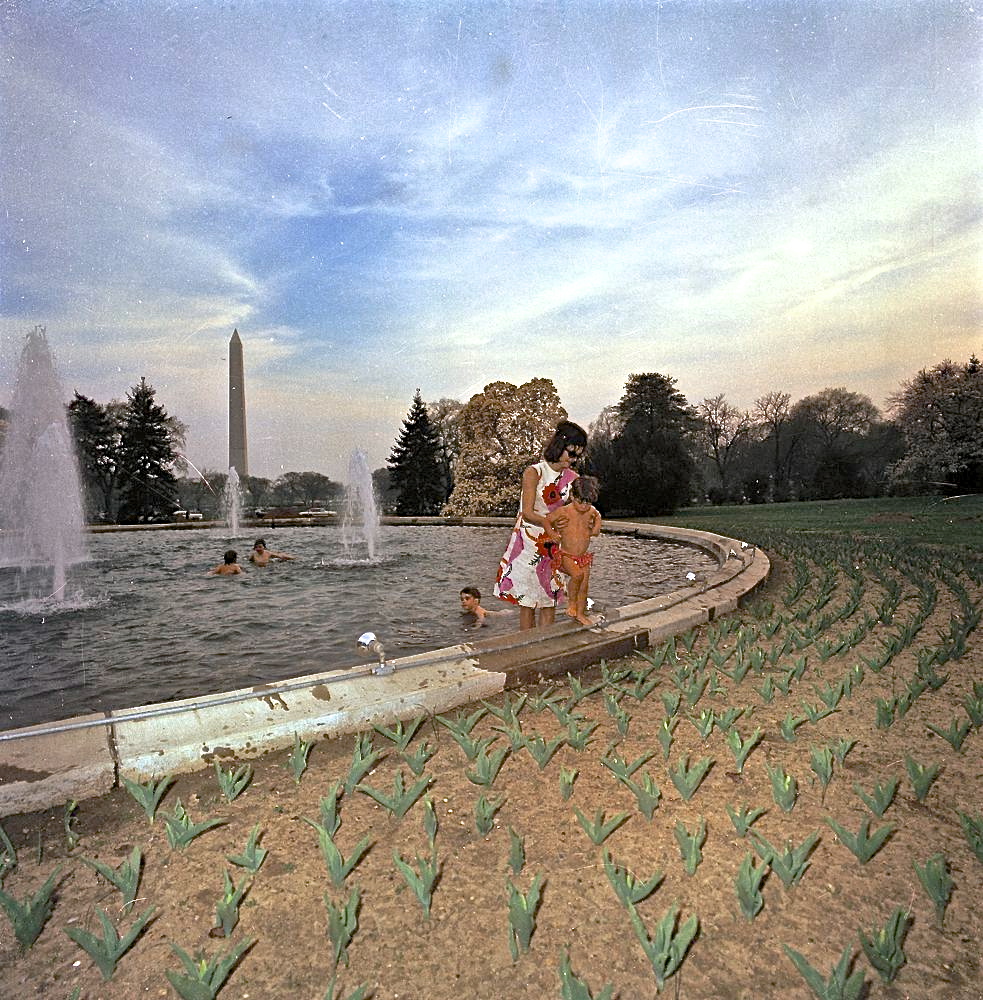
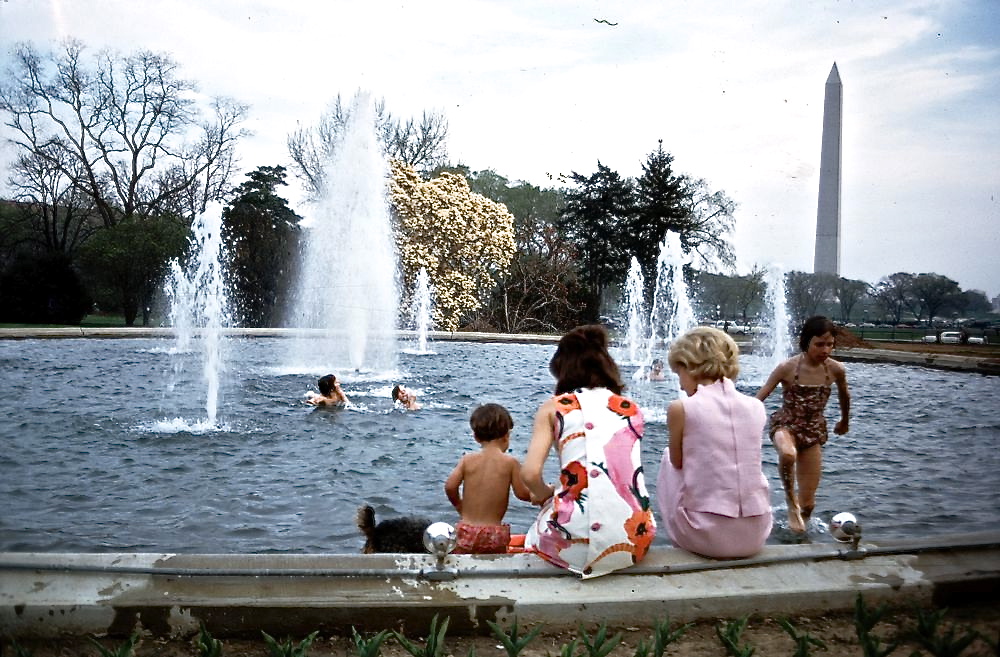
Children’s party on the South Lawn of the White House, April 4, 1963.

All photos are by Cecil Stoughton (Office of the Military Aide to the President), via the John F. Kennedy Presidential Library and Museum.

White House children's party, April 4, 1963/JFK Presidential Library

If you were wondering whether to put in a super-huge fountain or a swimming pool, please note that you can have both in one.

White House children's party, April 4, 1963/JFK Presidential Library

“Take water. . ., part I,” is here.

Remember summer? Bubbles filled
the fountain, and we splashed. We drowned
in Eden. . .

— Robert Lowell, from “The Public Garden