“Gratiot Avenue and Church Street, Mount Clemens, Michigan,” between 1880 and 1899, by Detroit Publishing Co., via Library of Congress Prints and Photographs Division.
From the 1870s until World War II, Mount Clemens attracted film stars and the wealthy to its mineral baths.
There seems to be a potted oleander on the left side.
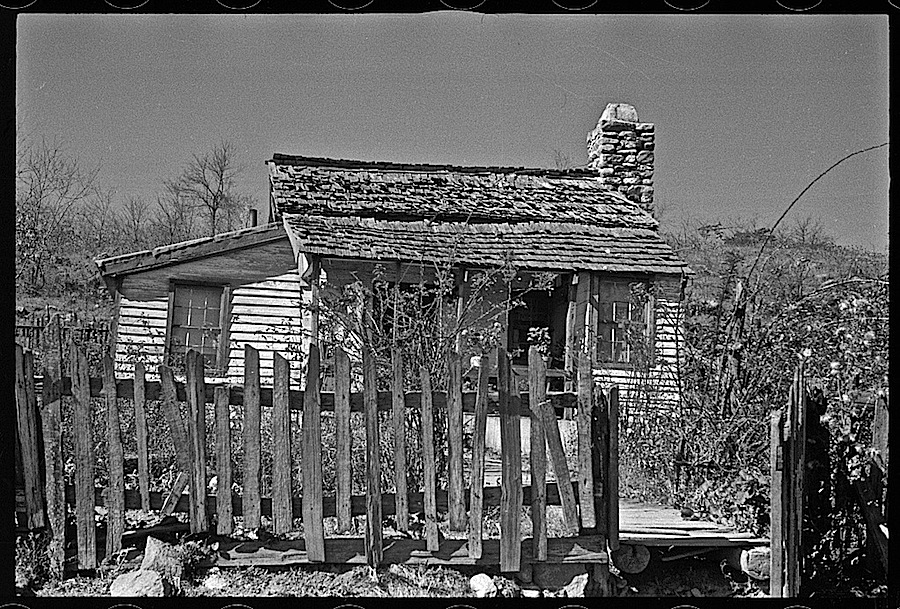
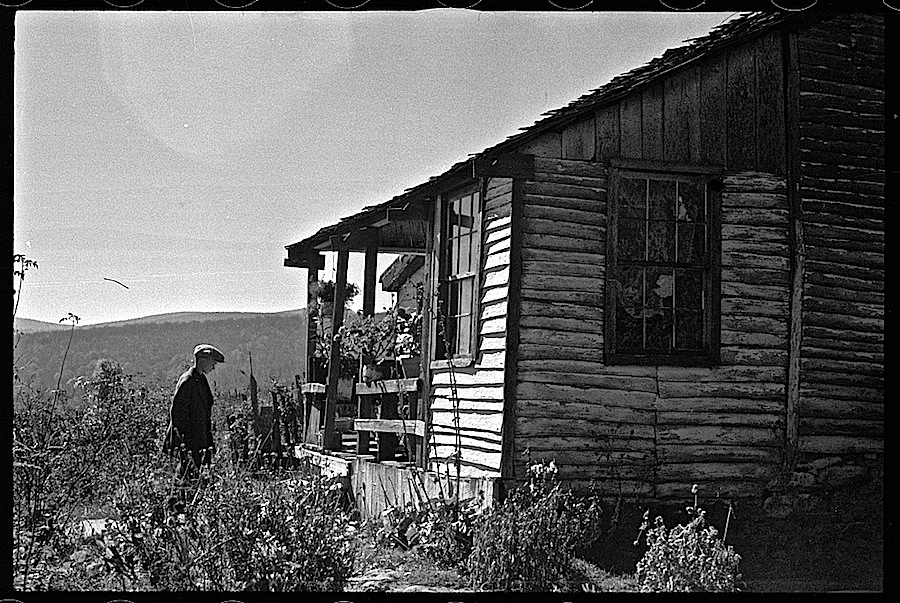
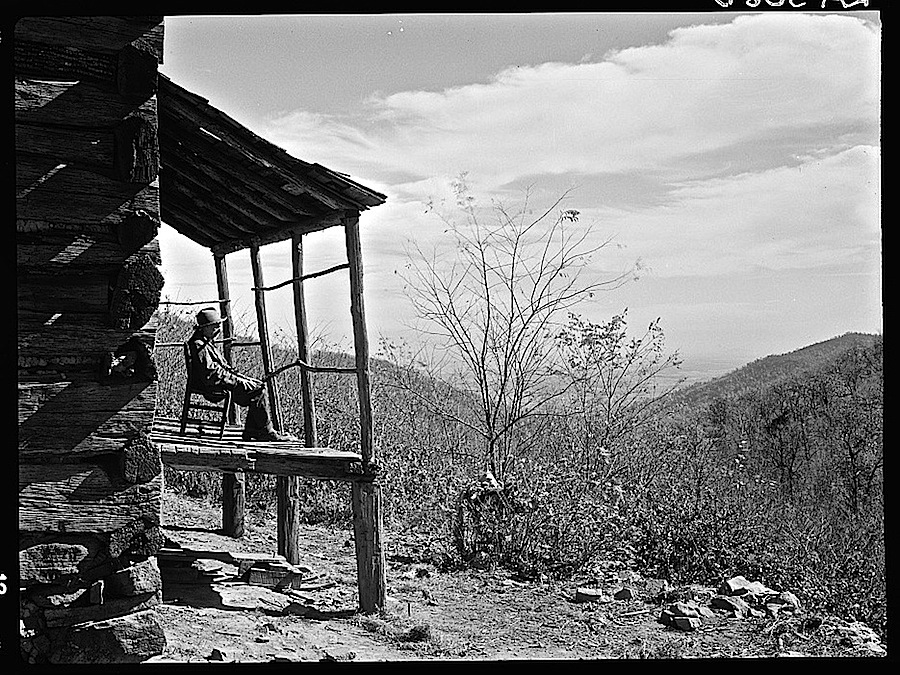
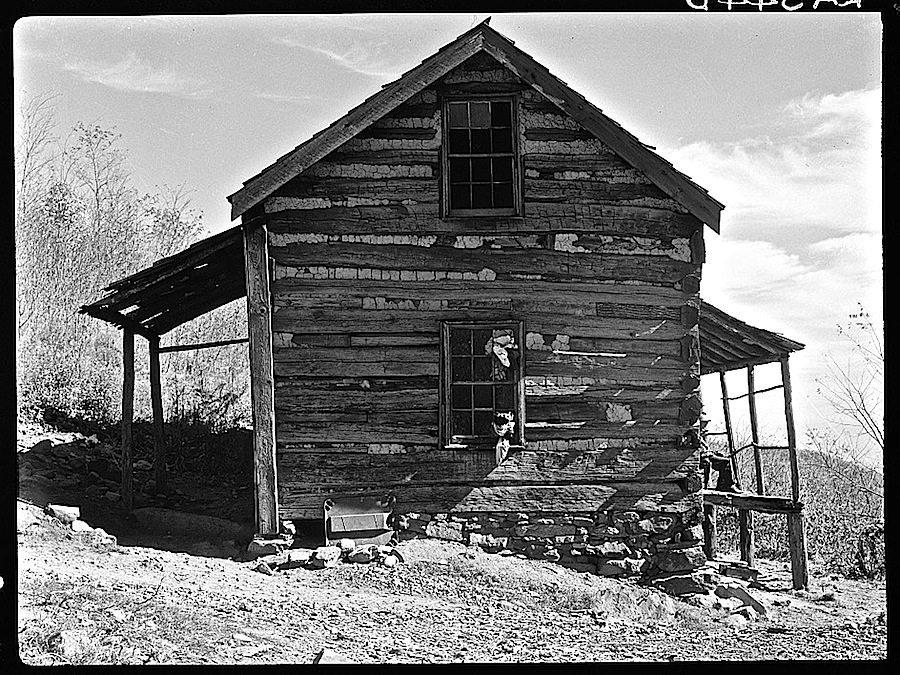
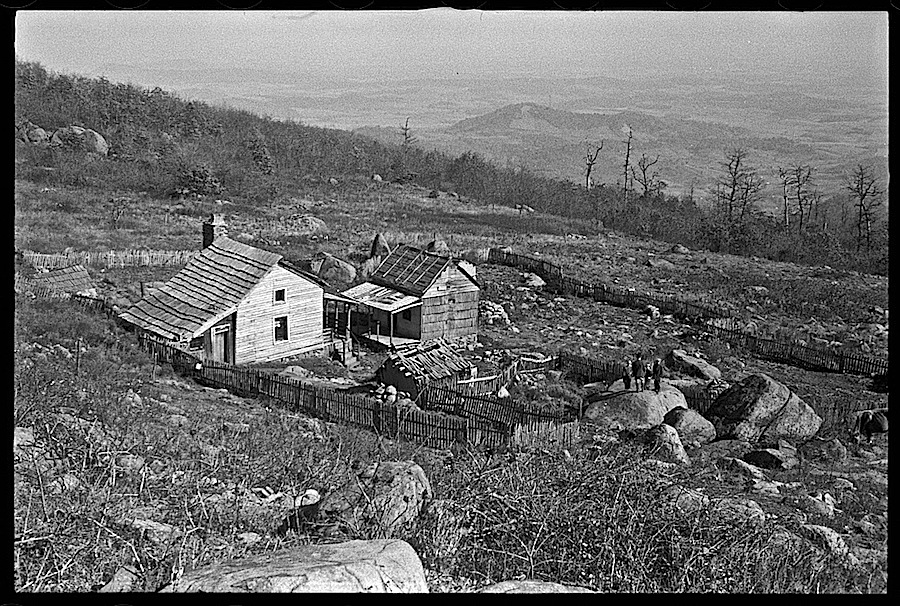
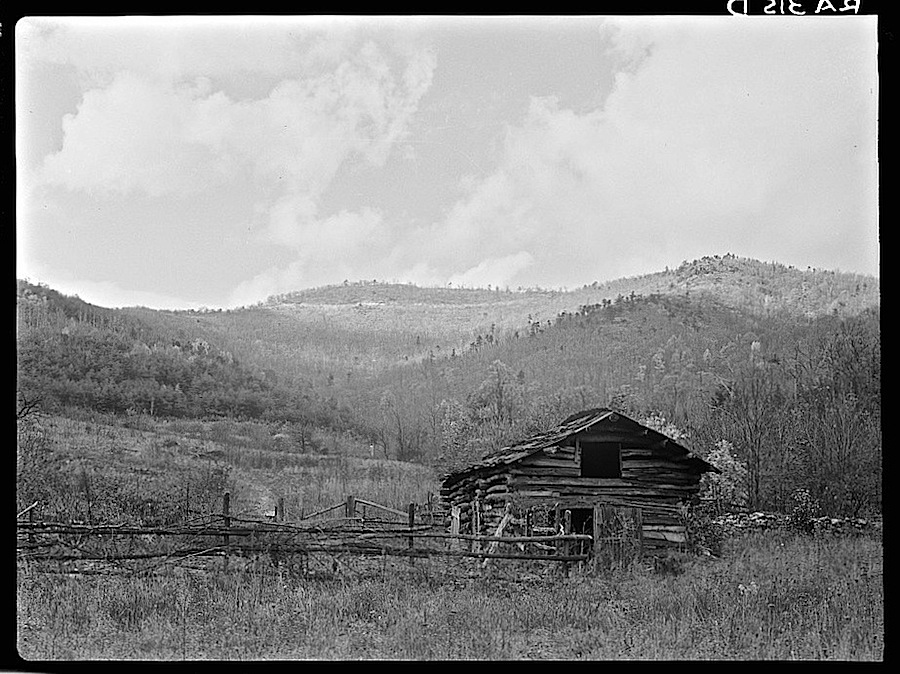
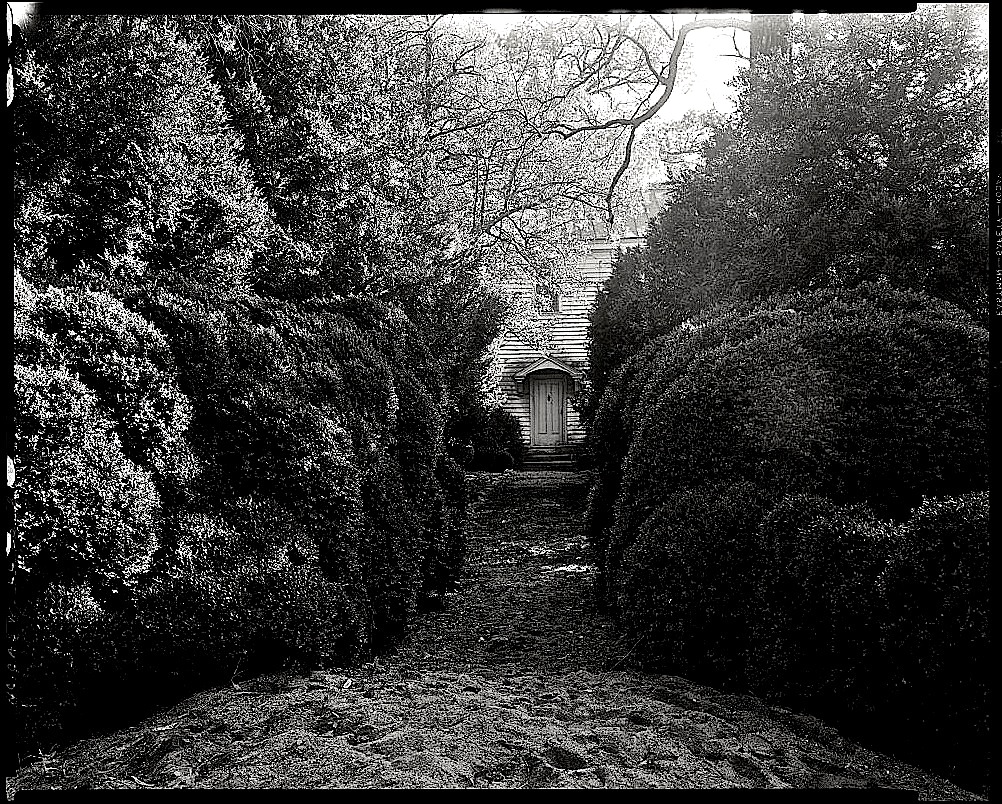
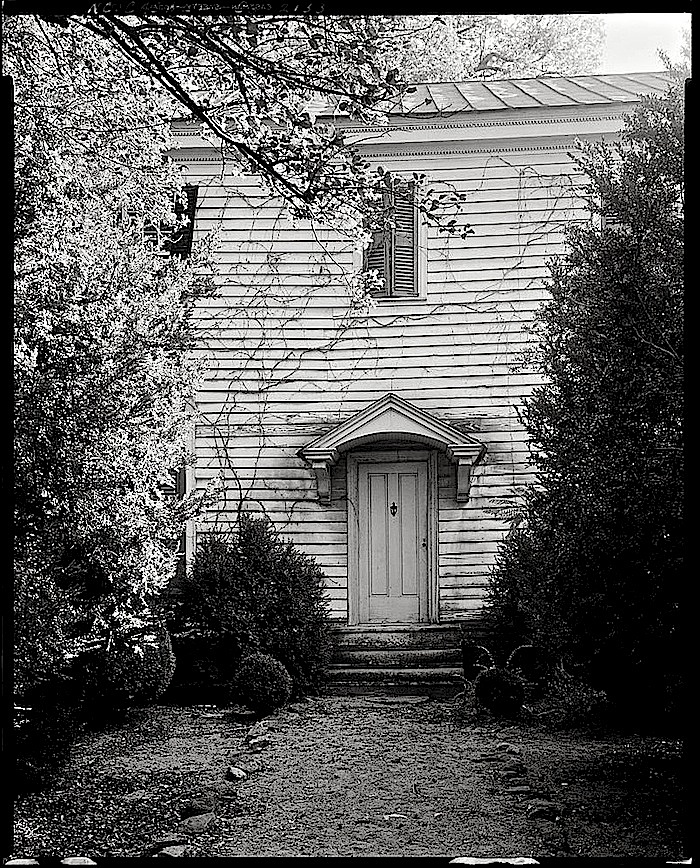
The front porch of a home of the extended Nicholson family of Nicholson Hollow (top three images) in Shenandoah National Park, Virginia, October 1935.*
The Shenandoah National Park is a narrow strip of supremely lovely wilderness along the edge of the Blue Ridge Mountains in Virginia. It begins at Front Royal, about 75 miles west of Washington, D.C., and ends west of Charlottesville.
In order to create a fully “natural” environment, over 450 families were moved out of the park area under the process of eminent domain. Most were small farmers who had been portrayed in a widely publicized 1933 sociological study as desperately poor, primitive, and cut off from 20th century society.
After they were gone, the Civilian Conservation Corps destroyed their homes and outbuildings. The only structures saved were some log houses and rail fences around Nicholson Hollow.
In the mid 1990s, the National Park Service sponsored an archaeological survey of 88 pre-park human settlements in Nicholson, Corbin, and Weakley Hollows.**
The findings of the study strongly refuted the earlier claims that the families (who were indeed often poor) were cut off the modern world. Researchers found china plates, mail order toys, 78 RPM record fragments, pharmaceutical bottles, and automobile parts.
Porch view of Corbin Hollow from one house of the Corbin family (above and below).
The Corbins were very hard hit by the Depression-years decline of the nearby Skyland Resort, which had previously given them employment and a market for their crafts.
There are two very good papers on the displaced people of Nicholson and Corbin Hollows on the National Park Service website, here and here.
Above: another Corbin Hollow farm.
Above: an abandoned house in Nicholson Hollow.
More of Rothstein’s Shenandoah images are here. Recording the last days of the park’s human inhabitants was his first assignment with the Resettlement Administration.
*All the photos here by Arthur Rothstein, in 1935, via Library of Congress Prints and Photographs Division.
**In 2000, not long after the study was completed, a forest fire destroyed all but two of the remaining above-ground buildings.
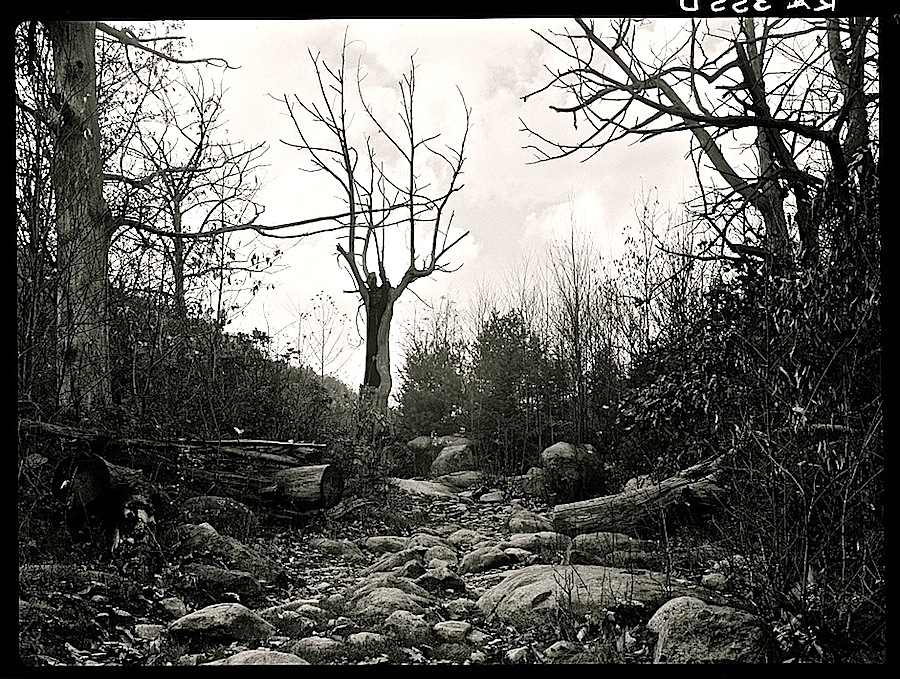
“Road to Nicholson Hollow. Shenandoah National Park, Virginia,” October 1935, by Arthur Rothstein, via Library of Congress Prints and Photographs Division.
I think this would be a good reference picture for making a dry stream bed path through a naturalistic garden (click to enlarge).
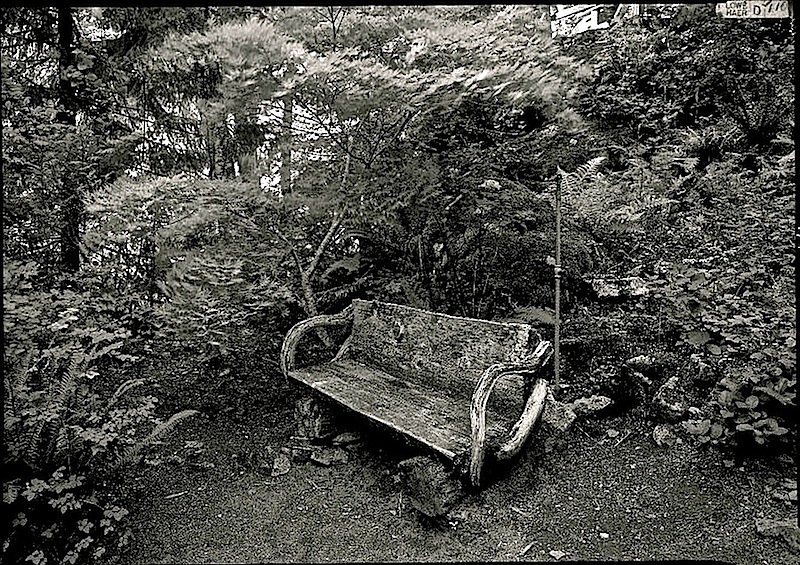
Rustic bench at Ladder Creek Gardens, Newhalem, Washington. Photo taken 1989 for an Historic American Buildings Survey (HABS), via Library of Congress Prints and Photographs Division.
My husband and I were arguing about a bench we wanted to buy and put in part of our backyard, a part which is actually a meadow of sorts. . . . My husband wanted a four foot bench and I wanted a five foot bench. This is what we argued about. My husband insisted that a four foot bench was all we needed, since no more than two people (presumably ourselves) would ever sit on it at the same time. I felt his reasoning was not only beside the point but missed it entirely; I said what mattered most to me was the idea of the bench, the look of it there, to be gazed at with only the vaguest notion it could hold more people than would ever actually sit down. The life of the bench in my imagination was more important than any practical function the bench might serve. . . .

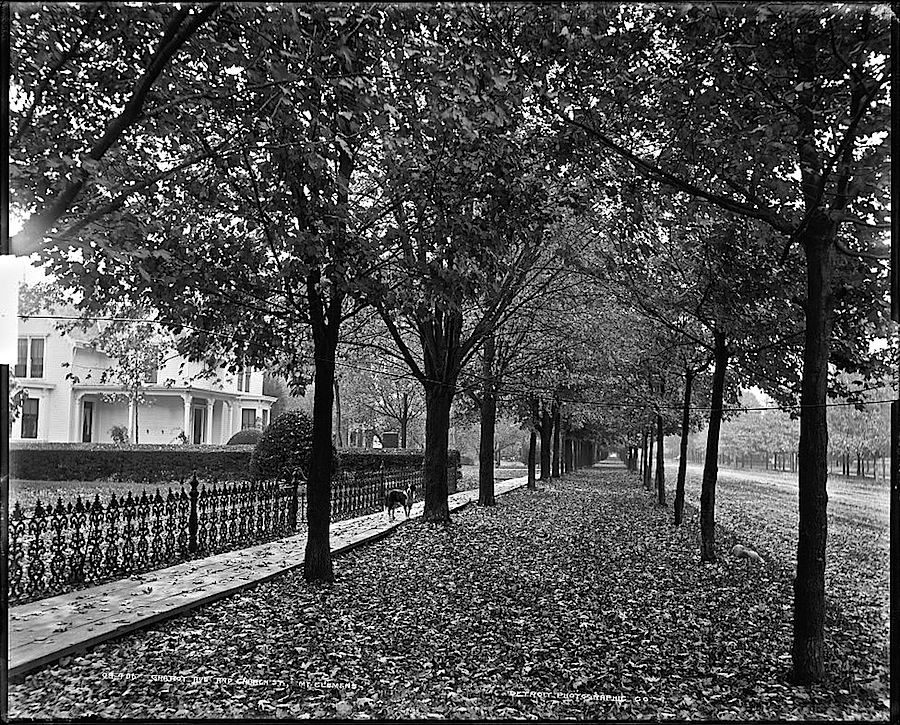 “Gratiot Avenue and Church Street, Mount Clemens, Michigan,” between 1880 and 1899, by Detroit Publishing Co., via Library of Congress Prints and Photographs Division.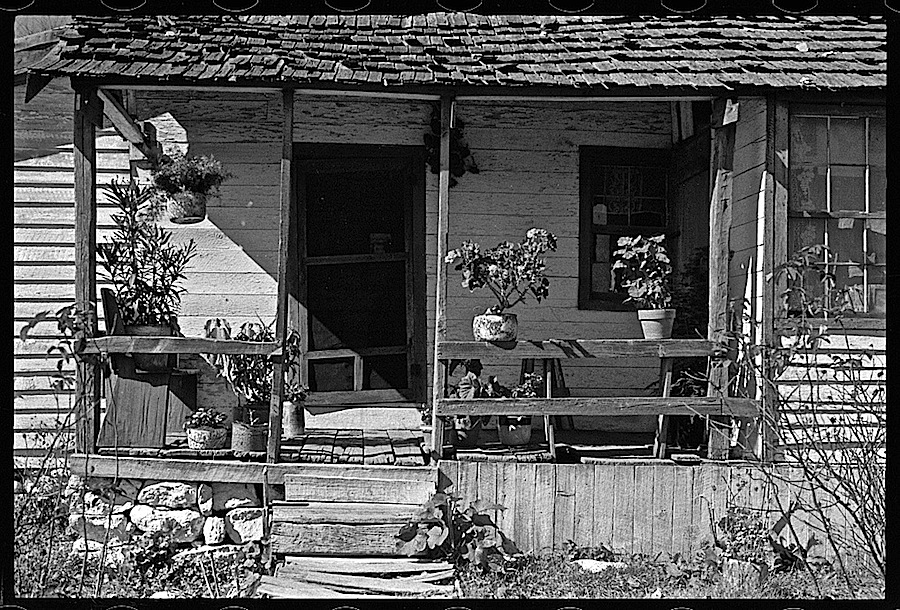
 enclos*ure