Picturing D.C. (year by year)

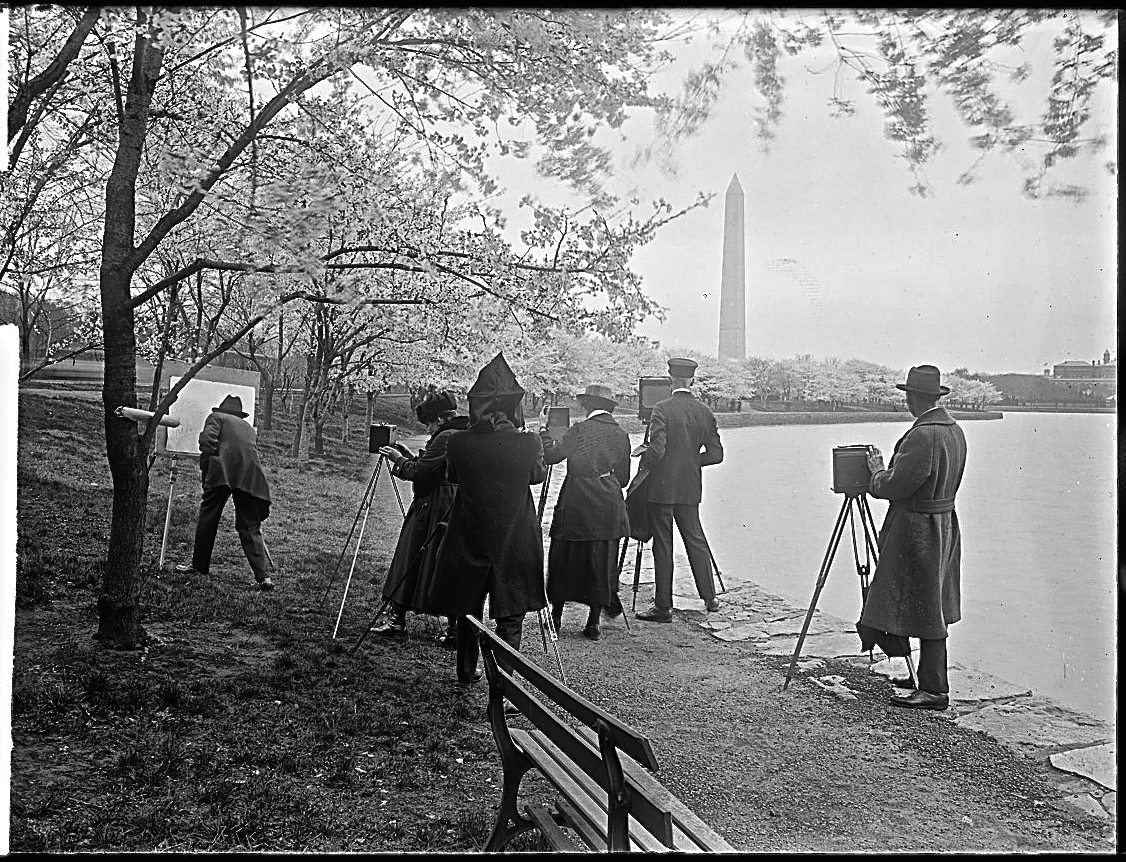
"Photographers shooting cherry blossoms, Washington D.C., April 7, 1922," by National Photo Company, Library of Congress Prints and Photographs Division.
“Photographers shooting cherry blossoms, Washington D.C., April 7, 1922,” by National Photo Company, Library of Congress Prints and Photographs Division and D.C. Past.

I want to share my recent discovery of D.C. Past, a tumblr blog that is “curating the photographic history” of Washington, D.C.

Kate Birmingham and Guillermo Esteves choose 19th and 20th century photos from the online catalogues of the Library of Congress and the National Archives.  However, when shown on D.C. Past, the images are generally much larger and (pretty darn) sharp.

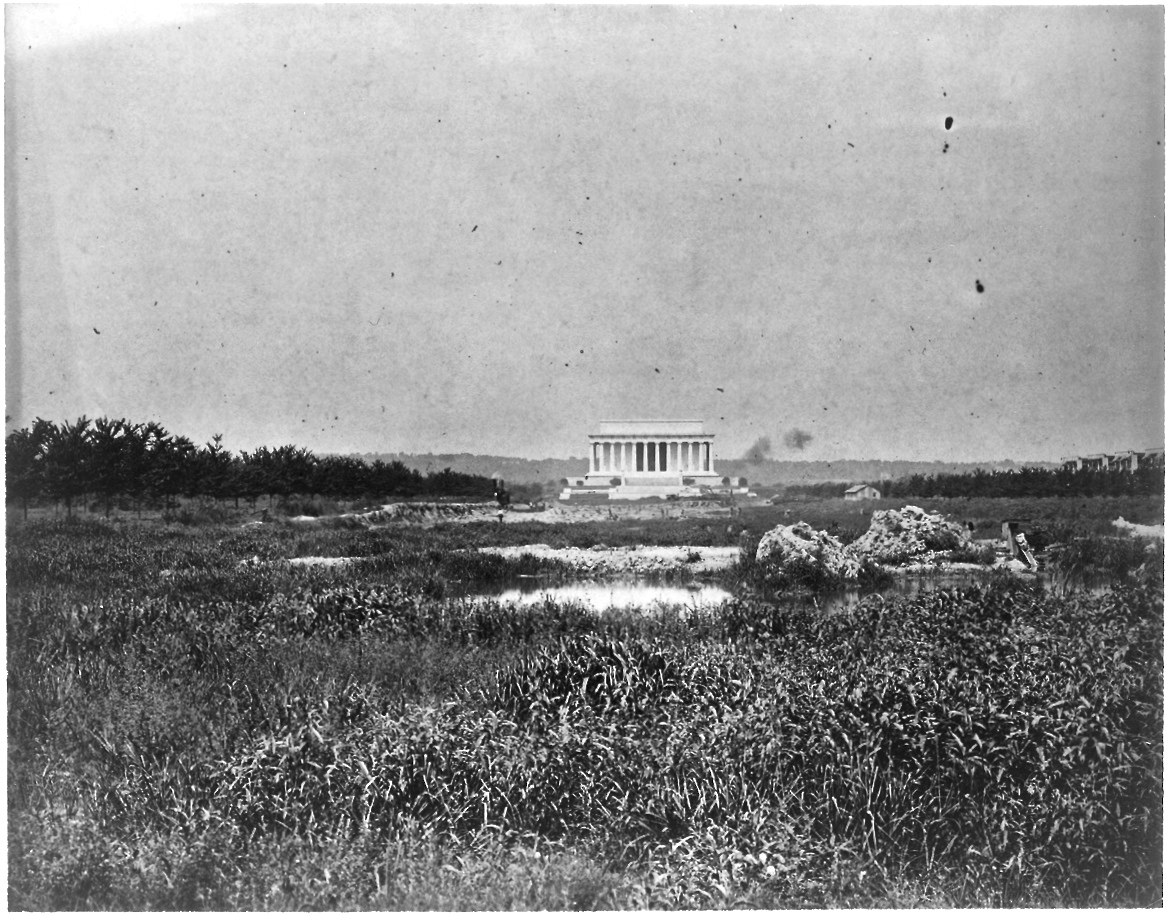
I love this early shot, below, of the Lincoln Memorial — the Reflecting Pool is still only a wetland.

"Lincoln Memorial with Marsh in foreground," 1917, by National Photo Company, Library of Congress Prints and Photographs Division.
“Lincoln Memorial with marsh in foreground,” 1917, by National Photo Company, Library of Congress Prints and Photographs Division and D.C. Past.

Four years later. . .

"Lincoln Memorial from Monument," May 30, 1922, by National Photo Company, Library of Congress Prints and Photographs Division.
“Lincoln Memorial from Monument,” May 30, 1922, by National Photo Company, Library of Congress Prints and Photographs Division and D.C. Past.

You’ll have to go to D.C. Past, here and here, for the “much larger” part.

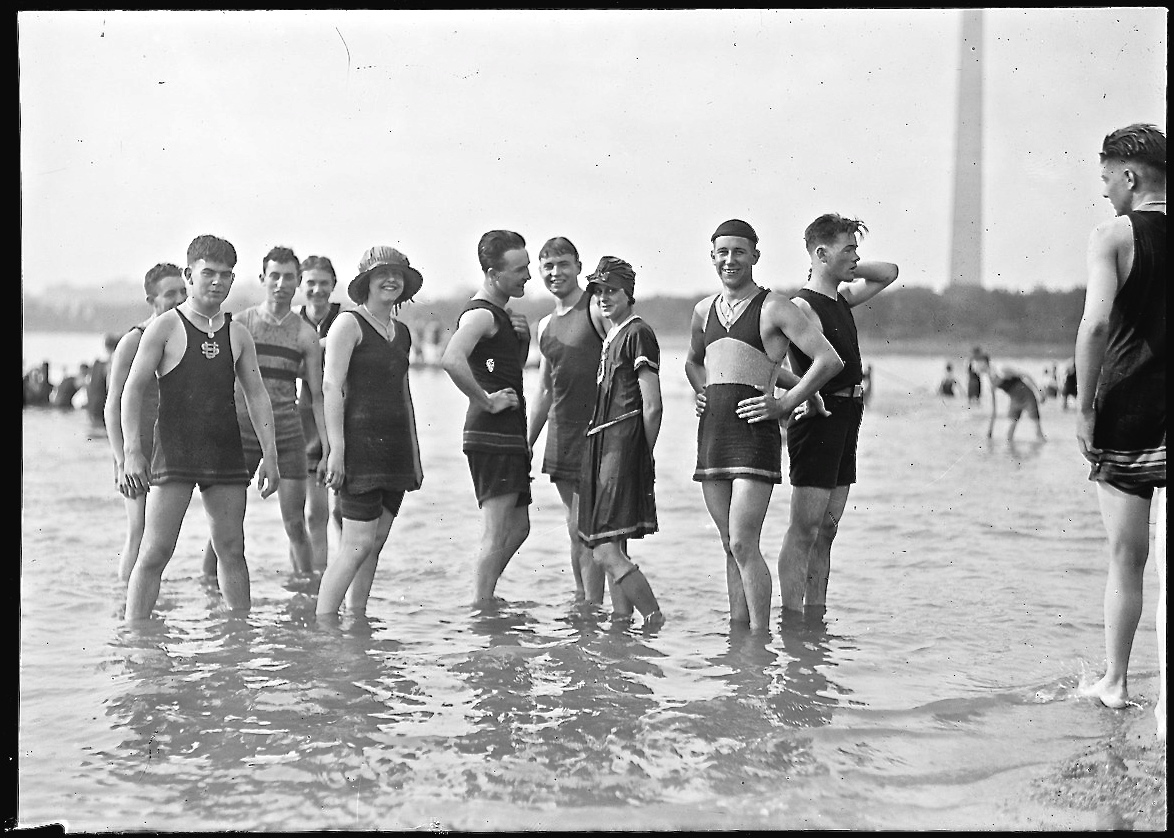
I like these swimmers below too.  They’re in the Tidal Basin.  And yesterday’s post was interesting — look at the (lack of) height of the fence.

"Bathing Beach,"  Washington, D.C., Tidal Basin, ca. 1912-1930, by National Photo Company, Library of Congress Prints and Photographs  Division.
“Bathing Beach,” Washington, D.C., Tidal Basin, ca. 1912-1930, by National Photo Company, Library of Congress Prints and Photographs Division and D.C. Past.

(A link to the photo at the top is here.)

D.C. Past is still rather new; its first picture was posted in March 2013.  But this makes it easy to catch up and get hooked.

There is also a NYC Past here and a Chicago Past here.

Picturing England (square by square)

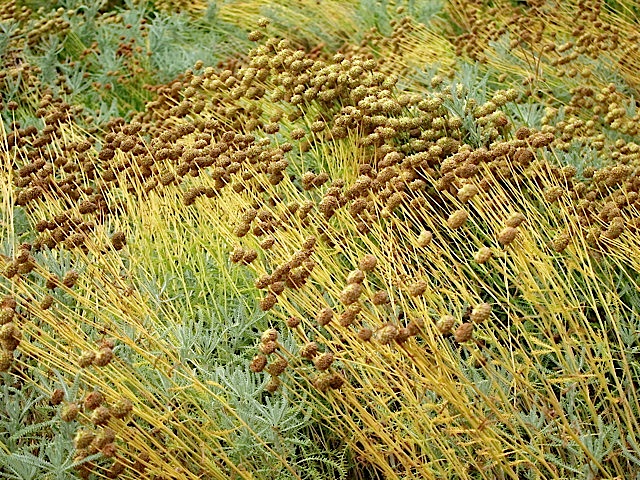
Helichrysum italicum at Yalding Organic Gardens, a 10-acre garden open to the public near Benover, Kent.  Photo by Oast House Archives.
Helichrysum italicum at Yalding Organic Gardens, a 10-acre garden open to the public near Benover, Kent. Photo by Oast House Archives.

If a tour of the great gardens of the British Isles is not in your cards this summer, one vicarious alternative is Geograph®  — an online project that “aims to collect geographically representative photographs and information for every square kilometre of Great Britain and Ireland.”

Since 2005, contributors have submitted over 3.5 million images covering over 81% of the total area.  You can search them by kilometre grid, by place name, by national trails, or by subject of interest (‘gardens’).

You can also join for free and upload your own images.  (Much of rural Ireland needs filling out.)

I spent an hour looking for gardens and country landscapes and found. . .

the classic,

The Italian Garden, Hever Castle, Kent, by Derek Voller.

the trendy,

Olympic Park, Stratford, Newham, by Chris Downer.

the urban,

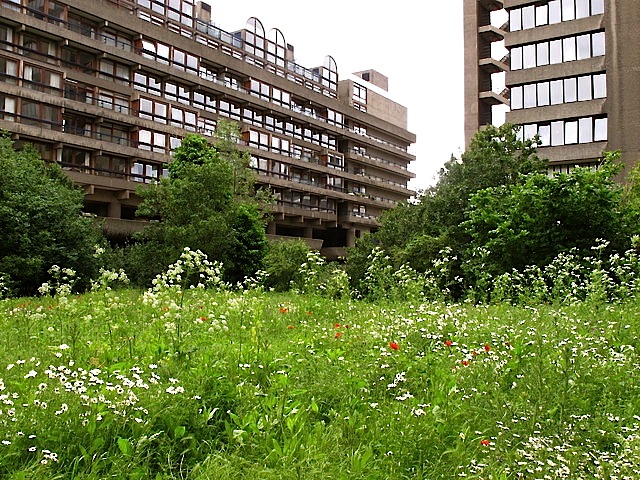
Fann Street Wildlife Garden, a private residents' garden in Barbican Estate, London, by David Hawgood.
Fann Street Wildlife Garden, a private residents’ garden in Barbican Estate, London, by David Hawgood.  The garden includes a meadow, nest boxes, a pond, and old logs for insects.

the open air,

Footpath near Gedney Drove End, Lincolnshire, by Guy Erwood.  The ditch is the Old Sea Bank.
Footpath near Gedney Drove End, Lincolnshire, by Guy Erwood. The ditch is the Old Sea Bank.

the normally off-limits,

Lambeth Palace, the official residence of the Archbishop of Canterbury, London, by Ian Yarham. He wrote:  "The first buildings on the site being constructed around 1200. In the latter half of the 19th century, Archbishop Tait opened the eastern end of the grounds to the local poor, enabling ".. scores of pale children" to play more often out-of-doors. This part of the Palace gardens officially became a public park in 1901 as Archbishop's Park. The Palace Gardens are not generally open to the general public, but on the last Saturday in June they are used for the North Lambeth Fete. This is when I was able to visit the gardens. The Palace Gardens are classically landscaped parkland with large specimen trees set in well-tended lawns and borders, a Chinese garden, a herb garden, a terraced rose garden and a wild garden."
Lambeth Palace, the official residence of the Archbishop of Canterbury, London, by Ian Yarham.

the far-flung,

Garden and gardener at Gravens, Shetland Islands, by Oliver Dixon.  He wrote: "Despite the unpromising climate, there are some very keen gardeners on Shetland, with some fine examples of rock gardens."
Garden and gardener at Gravens, Shetland Islands, by Oliver Dixon. He wrote: “Despite the unpromising climate, there are some very keen gardeners on Shetland, with some fine examples of rock gardens.”

the forgotten,

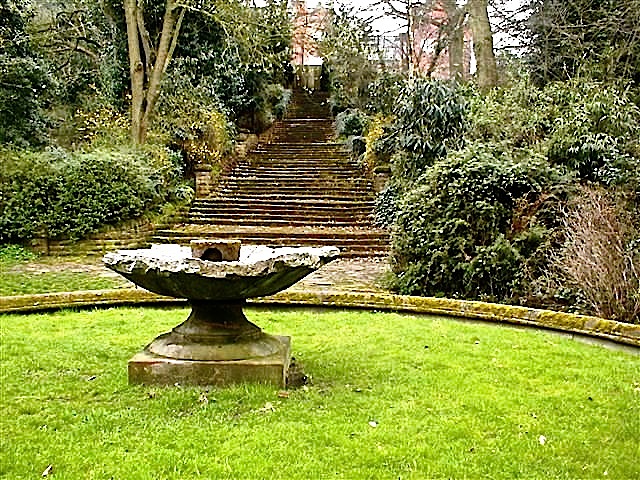
Former garden pond and fountain of the gardens of Bestwood Lodge, Nottinghamshire, by Mick Garratt. Behind are steps that lead nowhere now but once lead to the lodge.
Former garden pond and fountain of the gardens of Bestwood Lodge, Nottinghamshire, by Mick Garratt. The steps now lead nowhere but once went to the Lodge.

the charming,

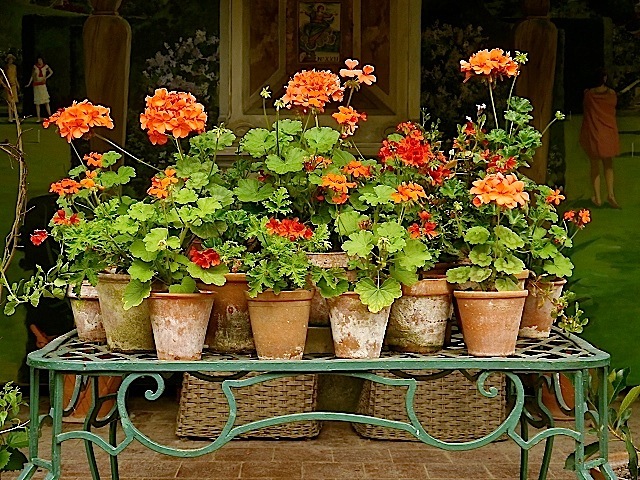
Geraniums at Hidcote Manor Garden, near Hidcote Boyce, Gloucestershire, by David Dixon.

the sweet,

Snowdrop, an Old Sussex Star, at Harlow Carr Gardens, near Beckwithshaw, North Yorkshire, by Rich Tea.  The garden is run by the Royal Horticultural Society.
Snowdrop, an Old Sussex Star, at Harlow Carr Gardens, near Beckwithshaw, North Yorkshire, by Rich Tea. The garden is run by the Royal Horticultural Society.

the atmospheric,

Cox Tor Triangulation Pilar, near Peter Tavy, Dartmoor, Devon, by Nigel Cox.
Cox Tor Triangulation Pillar, near Peter Tavy, Dartmoor, Devon, by Nigel Cox.

the inspiring,

Derek Jarman's garden, Dungeness, Kent, by Malc McDonald.
Derek Jarman’s garden, Dungeness, Kent, by Malc McDonald.

the sad,

Wickham Gardens, near Lincoln, by Richard Croft.  He wrote:  "Sadly, the pavilion has lost its roof and the playground almost completely denuded of all play equipment, condemned by health & safety concerns. I played here for countless hours as a boy in the 1960s and I wonder what the future holds for Wickham Gardens playground."
Wickham Gardens, near Lincoln, by Richard Croft. He wrote: “[T]he pavilion has lost its roof and the playground [is] almost completely denuded of all play equipment, condemned by health & safety concerns. I played here for countless hours as a boy in the 1960s and I wonder what the future holds for Wickham Gardens playground.”
the weird,

Riverhill Himalayan Gardens on the grounds of Riverhill House, near Underriver, Kent, by Richard Croft.  The gardens feature rhododendrons and rare trees and a view point over the Weald of Kent.  And, for some undivulged reason, a person dressed as a yeti, "moving through Chestnut Wood . . . looking rather uncomfortable in 30° heat on the hottest day of the year."
Riverhill Himalayan Gardens on the grounds of Riverhill House, near Underriver, Kent, by Richard Croft. The gardens feature rhododendrons and rare trees and a view point over the Weald of Kent –and a person dressed as a yeti, “moving through Chestnut Wood . . . looking rather uncomfortable in 30°C heat.”

the possible DIY,

The walled garden, Abbotsford, near Tweedbank on the Scottish Borders, by Barbara Carr.  Sir Walter Scott laid out the garden in the 1820s.
The walled garden, Abbotsford, near Tweedbank on the Scottish Borders, by Barbara Carr. Sir Walter Scott laid out the garden in the 1820s.

the thing-I-don’t-want-to-have-to-do-myself,

Westminster seen from the London Eye, by Raymond E. Hawkins.

and, of course, the super-old and historic.

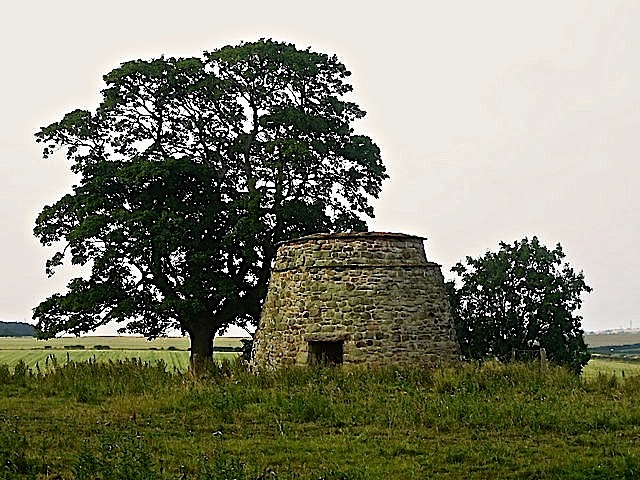
Restored medieval dovecoat, near Buckton, Northumberland, by Graham Robson.

All the above photos are copyrighted to the photographers named in the captions and are licensed for reuse under this Creative Commons (CC) License.

Garden Bloggers’ Bloom Day for August

Now is the winter of our discontent
Made glorious summer . . .

by our water hoses.

We are just below the equator here in Rwanda, so technically it is near the end of winter — and of the long dry season, which began in May and normally ends in September.

But last night there was a light rain for about seven hours, so today I don’t need to water anything in the garden, not even the new plants.

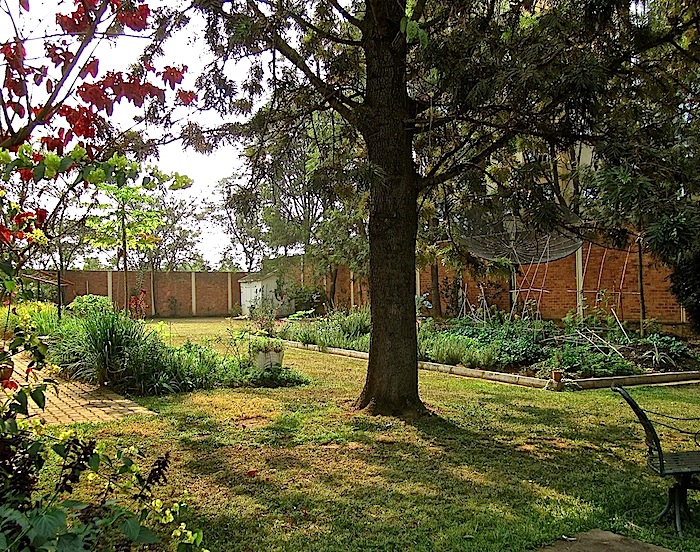
The cutting garden (left) and the vegetable garden (right).

We’ve really cut back on watering this year, anyway — none for the grass and a lot less for the planting beds. The grass is going brown, but we still have a lot of flowers, particularly my stalwarts, yellow daylilies and pink gerbera daisies.

The vegetable garden with kale, sunflowers, Missouri primroses, nasturtiums.

My biggest project in the last month has been to tackle our mess of a vegetable garden, which has consisted of several not very productive, but very wide and long raised beds.  Their dimensions just weren’t manageable, so we’ve dug new paths and now all the beds are about 4′ x 5′.

Orange nasturtium in our vegetable garden.
Orange nasturtium bloom in our vegetable garden.

Growing among the argula, lettuce, kale, strawberry, and tomato plants are also celosias, nasturtiums, Missouri primroses, and sunflowers.

Sunflower (one of the shorter varieties) in our vegetable garden.
The garden with celosia, feverfew, supports for tomatoes and beans, with lettuce gone to seed in the back.
Our still rather disorderly garden with celosia, feverfew, supports for tomatoes, with a row of lettuce going to seed along the back.

Recently, I tried to grow American hardy hibiscus from seed (in the vegetable garden, where the soil is best), and, despite the fact that I have always read that this is a very easy thing to do, only about ten seedlings appeared from two packets of seeds, and for weeks they have remained at 2″ tall.

Nothing at all came up from a packet of black-eyed Susan seeds; only one plant from a packet of Verbena bonariensis.  However, alpine strawberry seeds have produced about 15 plants.

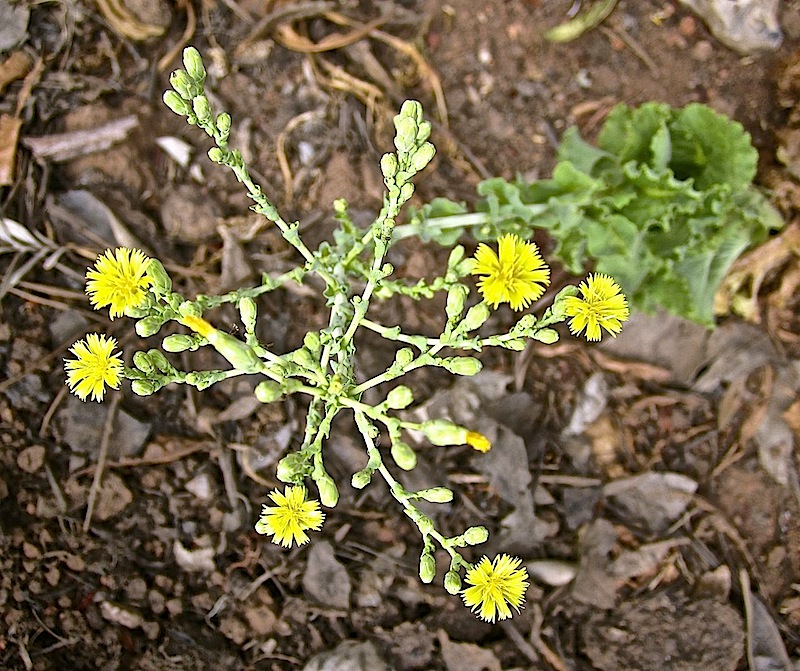
Lettuce flowers.
Lettuce flowers.

I have also done well with re-seeding lettuce, dill, basil, garlic chives, and coriander and with rooted rosemary cuttings. I have high hopes for my cherry tomato plants, many of which have clusters of tiny fruit.

Feverfew in the vegetable garden.
Celosia in the vegetable garden. The fading blooms are full of seeds.

In the long flower border along the lower lawn, I have one bloom from several purple coneflower plants that I have grown from seed.

The first coneflower bloom.
The first coneflower bloom from plants I grew from seed.

Garden Bloggers’ Bloom Day is the 15th day of every month.  Check out May Dreams Gardens to see what’s blooming in other garden bloggers’ gardens today.

Opportunity for interesting design

In late June, we attended the launch of the Women’s Opportunity Center in Kayonza, Rwanda.
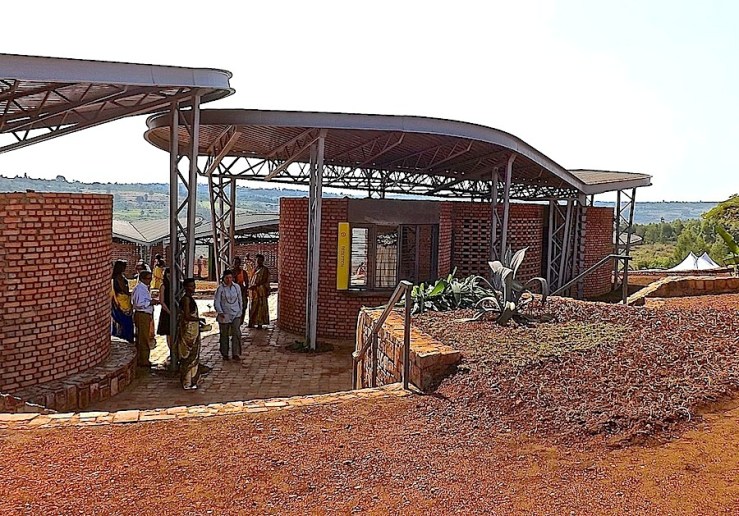
Women's Opportunity Center, Kayonza, Rwanda. Supported by Women for Women International and designed by Sharon Davis Design./enclos*ure

Constructed with the support of Women for Women International (WfWI) and other donors, the center will train the region’s women in financial literacy, business, agribusiness, and life skills.  WfWI has given support to over 56,000 women in Rwanda since 1997.

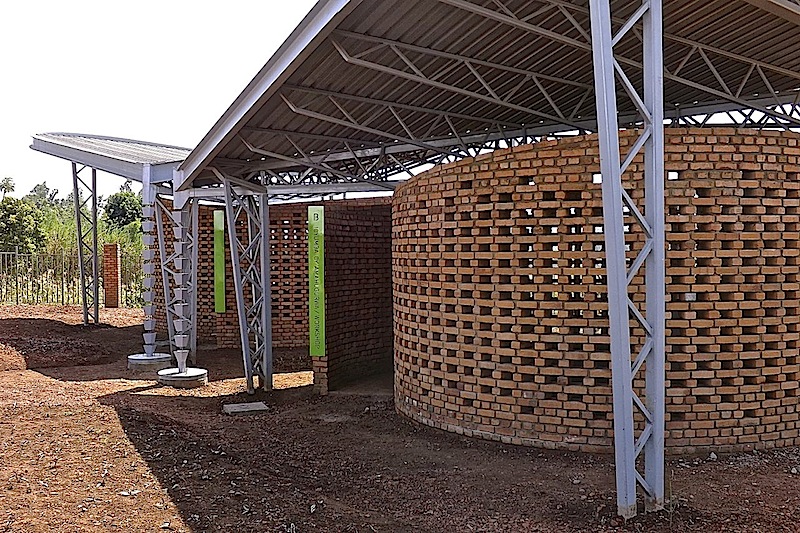
The facility was designed by the American firm Sharon Davis Design.   Particular attention was given to using local building materials and installing eco-friendly technology.

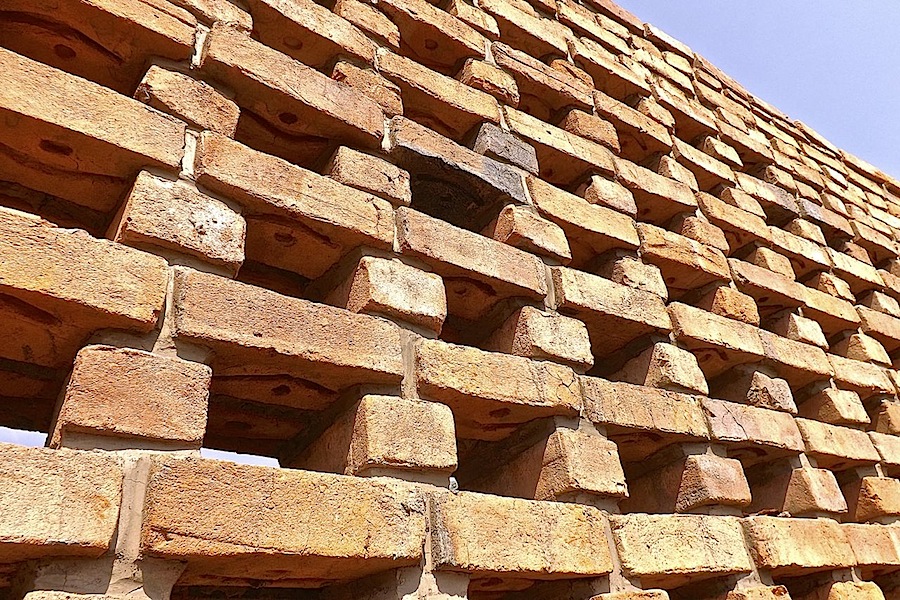
Handmade bricks, Women's Opportunity Center, Kayonza, Rwanda. Supported by Women for Women International and designed by Sharon Davis Design./enclos*ure

The buildings and walls around the center were constructed with 450,000 beautiful handmade bricks — each one stamped with the logo of WfWI.  They were pressed by a co-op of WfWI training graduates from clay dug in an adjacent valley.

Women's Opportunity Center, Kayonza, Rwanda. Supported by Women for Women International and designed by Sharon Davis Design./enclos*ure

The plan above is from the Sharon Davis Design brochure.  You may want to click on the photo to see a larger version.

The brochure explains some of the design concept:

To keep the scale and quality of the center’s spaces intimate and diverse, the organization of traditional Rwandan residences and villages became the inspiration for organizing and dispersing the many program elements across the 1-hectare* plot.  A series of human-scaled pavilions are clustered around the center of the site.  . . .  The circular nature of many of the interior spaces is also in response to WfWI’s approach of teaching in the round.

During the ceremony, Sharon Davis explained that her team wanted to create a particularly reassuring design for women who might be shy about entering this type of public place. WOC expects 200-300 women to participate in various activities every day.

Handmade bricks and rain chain, Women's Opportunity Center, Kayonza, Rwanda. Supported by Women for Women International and designed by Sharon Davis Design./enclos*ure

The center includes domitory lodging — in the tent above — for students and visitors.  All toilets on site are composting toilets, which will produce fertilizer for use in the center’s farm and for sale in its market.

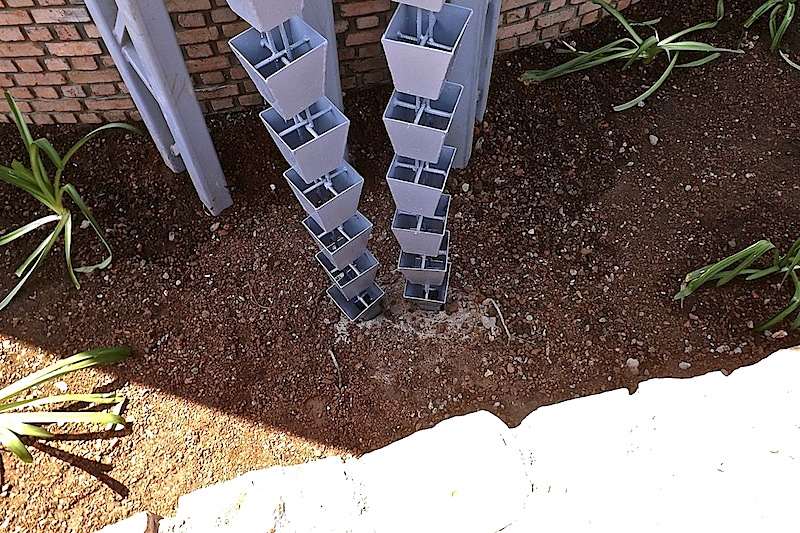
Rainchains direct all the runoff from the buildings to two buried 40,000 liter cisterns. This collection is expected to meet all the water needs of the site.

Rain chains, Women's Opportunity Center, Kayonza, Rwanda. Supported by Women for Women International and designed by Sharon Davis Design./enclos*ure

The bonding pattern and curves of the buildings’ brick walls eliminate the need for concrete columns and beams.
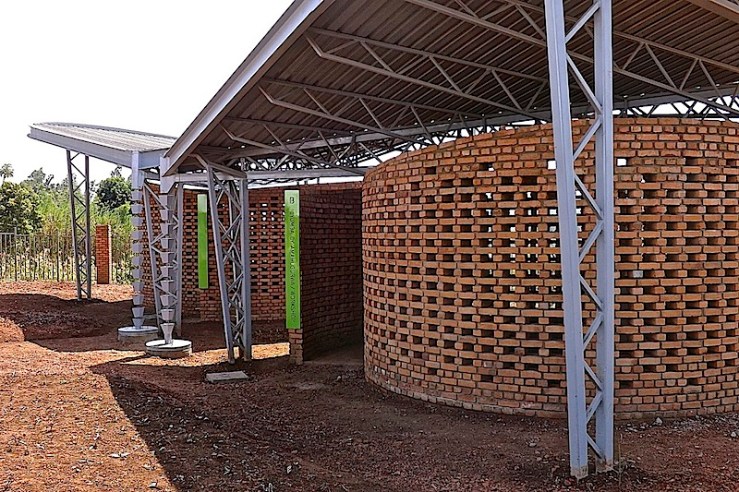
Workshop classroom, Women's Opportunity Center, Kayonza, Rwanda. Supported by Women for Women International and designed by Sharon Davis Design./enclos*ure

The workshop buildings have no doors or ceilings, and the open pattern lets in diffuse natural light and air.
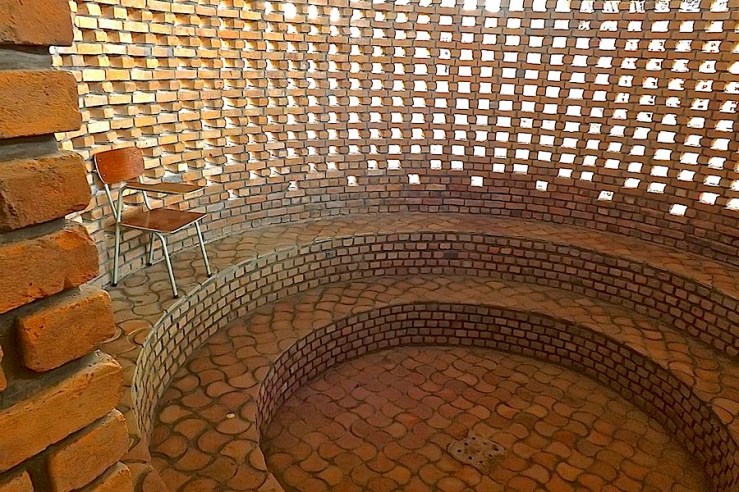
Workshop classroom, Women's Opportunity Center, Kayonza, Rwanda. Supported by Women for Women International and designed by Sharon Davis Design./enclos*ure

Inside the workshop rooms, students sit on two levels of benches.  (I don’t think the chair is meant to stay.)  The floor tiles were made by WfWI graduates in the Democratic Republic of Congo.

The recently planted landscaping consists of simple rounded shapes of turf grass and ground cover plants.

Women's Opportunity Center, Kayonza, Rwanda. Supported by Women for Women International and designed by Sharon Davis Design./enclos*ure

I don’t know how they will handle the large center area labeled as ‘Gathering Space’ on the plan above (there was a large tent there on the launch day).  They may leave it flat for event tents or build a circle of benches similar to the workshop interiors.

Below are photos of the area labeled ‘Farm’ on the plan.  It was being partly used for parking that day, but I hope it will eventually be filled by raised-bed vegetable gardens like these.

WOC kitchen gardens, Kayonza, Rwanda/enclos*ure

Just below, you can see the rainwater cisterns and the partly underground ‘Farm House,’ which I was told will be used for storage. Rainwater cisterns, Women's Opportunity Center, Kayonza, Rwanda. Supported by Women for Women International and designed by Sharon Davis Design./enclos*ure

The center hopes to be financially independent from the WfWI in five years.  It will rent training and event space to partner organizations and market, retail, and storage spaces to local small businesses.  It will also offer lodging and restaurant services for visitors and travelers.

You can see more photos of WOC by Sharon Davis Design here.


*2.471 acres